Exchange Agreement With In Georgia
Description

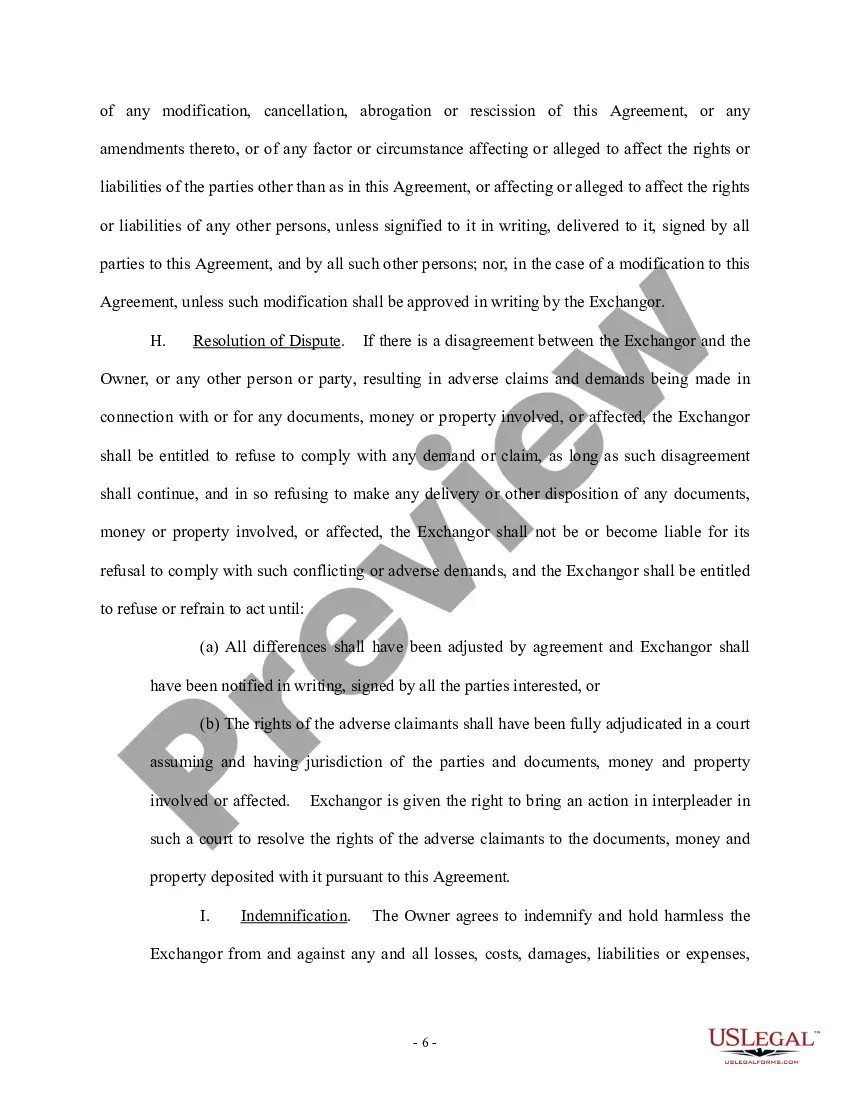
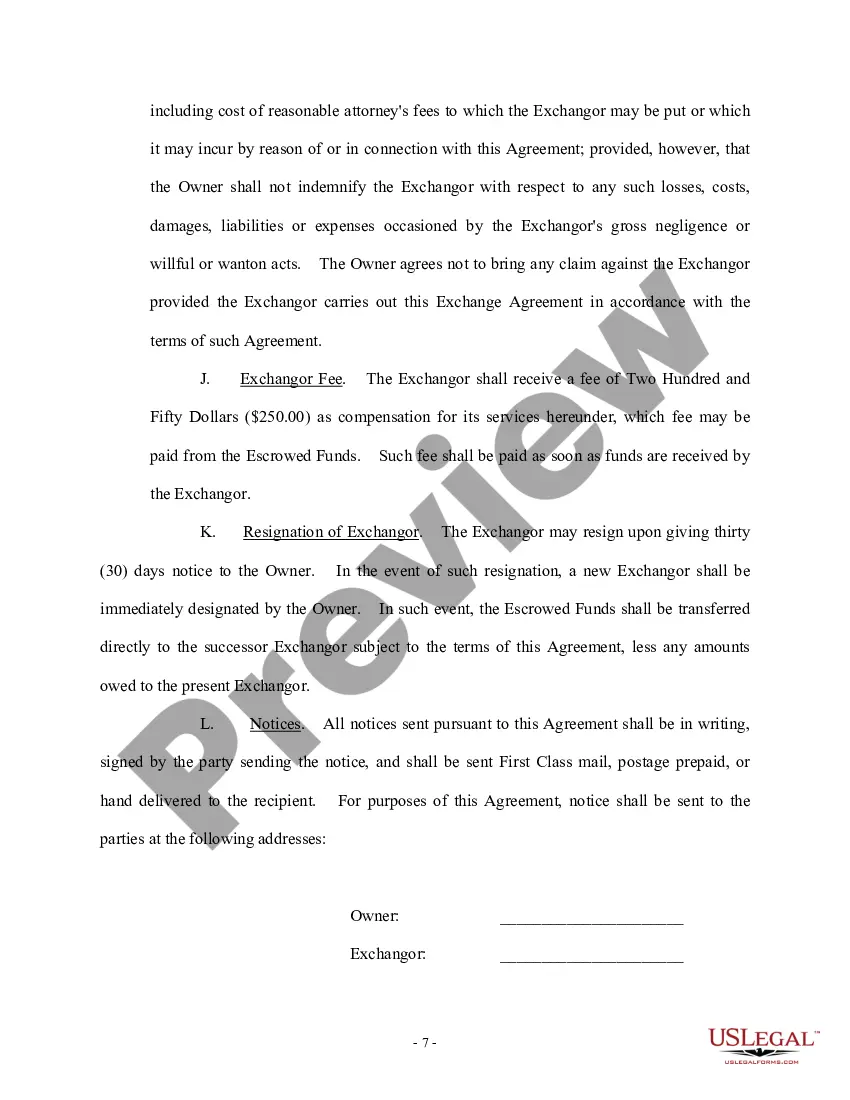
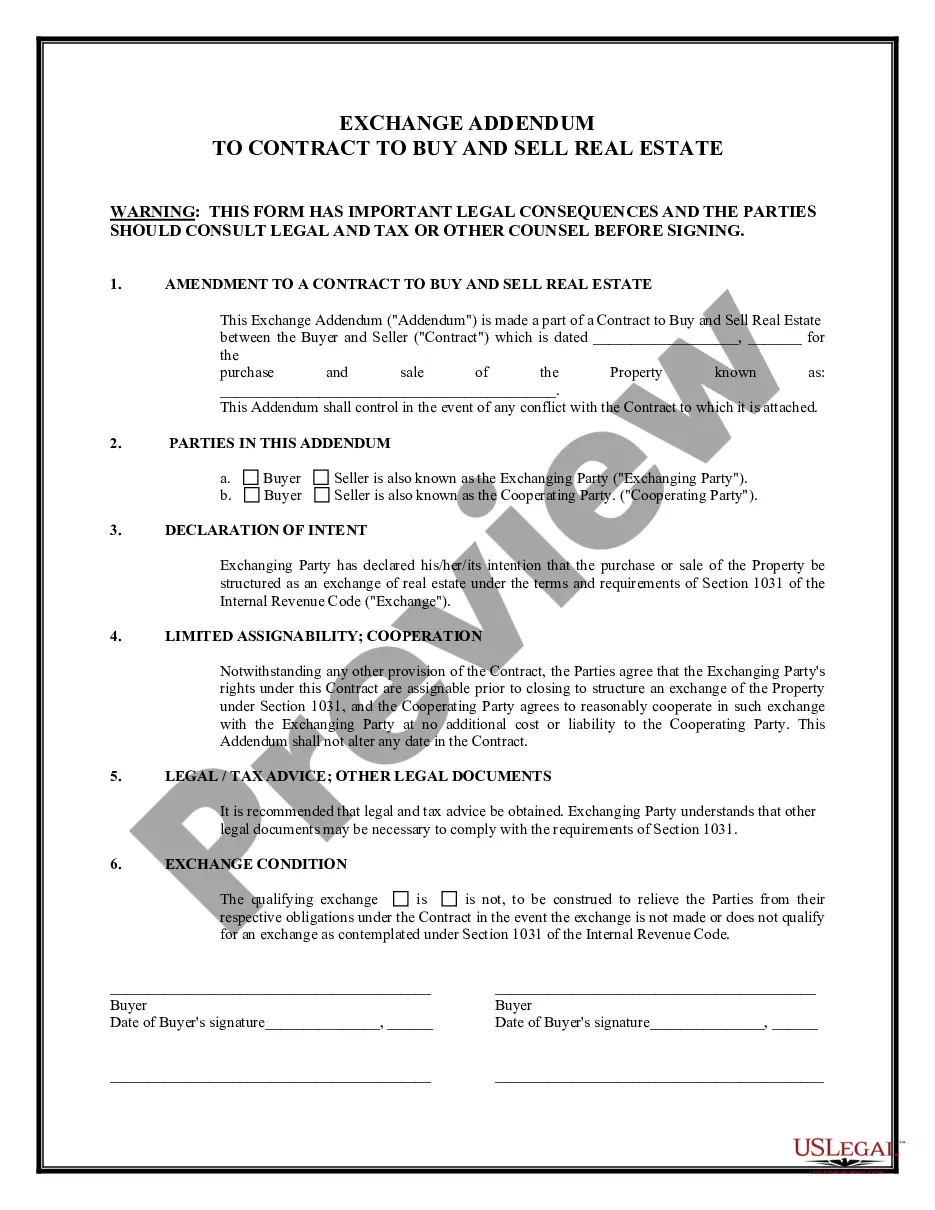
Get your form ready online
Our built-in tools help you complete, sign, share, and store your documents in one place.
Make edits, fill in missing information, and update formatting in US Legal Forms—just like you would in MS Word.
Download a copy, print it, send it by email, or mail it via USPS—whatever works best for your next step.
Sign and collect signatures with our SignNow integration. Send to multiple recipients, set reminders, and more. Go Premium to unlock E-Sign.
If this form requires notarization, complete it online through a secure video call—no need to meet a notary in person or wait for an appointment.
We protect your documents and personal data by following strict security and privacy standards.

Make edits, fill in missing information, and update formatting in US Legal Forms—just like you would in MS Word.

Download a copy, print it, send it by email, or mail it via USPS—whatever works best for your next step.

Sign and collect signatures with our SignNow integration. Send to multiple recipients, set reminders, and more. Go Premium to unlock E-Sign.

If this form requires notarization, complete it online through a secure video call—no need to meet a notary in person or wait for an appointment.

We protect your documents and personal data by following strict security and privacy standards.
Looking for another form?






Form popularity
FAQ
Properties are of like-kind if they're of the same nature or character, even if they differ in grade or quality. Real properties generally are of like-kind, regardless of whether they're improved or unimproved. For example, an apartment building would generally be like-kind to another apartment building.
How do you report Section 1031 Like-Kind Exchanges to the IRS? You must report an exchange to the IRS on Form 8824, Like-Kind Exchanges and file it with your tax return for the year in which the exchange occurred.
Section 1031(f) provides that if a Taxpayer exchanges with a related party then the party who acquired the property in the exchange must hold it for 2 years or the exchange will be disallowed.
1031 Exchange Rules in Georgia 1031 Exchanges are federally recognized, and Georgia adheres to federal rules, regulations, and timelines, enabling investors to defer capital gains on qualified property exchanges.
How do you report Section 1031 Like-Kind Exchanges to the IRS? You must report an exchange to the IRS on Form 8824, Like-Kind Exchanges and file it with your tax return for the year in which the exchange occurred.
States like Florida, Texas, and Nevada are great options for 1031 exchanges due to their lack of state income tax and strong real estate markets. On the other hand, states like California, New York, and Oregon can be less attractive due to their high state income tax rates and strict real estate laws.
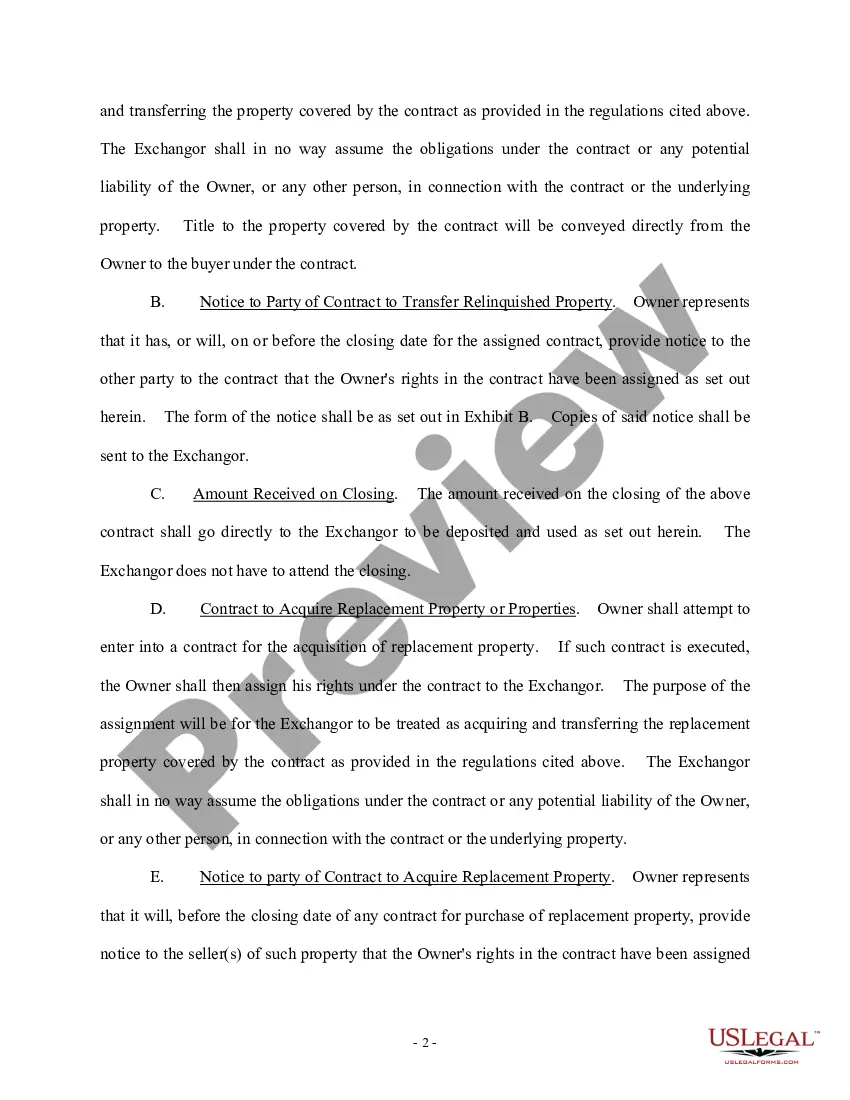
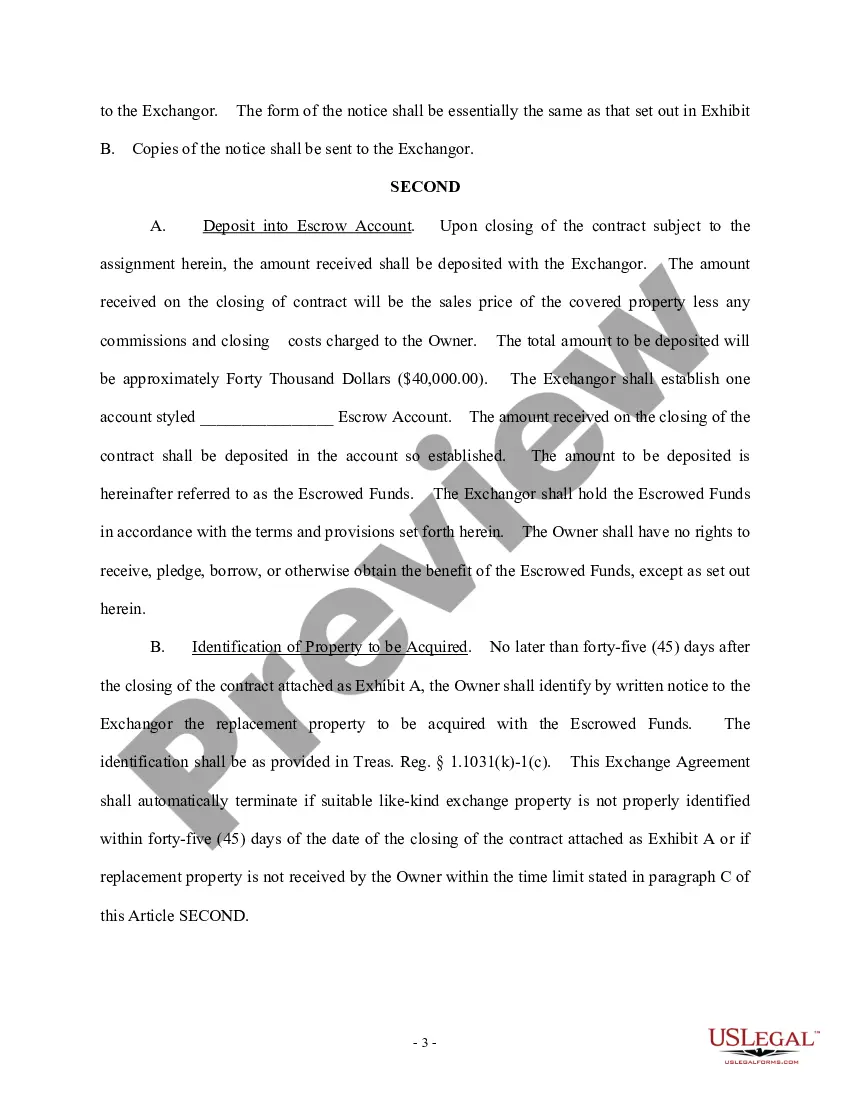
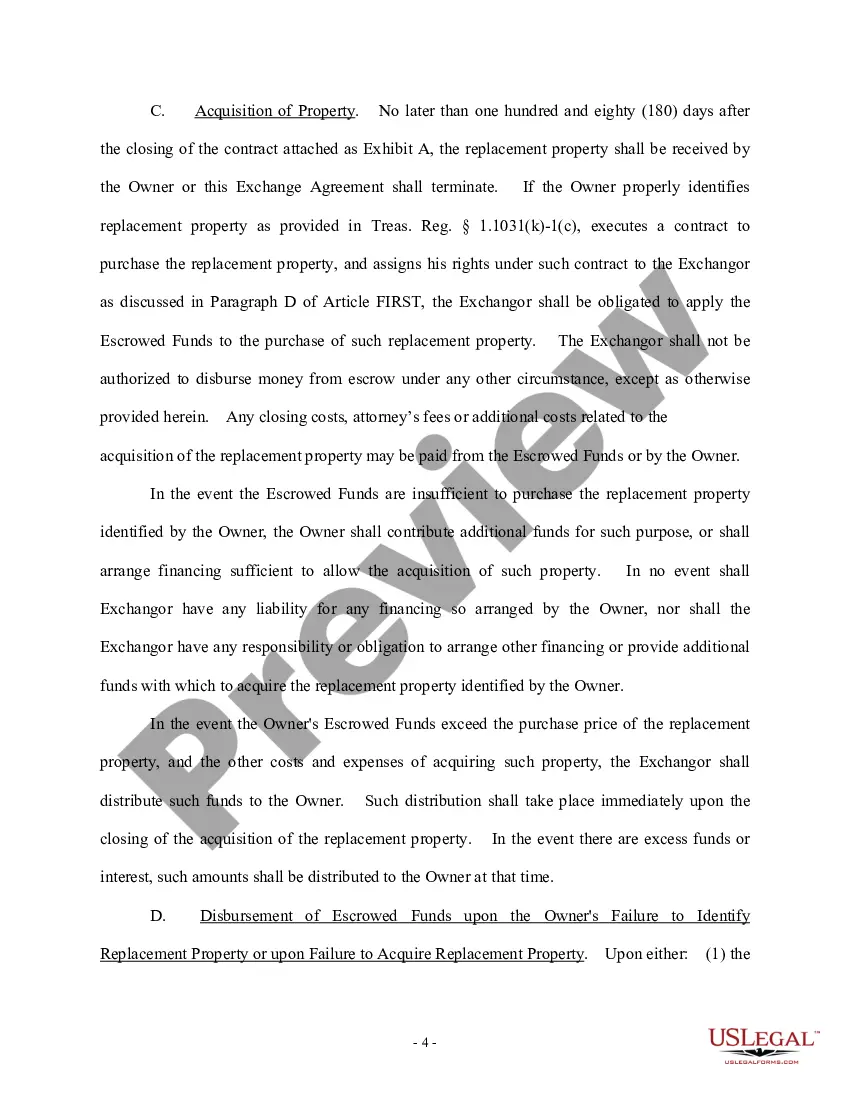
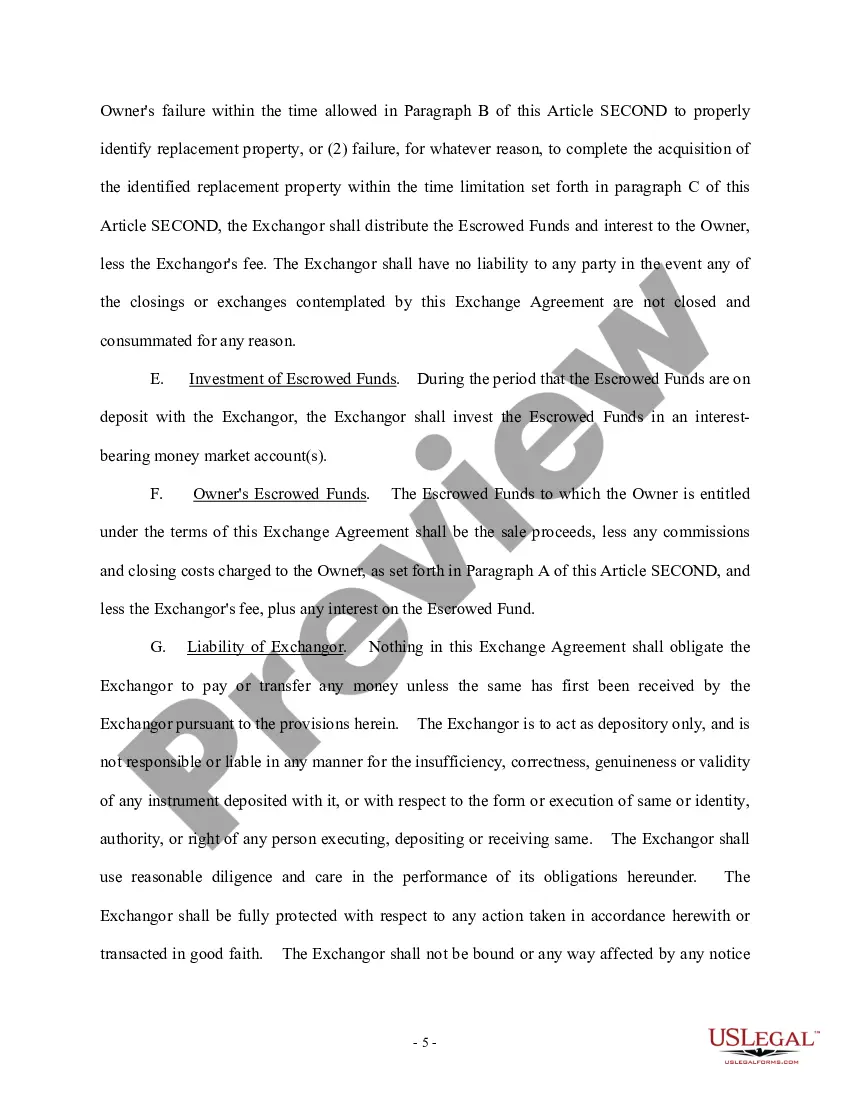
How to Do a 1031 Exchange Choose a qualified intermediary to coordinate the exchange. Sell your current real estate property. You have 45 days to identify potential replacement properties. You have 180 days to close on a replacement property. File IRS Form 8824.
Pennsylvania Does Not Recognize 1031 Tax Deferrals Yes, that's right – Pennsylvania has long been the sole hold-out among all our states to not recognize 1031 tax deferral benefits. When a business property is sold in Pennsylvania, a tax is generally owed.
