Exchange Agreement With In Cook
Description

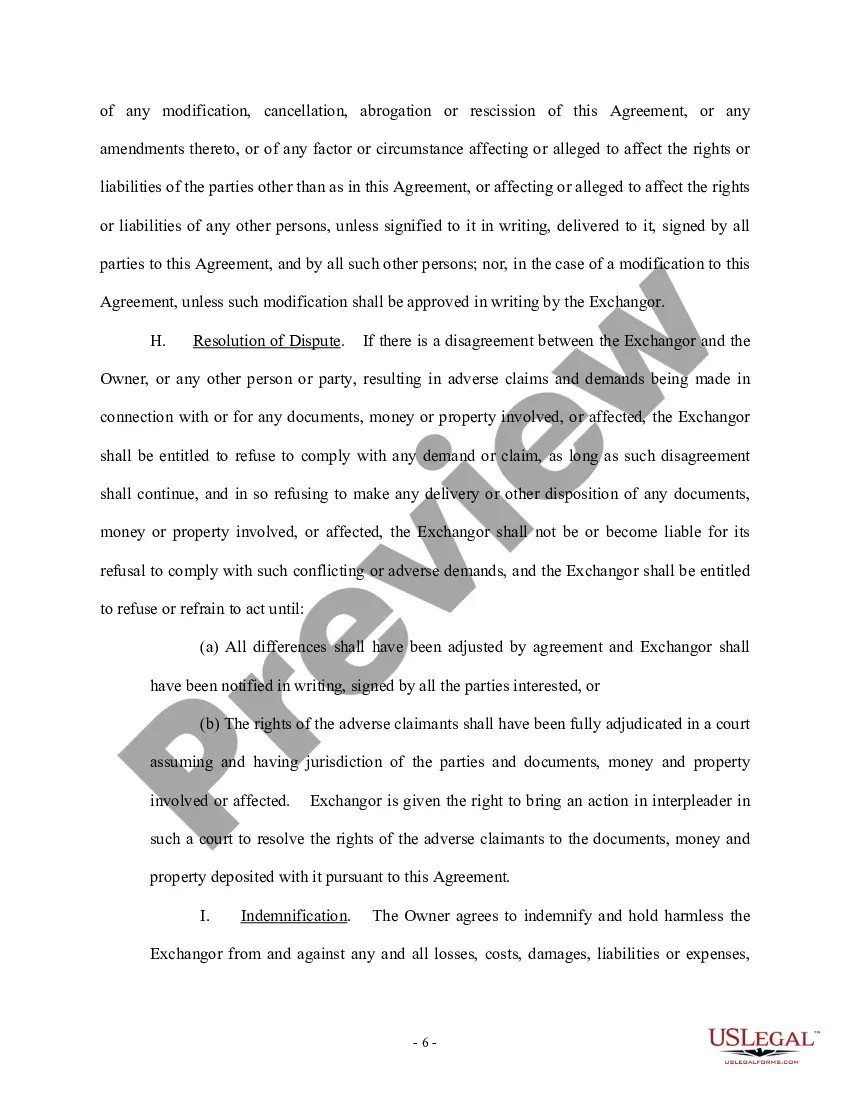
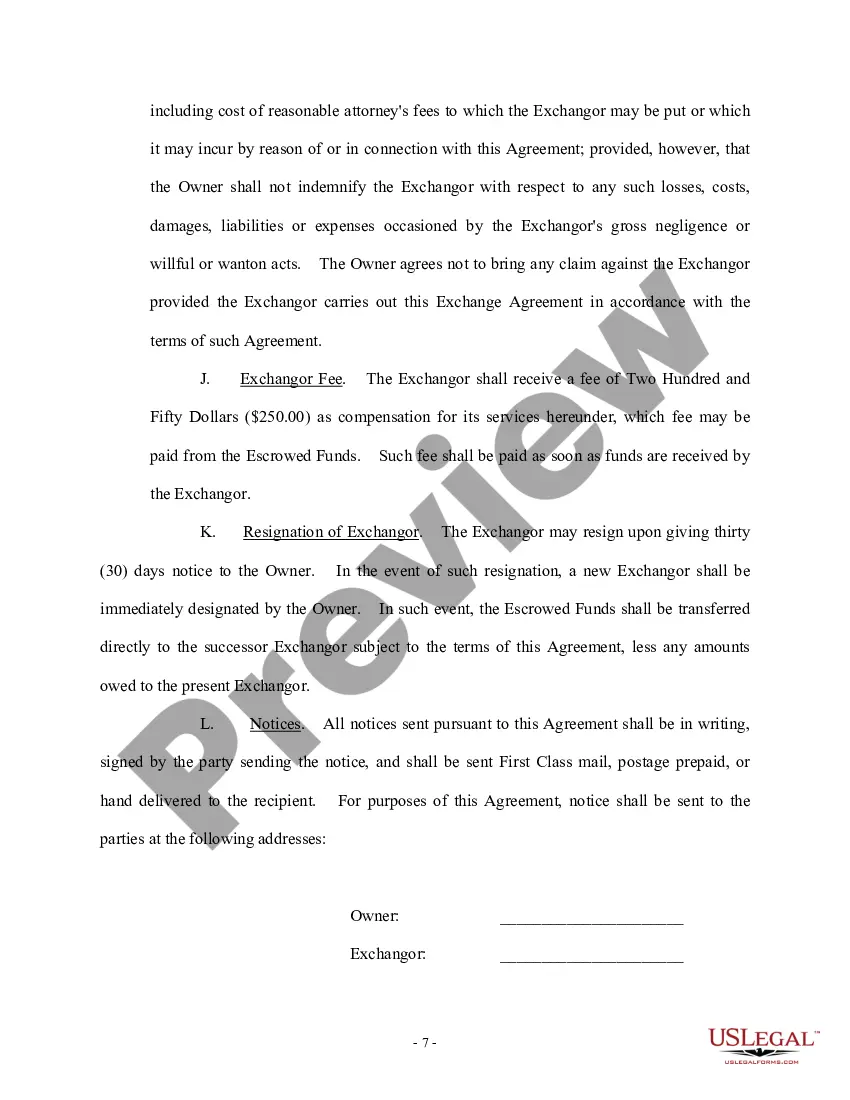
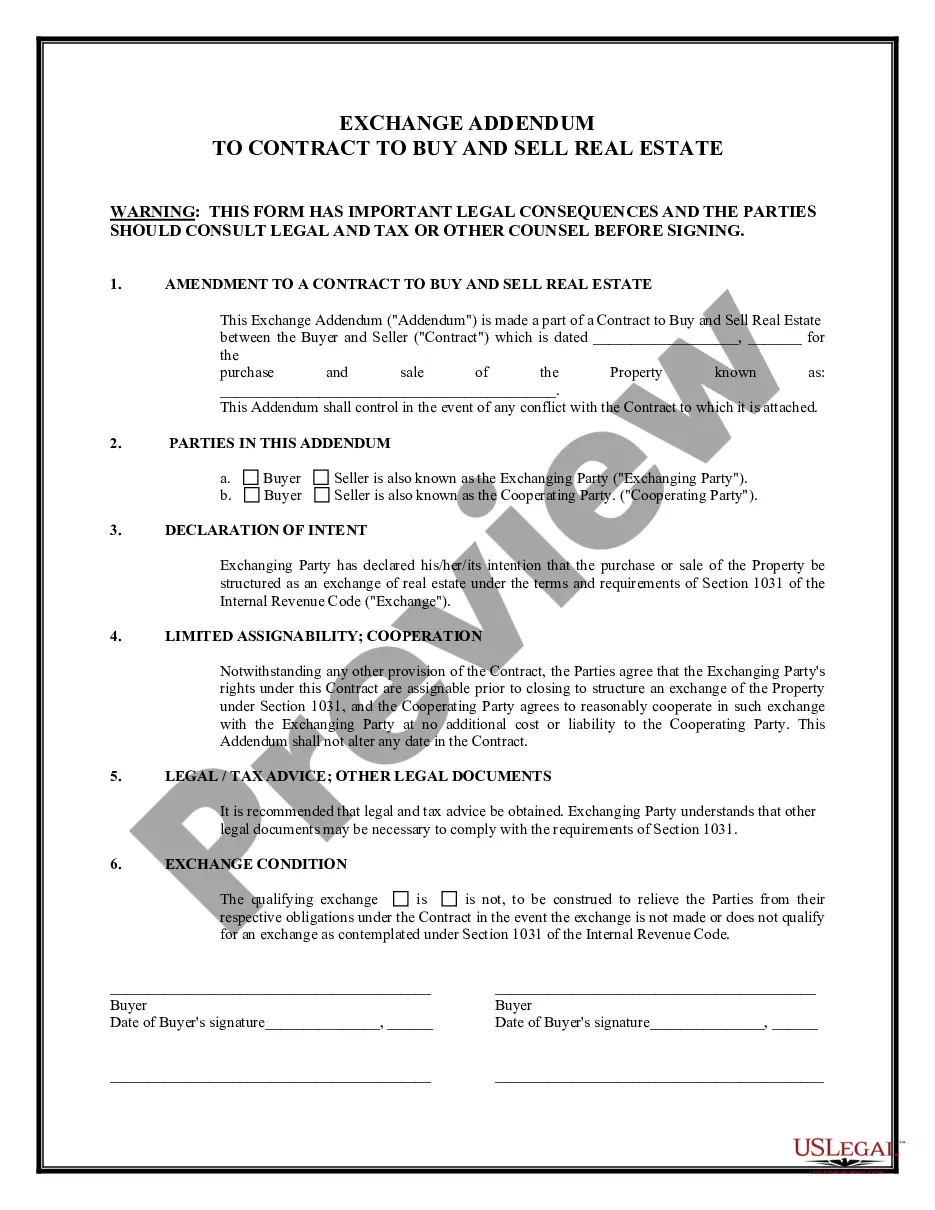
Get your form ready online
Our built-in tools help you complete, sign, share, and store your documents in one place.
Make edits, fill in missing information, and update formatting in US Legal Forms—just like you would in MS Word.
Download a copy, print it, send it by email, or mail it via USPS—whatever works best for your next step.
Sign and collect signatures with our SignNow integration. Send to multiple recipients, set reminders, and more. Go Premium to unlock E-Sign.
If this form requires notarization, complete it online through a secure video call—no need to meet a notary in person or wait for an appointment.
We protect your documents and personal data by following strict security and privacy standards.

Make edits, fill in missing information, and update formatting in US Legal Forms—just like you would in MS Word.

Download a copy, print it, send it by email, or mail it via USPS—whatever works best for your next step.

Sign and collect signatures with our SignNow integration. Send to multiple recipients, set reminders, and more. Go Premium to unlock E-Sign.

If this form requires notarization, complete it online through a secure video call—no need to meet a notary in person or wait for an appointment.

We protect your documents and personal data by following strict security and privacy standards.
Looking for another form?









Form popularity
FAQ
Canada has 94 income tax treaties with other countries that are currently active.
The Five Eyes is an intelligence alliance composed of Australia, Canada, New Zealand, the United Kingdom and the United States. These partner countries share a broad range of intelligence with one another in one of the world's most unified multilateral arrangements.
Tax Information Exchange Agreements (TIEAs) are signed by two countries that agree to co-operate in tax matters by exchanging information. Jersey has been exchanging information with other countries using TIEAs since 2007.
Under the intergovernmental agreement, relevant information on accounts held by U.S. residents and U.S. citizens (including U.S. citizens who are residents or citizens of Canada) are reported to the Canada Revenue Agency (CRA).
In 2018, Canada joined the AEoI process, and the CRA will automatically access – without any notice or judicial oversight – account holders' names, transaction participants, the location of offshore assets, and foreign income.
The goal is to enable increased cooperation and engagement between the two taxing authorities, the Canada Revenue Agency and the Internal Revenue Service. As of October 30, 2024, 24 countries without tax treaties with Canada opted to have a Tax Information Exchange Agreement (TIEA) with Canada.
Country-by-country reporting data will be exchanged pursuant to bilateral competent authority arrangements (CAAs), which rely on double taxation conventions, tax information exchange agreements, or the Convention on Mutual Administrative Assistance in Tax Matters that permit automatic exchanges of information.
Types of agreements under Indian Contract Act, 1872 Valid agreement. Section 11 of the Indian Contract Act, 1872. Void agreement. Section 24 of the Indian Contract Act, 1872. Wagering Agreements. Contingent Agreement. Voidable agreement. Express and implied agreements. Illegal Agreements.
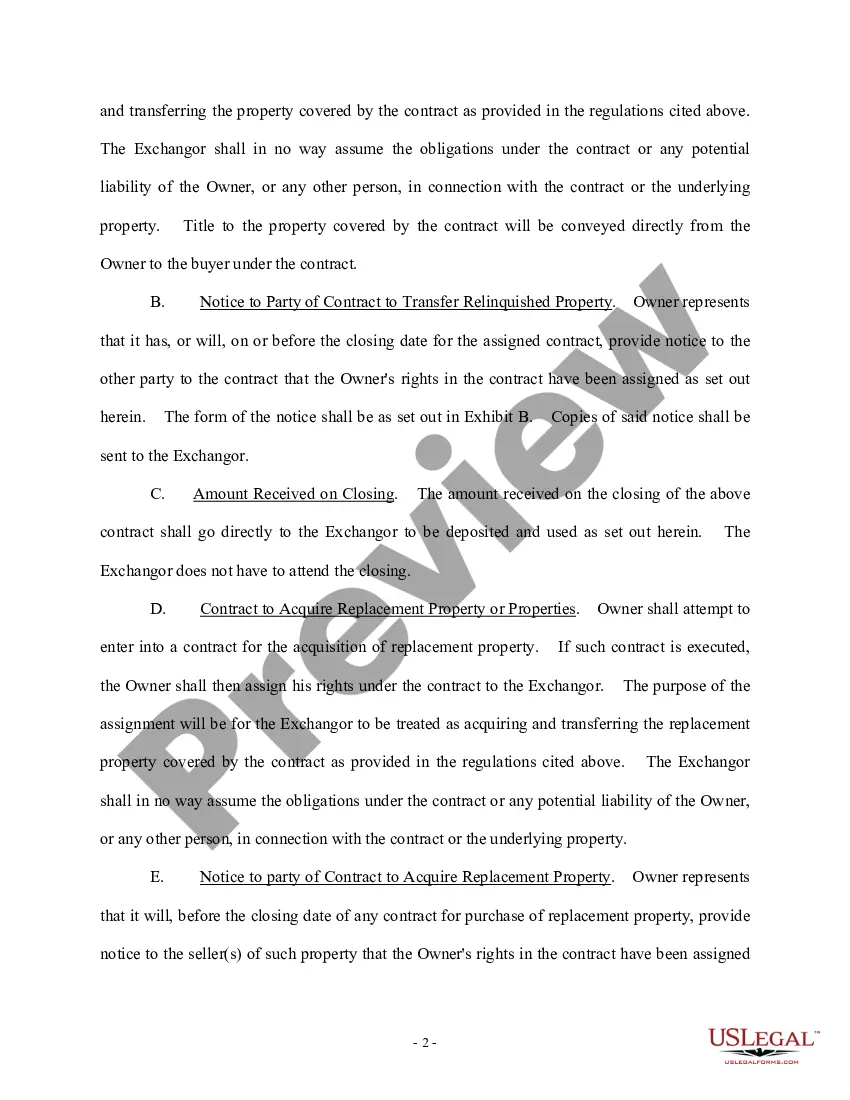
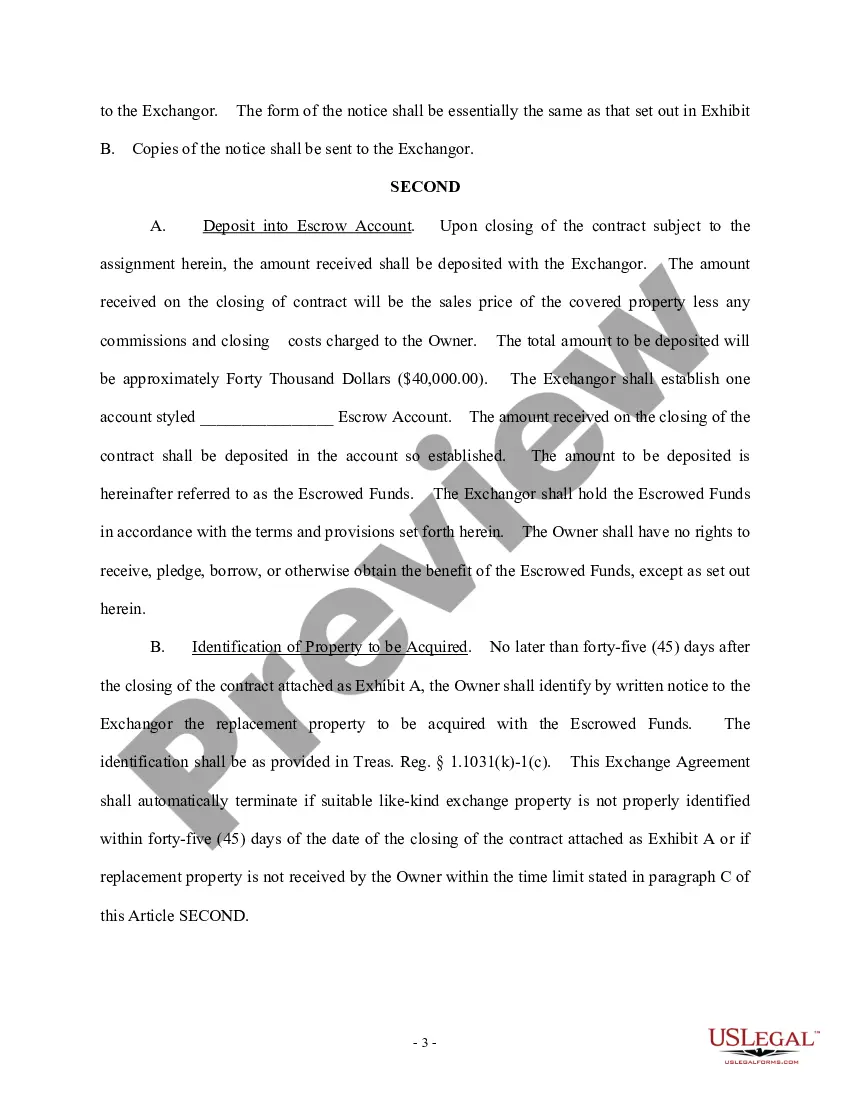
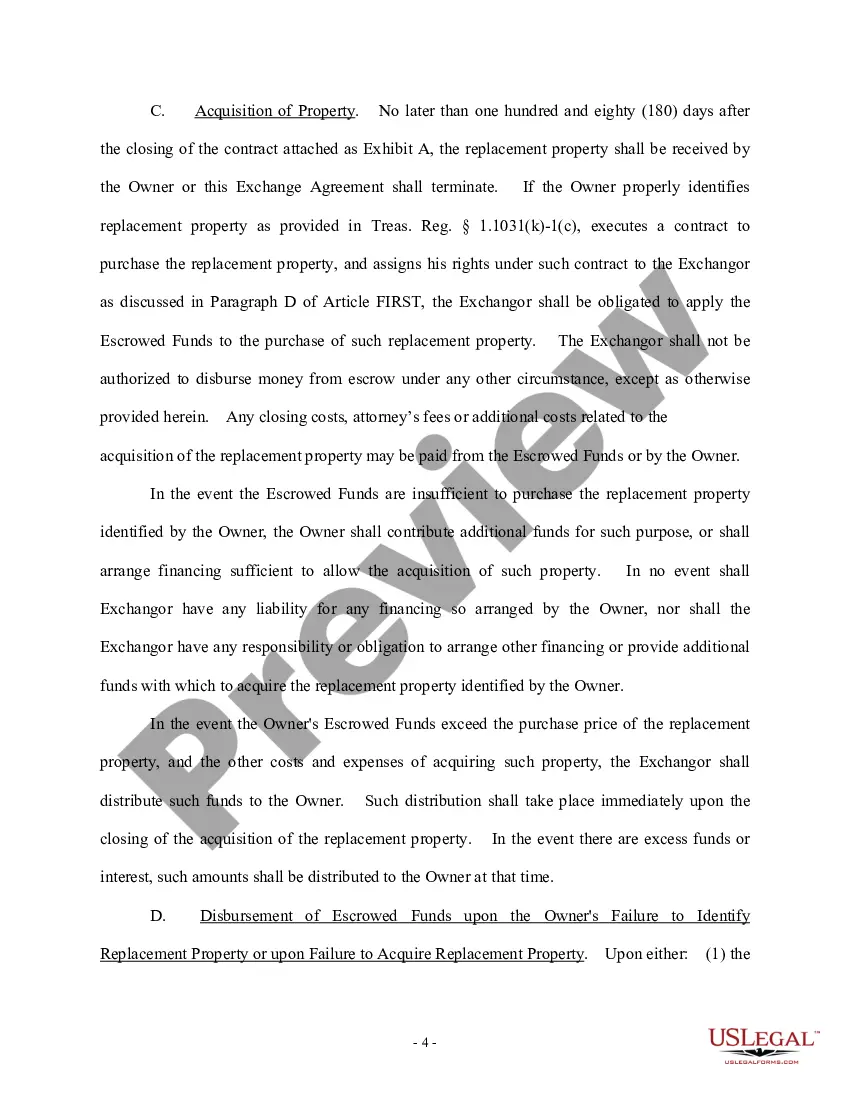
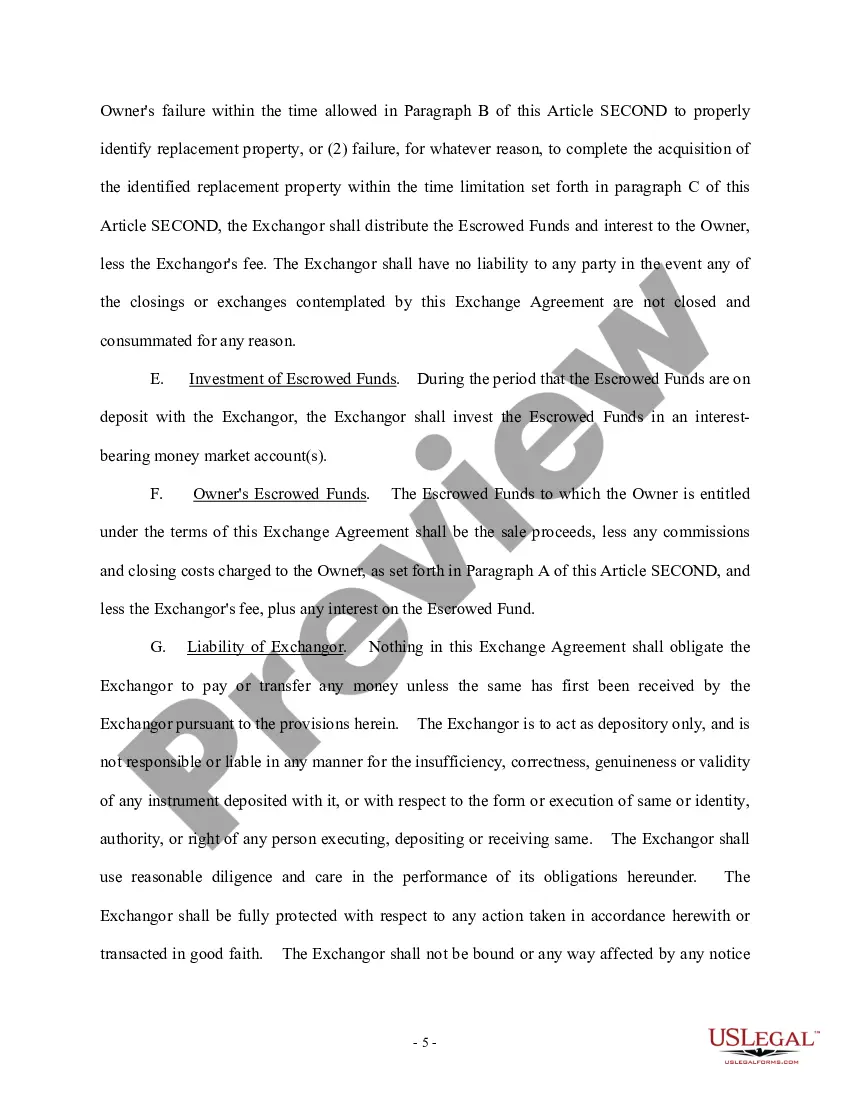
A 1031 exchange agreement is a tax deferral strategy that allows individuals or businesses to sell an investment property and reinvest the proceeds into a like-kind property, without incurring immediate capital gains taxes.
Posted 29th May 2024 in Help & Advice. Once a property has been sold the focus of both seller and buyer will usually turn to the key stages of exchange of contracts and completion. Exchange of contracts is the point at which both the buyer and seller are legally committed to the sale.
