Employment Discrimination In South Africa In North Carolina
Description
Get your form ready online
Our built-in tools help you complete, sign, share, and store your documents in one place.
Make edits, fill in missing information, and update formatting in US Legal Forms—just like you would in MS Word.
Download a copy, print it, send it by email, or mail it via USPS—whatever works best for your next step.
Sign and collect signatures with our SignNow integration. Send to multiple recipients, set reminders, and more. Go Premium to unlock E-Sign.
If this form requires notarization, complete it online through a secure video call—no need to meet a notary in person or wait for an appointment.
We protect your documents and personal data by following strict security and privacy standards.

Make edits, fill in missing information, and update formatting in US Legal Forms—just like you would in MS Word.

Download a copy, print it, send it by email, or mail it via USPS—whatever works best for your next step.

Sign and collect signatures with our SignNow integration. Send to multiple recipients, set reminders, and more. Go Premium to unlock E-Sign.

If this form requires notarization, complete it online through a secure video call—no need to meet a notary in person or wait for an appointment.

We protect your documents and personal data by following strict security and privacy standards.
Looking for another form?
Form popularity
FAQ
It will not only benefit you, but your co-workers as well because it will likely make your workplace safer by creating a better environment for all. When you sue, you can also obtain a legal remedy for the discrimination you have faced. Employers often offer a significant sum in these cases.
Proving workplace discrimination in California can be one of the most difficult steps in a successful discrimination case. It can also be complex, confusing and frustrating.
In South Carolina, a discrimination claim can be filed either with the state administrative agency, the South Carolina Human Affairs Commission (SHAC), or the federal administrative agency, the Equal Employment Opportunity Commission (EEOC).
A hostile work environment occurs when an employee's ability to perform their work is interfered with by discrimination, harassment, retaliation, or other acts on the basis of their race, gender, religion, disability, age, or other characteristics depending on the law.
Evidence takes several forms. It includes your testimony, which is the very first evidence gathered by EEOC. It also includes written materials such as evaluations, notes by your employer, letters, memos, and the like. You will be asked to provide any documents you may have that relate to your case.
No. Unemployment is only for being terminated without cause.
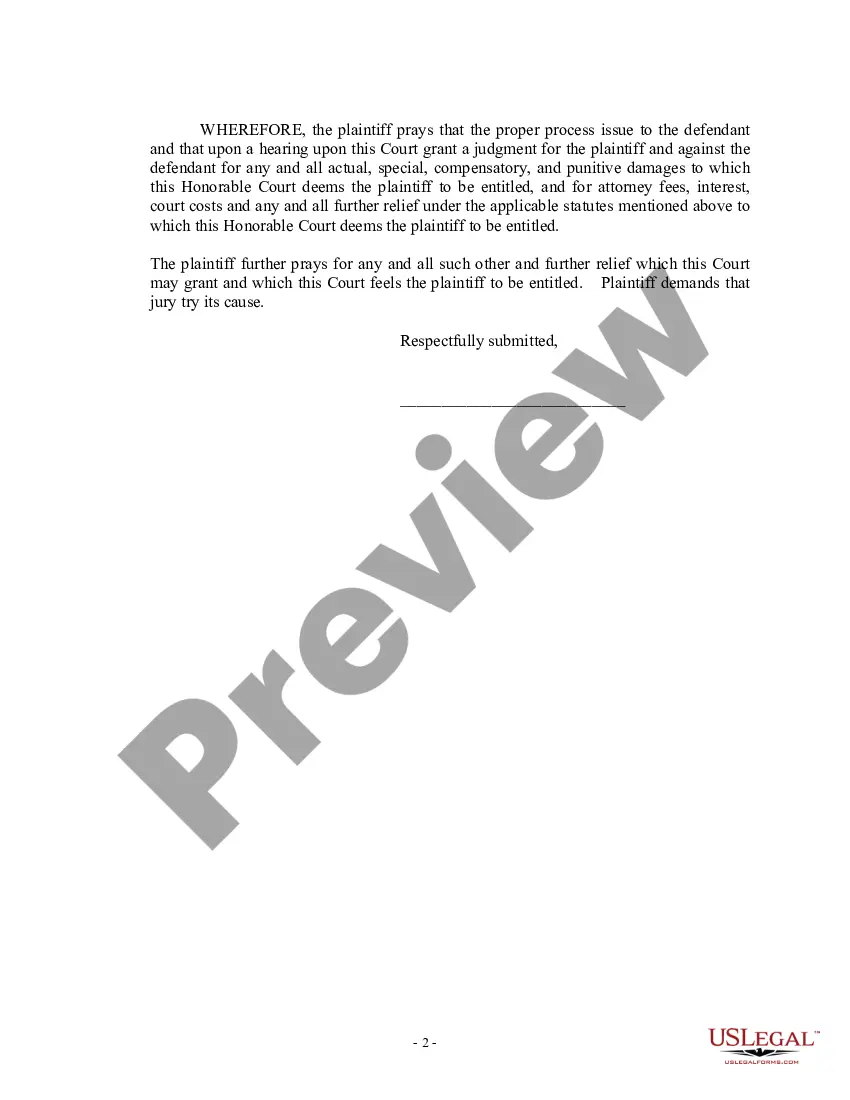
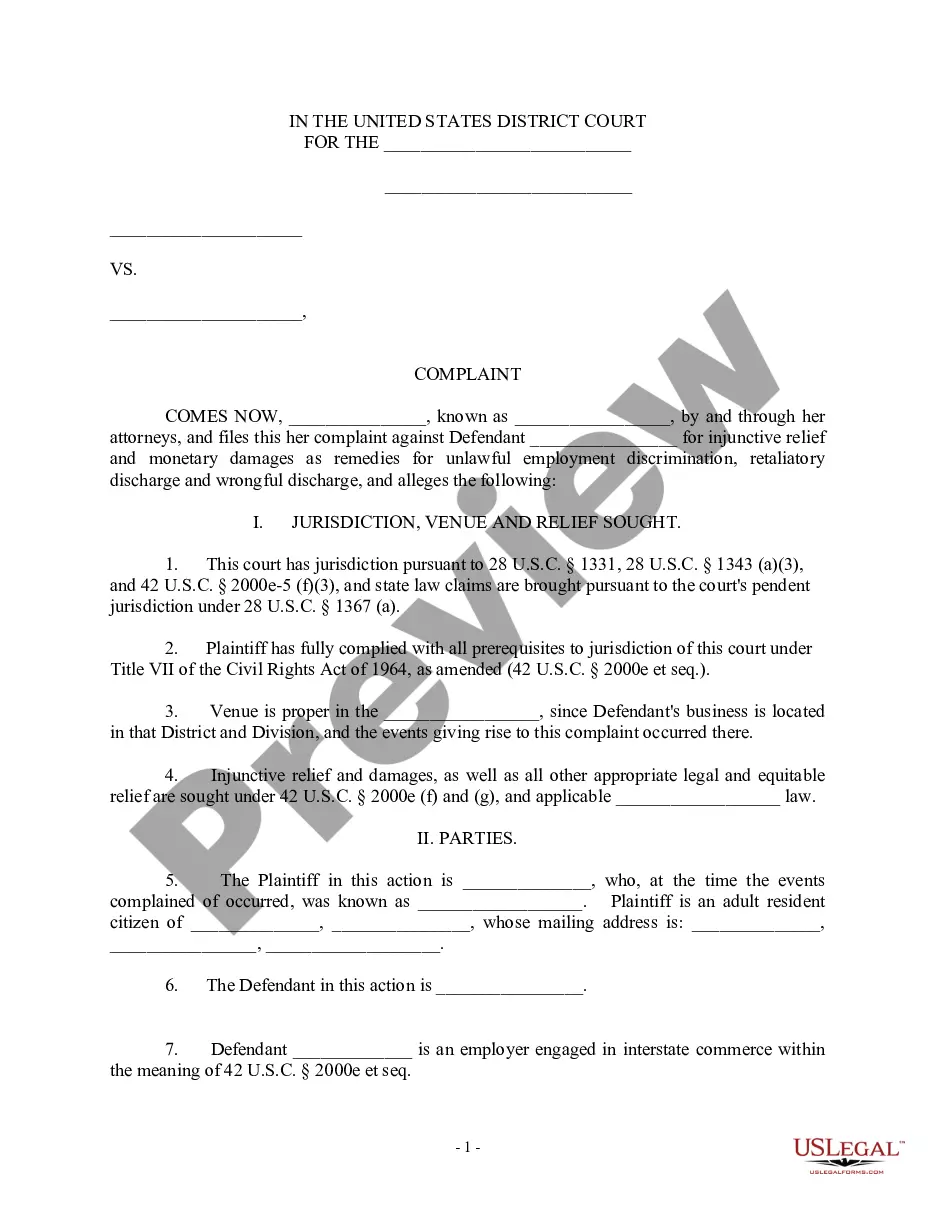
In most cases, you'll need to first file a complaint with the EEOC. It's wise to have a North Carolina hostile work environment lawyer on your side during this process — because the success of this complaint will literally dictate whether you're allowed to file a lawsuit in court.
To successfully win over the judge and the jury, you'll need to prove 5 important factors: You are the victim of discrimination. The harassment is severe, offensive, and/or abusive. The harassment is ongoing and/or pervasive. The harassment prohibits you from doing your job.
Report discrimination to a local Fair Employment Practices Agency (FEPA). If the discrimination breaks both a state and federal law, the FEPA will also send your complaint to the EEOC. Use the EEOC's directory of field offices to find the FEPA near you.