Travel Expenses Corporate Withdrawal In Middlesex
Description

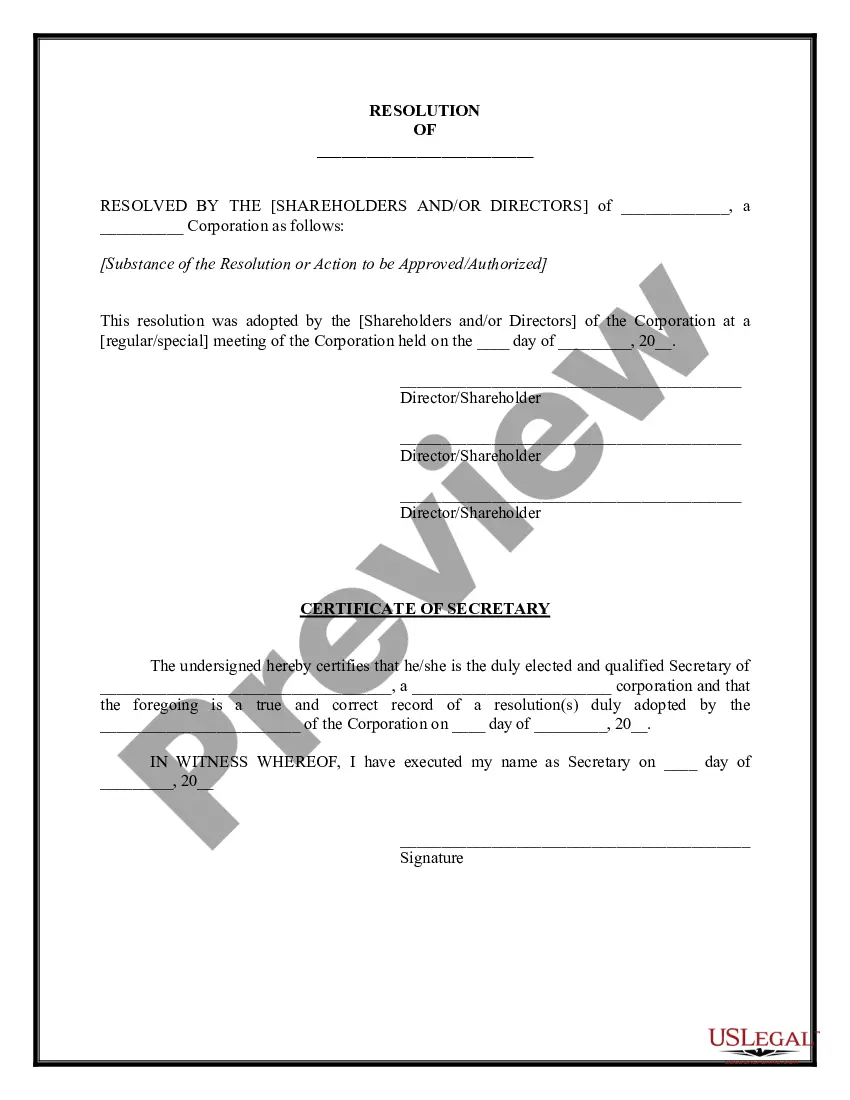
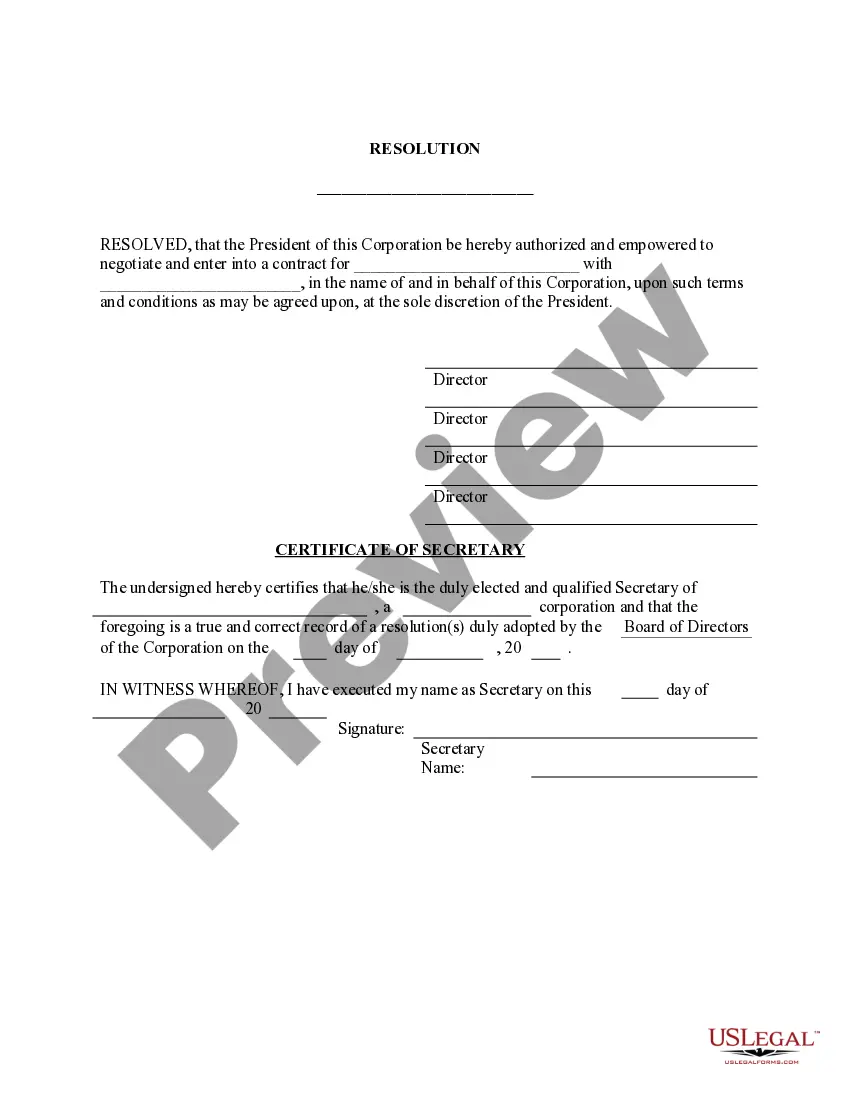
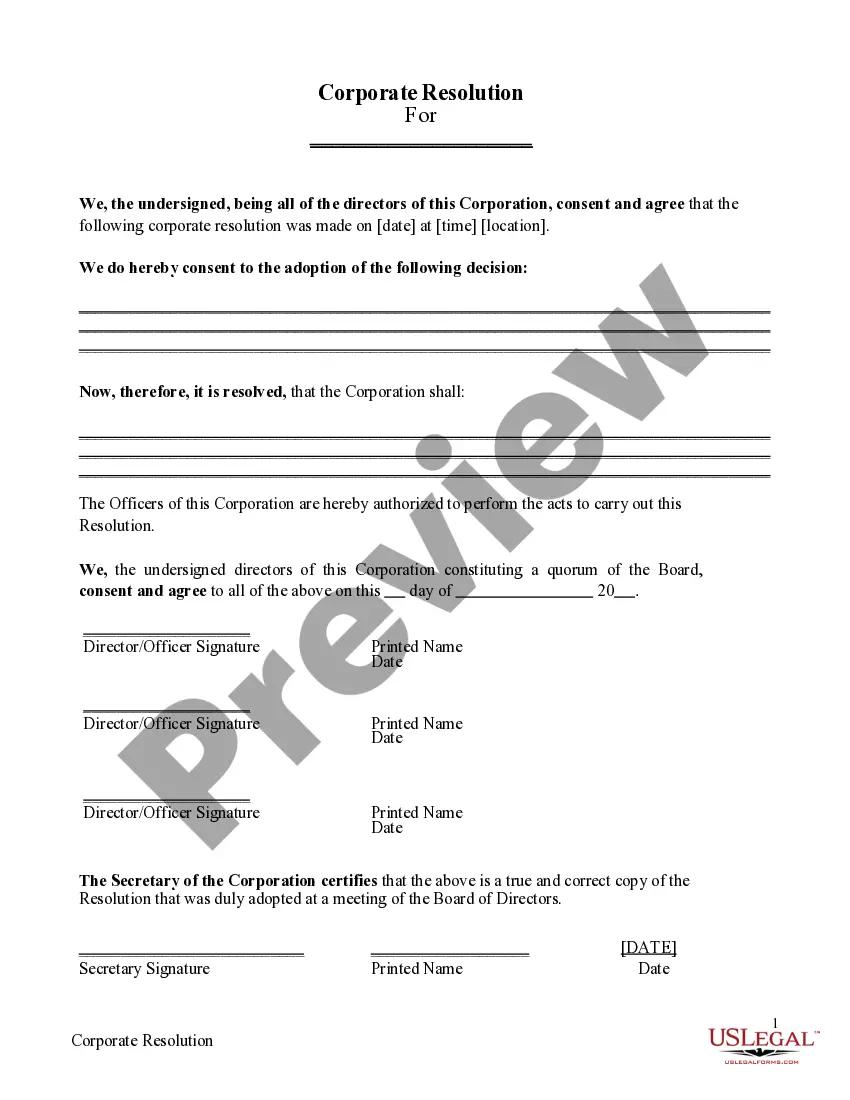
Get your form ready online
Our built-in tools help you complete, sign, share, and store your documents in one place.
Make edits, fill in missing information, and update formatting in US Legal Forms—just like you would in MS Word.
Download a copy, print it, send it by email, or mail it via USPS—whatever works best for your next step.
Sign and collect signatures with our SignNow integration. Send to multiple recipients, set reminders, and more. Go Premium to unlock E-Sign.
If this form requires notarization, complete it online through a secure video call—no need to meet a notary in person or wait for an appointment.
We protect your documents and personal data by following strict security and privacy standards.

Make edits, fill in missing information, and update formatting in US Legal Forms—just like you would in MS Word.

Download a copy, print it, send it by email, or mail it via USPS—whatever works best for your next step.

Sign and collect signatures with our SignNow integration. Send to multiple recipients, set reminders, and more. Go Premium to unlock E-Sign.

If this form requires notarization, complete it online through a secure video call—no need to meet a notary in person or wait for an appointment.

We protect your documents and personal data by following strict security and privacy standards.
Looking for another form?







Form popularity
FAQ
Self-employed individuals or farmers with travel deductions Those who are self-employed can deduct travel expenses on Schedule C (Form 1040), Profit or Loss From Business (Sole Proprietorship). Farmers can use Schedule F (Form 1040), Profit or Loss From Farming.
You should keep a written record of all of the travel expenses you incur and include both the date and amount. For your mileage, an app, such as Driversnote, can be useful because it will automatically keep track of all of your mileage for you.
If you're self-employed, you can deduct travel expenses on Schedule C (Form 1040), Profit or Loss From Business (Sole Proprietorship), or if you're a farmer, on Schedule F (Form 1040), Profit or Loss From Farming.
The travel needs to qualify as a “business trip” You need to leave your tax home. Your tax home is the locale where your business is based. Your trip must consist “mostly” of business. The IRS measures your time away in days. The trip needs to be an “ordinary and necessary” expense. You need to plan the trip in advance.
Make it clear that you are seeking reimbursement for specific expenses and briefly explain the circumstances that led to these costs. 6. Keep a Professional Tone Maintain a professional tone throughout the letter. Be polite, respectful, and concise in your communication.
Explain your situation and be honest about it. Tell the employer that if they would be willing to cover initial stay and travel expenses, you'd be happy to accept the offer. It's amazing how far a simple question can get you sometimes, but it's important that you're as honest as possible.
How do I ask for reimbursement of travel expenses? Politely approach your supervisor with an itemized list of expenses incurred or expected during the travel and offer a clear reason why this travel is critical to your work and the responsibility of the company.
Businesses must claim travel expenses on Form 2106 and report them on Form 1040 or Form 1040-SR as an adjustment to their total income. While there's no annual travel deduction limit, the IRS scrutinizes higher write-offs. Be sure to calculate your business expenses with a tax attorney before submitting a large filing.
Explain your situation and be honest about it. Tell the employer that if they would be willing to cover initial stay and travel expenses, you'd be happy to accept the offer. It's amazing how far a simple question can get you sometimes, but it's important that you're as honest as possible.
I recently incurred some travel expenses while working and am submitting my expenses claim here. I've kept all receipts and attached them to this message. The expenses all relate to a trip I had to take for (insert reasons why). My manager approved the trip (insert manager's name and copy them into the email).

