Florida Homestead Exemption For Disabled Veterans In Santa Clara
Description





Get your form ready online
Our built-in tools help you complete, sign, share, and store your documents in one place.
Make edits, fill in missing information, and update formatting in US Legal Forms—just like you would in MS Word.
Download a copy, print it, send it by email, or mail it via USPS—whatever works best for your next step.
Sign and collect signatures with our SignNow integration. Send to multiple recipients, set reminders, and more. Go Premium to unlock E-Sign.
If this form requires notarization, complete it online through a secure video call—no need to meet a notary in person or wait for an appointment.
We protect your documents and personal data by following strict security and privacy standards.

Make edits, fill in missing information, and update formatting in US Legal Forms—just like you would in MS Word.

Download a copy, print it, send it by email, or mail it via USPS—whatever works best for your next step.

Sign and collect signatures with our SignNow integration. Send to multiple recipients, set reminders, and more. Go Premium to unlock E-Sign.

If this form requires notarization, complete it online through a secure video call—no need to meet a notary in person or wait for an appointment.

We protect your documents and personal data by following strict security and privacy standards.
Looking for another form?



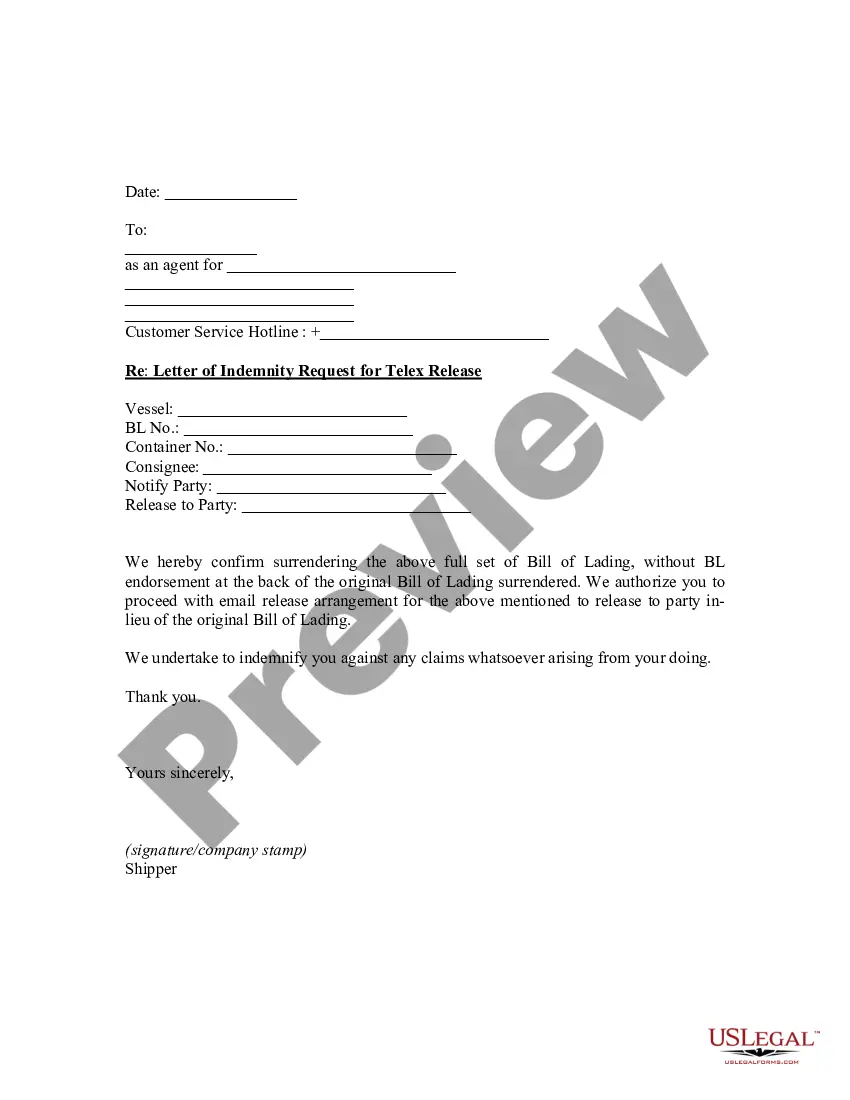
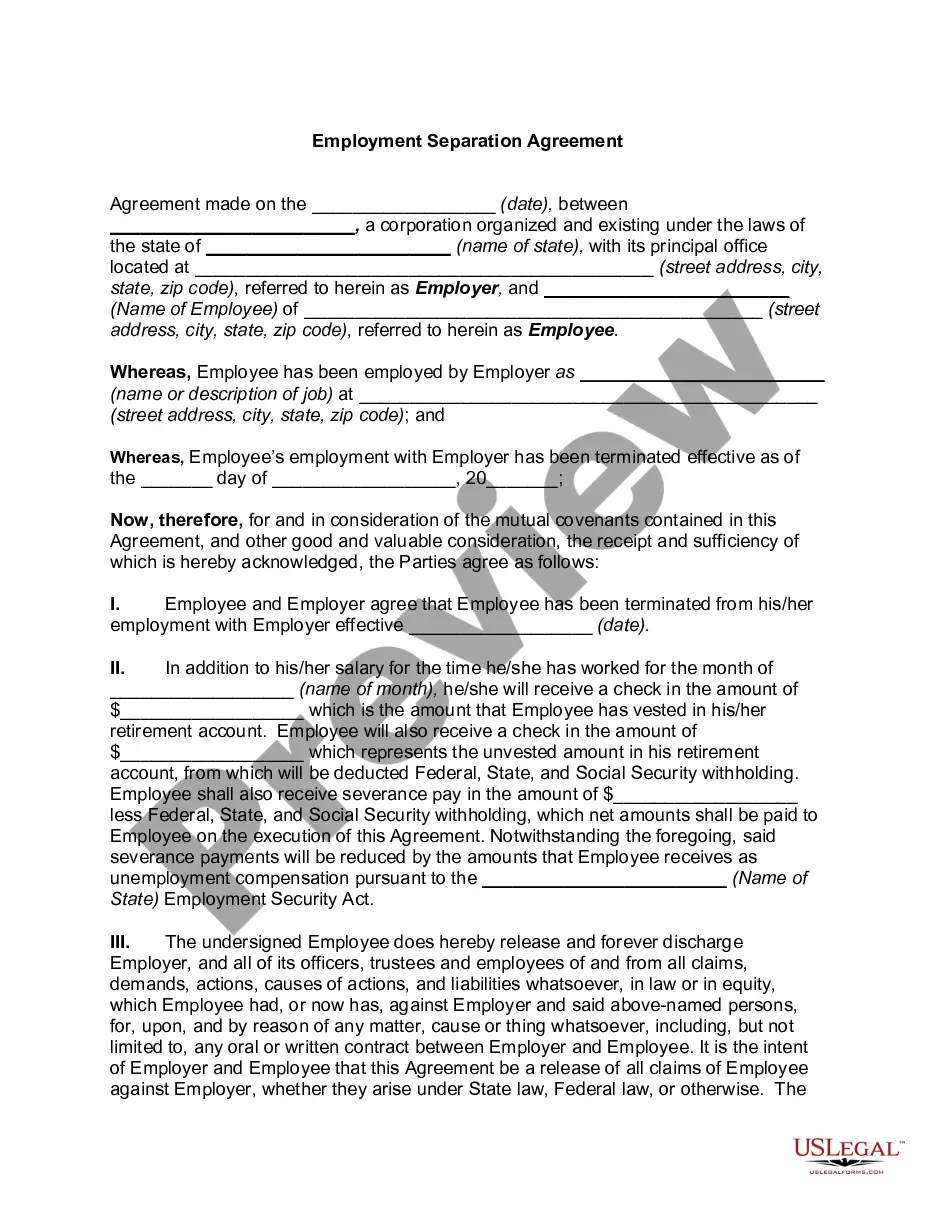

Form popularity
FAQ
Homeowners' exemption If you own and occupy your home as your principal place of residence, you may be eligible for an exemption of up to $7,000 off the dwelling's assessed value, resulting in a property tax savings of approximately $70 to $80 annually.
Disabled Veterans Exemption If you are a veteran who is rated 100% service-connected disabled by the Veterans Administration (or if you are the surviving spouse of such a veteran), you may be eligible for an exemption of up to $150,000 of the assessed value of your principal place of residence.
Eligible resident veterans with a VA certified service-connected disability of 10 percent or greater shall be entitled to a $5,000 property tax exemption. The veteran must establish this exemption with the county tax official in the county in which he or she resides by providing documentation of this disability.
Florida State Benefits for 100% Disabled Veterans Veterans Homes. Basic Property Tax Exemptions. Homestead Exemption. Florida Driver's License/ License Plates/ Disabled Parking Permit. Florida Veteran Hiring Preference For Government Jobs. Congressman C.W. Bill Young Tuition Waiver Program. Purple Heart Recipient Waivers.
Homestead Exemption: Every person who has legal or equitable title to real property in the State of Florida and who resides thereon and in good faith makes it his or her permanent home is eligible to receive a homestead exemption of up to $50,000. The first $25,000 applies to all property taxes.
Florida Statute 196.24 provides an exemption of up to $5,000 off the property value of an ex-service member who is a permanent resident of Fl, was discharged honorably and who has a disability of at least 10 percent from wartime service or misfortune.
Required Documentation for Homestead Exemption Application Your recorded deed or tax bill. Florida Drivers License or Identification Card. Will need to provide ID# and issue date. Vehicle Registration. Will need to provide tag # and issue date. Permanent Resident Alien Card. Will need to provide ID# and issue date.
Your Homestead will become effective on January 1st of the year FOLLOWING the year in which you ESTABLISHED your Homestead, SO LONG as you FILE for Homestead no later than March 1st of the year following the year in which you established your Homestead.
Filing Instructions for the $5,000 Disabled Veteran Exemption: You must present a certificate from the U.S. Government or U.S. Department of Veterans Affairs, along with a signed request for the exemption and proof of Florida residence to our office. There is no additional application or form to fill out.
Please Note: We are currently accepting E-file applications for the tax year 2025 only. To be eligible for homestead exemption, you must be a permanent resident of Florida, who owns real property as of January 1 of the year in which you are applying.

