Homestead Exemption Forms With Veterans With Disabilities In San Diego
Description





Get your form ready online
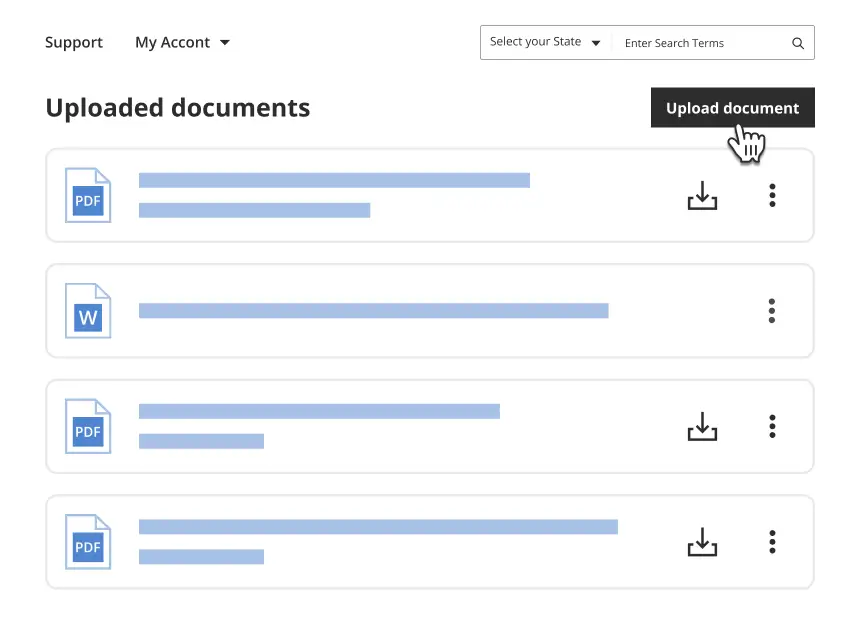
Our built-in tools help you complete, sign, share, and store your documents in one place.
Make edits, fill in missing information, and update formatting in US Legal Forms—just like you would in MS Word.
Download a copy, print it, send it by email, or mail it via USPS—whatever works best for your next step.
Sign and collect signatures with our SignNow integration. Send to multiple recipients, set reminders, and more. Go Premium to unlock E-Sign.
If this form requires notarization, complete it online through a secure video call—no need to meet a notary in person or wait for an appointment.
We protect your documents and personal data by following strict security and privacy standards.
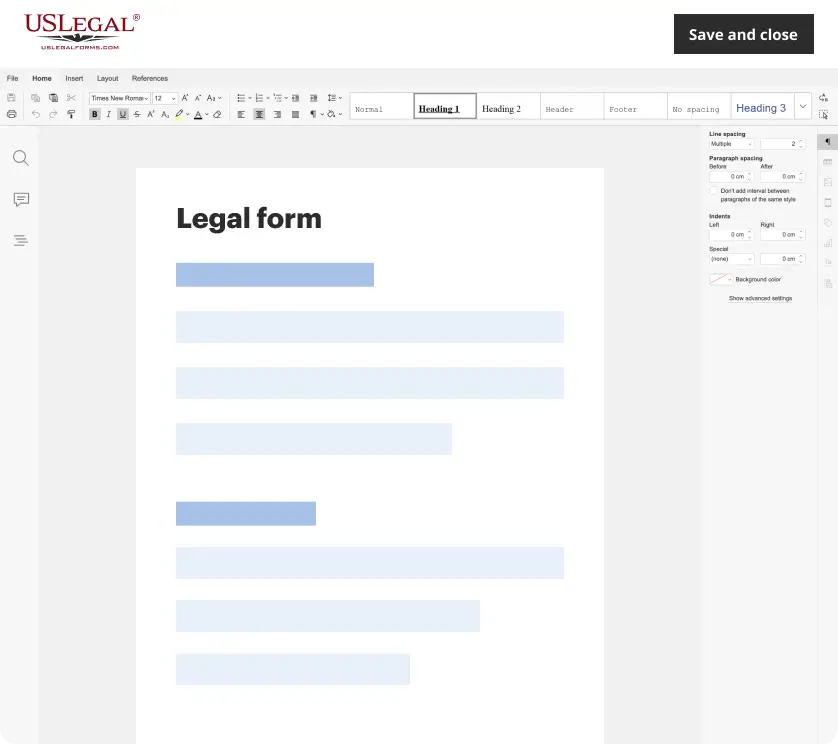
Make edits, fill in missing information, and update formatting in US Legal Forms—just like you would in MS Word.
Download a copy, print it, send it by email, or mail it via USPS—whatever works best for your next step.
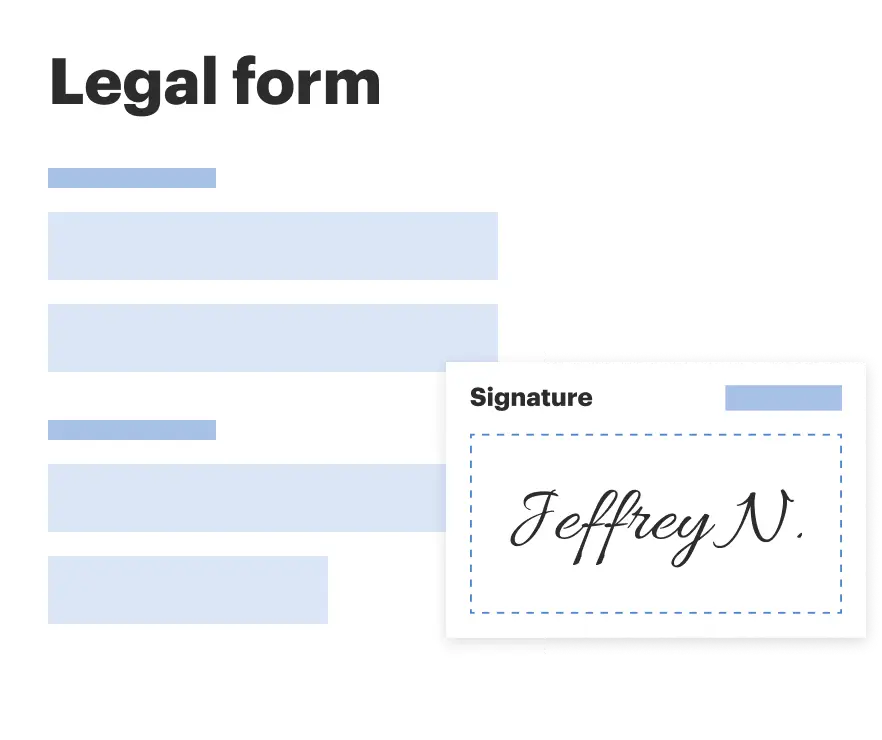
Sign and collect signatures with our SignNow integration. Send to multiple recipients, set reminders, and more. Go Premium to unlock E-Sign.
If this form requires notarization, complete it online through a secure video call—no need to meet a notary in person or wait for an appointment.
We protect your documents and personal data by following strict security and privacy standards.
Looking for another form?


Form popularity
FAQ
To claim the exemption, the homeowner must make a one-time filing with the county assessor where the property is located. The claim form, BOE-266, Claim for Homeowners' Property Tax Exemption, is available from the county assessor.
There are two levels of the Disabled Veterans' Exemption: Basic Exemption – $175,298, available to all eligible (only required to apply once) Low-Income Exemption – $262,950, available to those who have a combined household income of $78,718 or less for the previous year (must apply each year)
The State Controller's Property Tax Postponement Program allows homeowners who are seniors, are blind, or have a disability to defer current-year property taxes on their principal residence if they meet certain criteria, including at least 40 percent equity in the home and an annual household income of $53,574 or less ...
Yes, the veteran can apply for the Disabled veteran's exemption at the property as long as it's their primary place of residence and they provide a copy of the marriage certificate.
The claim form, BOE-261-G, Claim for Disabled Veterans' Property Tax Exemption, must be obtained from your local county assessor's office and may be available on their website. You may find your assessor's contact information by visiting the Listing of County Assessors page.
Homeowners can check their eligibility, apply for property tax relief, and obtain information in several additional languages at CaMortgageRelief. For assistance, please contact (888) 840-2594 or info@camortgagerelief.
The protected amount is called the “homestead exemption.” All homeowners automatically have a homeowner's exemption, which protects part of their equity from involuntary sales (foreclosures). Recording a declaration of ownership extends this protection to voluntary sales.
California's Homestead Exemption is generous, but declaring a homestead protects equity for voluntary sales or refinancing Complete a homestead declaration form. Sign your declaration in front of a notary. Record the homestead declaration form with your county recorder's office.

