Homestead Exemption Forms With Persons With Disabilities In Minnesota
Description





Get your form ready online
Our built-in tools help you complete, sign, share, and store your documents in one place.
Make edits, fill in missing information, and update formatting in US Legal Forms—just like you would in MS Word.
Download a copy, print it, send it by email, or mail it via USPS—whatever works best for your next step.
Sign and collect signatures with our SignNow integration. Send to multiple recipients, set reminders, and more. Go Premium to unlock E-Sign.
If this form requires notarization, complete it online through a secure video call—no need to meet a notary in person or wait for an appointment.
We protect your documents and personal data by following strict security and privacy standards.

Make edits, fill in missing information, and update formatting in US Legal Forms—just like you would in MS Word.

Download a copy, print it, send it by email, or mail it via USPS—whatever works best for your next step.

Sign and collect signatures with our SignNow integration. Send to multiple recipients, set reminders, and more. Go Premium to unlock E-Sign.

If this form requires notarization, complete it online through a secure video call—no need to meet a notary in person or wait for an appointment.

We protect your documents and personal data by following strict security and privacy standards.
Looking for another form?


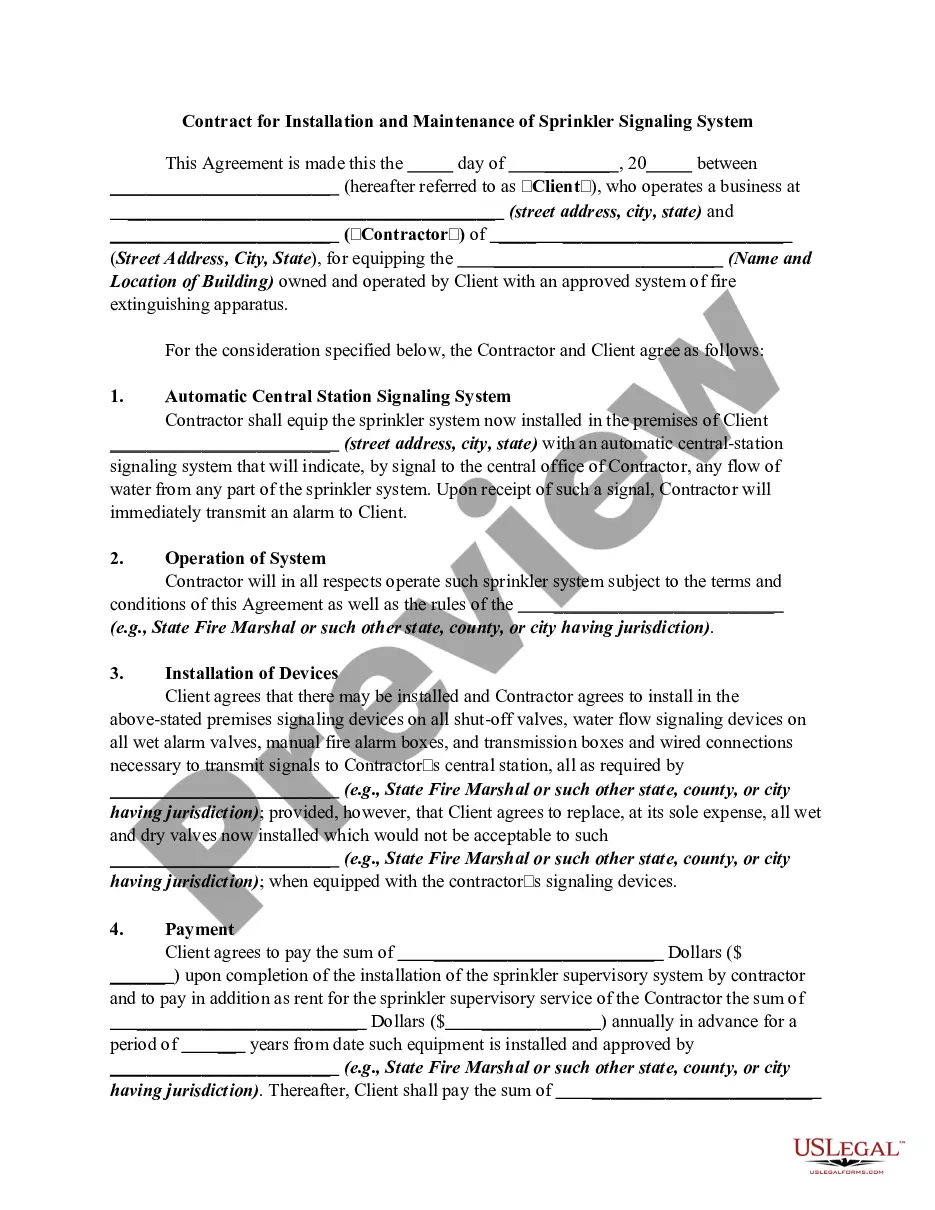
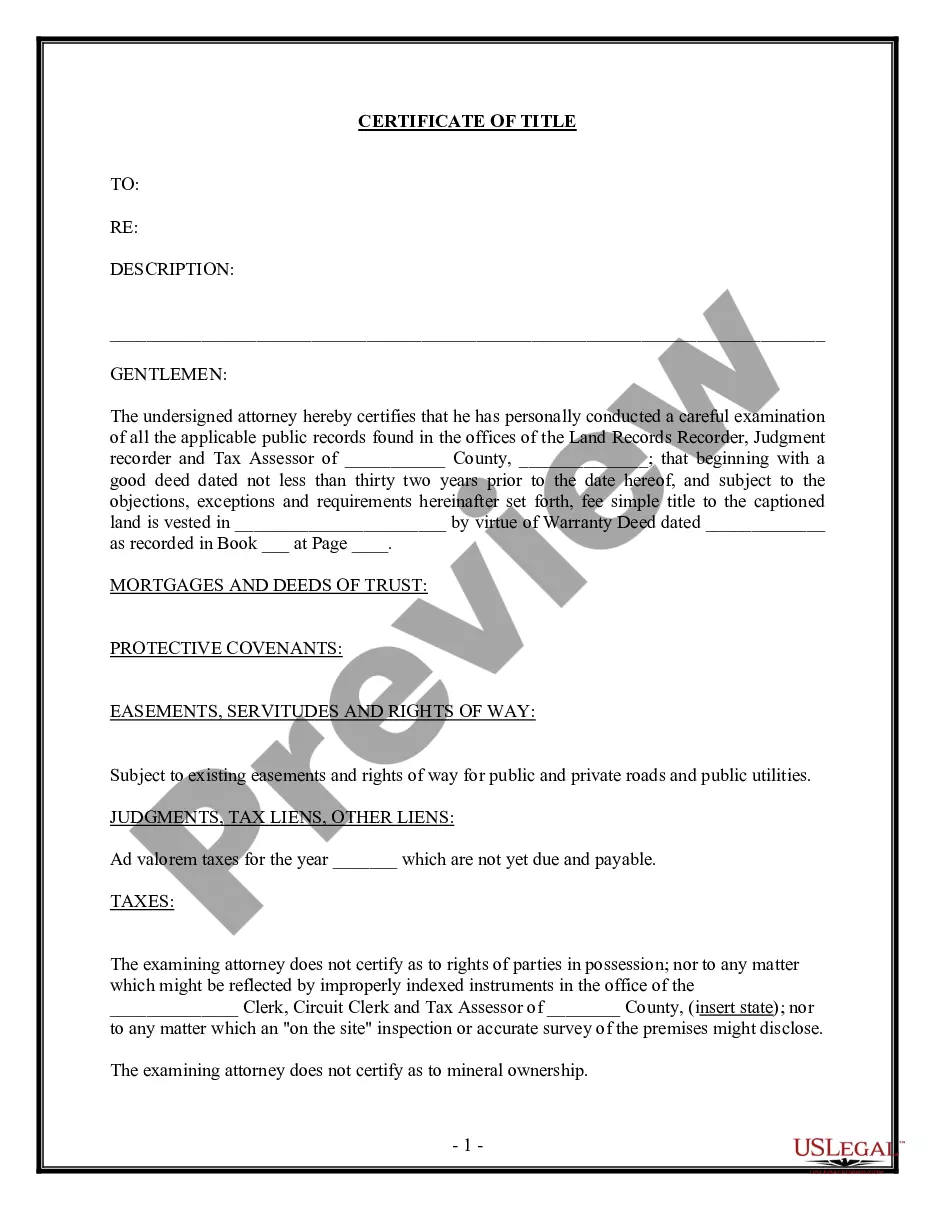




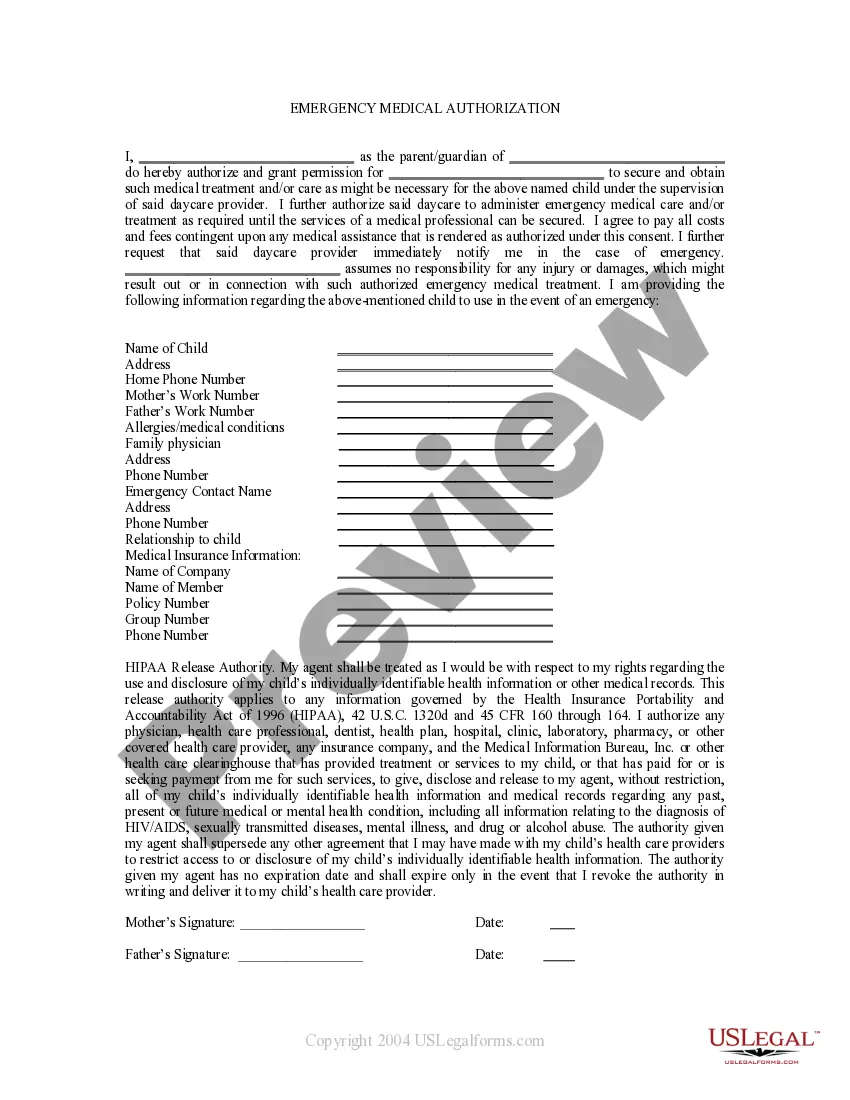

Form popularity
FAQ
You may qualify for homestead if you answer yes to any of these statements: You are a Minnesota resident. You own the property in your own name — not as a business entity. You live in the property year-round.
The Minnesota Code is a classification system for the electrocardiogram that utilizes a defined set of measurement rules to assign specific numerical codes ing to severity of ECG findings. The Minnesota Code, developed in the late 1950s by Dr.
The Minnesota Land Cover Classification System (MLCCS) is a tool that fills an important informational niche for natural resource managers and planners: it categorizes urban and built-up areas in terms of land cover rather than land use.
What is this special classification? The “1b” classification provides a reduced class rate for homestead property of any person who qualifies as blind or as permanently and totally disabled. The 1b property tax classification provides a reduction in property taxes.
Part or all of a taxpayer's Social Security benefits are exempt from Minnesota's income tax. Federal law exempts from taxation 15 percent to 100 percent of each taxpayer's Title II Social Security benefits, also known as Old-age, Survivors, and Disability Insurance (OASDI) benefits.
Effective beginning with assessment year 2024. EXPLANATION OF THE BILL Under current law, the homestead market value exclusion reduces the taxable market value for all homesteads valued below $413,800. The exclusion is 40% of the first $76,000 of market value, yielding a maximum exclusion of $30,400.
Class Rates for Taxes Payable in 2025 Property TypeClass Rate (%)Tax Code(a) Nonhomestead resorts Up to $500,000 1.0 S2, R Over $500,000 1.25 S2, R Miscellaneous Properties46 more rows
Minnesota's income tax Federal law exempts from taxation 15 percent to 100 percent of each taxpayer's Title II Social Security benefits, also known as Old-age, Survivors, and Disability Insurance (OASDI) benefits.

