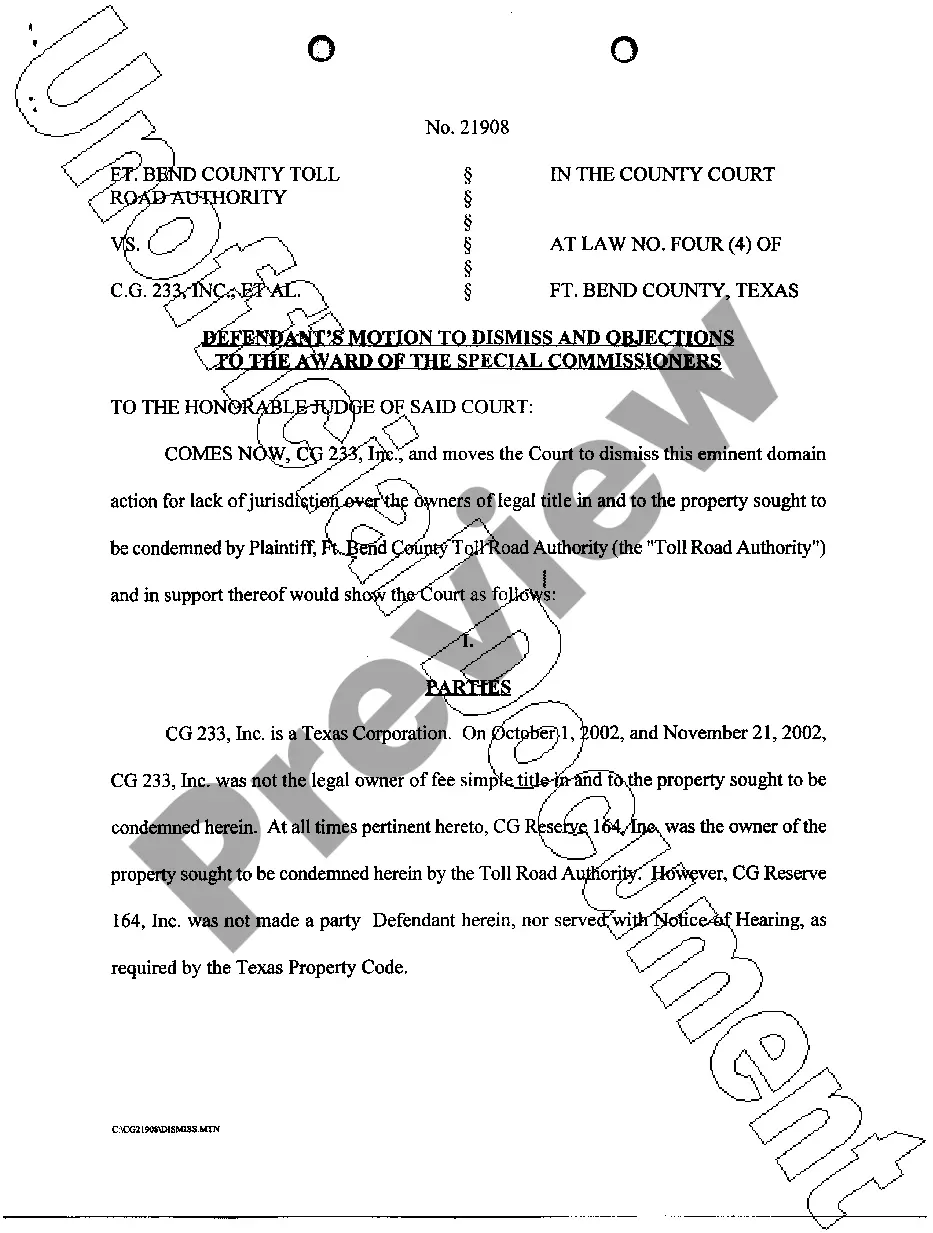
Homestead Exemption Forney In Los Angeles
Description





Get your form ready online
Our built-in tools help you complete, sign, share, and store your documents in one place.
Make edits, fill in missing information, and update formatting in US Legal Forms—just like you would in MS Word.
Download a copy, print it, send it by email, or mail it via USPS—whatever works best for your next step.
Sign and collect signatures with our SignNow integration. Send to multiple recipients, set reminders, and more. Go Premium to unlock E-Sign.
If this form requires notarization, complete it online through a secure video call—no need to meet a notary in person or wait for an appointment.
We protect your documents and personal data by following strict security and privacy standards.

Make edits, fill in missing information, and update formatting in US Legal Forms—just like you would in MS Word.

Download a copy, print it, send it by email, or mail it via USPS—whatever works best for your next step.

Sign and collect signatures with our SignNow integration. Send to multiple recipients, set reminders, and more. Go Premium to unlock E-Sign.

If this form requires notarization, complete it online through a secure video call—no need to meet a notary in person or wait for an appointment.

We protect your documents and personal data by following strict security and privacy standards.
Looking for another form?









Form popularity
FAQ
You must occupy the dwelling as your principal residence as of January 1 of each year to qualify for the Homeowners' Exemption for that year.
You must occupy the dwelling as your principal residence as of January 1 of each year to qualify for the Homeowners' Exemption for that year.
To qualify, you must be a property owner, co-owner, or purchaser named in a contract of sale. You must occupy your home as your principal place of residence as of January 1 of each year.
Declared Homestead. Currently, the California homestead exemption is automatic, meaning that a homestead declaration does not need to be filed with the county clerk. Under the new 2021 law, $300,000–$600,000 of a home's equity cannot be touched by judgment creditors.
WHERE TO FILE: This document, and all supporting documentation, must be filed with the appraisal district in the county in which your property is located. Location and address information for the appraisal district office in your county may be found at comptroller.texas/propertytax/references/directory/cad.
Eligibility Requirements: Homeowners must be age 55 or better (For married couples, only one spouse must be 55 or better to qualify.) Homeowners must have sold their former residence within 2 years of purchasing the replacement property. Both the former and replacement properties must be the owner's primary residence.
Certain properties, or portions of properties, are exempt from taxation under the California Constitution. The most common types are homeowner, disabled veterans, welfare, charitable, and institutional exemptions. Visit the Assessor's Exemption webpage for more information.
The claim form, BOE-266, Claim for Homeowners' Property Tax Exemption, is available from the county assessor. A person filing for the first time on a property may file anytime after the property or claimant becomes eligible, but no later than February 15 to receive the full exemption for that year.
You must occupy the dwelling as your principal residence as of January 1 of each year to qualify for the Homeowners' Exemption for that year.