Homestead Exemption In Wv In Fairfax
Description





Get your form ready online
Our built-in tools help you complete, sign, share, and store your documents in one place.
Make edits, fill in missing information, and update formatting in US Legal Forms—just like you would in MS Word.
Download a copy, print it, send it by email, or mail it via USPS—whatever works best for your next step.
Sign and collect signatures with our SignNow integration. Send to multiple recipients, set reminders, and more. Go Premium to unlock E-Sign.
If this form requires notarization, complete it online through a secure video call—no need to meet a notary in person or wait for an appointment.
We protect your documents and personal data by following strict security and privacy standards.

Make edits, fill in missing information, and update formatting in US Legal Forms—just like you would in MS Word.

Download a copy, print it, send it by email, or mail it via USPS—whatever works best for your next step.

Sign and collect signatures with our SignNow integration. Send to multiple recipients, set reminders, and more. Go Premium to unlock E-Sign.

If this form requires notarization, complete it online through a secure video call—no need to meet a notary in person or wait for an appointment.

We protect your documents and personal data by following strict security and privacy standards.
Looking for another form?
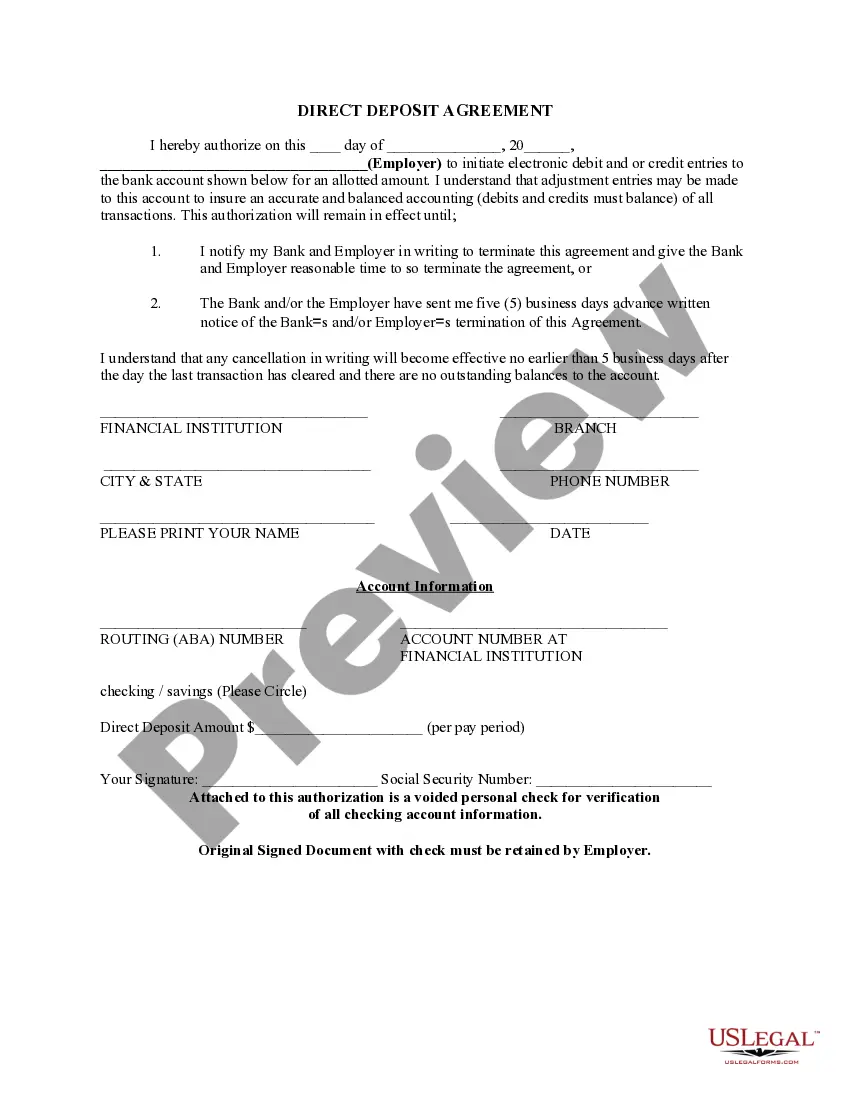





Form popularity
FAQ
Homeowners over age 65, disabled, or legally blind can qualify for an exemption on the “first $50,000 in Fair Market Value” of their primary residence. A variety of tax exemptions are available for the elderly, disabled and veterans.
To qualify, an Ohio resident must own and occupy a home as their principal place of residence as of January 1st of the year they apply, for either real property or manufactured home property.
As a senior citizen, you probably will end up paying property taxes for as long as you are a homeowner. However, depending on the state you live in and often once you hit your 60s (usually around the ages of 61 to 65), you may be eligible for a property tax exemption.
To qualify, seniors generally must be 65 years of age or older and meet certain income limitations and other requirements. For the 50% exemption, the law allows each county, city, town, village, or school district to set the maximum income limit at any figure between $3,000 and $50,000. $58,400 for a 5% exemption.
Virginia homestead laws allow residents to designate up to $5,000 worth of real estate (including mobile homes) as a homestead, plus $500 for each dependent. If a resident is sixty-five years of age or older, or a married couples files for an exemption together, up to $10,000 may be exempted under the homestead laws.
You must own the property and have an equity interest in it. This includes houses, condominiums, co-ops, and mobile homes. Your home equity must fall within the exemption limits for your county: $179,950 for the counties of Kings, Queens, New York, Bronx, Richmond, Nassau, Suffolk, Rockland, Westchester, and Putnam.
Fairfax County provides real estate tax relief and car tax relief to citizens who are either 65 or older, or permanently and totally disabled, and meet the income and asset eligibility requirements. Qualified taxpayers may also be eligible for tax relief for renters.

