Letter Instruction Sample With Greetings In Pennsylvania
Description

Get your form ready online
Our built-in tools help you complete, sign, share, and store your documents in one place.
Make edits, fill in missing information, and update formatting in US Legal Forms—just like you would in MS Word.
Download a copy, print it, send it by email, or mail it via USPS—whatever works best for your next step.
Sign and collect signatures with our SignNow integration. Send to multiple recipients, set reminders, and more. Go Premium to unlock E-Sign.
If this form requires notarization, complete it online through a secure video call—no need to meet a notary in person or wait for an appointment.
We protect your documents and personal data by following strict security and privacy standards.

Make edits, fill in missing information, and update formatting in US Legal Forms—just like you would in MS Word.

Download a copy, print it, send it by email, or mail it via USPS—whatever works best for your next step.

Sign and collect signatures with our SignNow integration. Send to multiple recipients, set reminders, and more. Go Premium to unlock E-Sign.

If this form requires notarization, complete it online through a secure video call—no need to meet a notary in person or wait for an appointment.

We protect your documents and personal data by following strict security and privacy standards.
Looking for another form?






Form popularity
FAQ
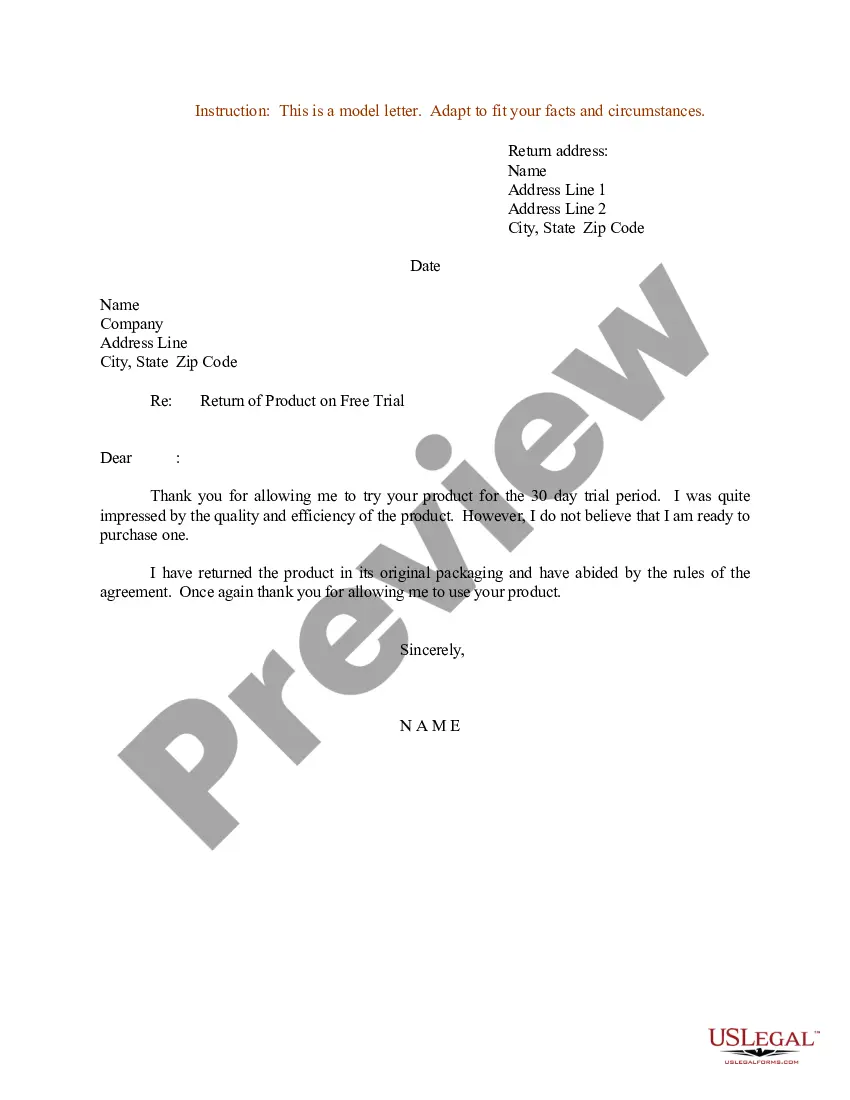
The greeting of a friendly letter always starts with 'Dear' followed by the person's name to whom you are writing the letter. In the below example, the greeting is 'Dear Jason. ' The greeting is followed by a comma, then a skipped line.
Here are six steps to write a letter of instruction: Create a header. Before you write the content of the letter, create a header at the top left-hand corner of the document. Address the reader. Explain the project or task. List each step. Conclude your letter. Revise the document.
Good Morning / Good Afternoon / Good Evening The greetings change depending on the time of the day. For example, “Good morning” is generally used from a.m. to p.m. whereas “Good afternoon” time is from p.m. to p.m. “Good evening” is often used after 6 p.m. or when the sun goes down.
To formally greet someone in writing, some common options include: ``Dear (Name),'' ``Greetings (Name),'' ``To (Name),'' ``Honourable (Name),'' The choice depends on the level of formality. ``Dear (Name)'' is a standard formal greeting. ``Greetings (Name)'' is slightly more formal.
The Salutation The salutation (or greeting) in a business letter is always formal. It often begins with “Dear {Person's name}.” Once again, be sure to include the person's title if you know it (such as Ms., Mrs., Mr., or Dr). If you're unsure about the person's title or gender then just use their first name.
Dear Recipient's Name, Sending you my warmest greetings and best wishes. Hope this letter finds you in good health and high spirits. Looking forward to hearing from you soon.
Start with Dear followed by the first name of the person to whom you are writing. In emails, you can also start with Hi (and the person's name), or just the person's name. The words and expressions below are often used by native speakers when writing to friends and relatives.
The standard format is the same: the word “Dear” followed by the person's name, as in “Dear Mr. Lestrade,” using title capitalization. However, informal letters provide more freedom when it comes to what you say in your greeting, and it's not uncommon to see casual greetings like, “Hi Name,” or “Hello Name.”
To formally greet someone in writing, some common options include: ``Dear (Name),'' ``Greetings (Name),'' ``To (Name),'' ``Honourable (Name),'' The choice depends on the level of formality. ``Dear (Name)'' is a standard formal greeting. ``Greetings (Name)'' is slightly more formal.
