Letter Instruction Sample For Scholarship Application In Ohio
Description

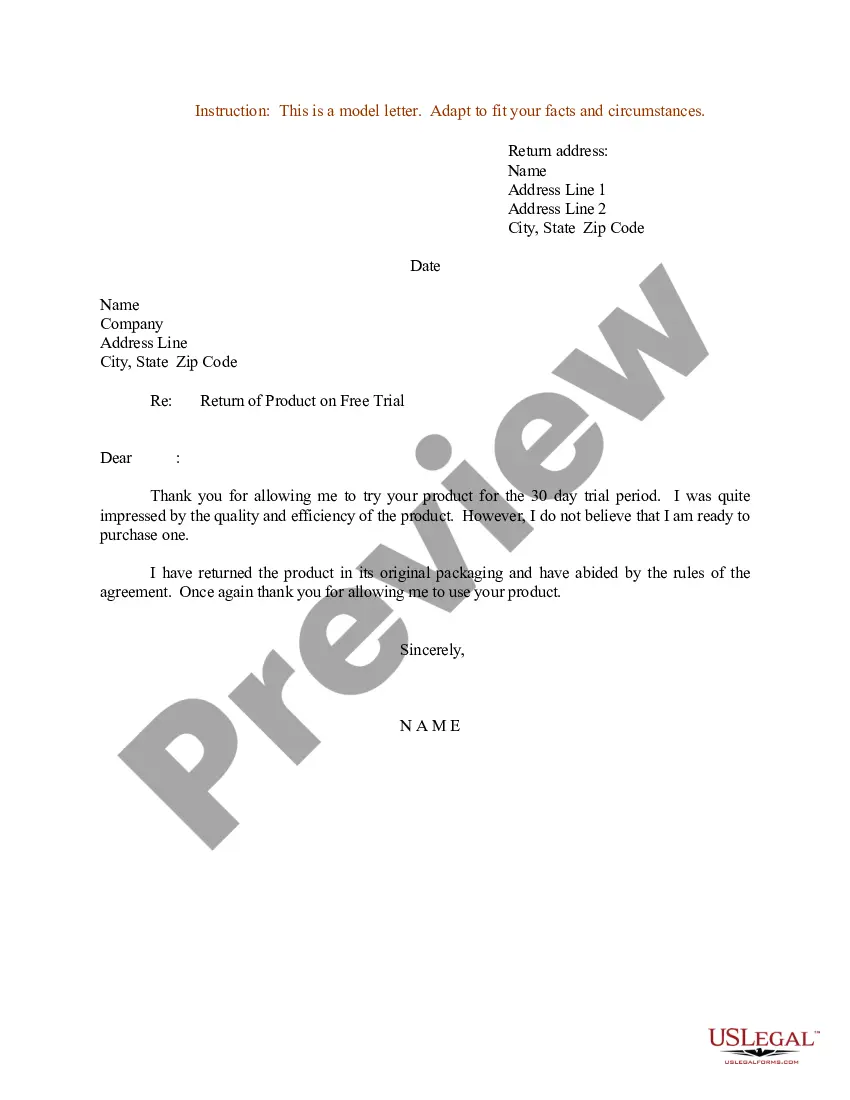
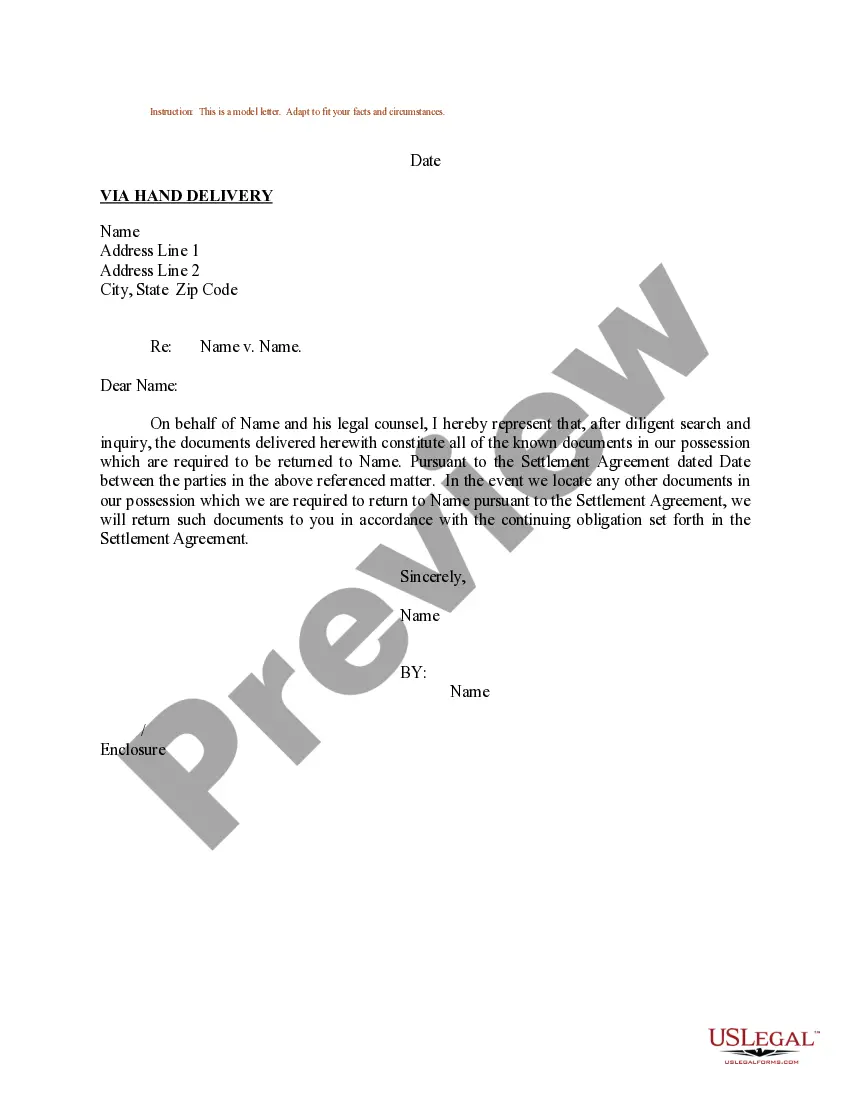
Get your form ready online
Our built-in tools help you complete, sign, share, and store your documents in one place.
Make edits, fill in missing information, and update formatting in US Legal Forms—just like you would in MS Word.
Download a copy, print it, send it by email, or mail it via USPS—whatever works best for your next step.
Sign and collect signatures with our SignNow integration. Send to multiple recipients, set reminders, and more. Go Premium to unlock E-Sign.
If this form requires notarization, complete it online through a secure video call—no need to meet a notary in person or wait for an appointment.
We protect your documents and personal data by following strict security and privacy standards.

Make edits, fill in missing information, and update formatting in US Legal Forms—just like you would in MS Word.

Download a copy, print it, send it by email, or mail it via USPS—whatever works best for your next step.

Sign and collect signatures with our SignNow integration. Send to multiple recipients, set reminders, and more. Go Premium to unlock E-Sign.

If this form requires notarization, complete it online through a secure video call—no need to meet a notary in person or wait for an appointment.

We protect your documents and personal data by following strict security and privacy standards.
Looking for another form?









Form popularity
FAQ
Scholarship cover letters aim to show the review committee why you're the best candidate for a scholarship and how the award might benefit your studies. When drafting your letter, include a thoughtful introduction, body paragraphs detailing your academic and extracurricular achievements and a confident conclusion.
Scholarships for EdChoice Expansion are awarded based on the Adjusted Gross Income (AGI) of a family's household. If a family's household income is at or below 450 percent of the Federal Poverty Level, they will be awarded the maximum scholarship amount.
Salutation: Use a formal greeting, such as ``Dear Scholarship Committee'' or ``Dear (Specific Name/Title if known).'' State Your Purpose: Clearly indicate that you are applying for the scholarship. Hook the Reader: Start with a compelling statement or story that grabs attention.
How to write a scholarship application letter Review the organization's requirements. Include your contact information. Introduce yourself and why you're applying. Discuss your major accomplishments. List your unique skills or qualities. Express your interest in your education or career. Conclude and thank the reader.
Even if you do not know the name of the recipient, you should still address your cover letter in a formal and courteous manner. Avoid using casual or informal salutations such as “Hi” or “Hello” and use a more appropriate salutation such as “To Whom It May Concern” or “Dear Selection Committee”.
Begin the first paragraph of your application letter by introducing yourself to the scholarship review committee. Include information such as your current or prospective college major, your professional goals and what potentially receiving the funding means to you.
A scholarship application cover letter is similar to the cover letter that job applicants include in the submission of their application to a position. It is a letter that the student addresses to the scholarship committee to convince them that they are deserving of a grant (Staff Author, 2019).
Open with a formal salutation. To Whom It May Concern and Dear Scholarship Committee are both acceptable salutations.
Salutation: Use a formal greeting, such as ``Dear Scholarship Committee'' or ``Dear (Specific Name/Title if known).'' State Your Purpose: Clearly indicate that you are applying for the scholarship. Hook the Reader: Start with a compelling statement or story that grabs attention.
