Letter Instruction Sample For Financial Assistance In Fulton
Description

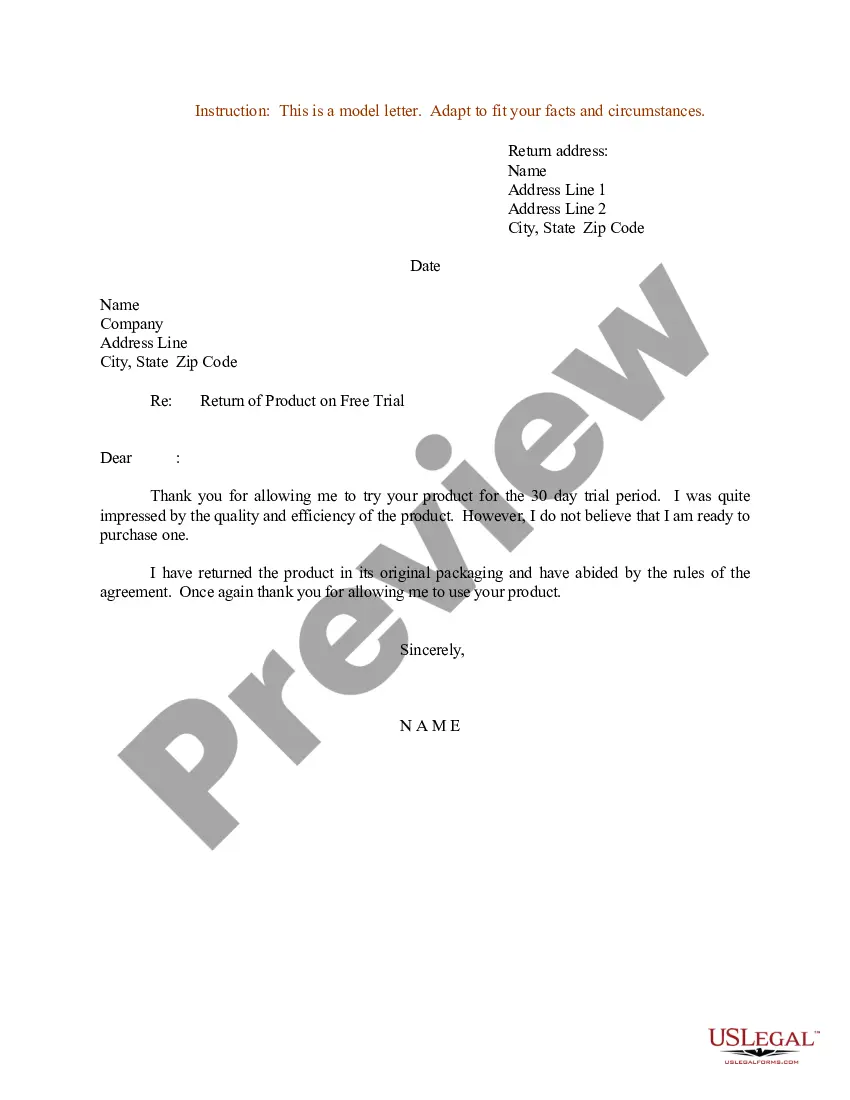
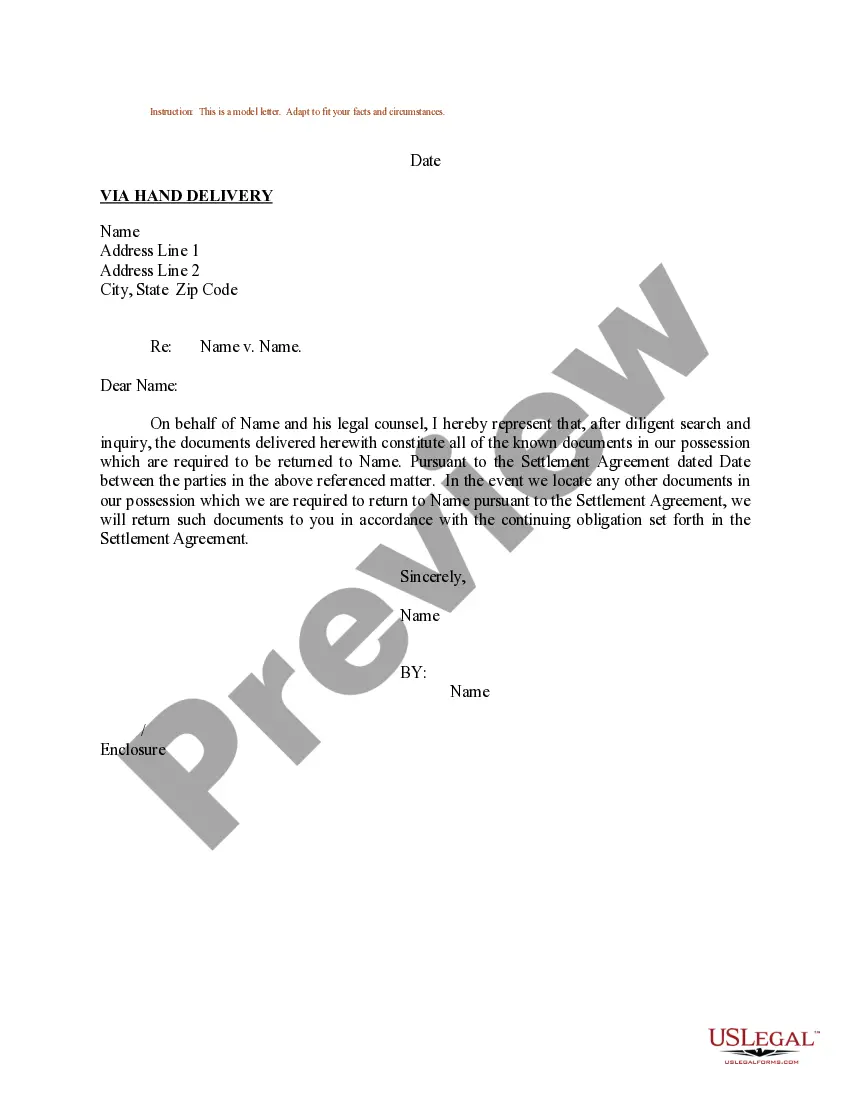
Get your form ready online
Our built-in tools help you complete, sign, share, and store your documents in one place.
Make edits, fill in missing information, and update formatting in US Legal Forms—just like you would in MS Word.
Download a copy, print it, send it by email, or mail it via USPS—whatever works best for your next step.
Sign and collect signatures with our SignNow integration. Send to multiple recipients, set reminders, and more. Go Premium to unlock E-Sign.
If this form requires notarization, complete it online through a secure video call—no need to meet a notary in person or wait for an appointment.
We protect your documents and personal data by following strict security and privacy standards.

Make edits, fill in missing information, and update formatting in US Legal Forms—just like you would in MS Word.

Download a copy, print it, send it by email, or mail it via USPS—whatever works best for your next step.

Sign and collect signatures with our SignNow integration. Send to multiple recipients, set reminders, and more. Go Premium to unlock E-Sign.

If this form requires notarization, complete it online through a secure video call—no need to meet a notary in person or wait for an appointment.

We protect your documents and personal data by following strict security and privacy standards.
Looking for another form?



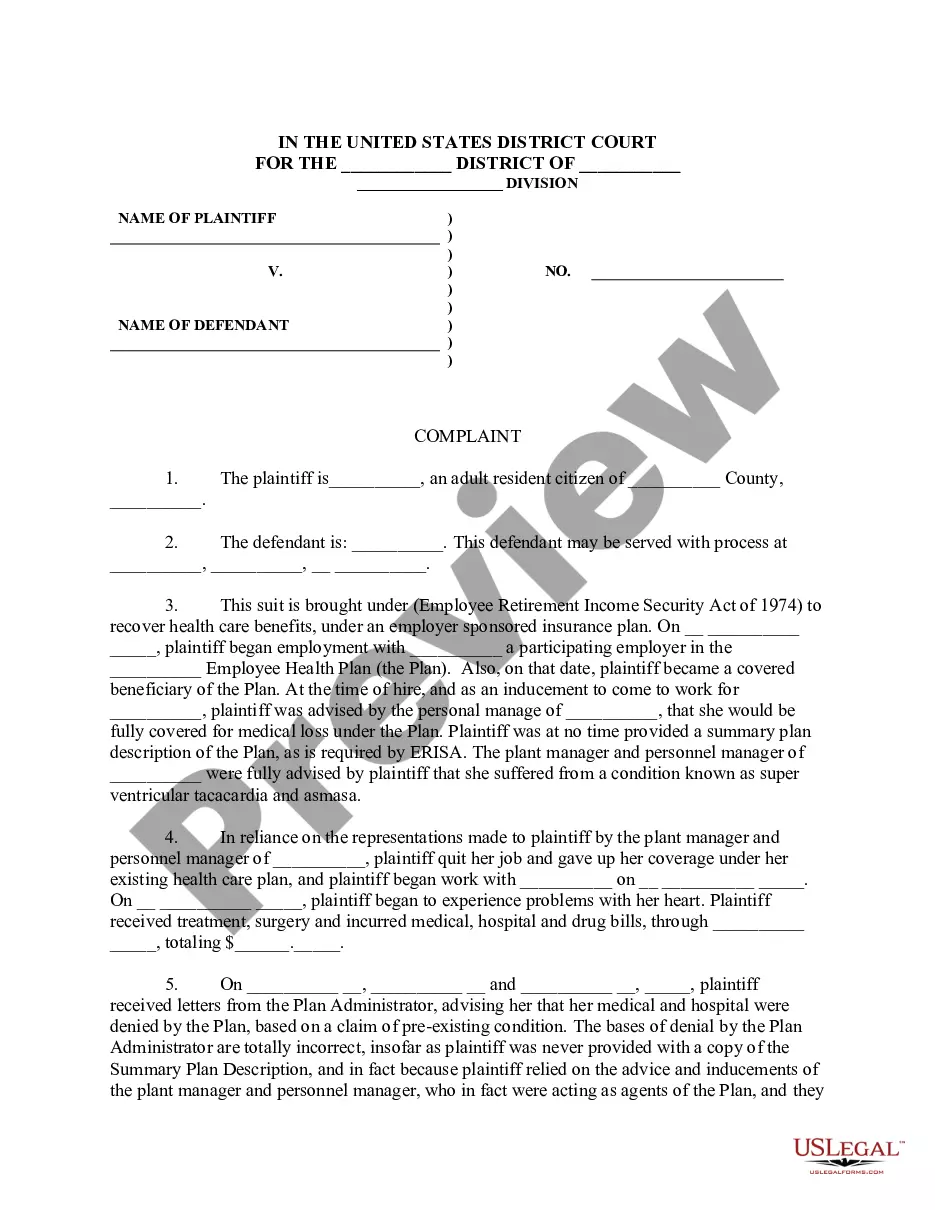
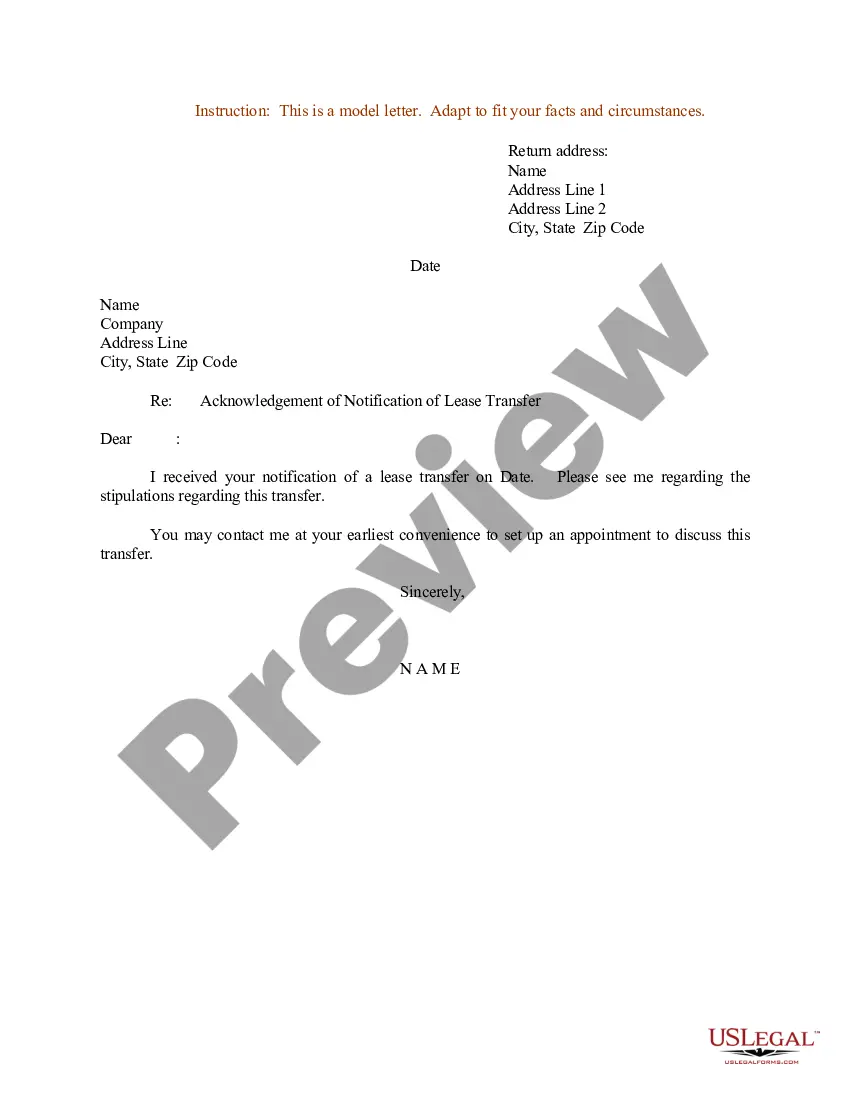



Form popularity
FAQ
Basic Contents of a Letter of Instruction Firstly, it contains personal information, such as the executor's names and contact details. Secondly, it goes into specifics about the deceased's assets, delineating bank accounts, safety deposit boxes, and real estate properties, among other assets.
In the body of your letter, explain your financial need in detail and how the assistance you are requesting will help you overcome your financial difficulties. Provide specific examples of how the funds will be used and how they will make a difference in your life.
It's not a replacement for a will, and in fact it's not even a legal document. But it can be incorporated into the necessary legal documents as a guide and the key to making sure everything is accounted for and accessible to the family members left behind.
Your letter of instruction should include add-on directions for anything you said in your will. Think of it as step-by-step instructions for the person settling your estate, written without all the legal jargon wills sometimes have.
- Briefly introduce yourself and state the purpose of the letter. - Explain your situation and why you need financial support. - Provide any relevant details, such as your financial circumstances, goals, and how the funds will be used. - Thank the recipient for considering your request.
It's a good way to let to those trusted to take care of your affairs know what you would want them to know. Since the letter of instruction is not a legal document, it does not need to be notarized or signed in the presence of witnesses or with any other special formality.
The key components of a letter of appeal for financial support typically include: Introduction. Start with a polite greeting and introduce yourself. Background. Provide context about your situation. Financial Details. Request for Support. Closing. Request Feedback. Explore Alternative Options. Reassess Your Situation.
A letter of instruction is an informal letter to an executor, personal representative, and/or other family members that provides important information about your assets and final wishes after death.
Your letter should clearly state the facts of your family's financial situation and your financial need. It should explain why you need additional aid, even if the reason is something you find difficult or even embarrassing to talk about. Be candid and honest about your family finances.
