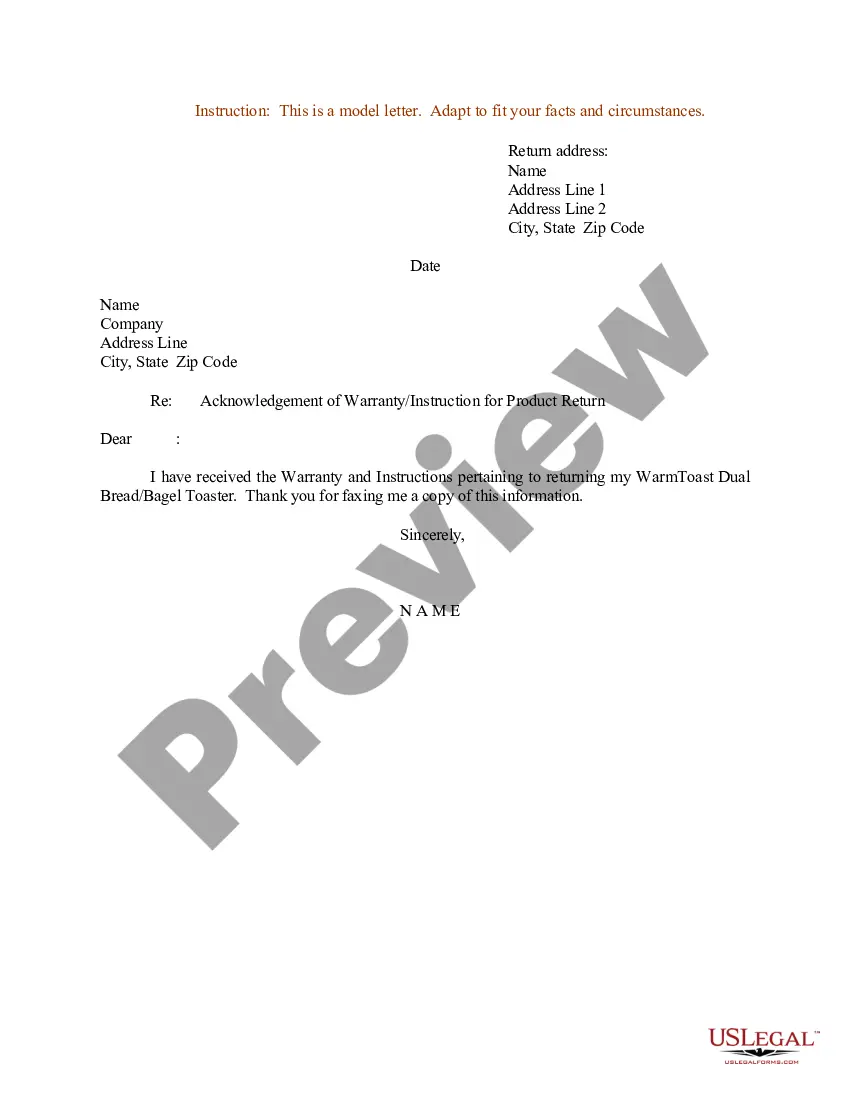
Letter Instruction Sample With Greetings In Fairfax
Description

Get your form ready online
Our built-in tools help you complete, sign, share, and store your documents in one place.
Make edits, fill in missing information, and update formatting in US Legal Forms—just like you would in MS Word.
Download a copy, print it, send it by email, or mail it via USPS—whatever works best for your next step.
Sign and collect signatures with our SignNow integration. Send to multiple recipients, set reminders, and more. Go Premium to unlock E-Sign.
If this form requires notarization, complete it online through a secure video call—no need to meet a notary in person or wait for an appointment.
We protect your documents and personal data by following strict security and privacy standards.

Make edits, fill in missing information, and update formatting in US Legal Forms—just like you would in MS Word.

Download a copy, print it, send it by email, or mail it via USPS—whatever works best for your next step.

Sign and collect signatures with our SignNow integration. Send to multiple recipients, set reminders, and more. Go Premium to unlock E-Sign.

If this form requires notarization, complete it online through a secure video call—no need to meet a notary in person or wait for an appointment.

We protect your documents and personal data by following strict security and privacy standards.
Looking for another form?



Form popularity
FAQ
How do I get a letter of testamentary in California? Obtain the deceased person's will and death certificate. Submit a Petition for Probate in the Superior Court in the county where the decedent live by filing Form DE-111, a copy of the will, and your personal identification.
Typically, the process of obtaining letters testamentary can take several weeks to several months, depending on the circumstances. The executor or personal representative must file a petition with the probate court, which will schedule a hearing to appoint the executor and issue the legal document.
Note: Virginia does not issue “letters testamentary”. A qualification certificate stamped with the seal of the Court is issued showing that an executor or administrator has been qualified, posted bond and has authority to act on behalf of the estate.
Note: Virginia does not issue “letters testamentary”. A qualification certificate stamped with the seal of the Court is issued showing that an executor or administrator has been qualified, posted bond and has authority to act on behalf of the estate.