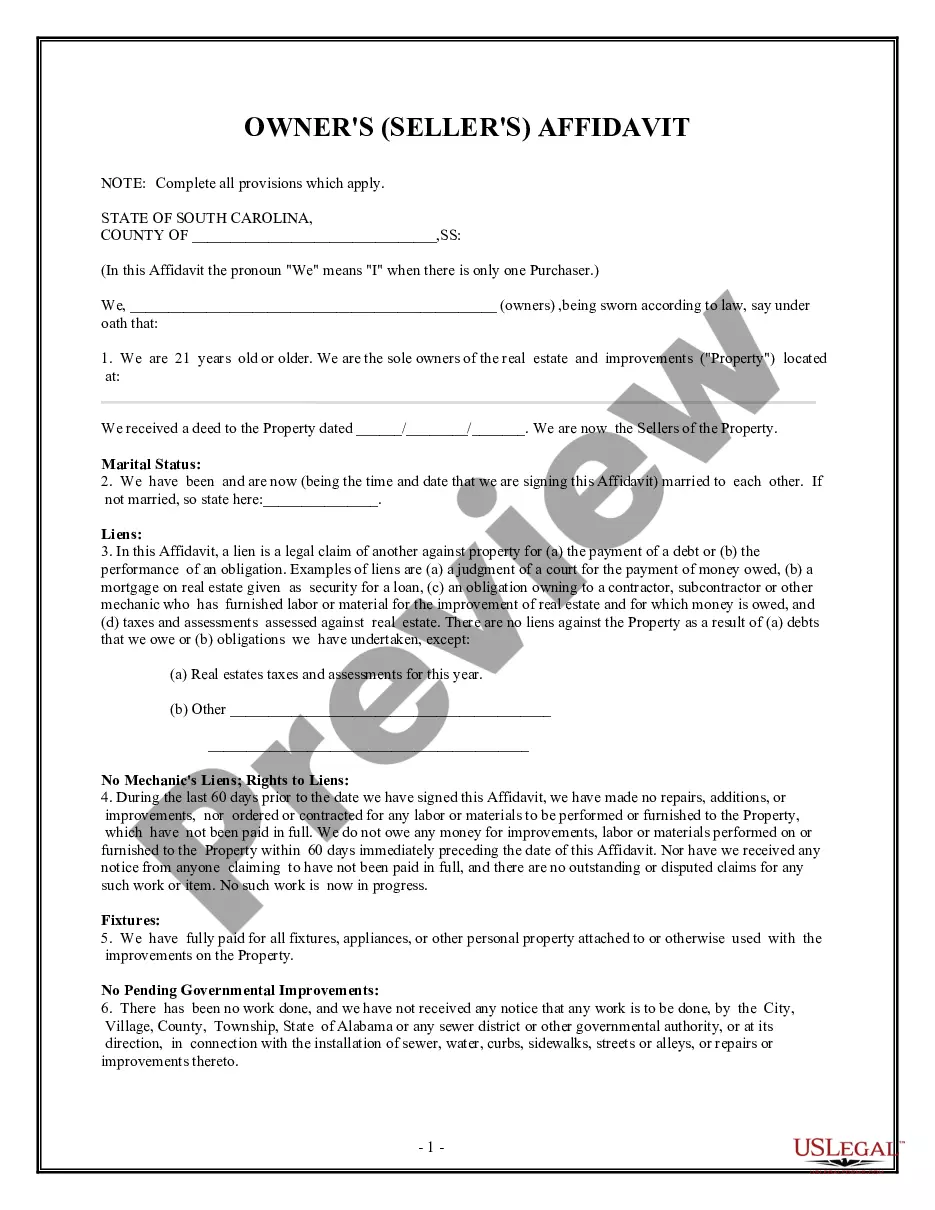
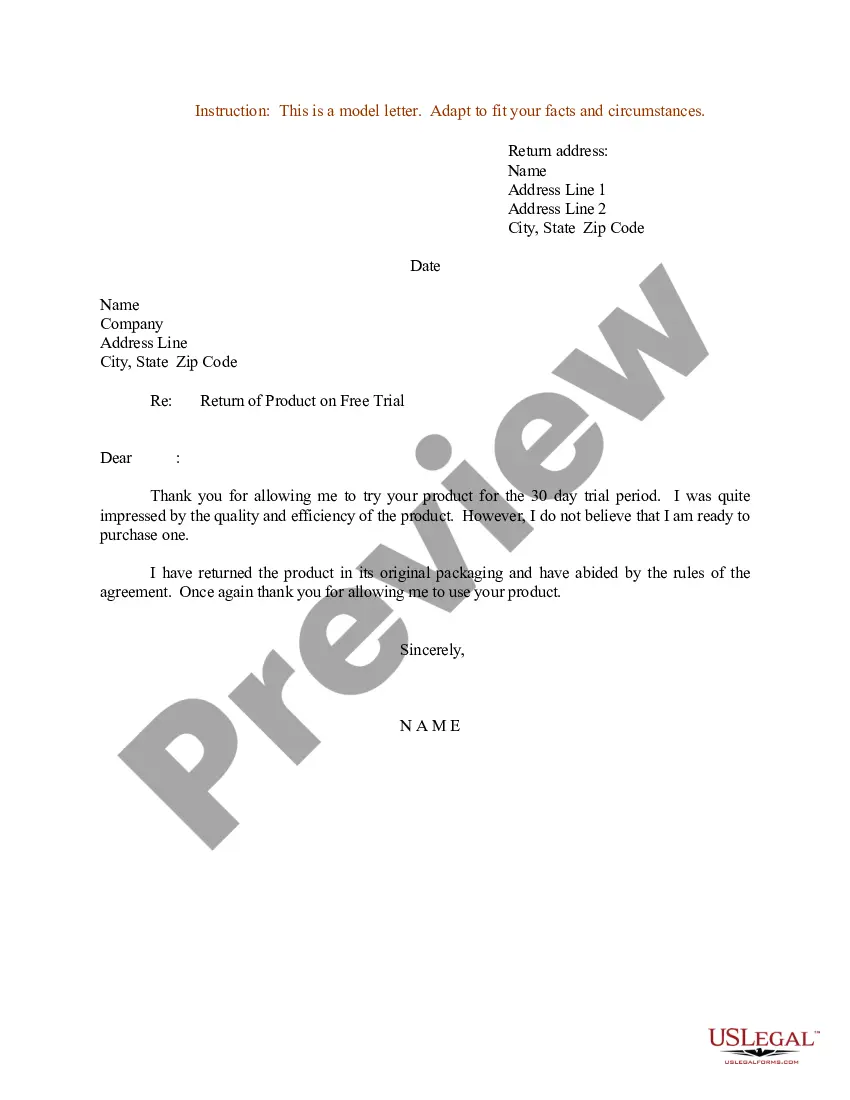
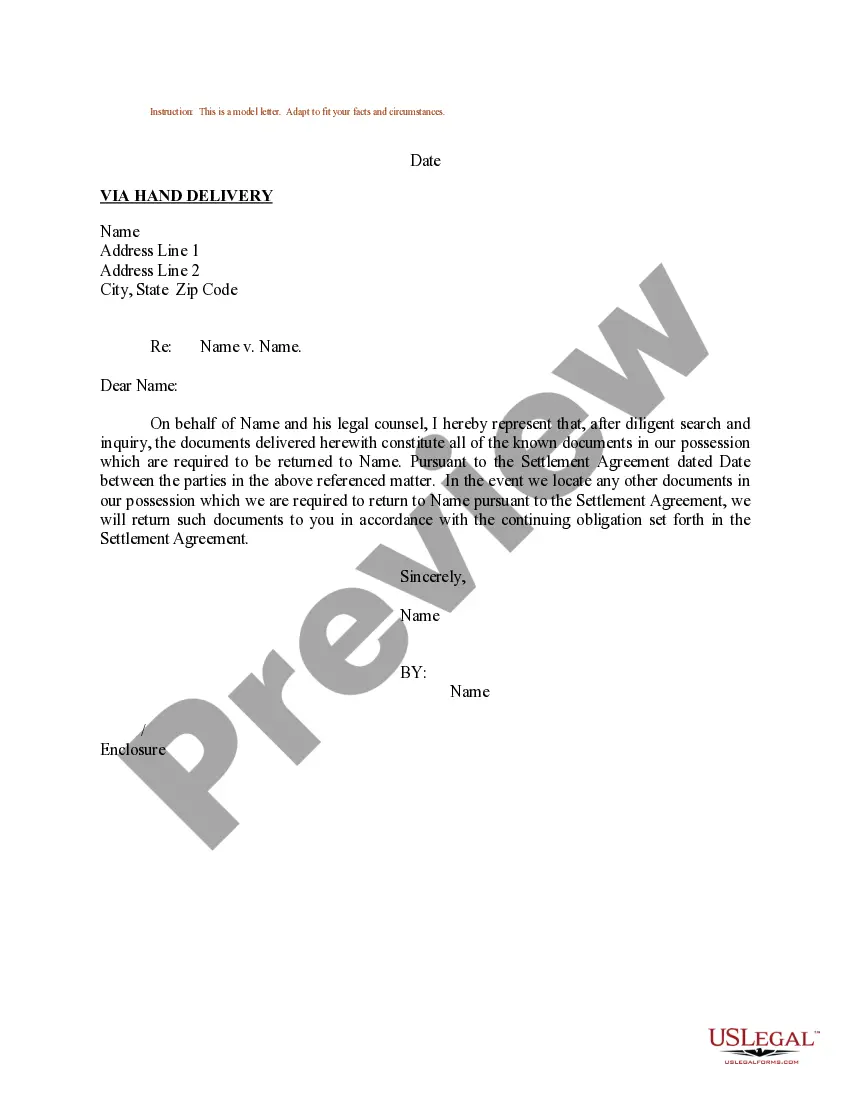
Letter Instruction Sample With Signature In Cuyahoga
Description

Get your form ready online
Our built-in tools help you complete, sign, share, and store your documents in one place.
Make edits, fill in missing information, and update formatting in US Legal Forms—just like you would in MS Word.
Download a copy, print it, send it by email, or mail it via USPS—whatever works best for your next step.
Sign and collect signatures with our SignNow integration. Send to multiple recipients, set reminders, and more. Go Premium to unlock E-Sign.
If this form requires notarization, complete it online through a secure video call—no need to meet a notary in person or wait for an appointment.
We protect your documents and personal data by following strict security and privacy standards.

Make edits, fill in missing information, and update formatting in US Legal Forms—just like you would in MS Word.

Download a copy, print it, send it by email, or mail it via USPS—whatever works best for your next step.

Sign and collect signatures with our SignNow integration. Send to multiple recipients, set reminders, and more. Go Premium to unlock E-Sign.

If this form requires notarization, complete it online through a secure video call—no need to meet a notary in person or wait for an appointment.

We protect your documents and personal data by following strict security and privacy standards.
Looking for another form?









Form popularity
FAQ
The deadline to file a Motion for Reconsideration will be a certain period of time after the judge has issued the order that you would like to have reconsidered or after you are served with the order, often between 14 and 30 days. You may want to speak with a lawyer in your state about the time line to file a motion.
If you want to file a motion, the process is generally something like this: You write your motion. You file your motion with the court clerk. The court clerk inserts the date and time your motion will be heard by the judge. You “serve” (mail) your motion to the other side.
A motion is a written request asking a judge to do something. It also explains why you want that thing. For example, you might file a motion to change your court date. The court responds to your motion by issuing an order.
Except for motions made during a hearing or during trial, motions are required to be in writing. They must also be filed in court and served on the opposing party's attorney (or the party if not represented by counsel). If the motion is contested, the opposing attorneys will also file papers opposing the motion.
Rule 13 - MOTIONS AND MEMORANDA (A)Content. All motions must be in writing. All motions must be served upon opposing counsel, or upon the opposing party if not represented by counsel, and filed with proof of service with the clerk of the court of appeals.
Every pleading, motion, or other document of a party represented by an attorney shall be signed, by electronic signature or by hand, by at least one attorney of record in the attorney's individual name, whose address, attorney registration number, telephone number, facsimile number, if any, and business e-mail address, ...
11.0 HEARING AND SUBMISSION OF MOTIONS If the motion requires consideration of facts not appearing of record, the movant shall serve and file copies of all affidavits, depositions, photographs or documentary evidence which the movant desires to submit in support of the motion.
(A) Ex Parte Orders. No ex parte orders of parenting or visitation shall be granted except where appropriate under the provisions of D.D.R.