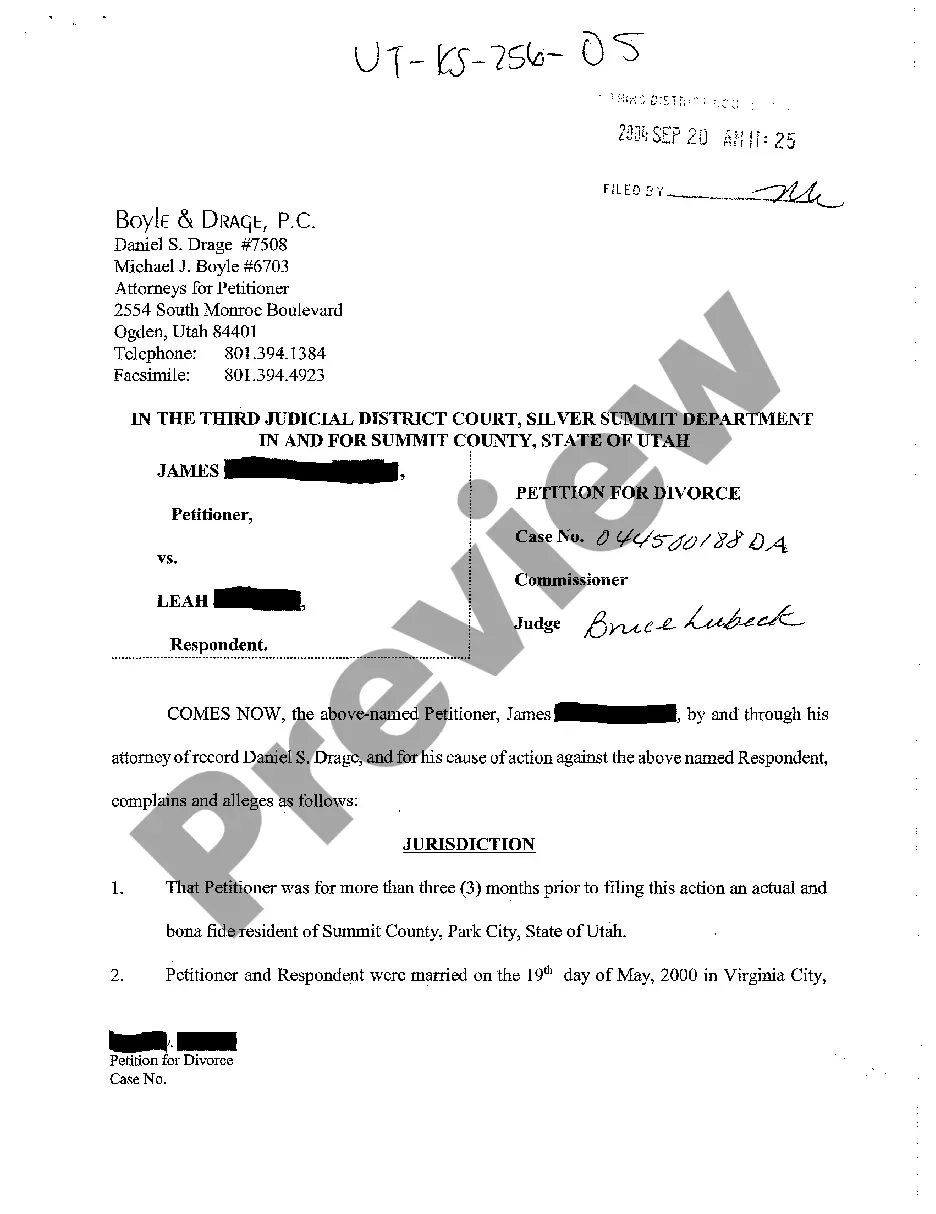
Notice Of Removal Template Forfeiture In Orange
Description
Get your form ready online
Our built-in tools help you complete, sign, share, and store your documents in one place.
Make edits, fill in missing information, and update formatting in US Legal Forms—just like you would in MS Word.
Download a copy, print it, send it by email, or mail it via USPS—whatever works best for your next step.
Sign and collect signatures with our SignNow integration. Send to multiple recipients, set reminders, and more. Go Premium to unlock E-Sign.
If this form requires notarization, complete it online through a secure video call—no need to meet a notary in person or wait for an appointment.
We protect your documents and personal data by following strict security and privacy standards.

Make edits, fill in missing information, and update formatting in US Legal Forms—just like you would in MS Word.

Download a copy, print it, send it by email, or mail it via USPS—whatever works best for your next step.

Sign and collect signatures with our SignNow integration. Send to multiple recipients, set reminders, and more. Go Premium to unlock E-Sign.

If this form requires notarization, complete it online through a secure video call—no need to meet a notary in person or wait for an appointment.

We protect your documents and personal data by following strict security and privacy standards.
Looking for another form?


Form popularity
FAQ
Forfeiture is the process that a state agency uses to seize (take) property from an owner after someone is arrested, charged, or convicted of a specific crime.
Administrative Forfeiture In rem (against the property) action that permits personal property to be forfeited to the United States without filing a case in federal court. The administrative forfeiture process occurs before the agency that seized the assets when no one has filed a claim contesting the seizure.
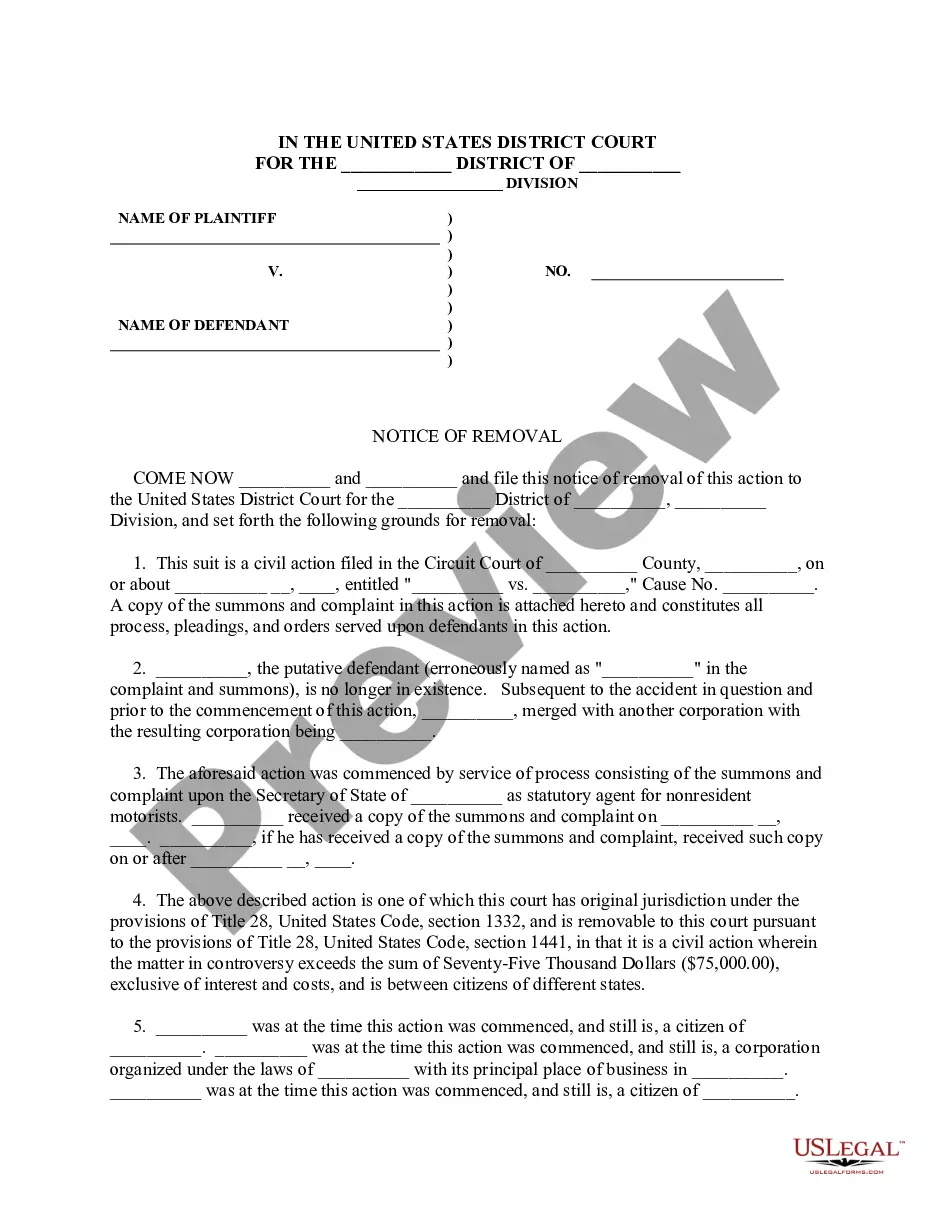
A defendant or defendants desiring to remove any civil action from a State court shall file in the district court of the United States for the district and division within which such action is pending a notice of removal signed pursuant to Rule 11 of the Federal Rules of Civil Procedure and containing a short and plain ...
The notice of removal of a civil action or proceeding shall be filed within 30 days after the receipt by the defendant, through service or otherwise, of a copy of the initial pleading setting forth the claim for relief upon which such action or proceeding is based, or within 30 days after the service of summons upon ...
“Removal” is the process of transferring a lawsuit filed in state court to the United States District Court with jurisdiction over the same area. A defendant can remove a case from state to federal court by filing a notice of removal in federal court and then notifying the state court and the other parties.
(c) A copy of the petition for removal shall be served forthwith upon all parties by the petitioner. Any adverse party may file an answer within 10 days after service. No supplemental petitions, pleadings or responses shall be considered unless requested or approved by the Appeals Board.
Rule 56.1 Statement. Along with the required pre-motion conference request, any party seeking leave to file a motion for summary judgment must also file a Local Rule 56.1 Statement. Each numbered paragraph in the Rule 56.1 Statement must contain only one factual assertion.
(C) 7 days after the notice of removal is filed.