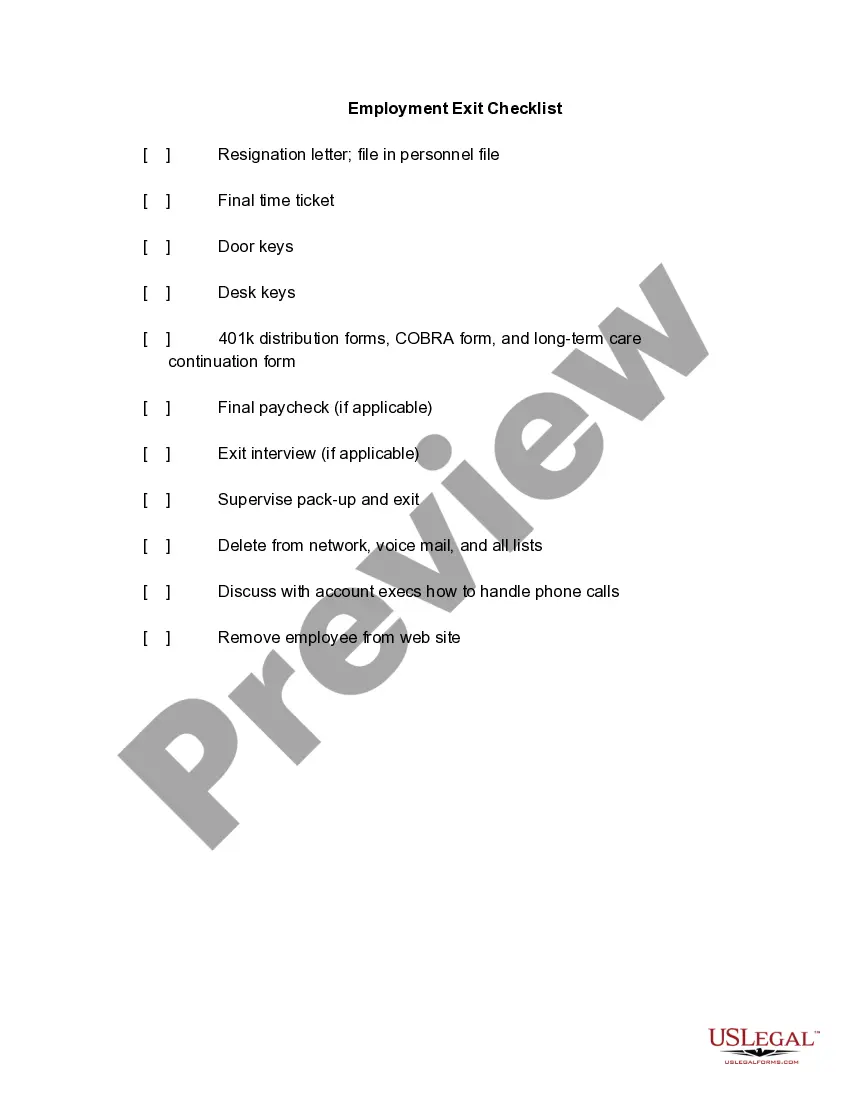
Notice Of Removal Template For Work In Nevada
Description
Get your form ready online
Our built-in tools help you complete, sign, share, and store your documents in one place.
Make edits, fill in missing information, and update formatting in US Legal Forms—just like you would in MS Word.
Download a copy, print it, send it by email, or mail it via USPS—whatever works best for your next step.
Sign and collect signatures with our SignNow integration. Send to multiple recipients, set reminders, and more. Go Premium to unlock E-Sign.
If this form requires notarization, complete it online through a secure video call—no need to meet a notary in person or wait for an appointment.
We protect your documents and personal data by following strict security and privacy standards.

Make edits, fill in missing information, and update formatting in US Legal Forms—just like you would in MS Word.

Download a copy, print it, send it by email, or mail it via USPS—whatever works best for your next step.

Sign and collect signatures with our SignNow integration. Send to multiple recipients, set reminders, and more. Go Premium to unlock E-Sign.

If this form requires notarization, complete it online through a secure video call—no need to meet a notary in person or wait for an appointment.

We protect your documents and personal data by following strict security and privacy standards.
Looking for another form?






Form popularity
FAQ
Nevada law makes it illegal for a landlord to use "self-help evictions." So, for example, a landlord cannot change a tenant's locks without the involvement of the court, the sheriff, or the constable, and a landlord cannot try to force the tenant off the property by making living conditions unbearable.
Nevada law dictates that a tenant has 24-36 hours to vacate the property before they will be removed if their eviction is about nonpayment of rent. There is no specific timeframe for law enforcement officers to evict a tenant for other types of evictions.
Eviction notices do not need to be filed with a court to be valid. The tenant has the designated time in the notice to comply, move out or file a Tenant's Affidavit to contest the eviction. The summary eviction process is detailed in NRS 40.253 and 40.254. Most evictions in Nevada are summary evictions.
Nevada law requires a thirty-day notice to the tenant (or a seven-day notice if the tenant pays rent weekly), followed by a second five-day Notice to Quit for Unlawful Detainer (after the first notice period has elapsed) instructing the tenant to leave because tenant's presence is now unlawful.
While it's certainly possible that a landlord might take retaliatory action during a claim, the good news for tenants is that both state and federal laws make retaliatory conduct, including evictions, illegal.
Nevada law requires a thirty-day notice to the tenant (or a seven-day notice if the tenant pays rent weekly), followed by a second five-day Notice to Quit for Unlawful Detainer (after the first notice period has elapsed) instructing the tenant to leave because tenant's presence is now unlawful.
General Requirements of an eviction notice in California Must include the full and accurate name of the tenant. Address of the property in question. Must include a notice of forfeiture. If the property is in City of Los Angeles – it must include the number of bedrooms.
If the notice period is incorrect, the notice may be deemed invalid. Failure to serve the notice correctly – An eviction notice must be served correctly in order to be legally binding. Usually the terms of the tenancy agreement determine how a notice is effectively served.
In California, once a tenant has given a notice of intent to vacate, they are typically bound by this notice. However, if the tenant wishes to rescind their notice, it would require the landlord's agreement.