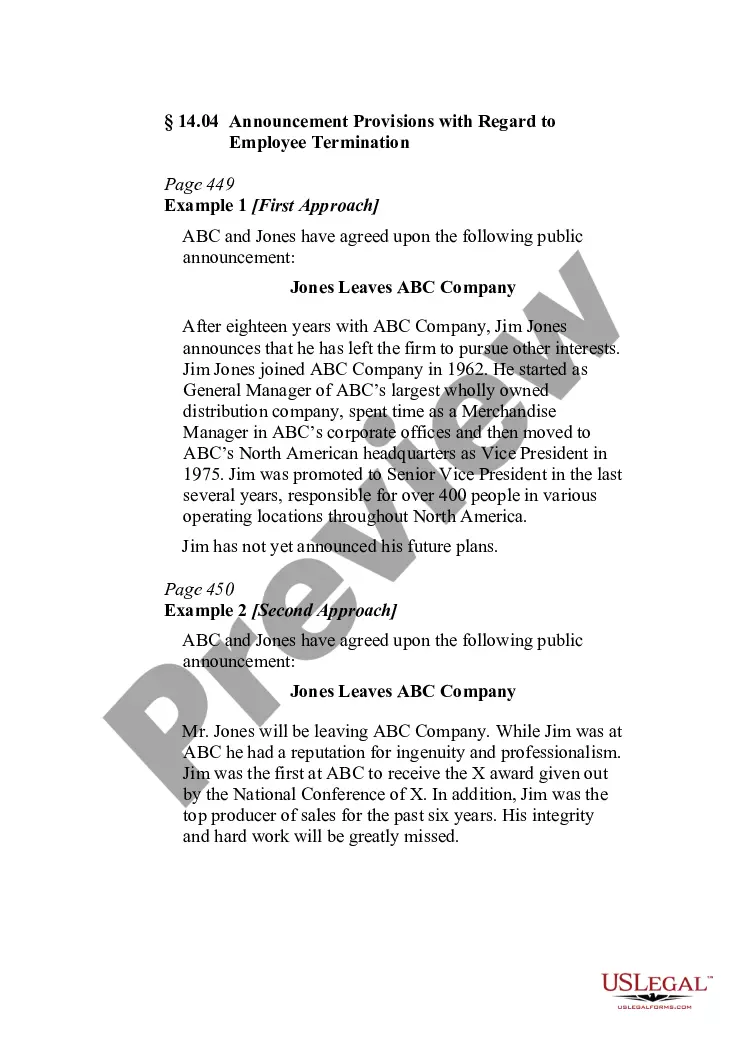
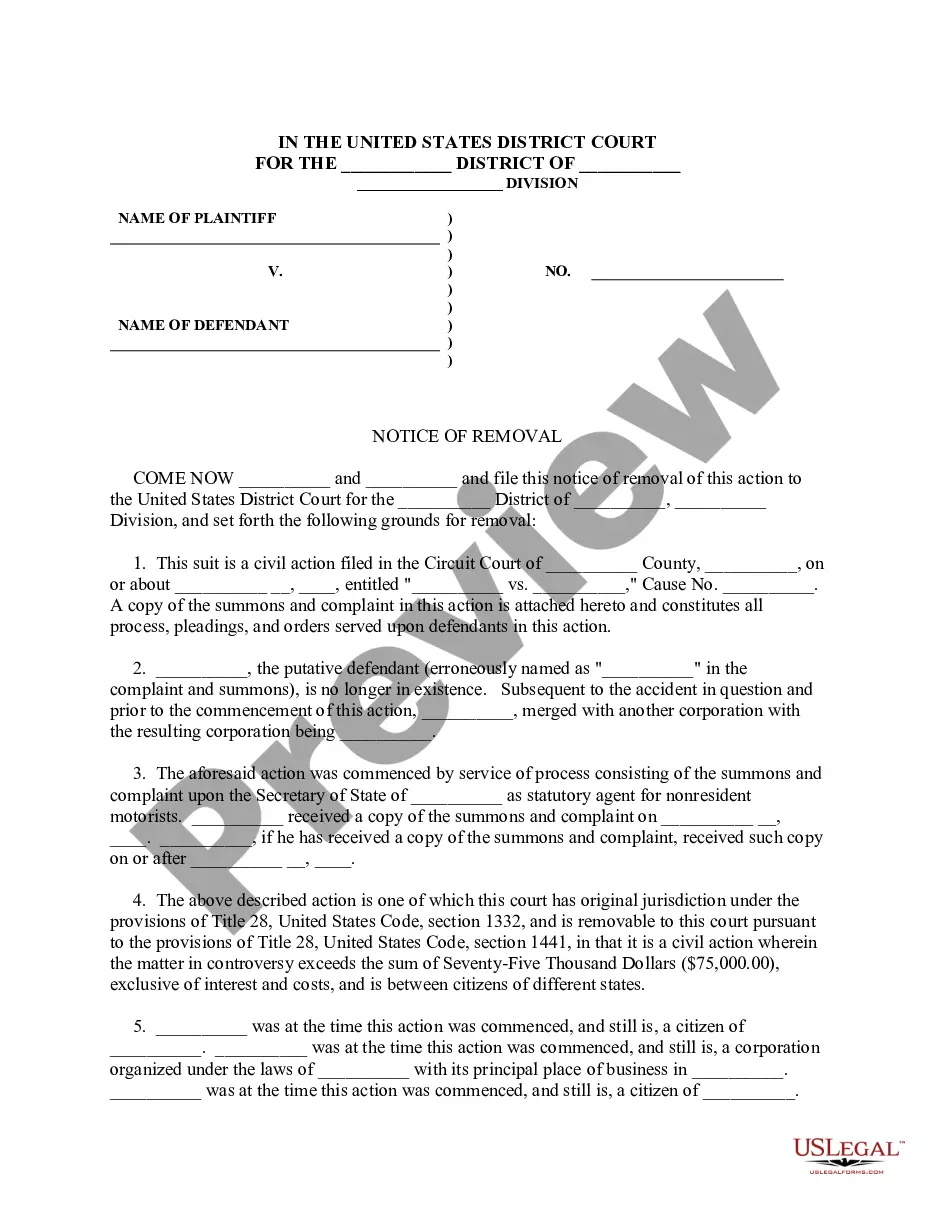
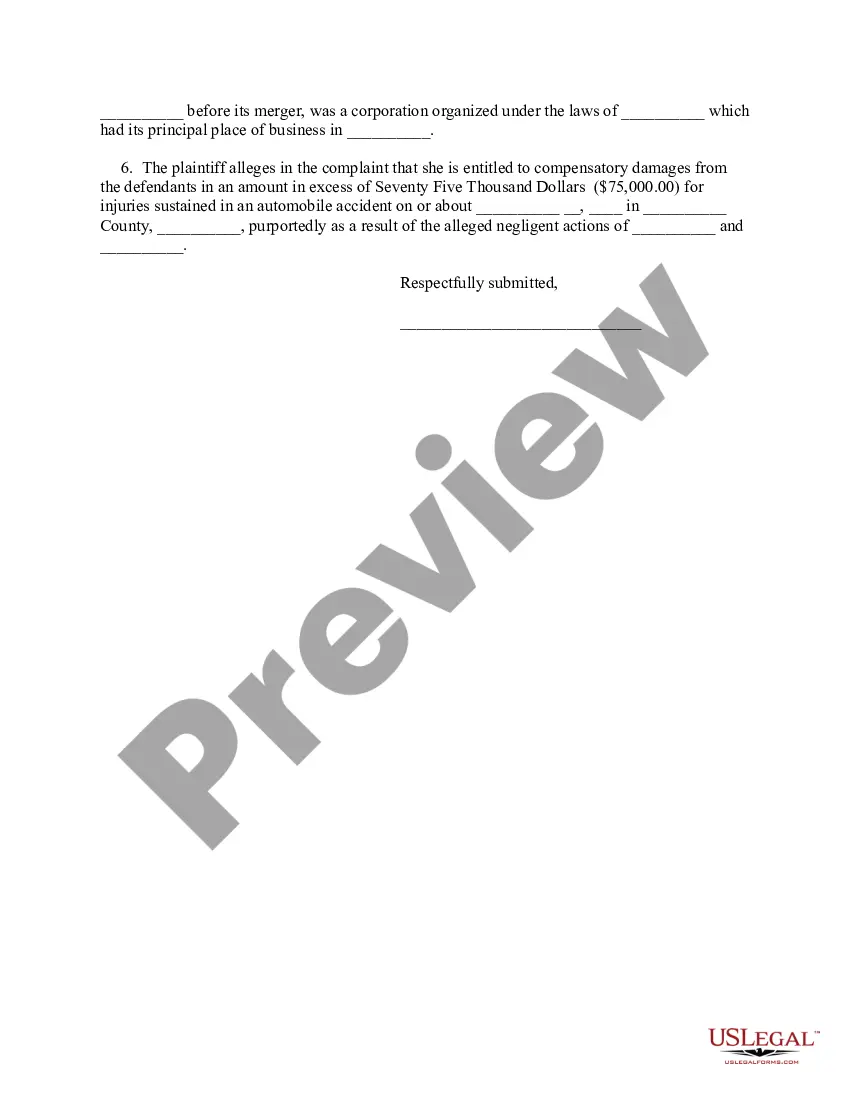
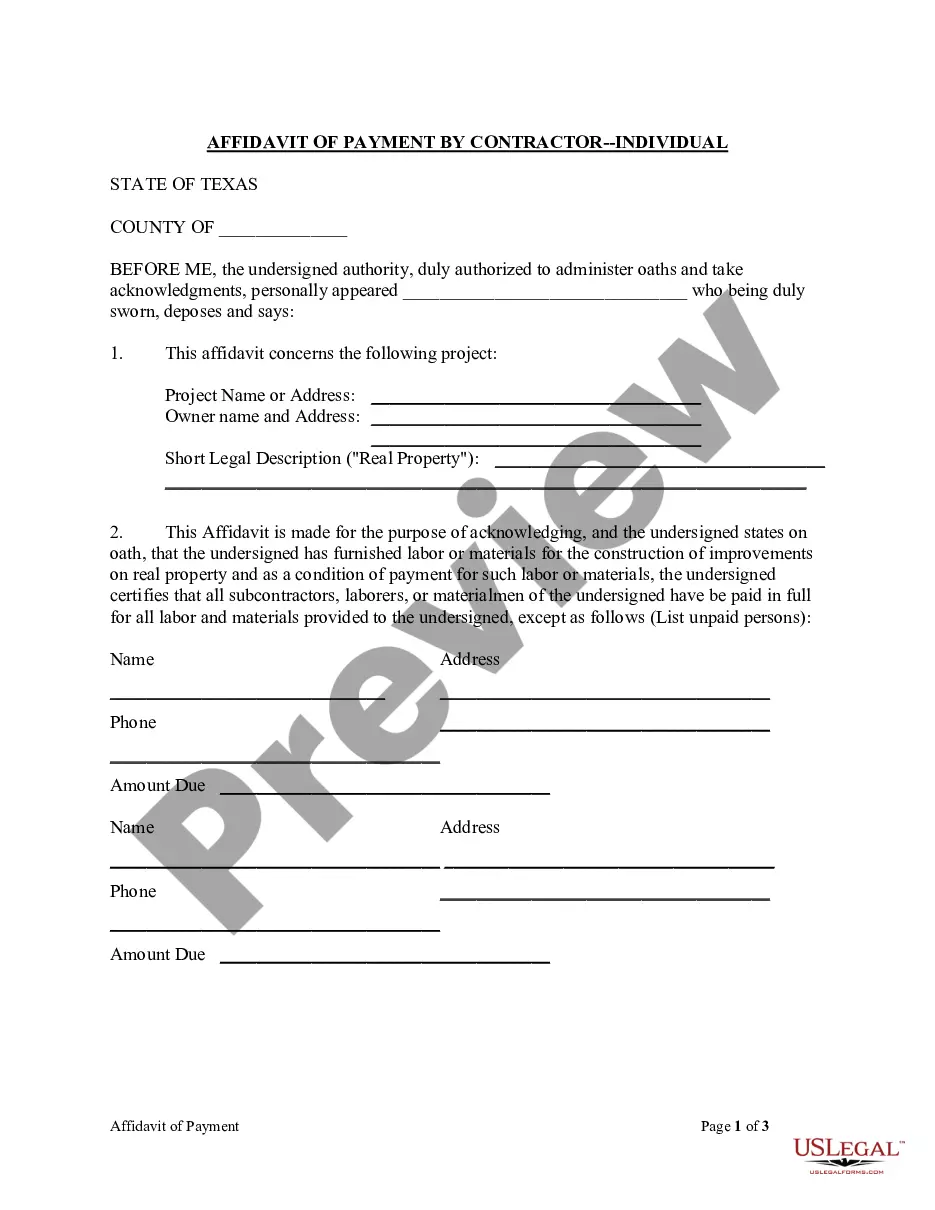
Notice Of Removal Template Without Signature In Los Angeles
Description
Get your form ready online
Our built-in tools help you complete, sign, share, and store your documents in one place.
Make edits, fill in missing information, and update formatting in US Legal Forms—just like you would in MS Word.
Download a copy, print it, send it by email, or mail it via USPS—whatever works best for your next step.
Sign and collect signatures with our SignNow integration. Send to multiple recipients, set reminders, and more. Go Premium to unlock E-Sign.
If this form requires notarization, complete it online through a secure video call—no need to meet a notary in person or wait for an appointment.
We protect your documents and personal data by following strict security and privacy standards.

Make edits, fill in missing information, and update formatting in US Legal Forms—just like you would in MS Word.

Download a copy, print it, send it by email, or mail it via USPS—whatever works best for your next step.

Sign and collect signatures with our SignNow integration. Send to multiple recipients, set reminders, and more. Go Premium to unlock E-Sign.

If this form requires notarization, complete it online through a secure video call—no need to meet a notary in person or wait for an appointment.

We protect your documents and personal data by following strict security and privacy standards.
Looking for another form?



Form popularity
FAQ
The Notice must be in writing and include: The date the tenancy will end ("be terminated") Detailed reason(s) for the eviction. That if the tenant doesn't move out within 90 days the owner may start a court case to evict them and that they can give their side of the story then.
Yes, it is possible to evict a tenant without a lease in California, but landlords must follow specific legal procedures to avoid potential lawsuits or criminal charges. The eviction process for a tenant without a lease is similar to one with a lease, but there are some key differences to keep in mind.
California's Tenant Protection Act The only lawful way to evict a tenant is to file lawsuit and wait for the court to order the Sheriff or Marshal to carry out the eviction. Landlords cannot change the locks, shut off power, or remove personal property in order to force a tenant out of their home.
Yes, you can evict a roommate not listed on the lease. Start by serving a notice to vacate. If they don't comply, file an unlawful detainer lawsuit to legally remove them.
30-DAY, 60-DAY AND 90-DAY NOTICES TO MOVE If you are not behind in your rent but the landlord wants you to move out, they must give you a written notice. Only a 30-day notice is required if all tenants have lived there less than a year. A 60-day notice is required if all tenants have lived there a year or longer.
At fault evictions include: Nonpayment of rent. Breach of a material term of the lease. Nuisance, waste, or using the unit for unlawful purposes. Criminal activity on the premises or criminal activity off the premises directed at the owner or agent.
Yes, a landlord can evict a tenant without a written lease in California, but they must still follow the proper legal procedures. This includes providing adequate notice, filing an eviction lawsuit if the tenant fails to vacate, and obtaining a court judgment before physically removing the tenant from the property.
Transfer and consolidation of noncomplex common-issue actions filed in different courts. This rule applies when a motion under Code of Civil Procedure section 403 is filed requesting transfer and consolidation of noncomplex cases involving a common issue of fact or law filed in different courts.
Duty to notify court and others of stay. The party who requested or caused a stay of a proceeding must immediately serve and file a notice of the stay and attach a copy of the order or other document showing that the proceeding is stayed.
Definition. A "complex case" is an action that requires exceptional judicial management to avoid placing unnecessary burdens on the court or the litigants and to expedite the case, keep costs reasonable, and promote effective decision making by the court, the parties, and counsel.