Acknowledgement Form Template In Santa Clara
Description
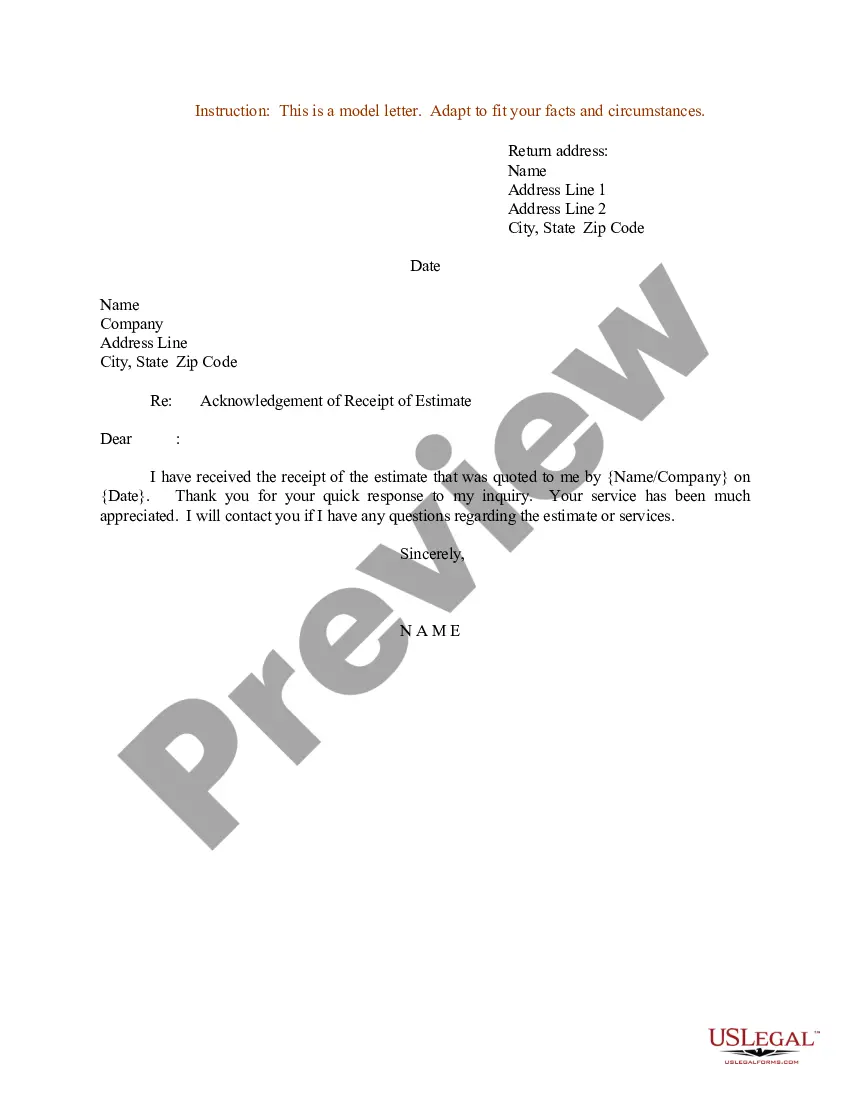


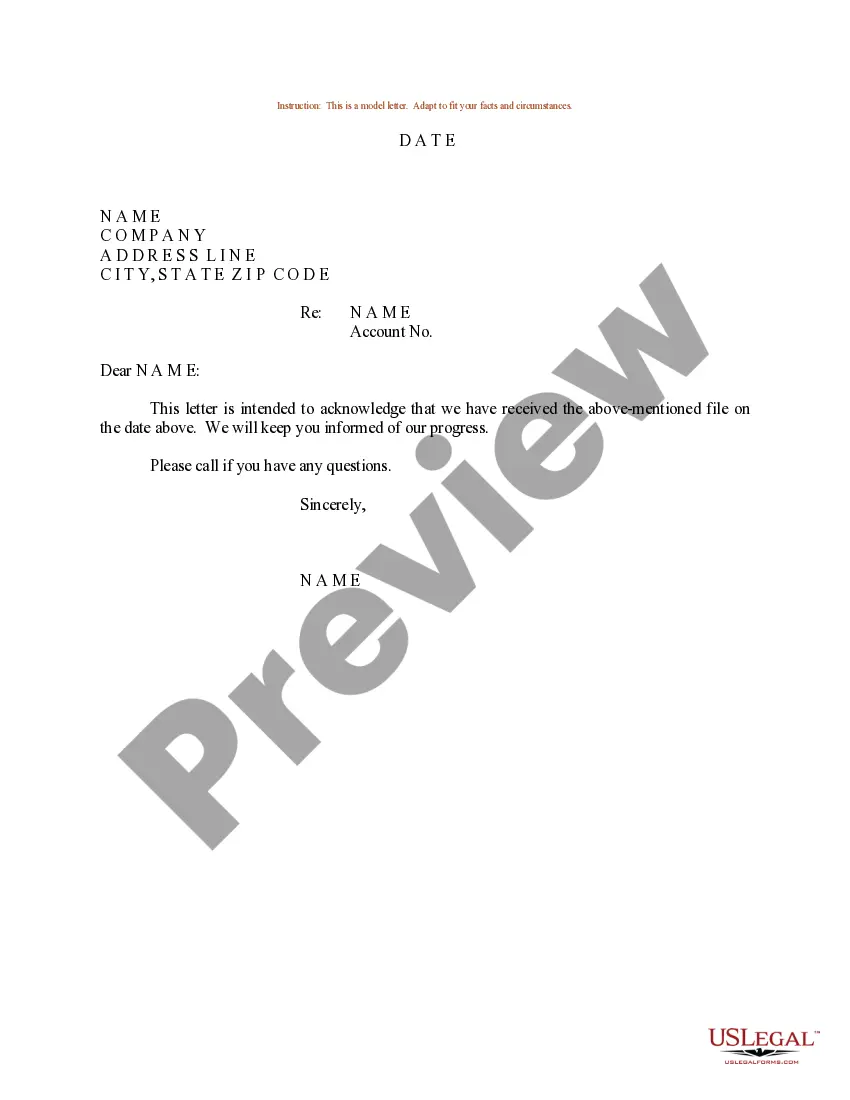
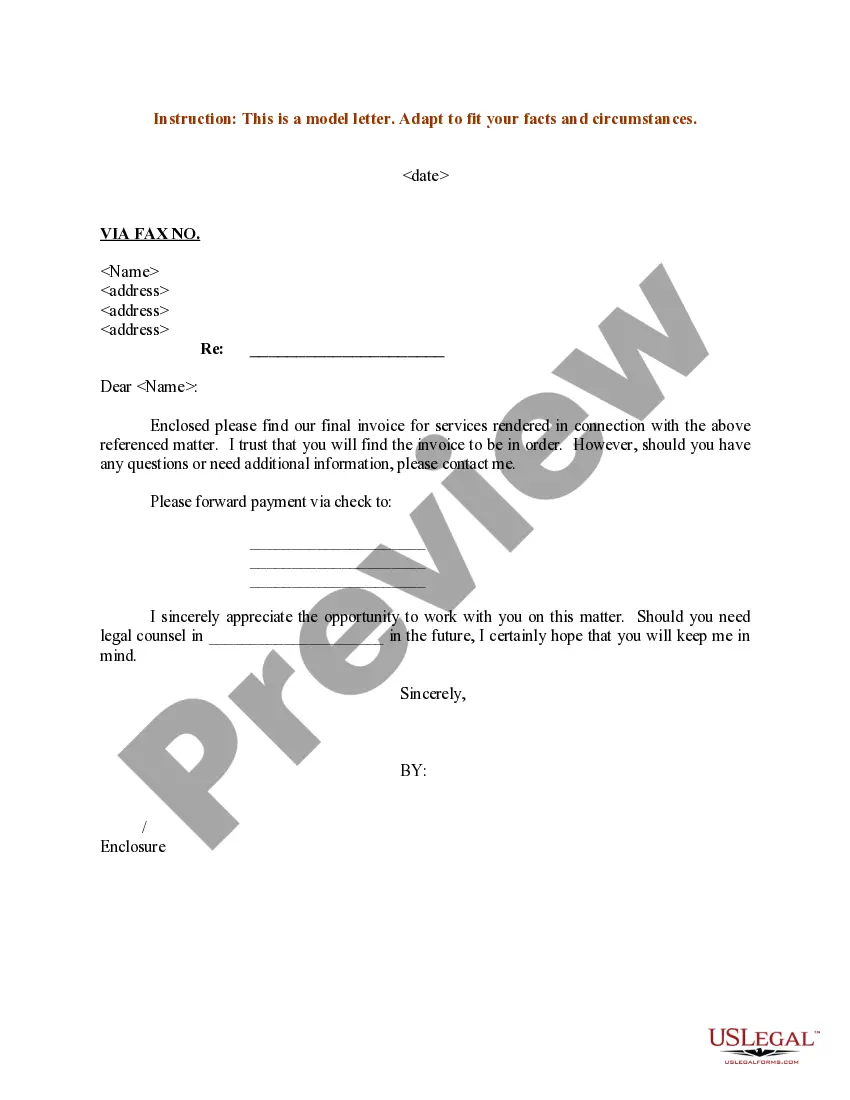
Get your form ready online
Our built-in tools help you complete, sign, share, and store your documents in one place.
Make edits, fill in missing information, and update formatting in US Legal Forms—just like you would in MS Word.
Download a copy, print it, send it by email, or mail it via USPS—whatever works best for your next step.
Sign and collect signatures with our SignNow integration. Send to multiple recipients, set reminders, and more. Go Premium to unlock E-Sign.
If this form requires notarization, complete it online through a secure video call—no need to meet a notary in person or wait for an appointment.
We protect your documents and personal data by following strict security and privacy standards.

Make edits, fill in missing information, and update formatting in US Legal Forms—just like you would in MS Word.

Download a copy, print it, send it by email, or mail it via USPS—whatever works best for your next step.

Sign and collect signatures with our SignNow integration. Send to multiple recipients, set reminders, and more. Go Premium to unlock E-Sign.

If this form requires notarization, complete it online through a secure video call—no need to meet a notary in person or wait for an appointment.

We protect your documents and personal data by following strict security and privacy standards.
Looking for another form?
Form popularity
FAQ
By California's law, a Notary Acknowledgement must contain specific details. These include the state and county where the acknowledgement is made, the name of the notary public, the individual making the acknowledgement, the date the acknowledgement was made, and an identification of the document being notarized.
Your acknowledgment receipt should contain the names of the issuing party and the person receiving the document. A description, with the name of each document being issued, date of the issue and the purpose of the document should be clear.
Given under my hand and seal of office this __________ day of __________, (year). This instrument was acknowledged before me on (date) by (name or names of person or persons acknowledging).
Now what do you fill in fill in the venue or county where you are notarizing the date you notarized.MoreNow what do you fill in fill in the venue or county where you are notarizing the date you notarized. Your name and title of office notary. Public next you fill in the name of your signer appearing.
Now what do you fill in fill in the venue or county where you are notarizing the date you notarized.MoreNow what do you fill in fill in the venue or county where you are notarizing the date you notarized. Your name and title of office notary. Public next you fill in the name of your signer appearing.
One of the most common mistakes that notaries make is not printing or signing their name exactly as it appears on their notary commission.
Your acknowledgment receipt should contain the names of the issuing party and the person receiving the document. A description, with the name of each document being issued, date of the issue and the purpose of the document should be clear.
Tells the court that you had legal papers in a civil case - other than a summons - delivered to (served on) the other party. Lists the papers that were served and tells who they were served on, where, when, and how they were served, and who served them.
This certificate must follow the format prescribed in California Civil Code Section 1189. The certificate includes specific elements such as the venue, the notary's name, the signer's name, and a statement confirming the voluntary signature. Notaries must affix their official seal on the acknowledgment certificate.
Letters Testamentary, or the letter of administration form, also known as Judicial Council of California Form DE-150, is what the Santa Clara County Probate Court issues at the time of, or after the hearing petitioning the court for an order for probate.
