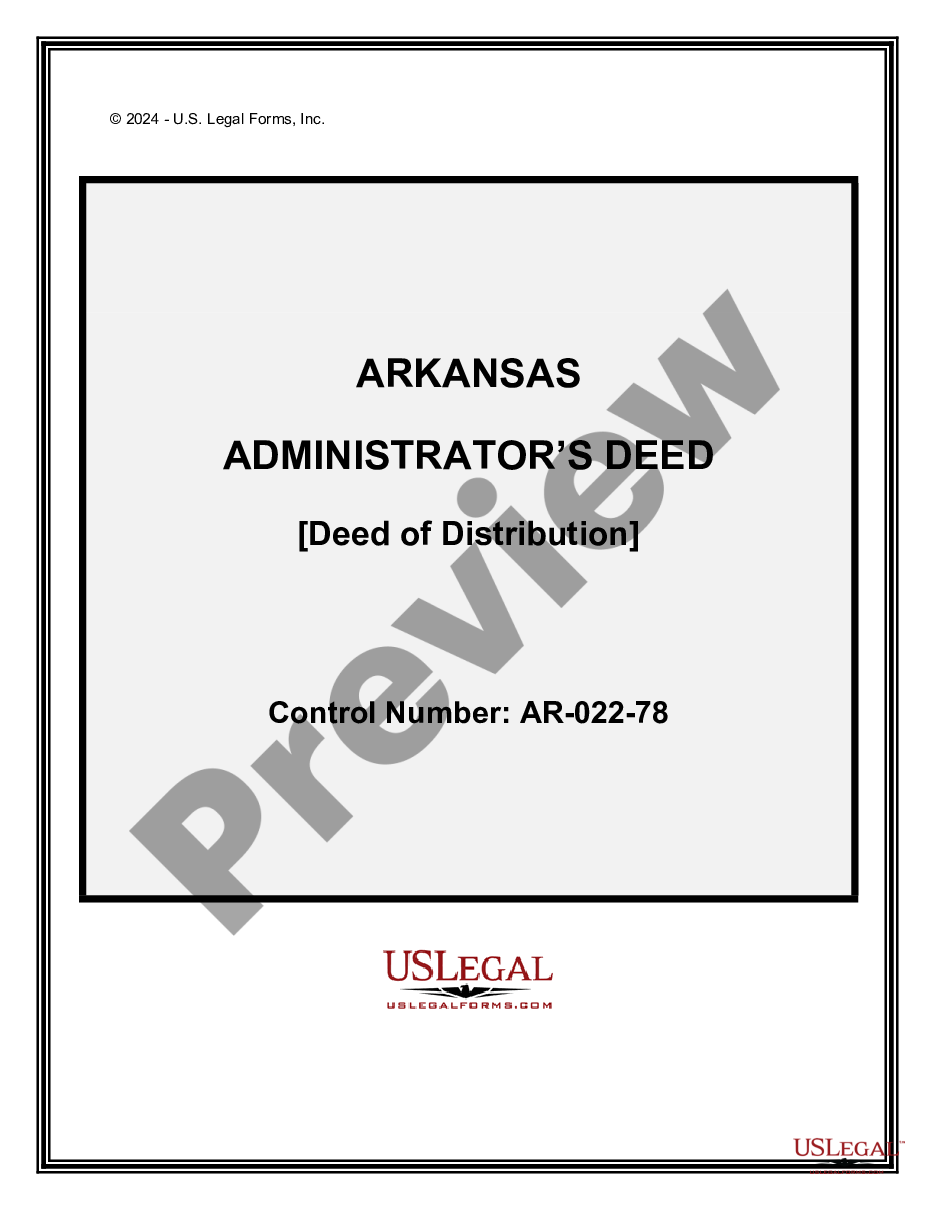
Acknowledgement With Design In San Bernardino
Description


Get your form ready online
Our built-in tools help you complete, sign, share, and store your documents in one place.
Make edits, fill in missing information, and update formatting in US Legal Forms—just like you would in MS Word.
Download a copy, print it, send it by email, or mail it via USPS—whatever works best for your next step.
Sign and collect signatures with our SignNow integration. Send to multiple recipients, set reminders, and more. Go Premium to unlock E-Sign.
If this form requires notarization, complete it online through a secure video call—no need to meet a notary in person or wait for an appointment.
We protect your documents and personal data by following strict security and privacy standards.

Make edits, fill in missing information, and update formatting in US Legal Forms—just like you would in MS Word.

Download a copy, print it, send it by email, or mail it via USPS—whatever works best for your next step.

Sign and collect signatures with our SignNow integration. Send to multiple recipients, set reminders, and more. Go Premium to unlock E-Sign.

If this form requires notarization, complete it online through a secure video call—no need to meet a notary in person or wait for an appointment.

We protect your documents and personal data by following strict security and privacy standards.
Looking for another form?







Form popularity
FAQ
A Residential Accessory permit is required prior to any construction of residential accessory structures greater than 120 square feet.
You may be able to avoid the need for a permit if you keep your deck small. Decks under 200 square feet that sit 30 inches or less off the ground are most likely to not need a permit. Double-check with your local building authority before building a deck without a permit to avoid injury or unnecessary expense.
A Residential Accessory permit is required prior to any construction of residential accessory structures greater than 120 square feet. The definition of Accessory Structure is any structure accessory to and incidental to that of the dwelling(s) and that is located on the same lot.
Yes, you do need a permit for any deck that is over 30 inches above grade and/or is attached to your home in California.
The County of San Bernardino's EZOP website simplifies your search for project information by centralizing handouts and descriptions of development and construction-related permits and activities. Are you building a high rise? Renovating a house? Installing a new water heater?
It honors the First Peoples and recognizes the connection with the land, their continued reciprocal stewardship of the lands and waters, and their ongoing work to preserve and protect the land. The land acknowledgment unanimously adopted on November 1, 2022 by the Board of Supervisors.
CSUSB Land Acknowledgement: For San Bernardino: the land of the Gabrieleno (Tongva) peoples, Chemehuevi (Nuwu) peoples, Serrano (Maara'yam) peoples, and the federally recognized land of the Yuhaaviatam of San Manuel Nation.
The Morongo Reservation in Banning, California, and the San Manuel Reservation near San Bernardino, California, are both federally recognized Indian reservations belonging to the Serrano people.
The San Bernardino County Museum collaborated with local tribes to tell their stories. The San Bernardino County Museum worked with the San Manuel and Morongo bands of Mission Indians to establish a formal land acknowledgment that recognizes the museum was built on the indigenous tribal governments' ancestral land.