Acknowledgement With Or Without E In Salt Lake
Description



Get your form ready online
Our built-in tools help you complete, sign, share, and store your documents in one place.
Make edits, fill in missing information, and update formatting in US Legal Forms—just like you would in MS Word.
Download a copy, print it, send it by email, or mail it via USPS—whatever works best for your next step.
Sign and collect signatures with our SignNow integration. Send to multiple recipients, set reminders, and more. Go Premium to unlock E-Sign.
If this form requires notarization, complete it online through a secure video call—no need to meet a notary in person or wait for an appointment.
We protect your documents and personal data by following strict security and privacy standards.

Make edits, fill in missing information, and update formatting in US Legal Forms—just like you would in MS Word.

Download a copy, print it, send it by email, or mail it via USPS—whatever works best for your next step.

Sign and collect signatures with our SignNow integration. Send to multiple recipients, set reminders, and more. Go Premium to unlock E-Sign.

If this form requires notarization, complete it online through a secure video call—no need to meet a notary in person or wait for an appointment.

We protect your documents and personal data by following strict security and privacy standards.
Looking for another form?
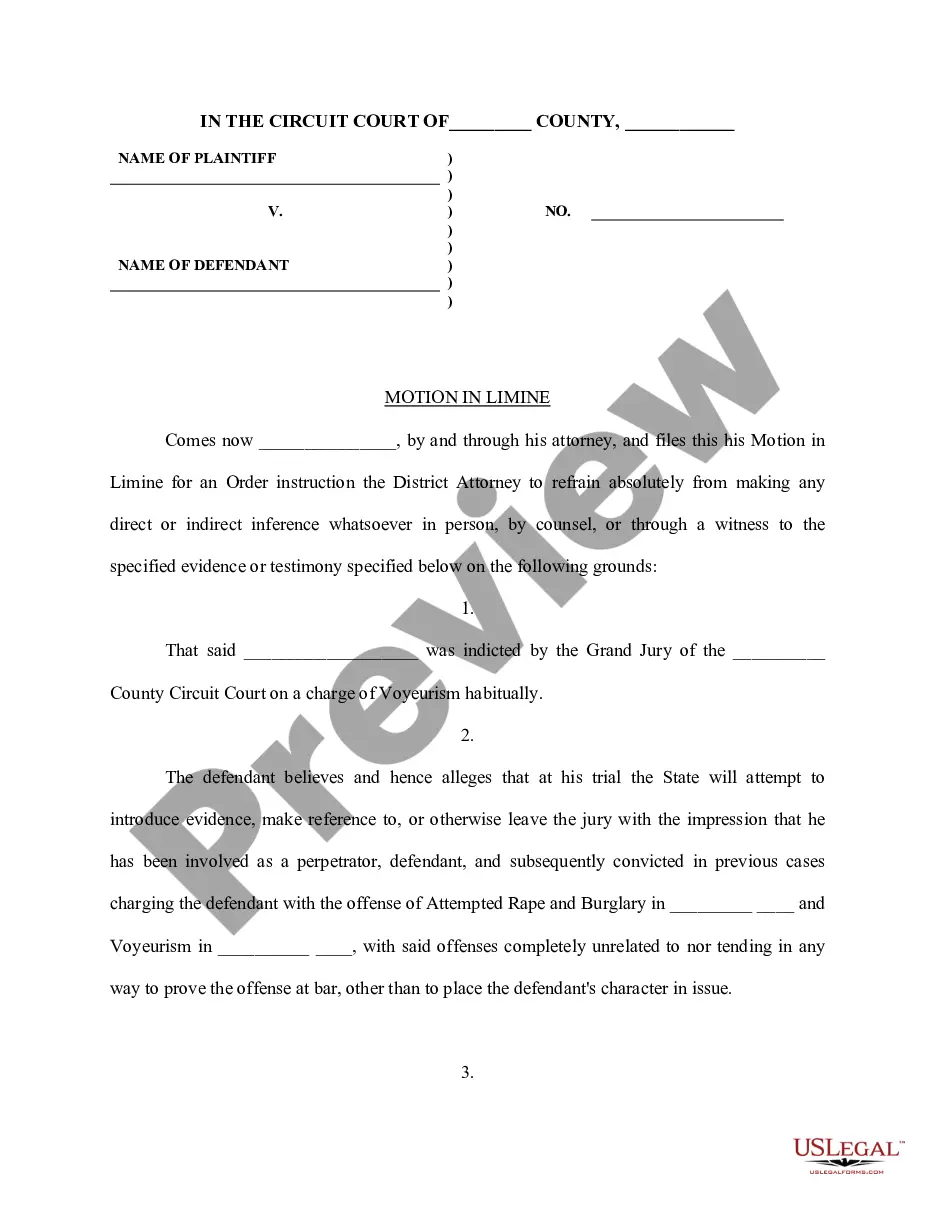

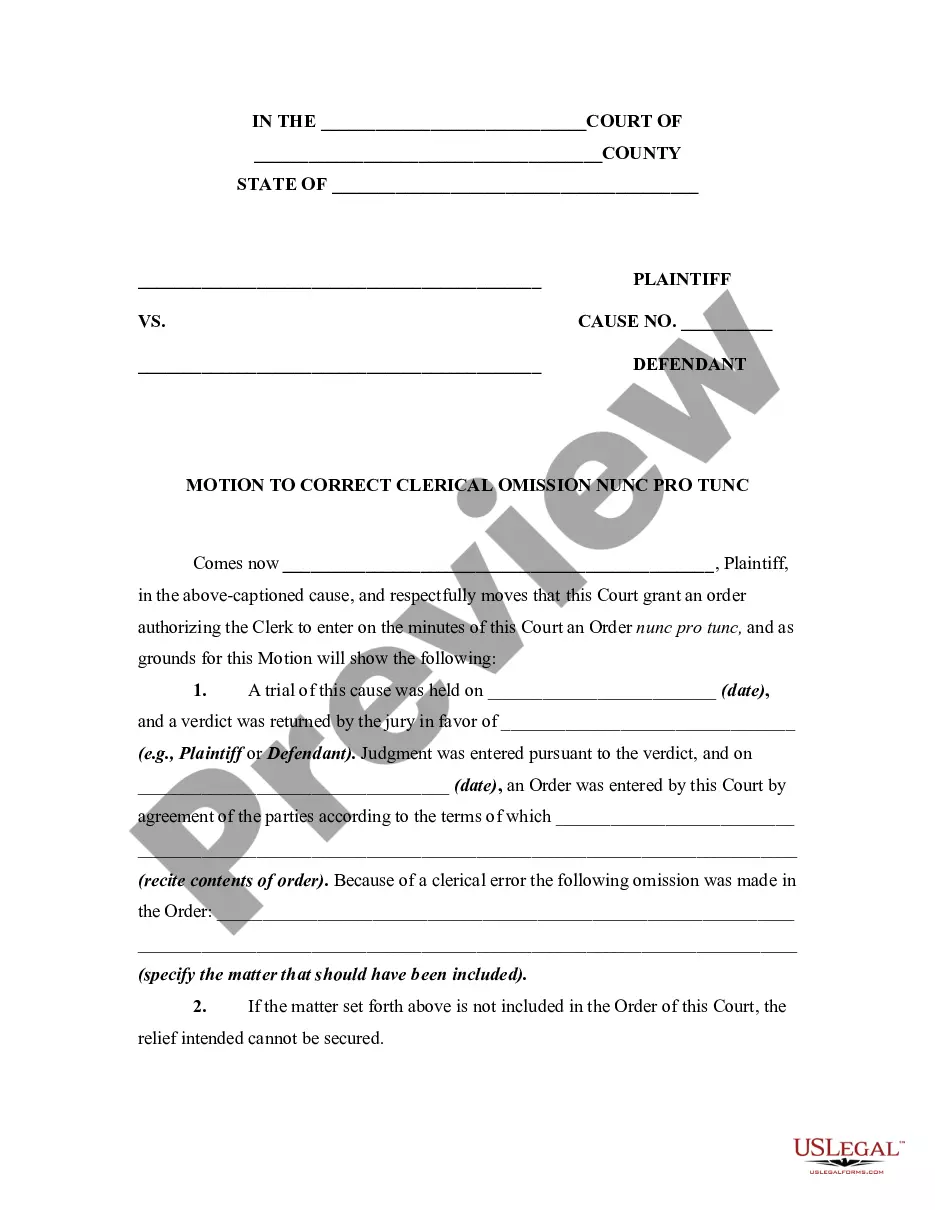
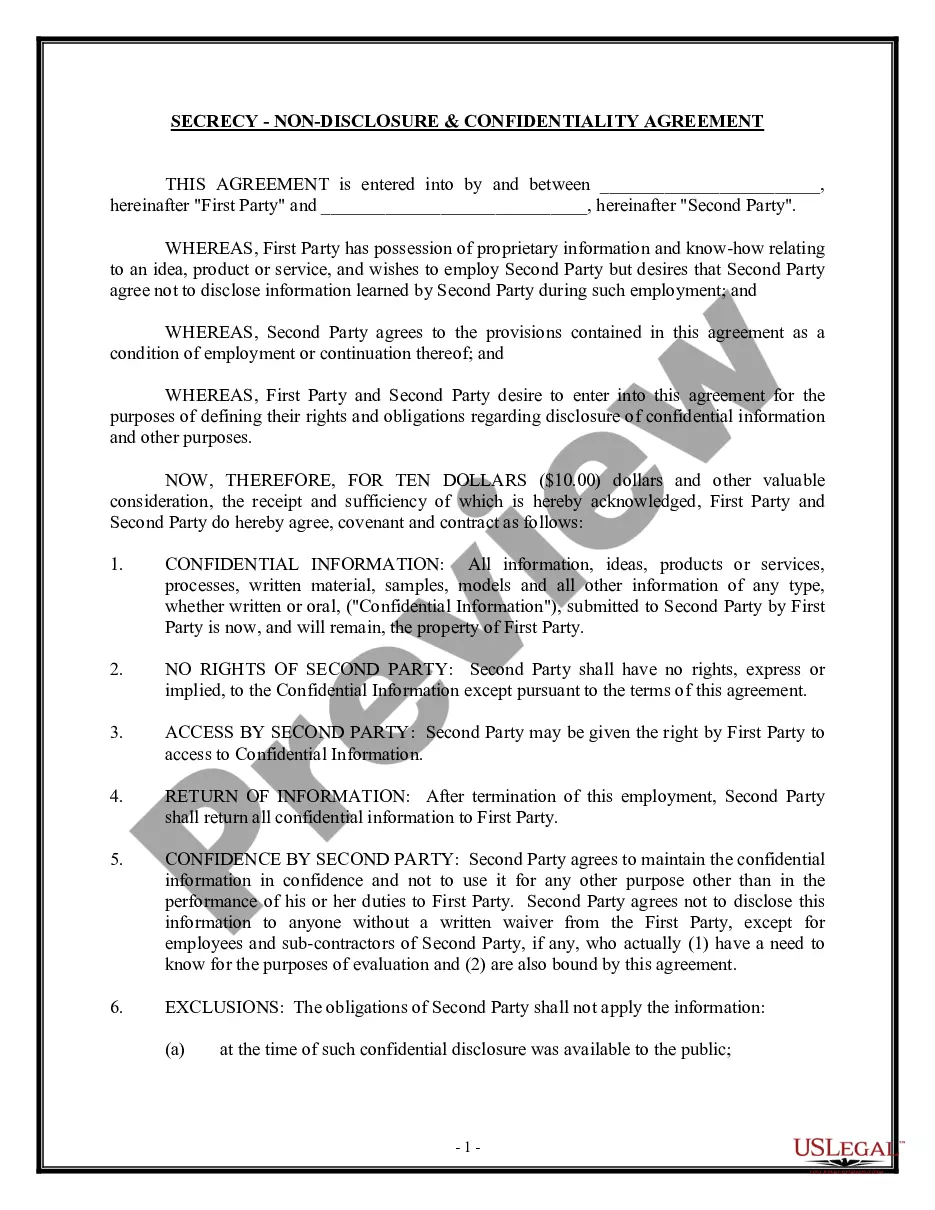
Form popularity
FAQ
It is spelled 'acknowledgement' in British English and 'acknowledgment' in American English.
Acknowledgement is a noun that means “recognition” (e.g., “Phil's bonus was in acknowledgement/recognition of his successful campaign”). Acknowledgement is spelled differently in British English (acknowledgement) and American English (acknowledgment).
Both acknowledgement and acknowledgment are correct. The former is commonly used in regions using British English, while the latter is the spelling favored by countries using American English.
While “acknowledgement” includes an extra “e” and aligns with British English, “acknowledgment” is the preferred spelling in American English.
Satisfactory evidence of identification means that the identification document that a notary public uses to perform a notarial act must: 1) be issued by a federal, state, or tribal government office; 2) be valid and current; 3) contain the photographic image of the bearer; 4) have an accurate physical description of ...
Government issued picture identification that is valid (not expired) with the individual's name, date of birth, signature or fingerprint is required to ensure proper identification, unless otherwise prohibited by law. The ID must be legible and intact.
One of the most common mistakes that notaries make is not printing or signing their name exactly as it appears on their notary commission.
A passport, driver's license or government-issued nondriver identification card, which is current and unexpired. Another form of government identification issued to an individual, which: (a) is current; (b) contains the signature or a photograph of the individual; and (c) is satisfactory to the notarial officer.
Several states require the signer to present an actual identification document — not a copy. For example, California, Florida and Pennsylvania require signers to present specific identification documents for notarization.
When performing an acknowledgement, here are five things a notary should always do. Document inspection. Before notarizing a document, make sure no pages are missing and no blank spaces exist. Fact verification. Watch signing. Record information. Seal the notary certificate.
