Acknowledgement For Project In Pennsylvania
Description
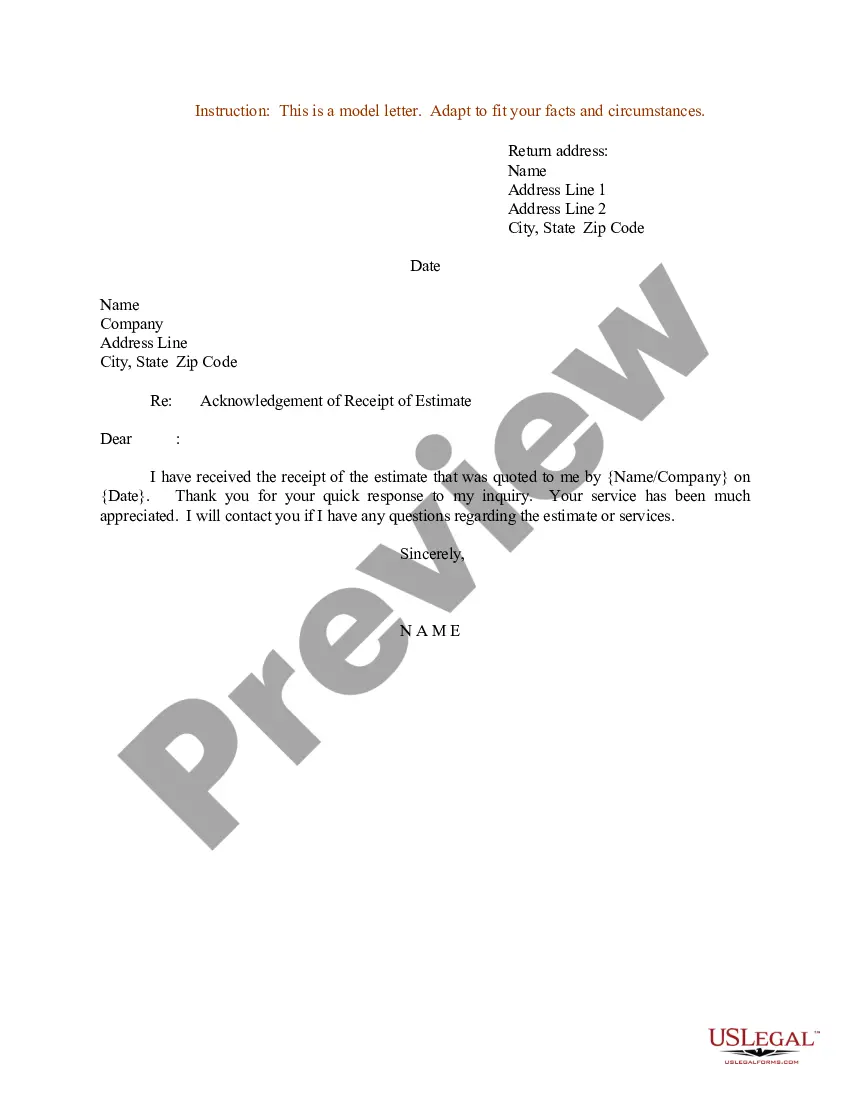


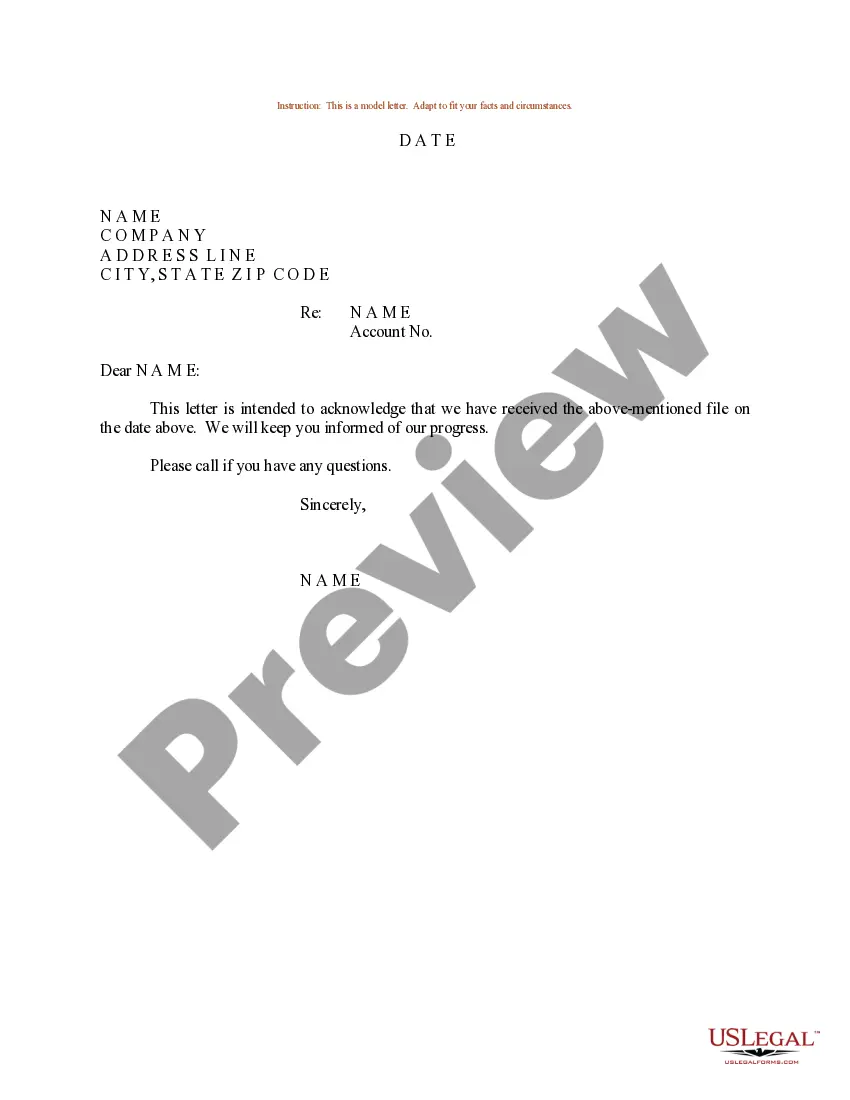
Get your form ready online
Our built-in tools help you complete, sign, share, and store your documents in one place.
Make edits, fill in missing information, and update formatting in US Legal Forms—just like you would in MS Word.
Download a copy, print it, send it by email, or mail it via USPS—whatever works best for your next step.
Sign and collect signatures with our SignNow integration. Send to multiple recipients, set reminders, and more. Go Premium to unlock E-Sign.
If this form requires notarization, complete it online through a secure video call—no need to meet a notary in person or wait for an appointment.
We protect your documents and personal data by following strict security and privacy standards.

Make edits, fill in missing information, and update formatting in US Legal Forms—just like you would in MS Word.

Download a copy, print it, send it by email, or mail it via USPS—whatever works best for your next step.

Sign and collect signatures with our SignNow integration. Send to multiple recipients, set reminders, and more. Go Premium to unlock E-Sign.

If this form requires notarization, complete it online through a secure video call—no need to meet a notary in person or wait for an appointment.

We protect your documents and personal data by following strict security and privacy standards.
Looking for another form?







Form popularity
FAQ
An acknowledgment is a legal declaration that verifies a signature, while an affidavit is a sworn statement used as evidence in legal proceedings. A declaration is a formal assertion of facts.
Is an acknowledgment the same as witnessing a signature? No, they are not the same. Witnessing simply involves observing you sign a document. An acknowledgment, however, goes a step further to ensure that your signature on the document was made willingly and voluntarily.
A notary public may not notarize a document for a signer who cannot directly acknowledge his signature or swear to the truthfulness of the statements in the notarial ceremony. Without the notarial ceremony, the notarial act is not officially executed.
After witnessing the document being signed, the Notary then completes the appropriate certificate wording for the signature witnessing. An acknowledgment, on the other hand, does not require the Notary to personally witness the signature being written in most states.
The following needs to take place: The customer personally appears. The notary identifies the customer. The customer speaks to the notary. The customer signs the electronic document. The notary prints the electronic document, before placing their official stamp and signature on the record.
Given under my hand and seal of office this __________ day of __________, (year). This instrument was acknowledged before me on (date) by (name or names of person or persons acknowledging).
Includes a Pennsylvania Acknowledgment Verification on Oath or Affirmation pad. The purpose of an Acknowledgment is for a signer, whose identity has been verified, to declare to a Notary or notarial officer that he or she willingly signed the document.
The Pennsylvania individual acknowledgment certificate may be used when an individual is signing and acknowledging on his or her own behalf.
The purpose of an acknowledgment is for a signer, whose identity has been verified, to declare to a Notary or notarial officer that he or she has willingly signed a document.
