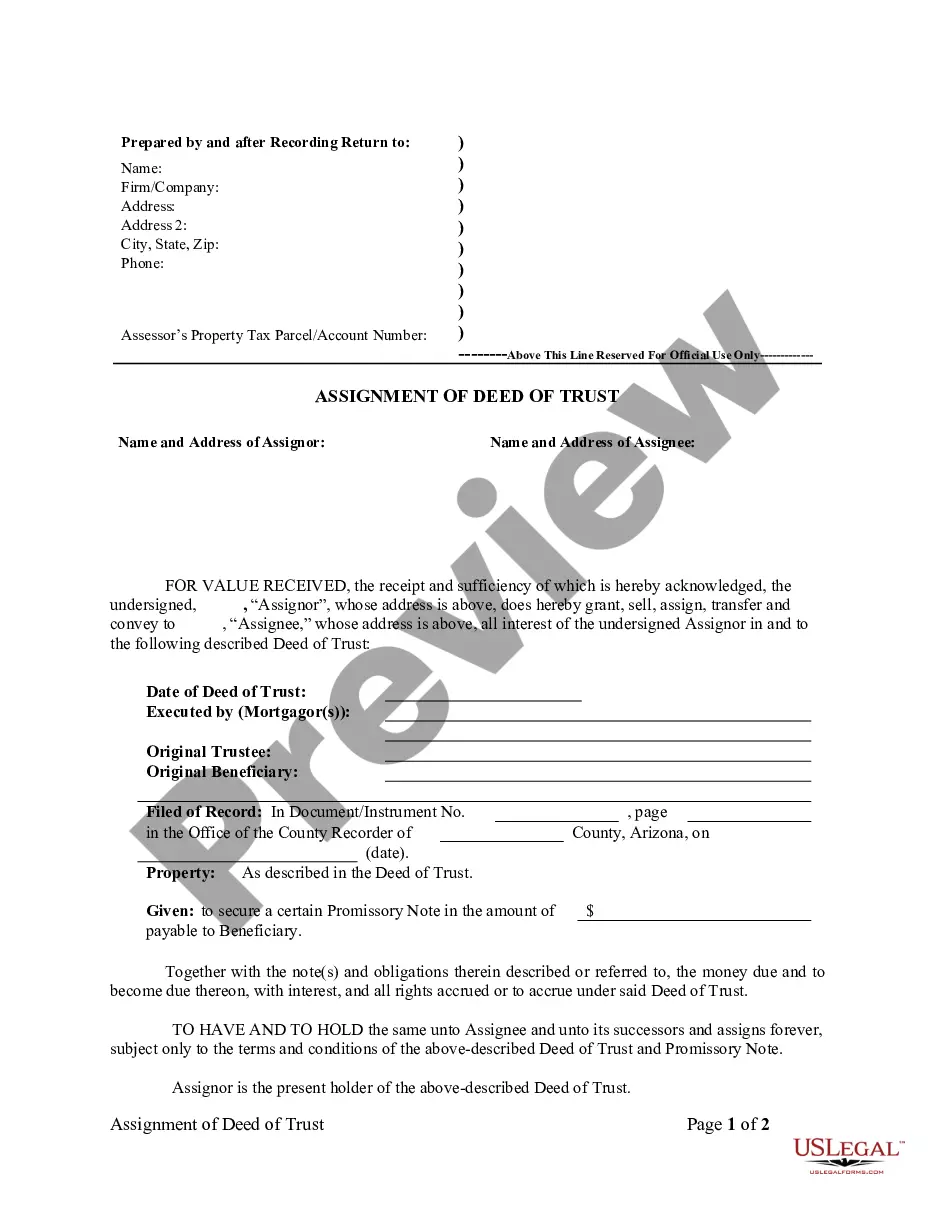
Acknowledgement Sample For Report In Ohio
Description
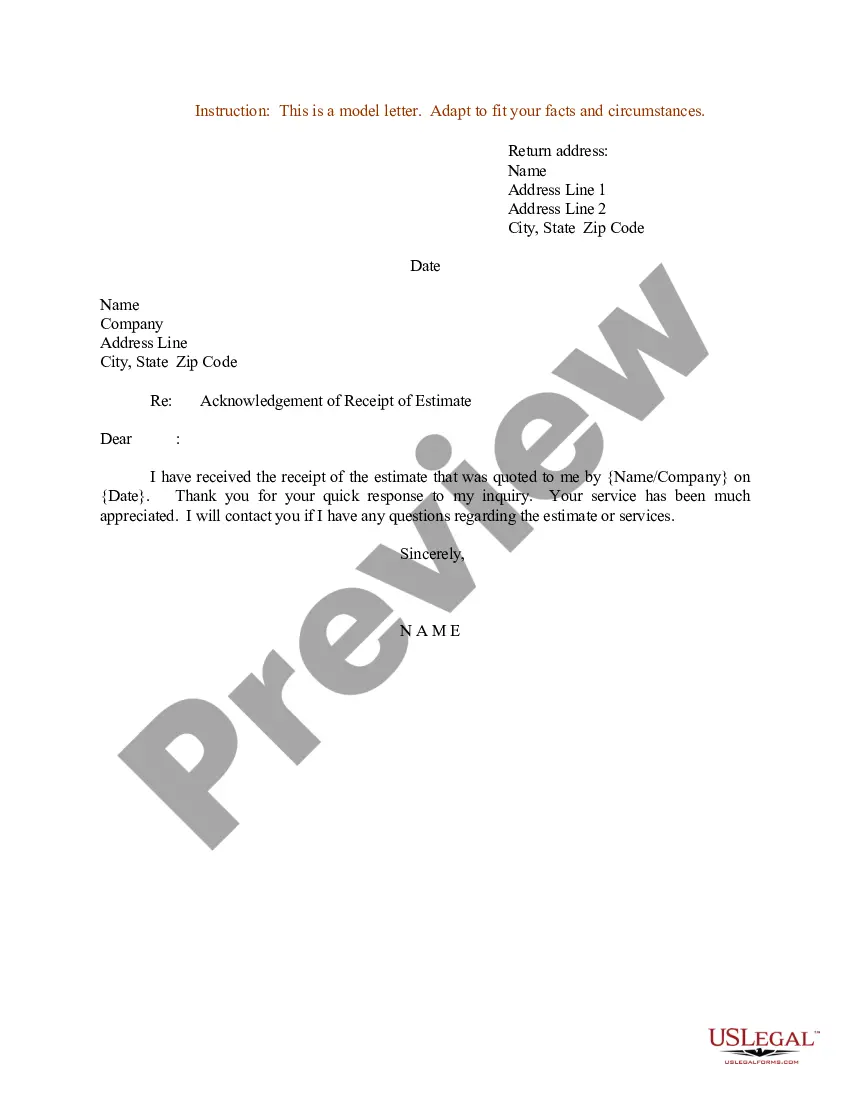


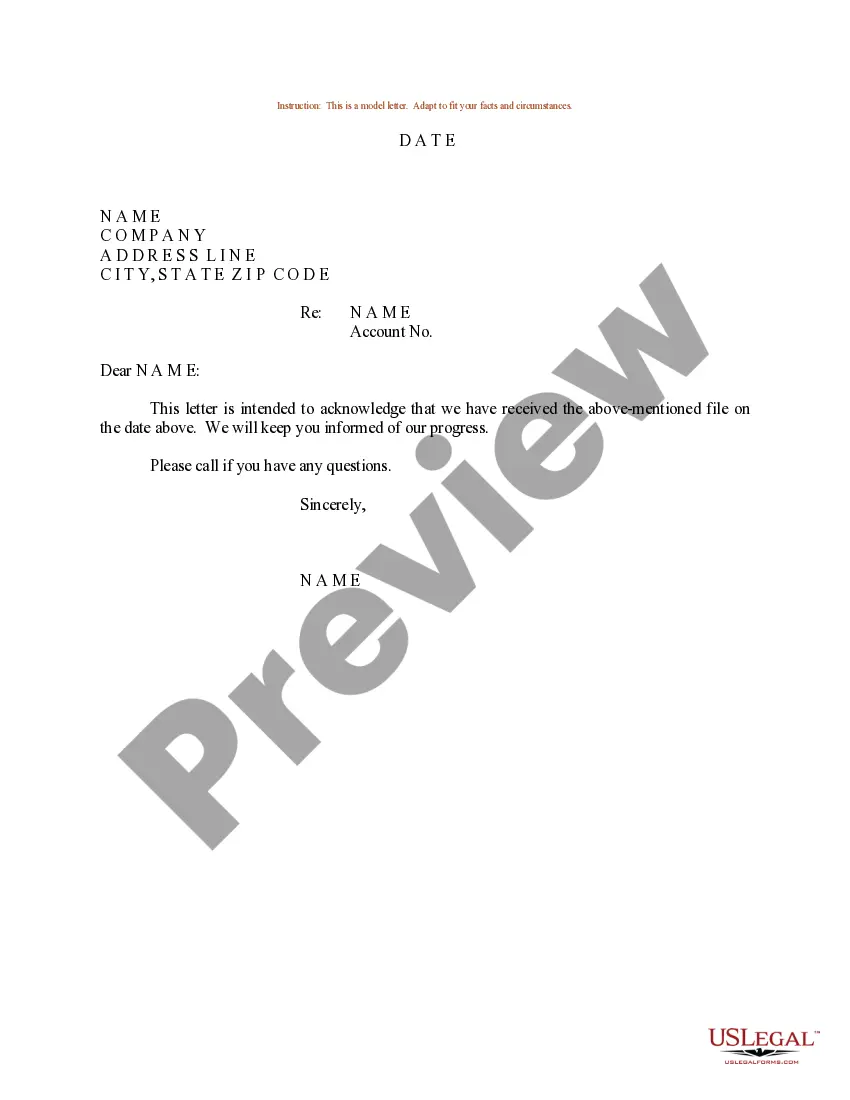
Get your form ready online
Our built-in tools help you complete, sign, share, and store your documents in one place.
Make edits, fill in missing information, and update formatting in US Legal Forms—just like you would in MS Word.
Download a copy, print it, send it by email, or mail it via USPS—whatever works best for your next step.
Sign and collect signatures with our SignNow integration. Send to multiple recipients, set reminders, and more. Go Premium to unlock E-Sign.
If this form requires notarization, complete it online through a secure video call—no need to meet a notary in person or wait for an appointment.
We protect your documents and personal data by following strict security and privacy standards.

Make edits, fill in missing information, and update formatting in US Legal Forms—just like you would in MS Word.

Download a copy, print it, send it by email, or mail it via USPS—whatever works best for your next step.

Sign and collect signatures with our SignNow integration. Send to multiple recipients, set reminders, and more. Go Premium to unlock E-Sign.

If this form requires notarization, complete it online through a secure video call—no need to meet a notary in person or wait for an appointment.

We protect your documents and personal data by following strict security and privacy standards.
Looking for another form?






Form popularity
FAQ
A notary public may not notarize a document for a signer who cannot directly acknowledge his signature or swear to the truthfulness of the statements in the notarial ceremony. Without the notarial ceremony, the notarial act is not officially executed.
An acknowledgment of paternity, also called a paternity affidavit, is a legally binding way to establish the parentage of a child. Both parents are asked to sign the document, which legally attests that the person named as the father on the form is the child's only possible father.
If it is an acknowledgment, then yes, you may notarize it, but you may not notarize an affidavit or other jurat certificate if that document has already been signed, as that requires an oath or affirmation prior to signing.
No, they are not the same. Acknowledgement refers to the act of someone declaring a signature as their own in front of a notary. On the other hand, notarization encompasses a broader range of actions.
A notary acknowledgement ensures that the signer of the document is indeed the person named in the document. The function of the notary in this case is to verify the identity of the signer. On the other hand, a notary is asked to perform a Jurat, when the signer takes an oath or makes an affirmation.
Notary acknowledgements verify the authenticity of sworn statements that are submitted as evidence in a court case. Read about its importance on Notarize. An affidavit is a written statement filed by an affiant as evidence in a court case. In order to be admissible, affidavits must be notarized by a notary public.
What is an acknowledgment? The purpose of an acknowledgment is for a signer, whose identity has been verified, to declare to a Notary or notarial officer that he or she has willingly signed a document.
An acknowledgment is a legal declaration that verifies a signature, while an affidavit is a sworn statement used as evidence in legal proceedings. A declaration is a formal assertion of facts.
Final answer: The four elements of a notarial certificate are the venue, the certificate of acknowledgment, the notary seal, and the notary signature and date of notarization.
Subscribed and sworn to (or affirmed) before me on this ______ day of _____________, 20___, by _______________________ ___________________________________________________, proved to me on the basis of satisfactory evidence to be the person(s) who appeared before me.