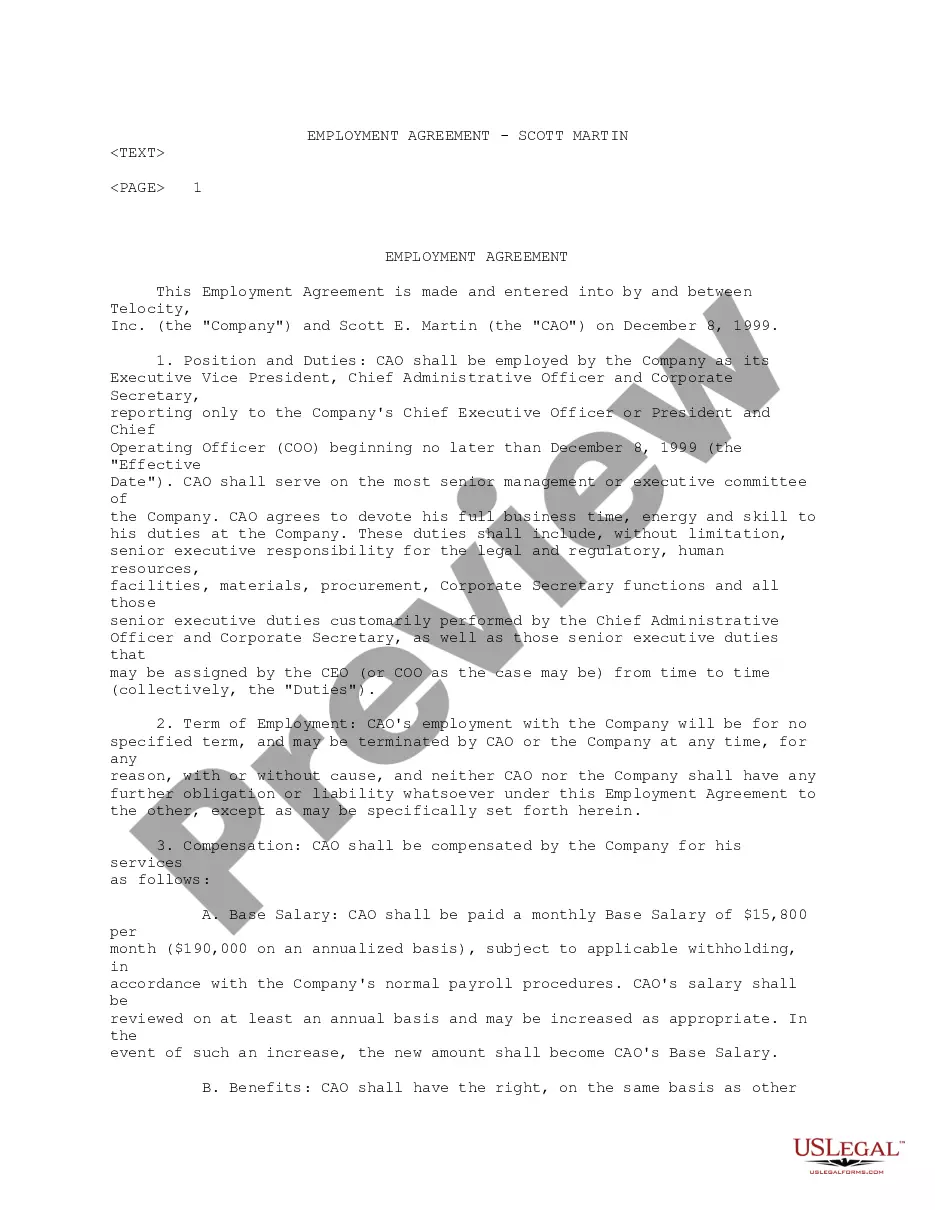
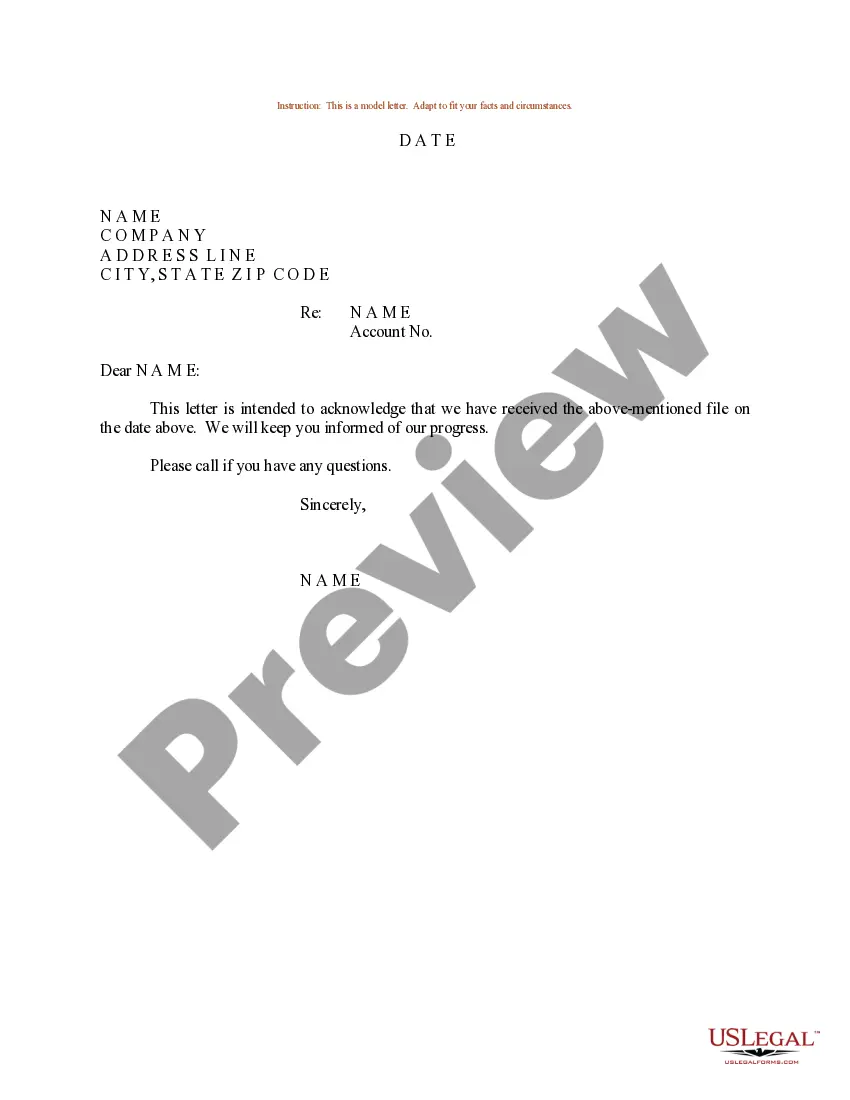
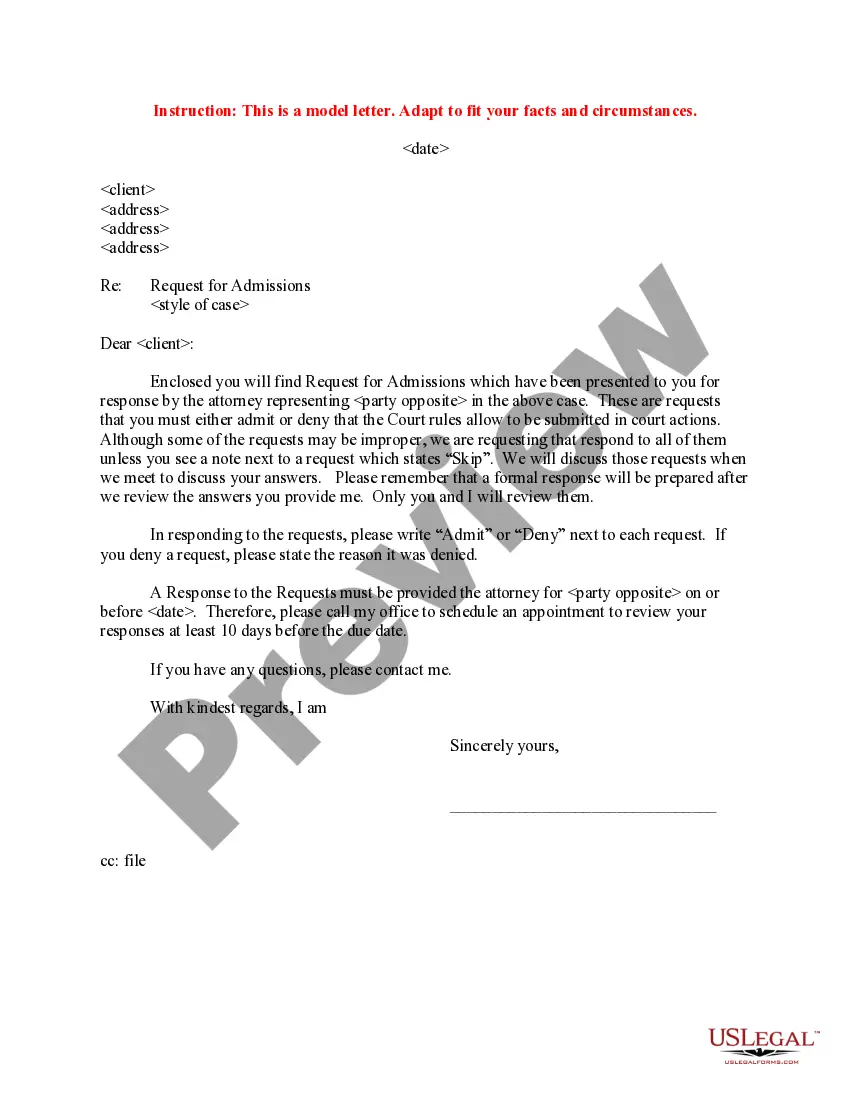
Acknowledgement Sample For Report In Nassau
Description


Get your form ready online
Our built-in tools help you complete, sign, share, and store your documents in one place.
Make edits, fill in missing information, and update formatting in US Legal Forms—just like you would in MS Word.
Download a copy, print it, send it by email, or mail it via USPS—whatever works best for your next step.
Sign and collect signatures with our SignNow integration. Send to multiple recipients, set reminders, and more. Go Premium to unlock E-Sign.
If this form requires notarization, complete it online through a secure video call—no need to meet a notary in person or wait for an appointment.
We protect your documents and personal data by following strict security and privacy standards.

Make edits, fill in missing information, and update formatting in US Legal Forms—just like you would in MS Word.

Download a copy, print it, send it by email, or mail it via USPS—whatever works best for your next step.

Sign and collect signatures with our SignNow integration. Send to multiple recipients, set reminders, and more. Go Premium to unlock E-Sign.

If this form requires notarization, complete it online through a secure video call—no need to meet a notary in person or wait for an appointment.

We protect your documents and personal data by following strict security and privacy standards.
Looking for another form?







Form popularity
FAQ
Is an acknowledgment the same as witnessing a signature? No, they are not the same. Witnessing simply involves observing you sign a document. An acknowledgment, however, goes a step further to ensure that your signature on the document was made willingly and voluntarily.
The Corporate Acknowledgment certificate is used when a duly authorized corporate officer or representative is signing and acknowledging on behalf of a corporation. Such designated officers may include the president, vice president, treasurer, secretary and attorney in fact.
I signed his name at his request and in his presence on the (type of document) within and he acknowledged to me and to the two witnesses who have signed and printed their names and addresses hereto, that he made his mark on the same for the purposes therein stated.
The purpose of an acknowledgment is for a signer, whose identity has been verified, to declare to a Notary or notarial officer that he or she has willingly signed a document.
A notary public may not notarize a document for a signer who cannot directly acknowledge his signature or swear to the truthfulness of the statements in the notarial ceremony. Without the notarial ceremony, the notarial act is not officially executed.
An acknowledgment requires the following steps: The signer must appear in person before you. You must positively identify the signer ing to your state's rules. The signer may either sign the document before appearing before you, or in your presence.
When performing an acknowledgement, here are five things a notary should always do. Document inspection. Before notarizing a document, make sure no pages are missing and no blank spaces exist. Fact verification. Watch signing. Record information. Seal the notary certificate.
How To Write Your Acknowledgments Section 1. Remember: people will read this, so make it good. 2. Start with a list of who will go in (by full name). 3. Be specific for the important people. 4. Be sincere in your thanks. 5. Don't worry about length.
One of the most common mistakes that notaries make is not printing or signing their name exactly as it appears on their notary commission.
I'm extremely grateful to (Something—my success, the completion of my dissertation) would not have been possible without the support and nurturing of (person). I cannot begin to express my thanks to …., who …. Less strong, but very appreciative: I would like to extend my sincere thanks to …/ I must also thank …