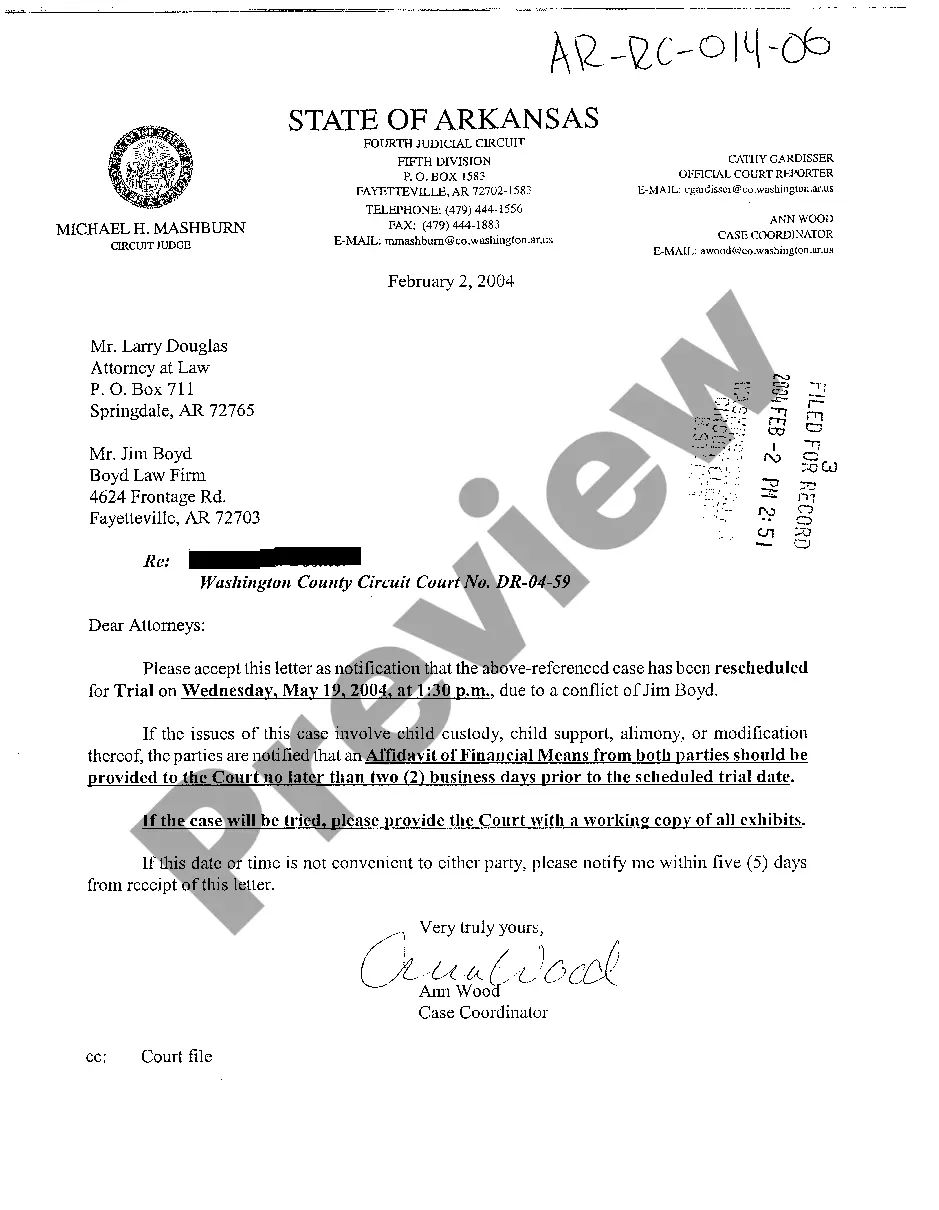
Notice For Discovery In Washington
Description

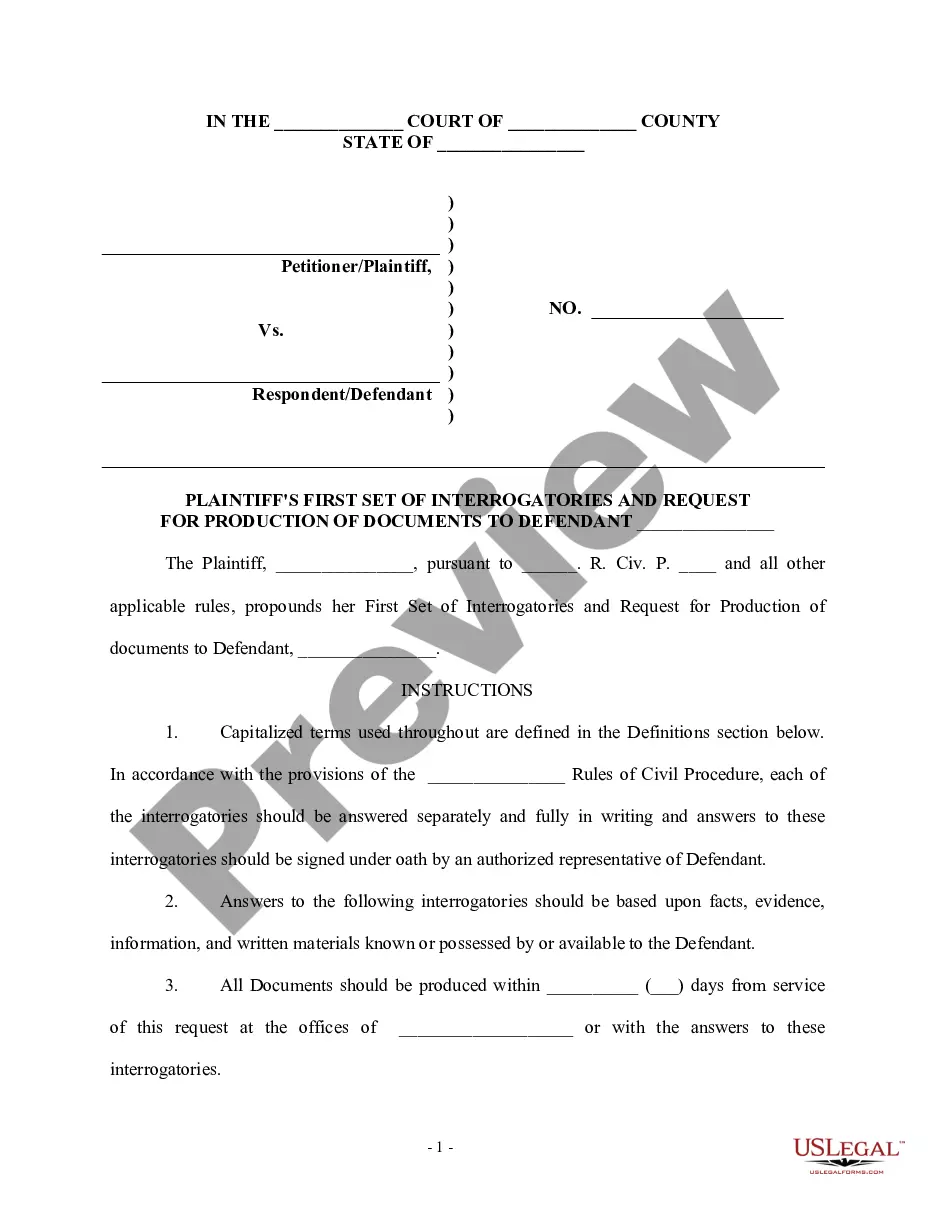
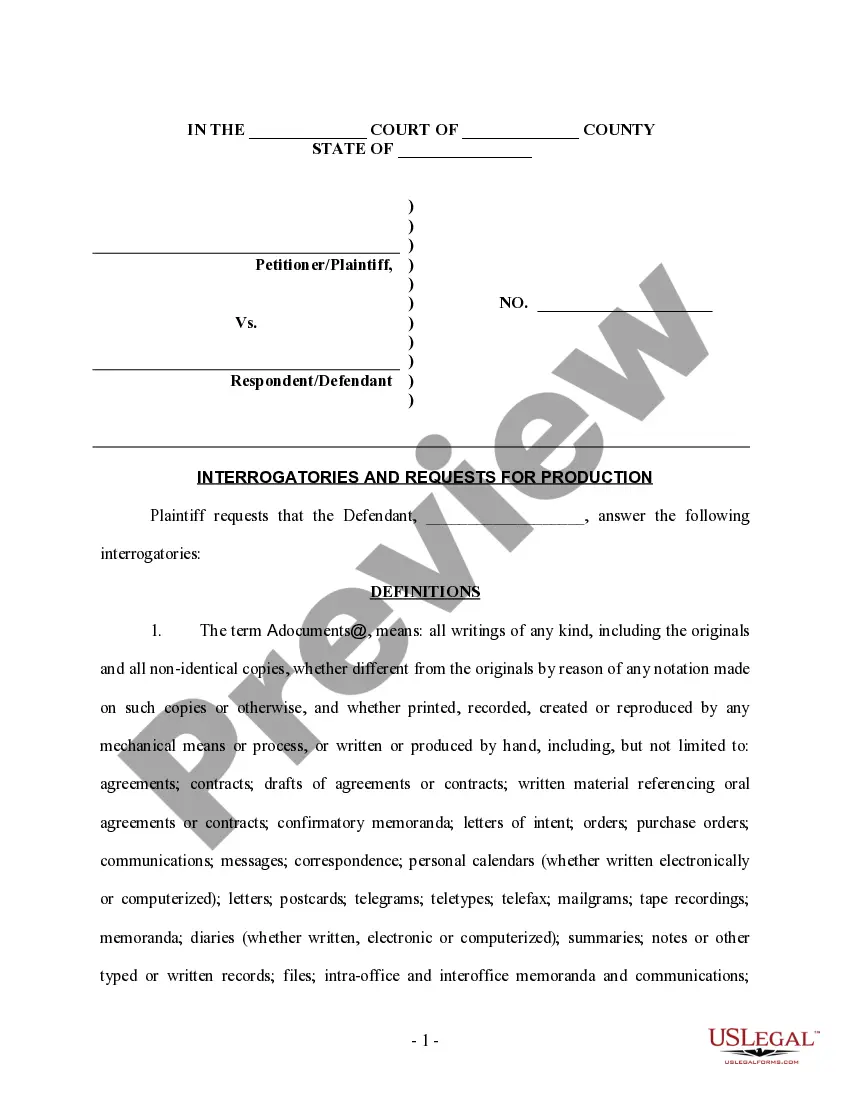
Get your form ready online
Our built-in tools help you complete, sign, share, and store your documents in one place.
Make edits, fill in missing information, and update formatting in US Legal Forms—just like you would in MS Word.
Download a copy, print it, send it by email, or mail it via USPS—whatever works best for your next step.
Sign and collect signatures with our SignNow integration. Send to multiple recipients, set reminders, and more. Go Premium to unlock E-Sign.
If this form requires notarization, complete it online through a secure video call—no need to meet a notary in person or wait for an appointment.
We protect your documents and personal data by following strict security and privacy standards.

Make edits, fill in missing information, and update formatting in US Legal Forms—just like you would in MS Word.

Download a copy, print it, send it by email, or mail it via USPS—whatever works best for your next step.

Sign and collect signatures with our SignNow integration. Send to multiple recipients, set reminders, and more. Go Premium to unlock E-Sign.

If this form requires notarization, complete it online through a secure video call—no need to meet a notary in person or wait for an appointment.

We protect your documents and personal data by following strict security and privacy standards.
Looking for another form?







Form popularity
FAQ
Unless agreed by the parties and with the permission of the court, all discovery shall be completed within 60 days of the demand, or 90 days of service of the summons and complaint, or counterclaim, or cross complaint, whichever is longer. This revision is advisable for several reasons.
The discovery rule allows plaintiffs to extend the statute of limitations on the basis that they had not reasonably discovered that they had a claim in time to meet the deadline. In this situation, the three-year time frame would not start until someone reasonably concluded that the death was wrongful.
It is a document/pleading that the rules of criminal procedure require the parties to file with the court notifying the court and parties of certain things, like, for example, what defenses the defendant might present at trial etc.
(CR 60) The tool of last resort. Sometimes, for reason of mistake or justice, final orders entered in a matter need to be voided. CR 60 motions are named after Washington Court Civil Rule 60. It adjudicates how parties can get final orders in a case overturned, and issues in a case subsequently reopened.
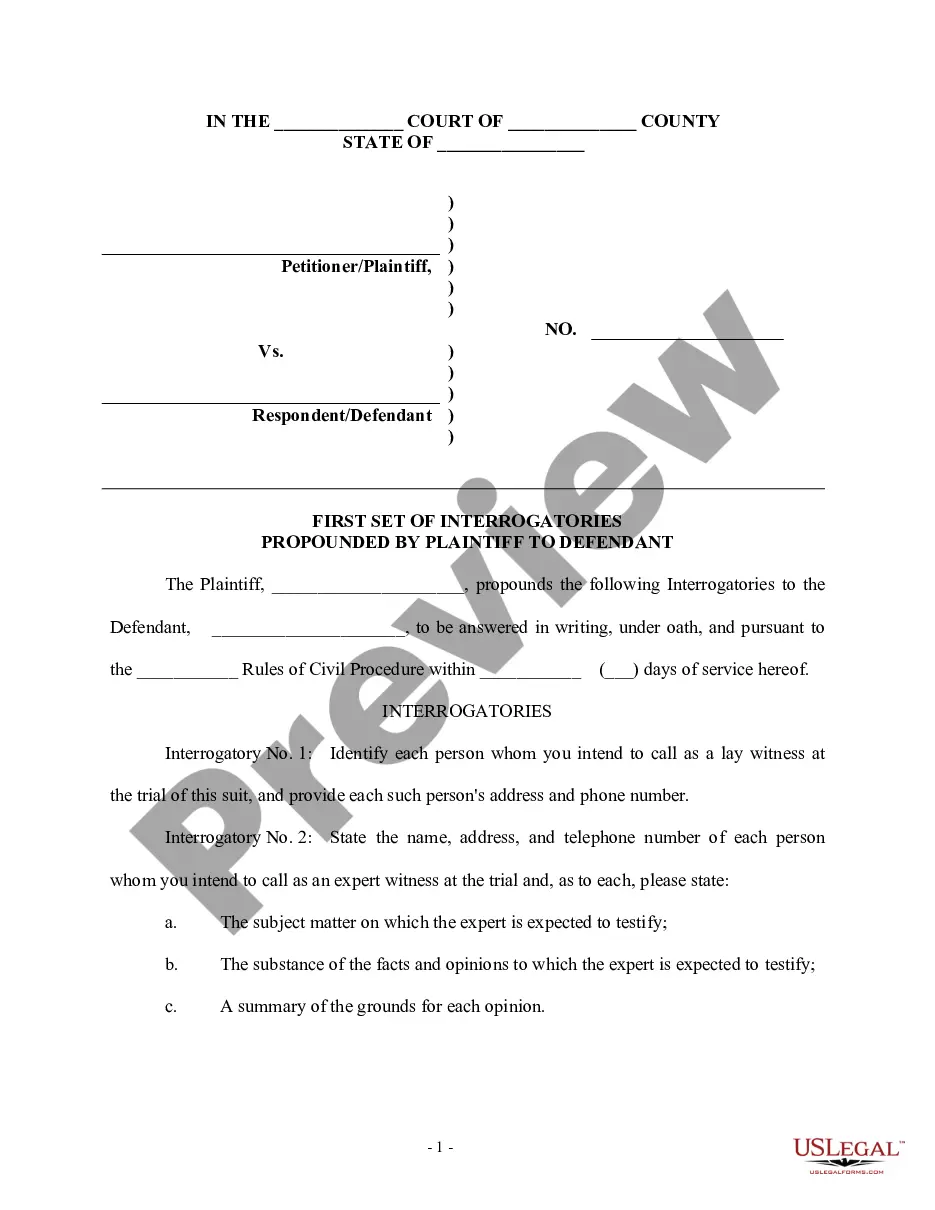
Parties may obtain discovery regarding any matter, not privileged, which is relevant to the subject matter involved in the pending action, whether it relates to the claim or defense of the party seeking discovery or to the claim or defense of any other party, including the existence, description, nature, custody, ...
Parties may obtain discovery regarding any matter, not privileged, which is relevant to the subject matter involved in the pending action, whether it relates to the claim or defense of the party seeking discovery or to the claim or defense of any other party, including the existence, description, nature, custody, ...
(C) A party may discover facts known or opinions held by an expert who is not expected to be called as a witness at trial, only as provided in rule 35(b) or upon a showing of exceptional circumstances under which it is impracticable for the party seeking discovery to obtain facts or opinions on the same subject by ...
Discovery is a process by which the parties gather and exchange information that is important to the case. What is the Purpose of Discovery? The purpose of discovery is to provide parties the opportunity to gather evidence relevant to proving or defending the case.
The best evidence rule requires the production of an original writing, except when its unavailability is satisfactorily explained, when an effort is being made to prove the terms of a writing, but it has no application to an attempt to prove the existence of a writing. McCormick, Evidence § 198 (1954).