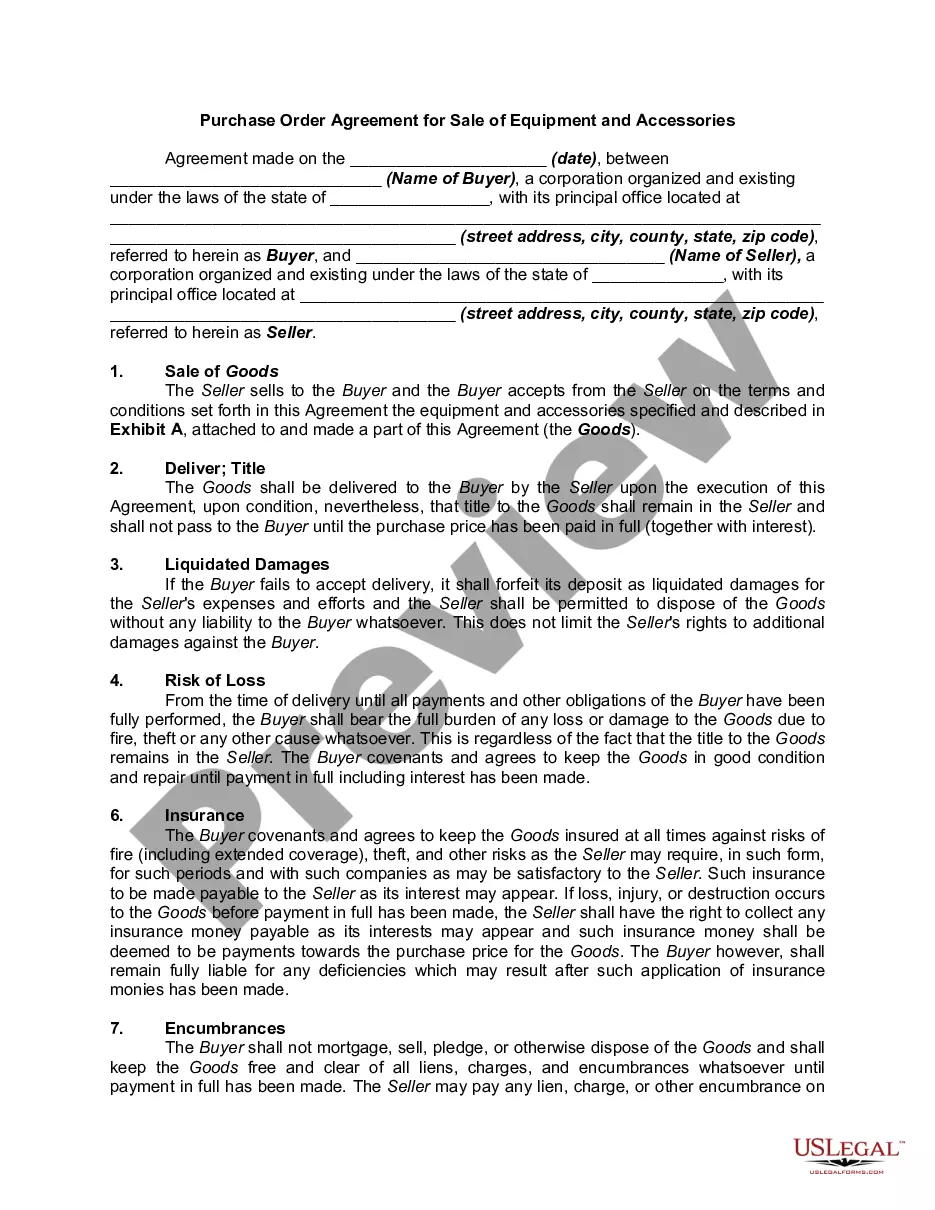
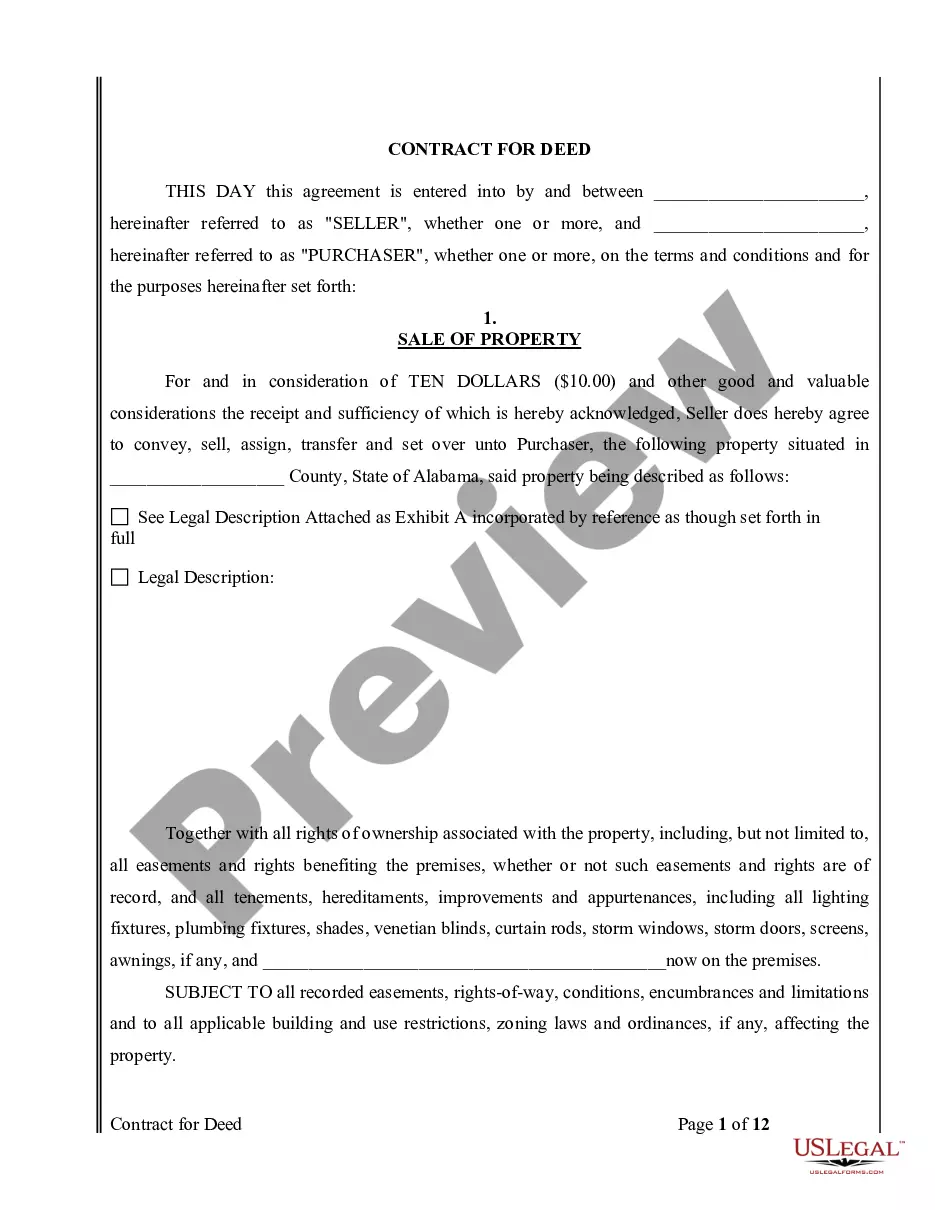
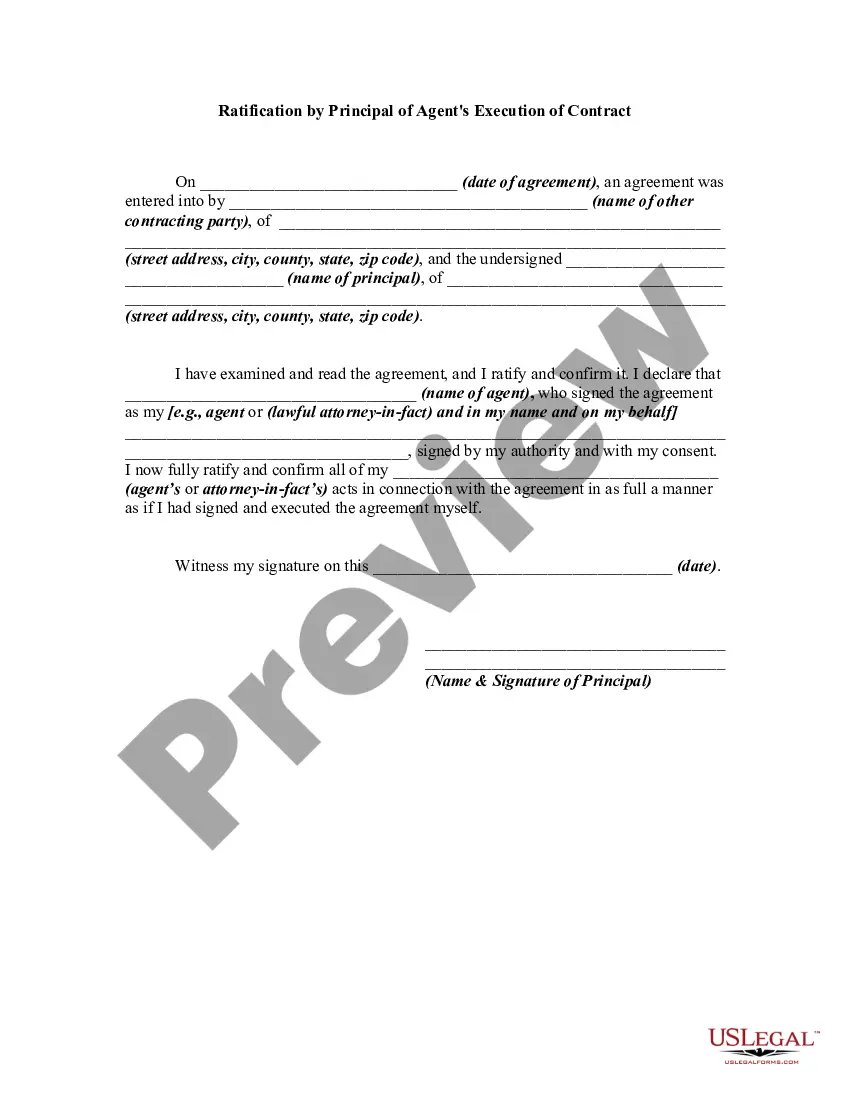
Notice Of Discovery \u0026amp; Specific Demand For Information In Utah
Description



Get your form ready online
Our built-in tools help you complete, sign, share, and store your documents in one place.
Make edits, fill in missing information, and update formatting in US Legal Forms—just like you would in MS Word.
Download a copy, print it, send it by email, or mail it via USPS—whatever works best for your next step.
Sign and collect signatures with our SignNow integration. Send to multiple recipients, set reminders, and more. Go Premium to unlock E-Sign.
If this form requires notarization, complete it online through a secure video call—no need to meet a notary in person or wait for an appointment.
We protect your documents and personal data by following strict security and privacy standards.

Make edits, fill in missing information, and update formatting in US Legal Forms—just like you would in MS Word.

Download a copy, print it, send it by email, or mail it via USPS—whatever works best for your next step.

Sign and collect signatures with our SignNow integration. Send to multiple recipients, set reminders, and more. Go Premium to unlock E-Sign.

If this form requires notarization, complete it online through a secure video call—no need to meet a notary in person or wait for an appointment.

We protect your documents and personal data by following strict security and privacy standards.
Looking for another form?








Form popularity
FAQ
Essentially, a party must disclose to the other parties the information, documents and witnesses that support the party's claims and defenses. Discovery refers to the procedures by which each party learns about the information, documents and witnesses that the other party does not have to disclose.
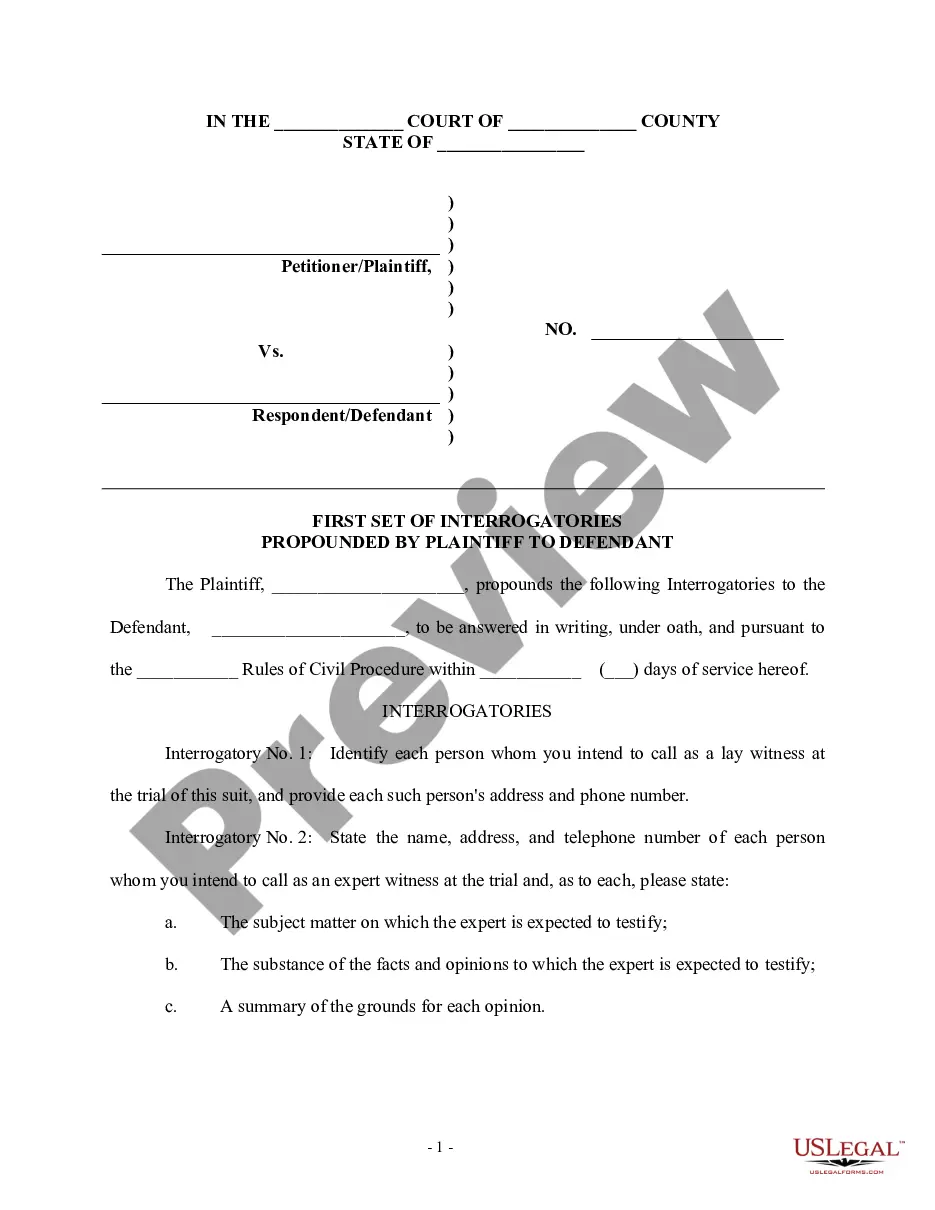
Usually, lawyers use interrogatories to obtain detailed information about persons, corporations, facts, witnesses, and identity and locations of records and documents. Court rules usually limit the number of questions included in an interrogatory.
Good evening. There are two things to remember when answering interrogatories...i) answer only the exact question asked with as few words as possible without expanding on anything; and ii) answer as irrelevant anything you don't really want to address.
These papers can be served by: Mailing them to the last known address provided. Handing them to the person. Emailing them to the most recent email address provided.
Unless otherwise limited by court order, the scope of discovery is as follows: Parties may obtain discovery regarding any nonprivileged matter that is relevant to any party's claim or defense, including the existence, description, nature, custody, condition, and location of any documents, electronically stored ...
One of the most common methods of discovery is to take depositions. A deposition is an out-of-court statement given under oath by any person involved in the case. It is to be used at trial or in preparation for trial. It may be in the form of a written transcript, a videotape, or both.
How Does Discovery Work? There are four main types of discovery requests: (1) depositions; (2) interrogatories; (3) requests for admissions; and (4) requests for the production of documents. Depositions are formal witness interviews.
Utah Rule of Civil Procedure 45(d). The person served with the subpoena has at least 14 days to comply with the request, and must mail copies of the documents to the party who issued the subpoena along with a copy of the Declaration in Compliance with Subpoena form, available in the Forms section below.
'Disclosure Requirement' refers to the mandatory rules and regulations that dictate the full reporting of financial transactions, including contributions and expenditures, related to political campaigns or organizations.