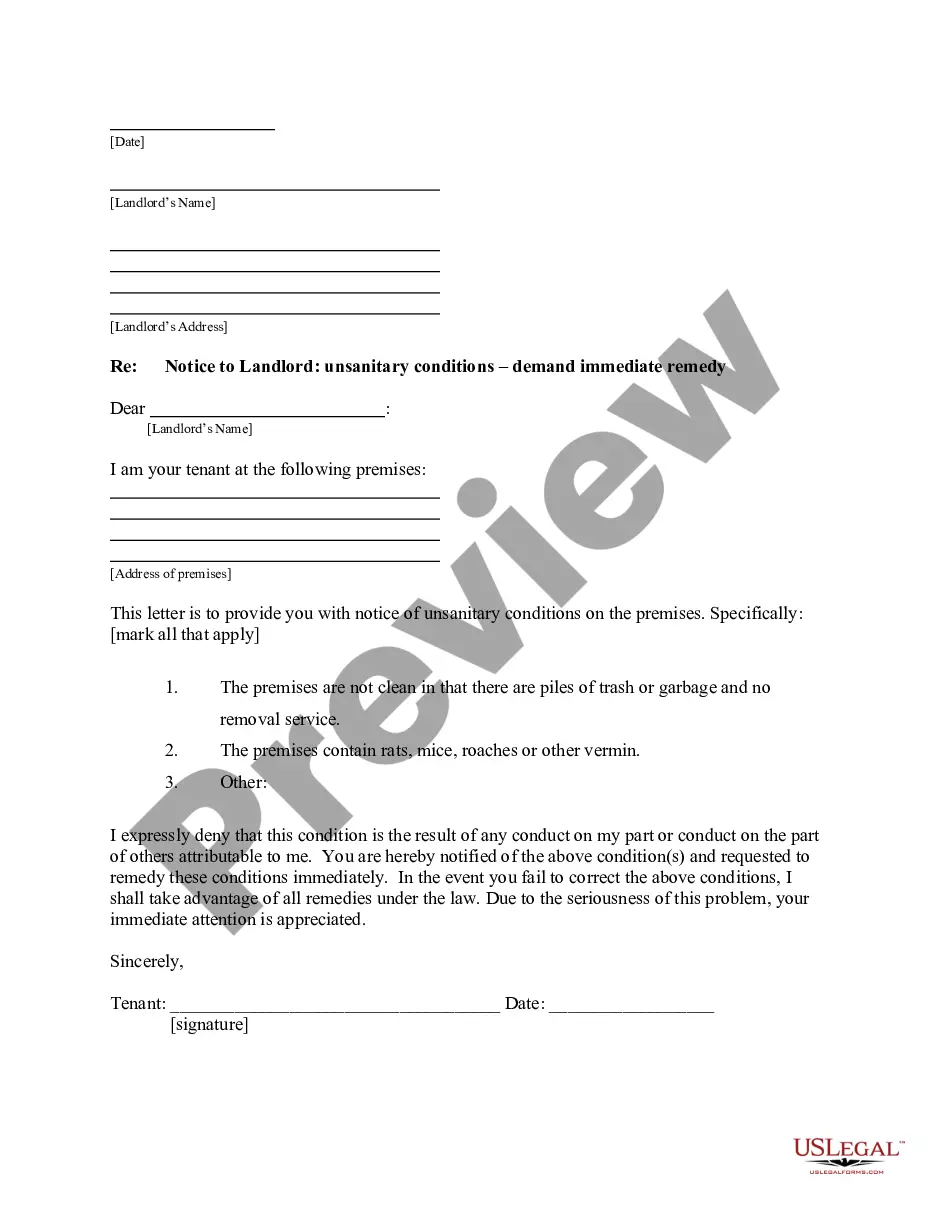
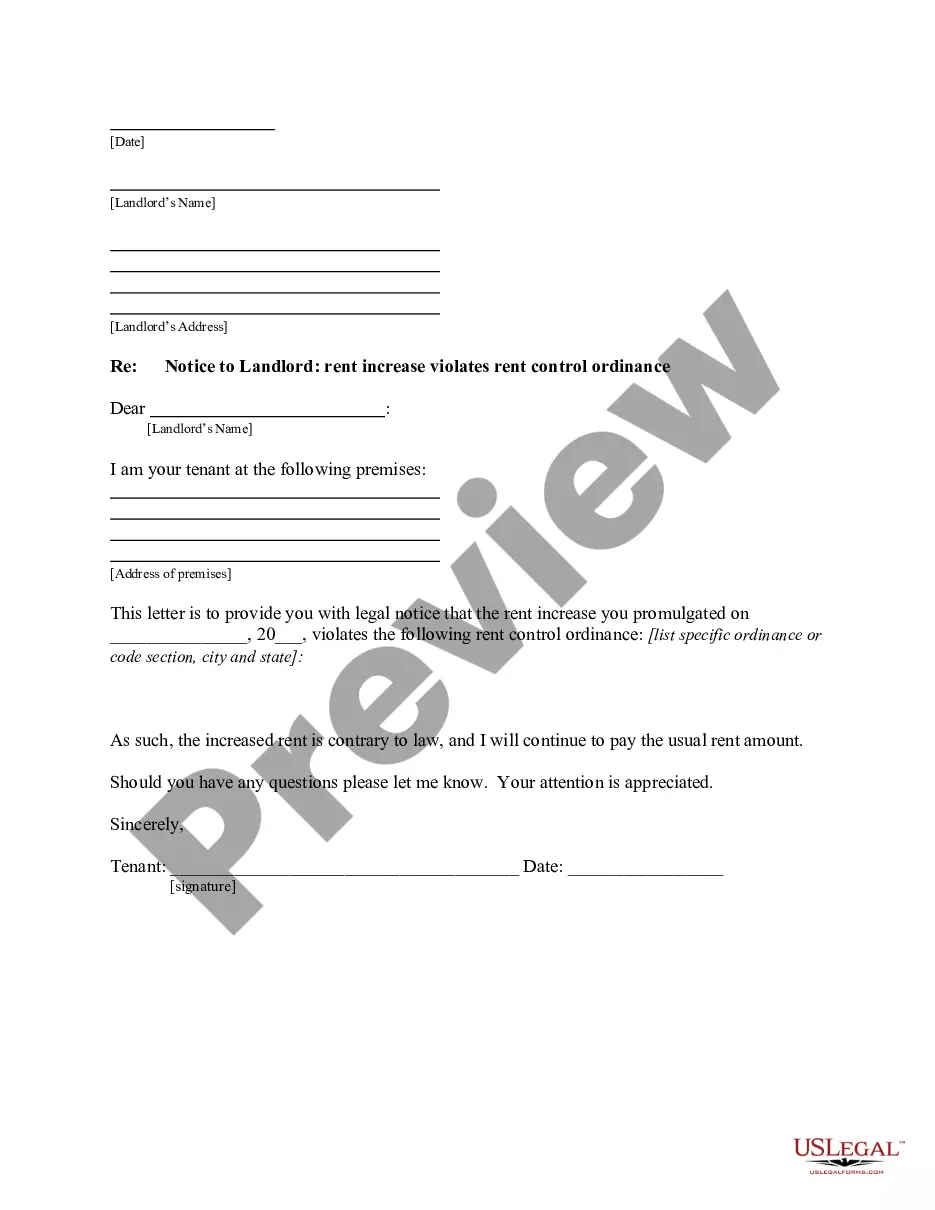
Notice For Discovery In Utah
Description

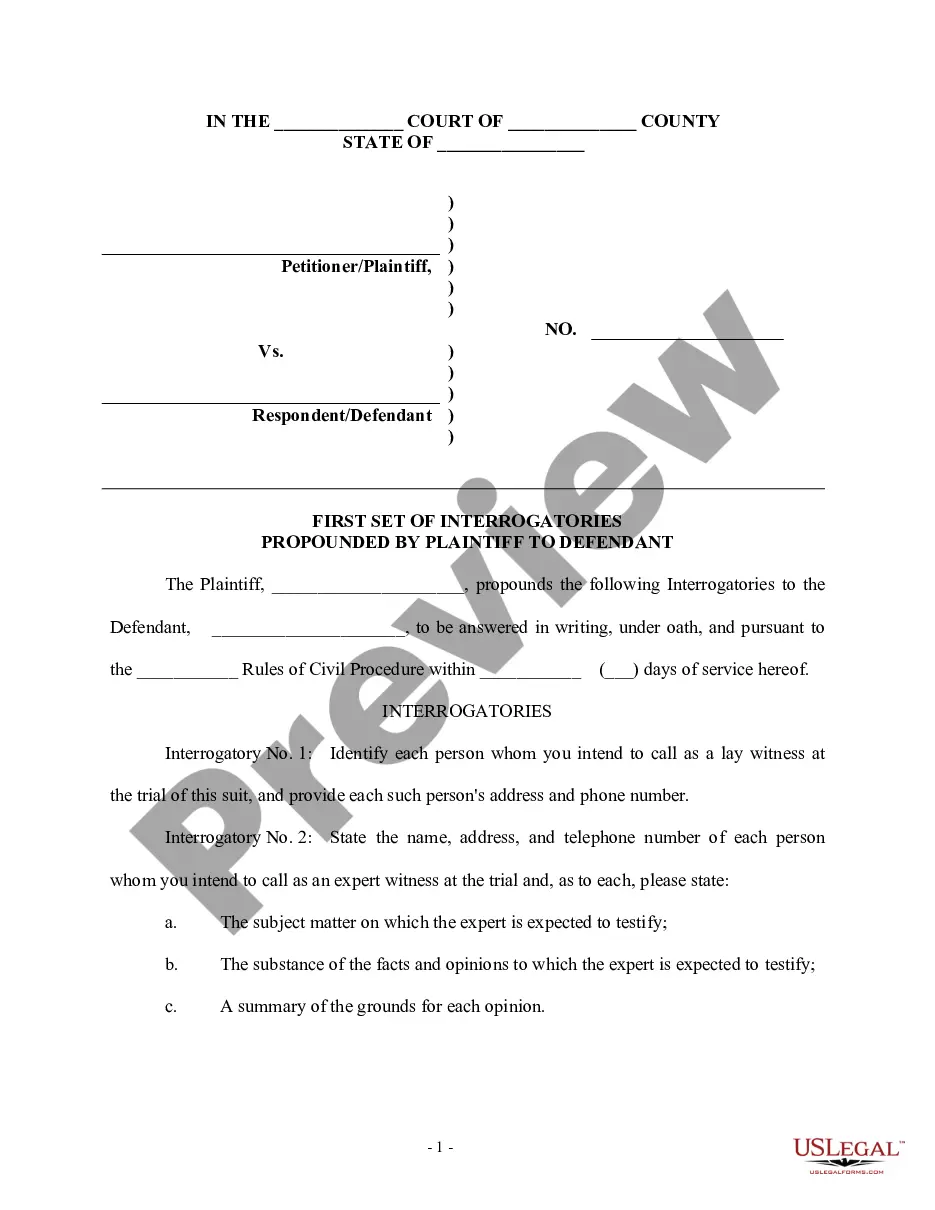
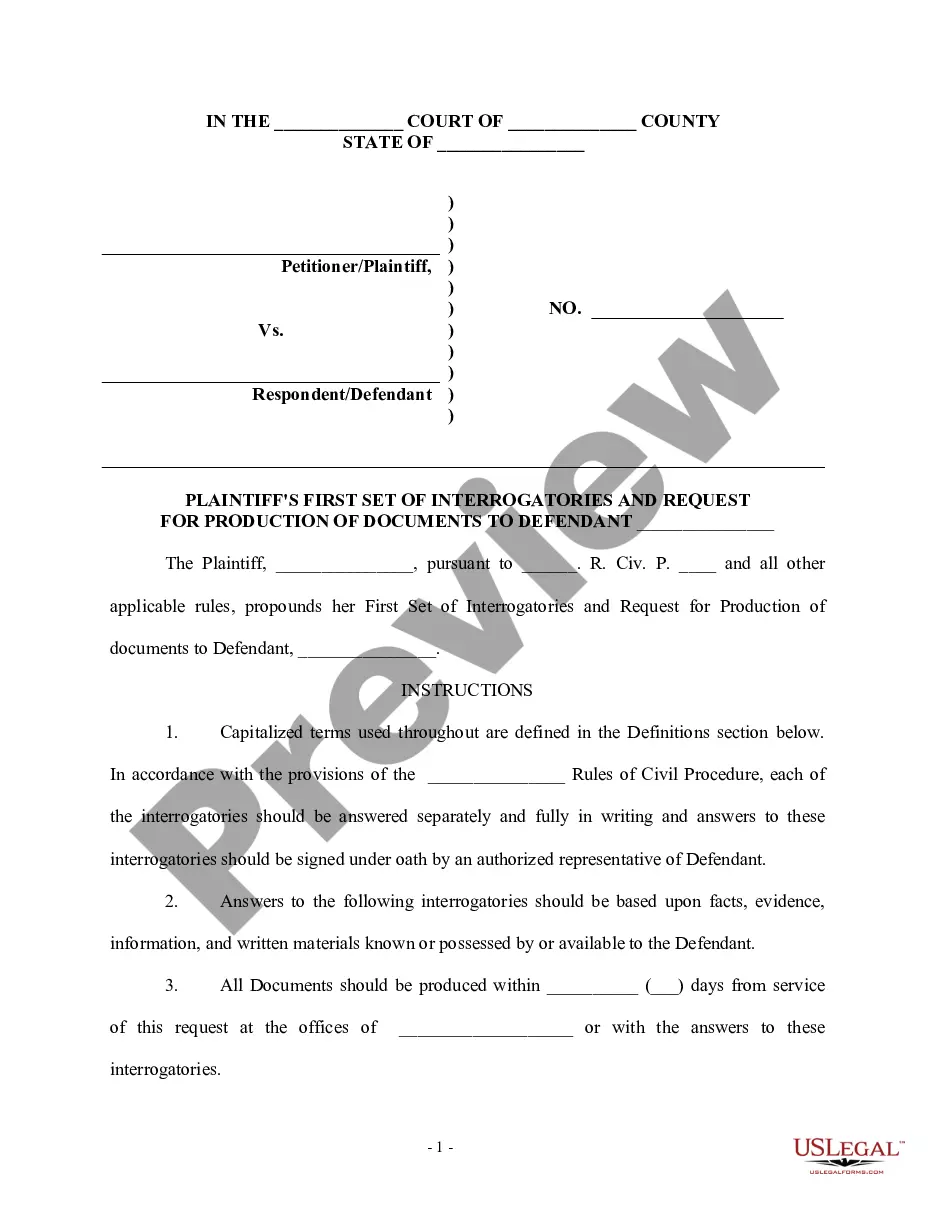
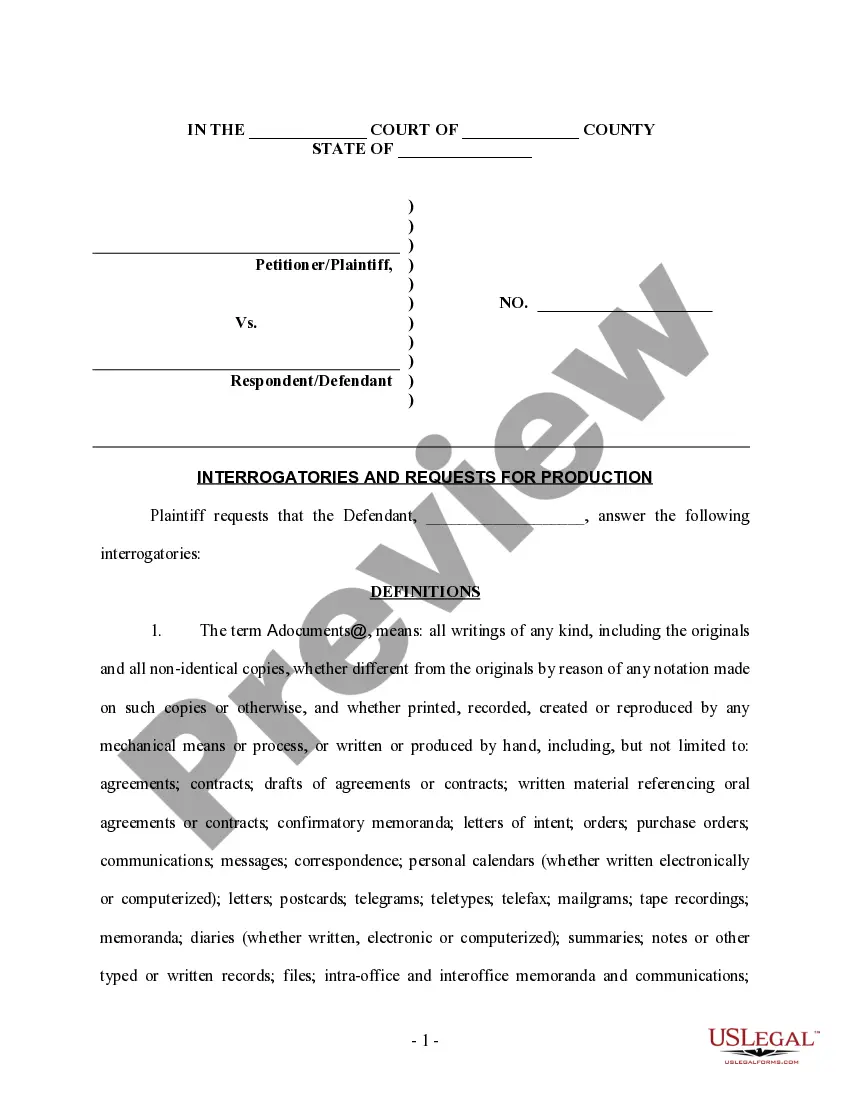
Get your form ready online
Our built-in tools help you complete, sign, share, and store your documents in one place.
Make edits, fill in missing information, and update formatting in US Legal Forms—just like you would in MS Word.
Download a copy, print it, send it by email, or mail it via USPS—whatever works best for your next step.
Sign and collect signatures with our SignNow integration. Send to multiple recipients, set reminders, and more. Go Premium to unlock E-Sign.
If this form requires notarization, complete it online through a secure video call—no need to meet a notary in person or wait for an appointment.
We protect your documents and personal data by following strict security and privacy standards.

Make edits, fill in missing information, and update formatting in US Legal Forms—just like you would in MS Word.

Download a copy, print it, send it by email, or mail it via USPS—whatever works best for your next step.

Sign and collect signatures with our SignNow integration. Send to multiple recipients, set reminders, and more. Go Premium to unlock E-Sign.

If this form requires notarization, complete it online through a secure video call—no need to meet a notary in person or wait for an appointment.

We protect your documents and personal data by following strict security and privacy standards.
Looking for another form?







Form popularity
FAQ
Discovery is shocking, unplanned, overwhelming, and usually only a portion of the betrayal is revealed and acknowledged. Disclosure is the exact opposite. In disclosure, the cheating partner voluntarily tells the betrayed partner the full scope and details about his behavior.
Discovery is the formal process by which the parties to a case in court exchange information about the case. This includes information about the witnesses and evidence to be presented at trial. Its purpose is to make the parties aware of the evidence which may be presented at trial.
Rule 11 was designed to highlight the importance of constitutional rights by requiring the judge in district court to discuss these rights with the defendant before accepting his plea. In other words, Rule 11 was created to help the defendant understand the basic consequences of the decision to plead guilty.
Discovery allows you to get information and evidence from the other party or other persons you can use in your lawsuit.
One of the most common methods of discovery is to take depositions. A deposition is an out-of-court statement given under oath by any person involved in the case. It is to be used at trial or in preparation for trial. It may be in the form of a written transcript, a videotape, or both.
A party must make disclosures and respond to discovery requests based on the information then known or reasonably available to the party. If a party learns that a disclosure or discovery response is incomplete or incorrect in some important way, the party must timely provide the additional or correct information.
Many of these cases will settle at the close of the discovery phase, which includes depositions. After a personal injury claim is filed in California, the defendant (person who is alleged to have caused the accident or injury) has a set period of time to respond to the complaint.
You must finish discovery 30 days before trial That means, at the very latest anything you ask for must be due 30 days before your trial. At the latest, you need to serve your requests 60 days before your trial date (65 if you serve by mail).
A news reporter or confidential source has a privilege to refuse to disclose — and to prevent any other person from disclosing — confidential source information, unless the person seeking the information demonstrates by clear and convincing evidence that disclosure is necessary to prevent substantial injury or death.
(i) The party who bears the burden of proof on the issue for which expert testimony is offered must serve on the other parties the information required by paragraph (a)(4)(A) within 14 days after the close of fact discovery.