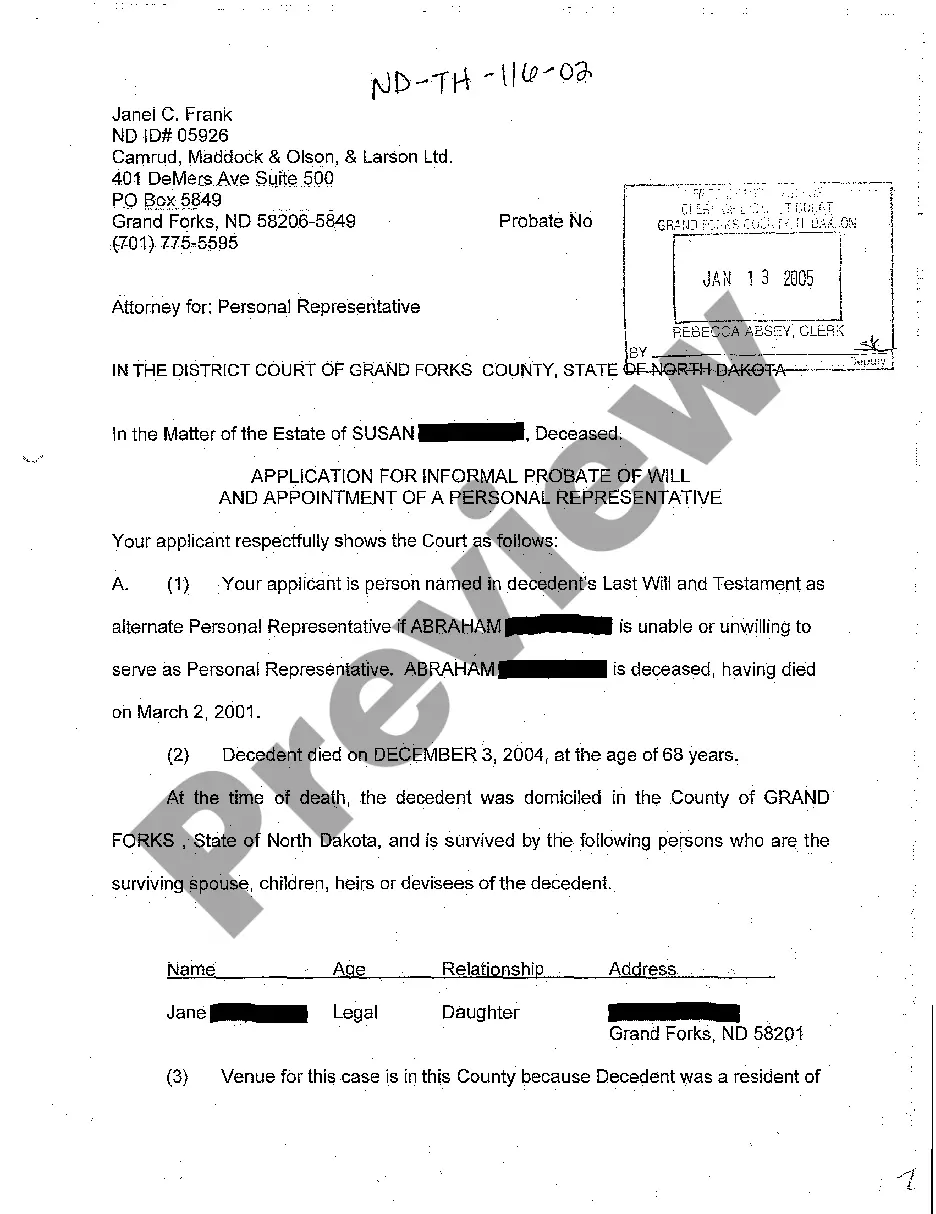
Notification With Service Worker In San Antonio
Description






Get your form ready online
Our built-in tools help you complete, sign, share, and store your documents in one place.
Make edits, fill in missing information, and update formatting in US Legal Forms—just like you would in MS Word.
Download a copy, print it, send it by email, or mail it via USPS—whatever works best for your next step.
Sign and collect signatures with our SignNow integration. Send to multiple recipients, set reminders, and more. Go Premium to unlock E-Sign.
If this form requires notarization, complete it online through a secure video call—no need to meet a notary in person or wait for an appointment.
We protect your documents and personal data by following strict security and privacy standards.

Make edits, fill in missing information, and update formatting in US Legal Forms—just like you would in MS Word.

Download a copy, print it, send it by email, or mail it via USPS—whatever works best for your next step.

Sign and collect signatures with our SignNow integration. Send to multiple recipients, set reminders, and more. Go Premium to unlock E-Sign.

If this form requires notarization, complete it online through a secure video call—no need to meet a notary in person or wait for an appointment.

We protect your documents and personal data by following strict security and privacy standards.
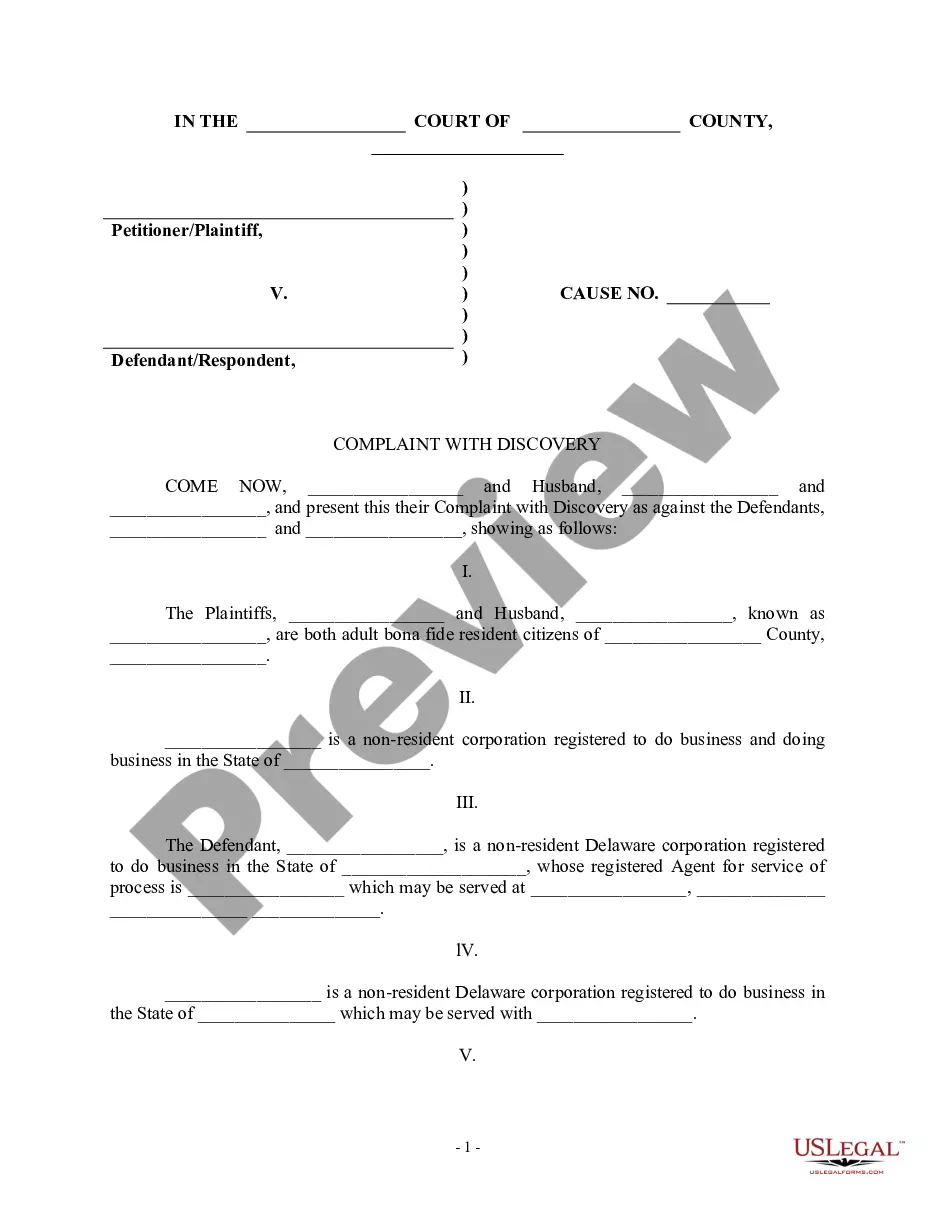
Looking for another form?









Form popularity
FAQ
A: From a page on the same origin, go to Developer Tools > Application > Service Workers. You can also use chrome://inspect/#service-workers to find all running service workers.
In Solution Explorer, right-click the service reference, and then select Update Service Reference. A progress dialog box displays while the reference is updated from its original location, and the service client is regenerated to reflect any changes in the metadata.
A service worker has a lifecycle that consists of three main phases: registration, installation, and activation. To update a service worker, you need to change its source code and trigger a new installation. This can be done by using a version number, a hash, or a timestamp in the service worker file name or URL.
Service workers fulfill their duties in various industries, including healthcare, education, event planning, finance, waste management, entertainment, retail, food, information technology, transportation, warehousing, and law enforcement.
Service workers essentially act as proxy servers that sit between web applications, the browser, and the network (when available).
A service worker has a lifecycle that consists of three main phases: registration, installation, and activation. To update a service worker, you need to change its source code and trigger a new installation. This can be done by using a version number, a hash, or a timestamp in the service worker file name or URL.
Service workers are enabled by default in all modern browsers. To run code using service workers, you'll need to serve your code via HTTPS — Service workers are restricted to running across HTTPS for security reasons. A server supporting HTTPS is necessary.
Handle notifications in the service worker Add the following code to the end of the file: // Show notification when received self. addEventListener('message', (event) => { let notification = event. data; self.
Service workers are specialized JavaScript assets that act as proxies between web browsers and web servers. They aim to improve reliability by providing offline access, as well as boost page performance.