Notice Discovery Template For Product In Salt Lake
Description

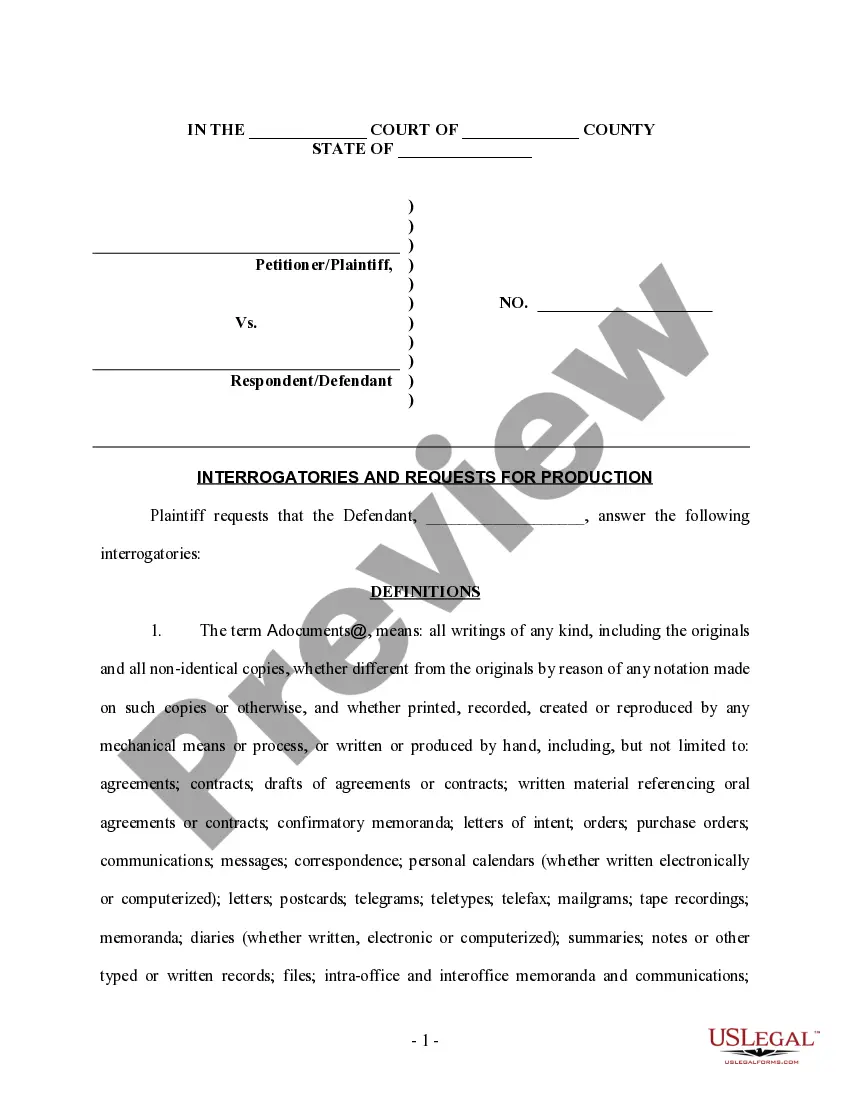
Get your form ready online
Our built-in tools help you complete, sign, share, and store your documents in one place.
Make edits, fill in missing information, and update formatting in US Legal Forms—just like you would in MS Word.
Download a copy, print it, send it by email, or mail it via USPS—whatever works best for your next step.
Sign and collect signatures with our SignNow integration. Send to multiple recipients, set reminders, and more. Go Premium to unlock E-Sign.
If this form requires notarization, complete it online through a secure video call—no need to meet a notary in person or wait for an appointment.
We protect your documents and personal data by following strict security and privacy standards.

Make edits, fill in missing information, and update formatting in US Legal Forms—just like you would in MS Word.

Download a copy, print it, send it by email, or mail it via USPS—whatever works best for your next step.

Sign and collect signatures with our SignNow integration. Send to multiple recipients, set reminders, and more. Go Premium to unlock E-Sign.

If this form requires notarization, complete it online through a secure video call—no need to meet a notary in person or wait for an appointment.

We protect your documents and personal data by following strict security and privacy standards.
Looking for another form?



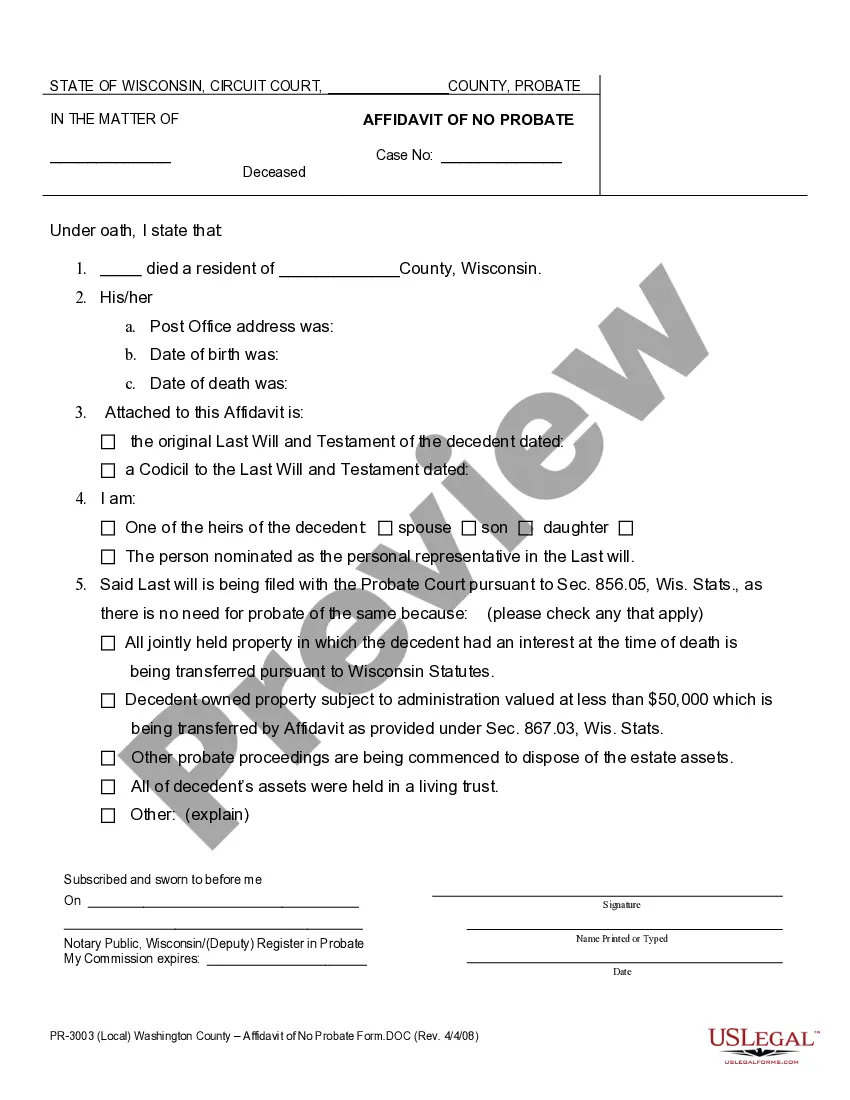





Form popularity
FAQ
Essentially, a party must disclose to the other parties the information, documents and witnesses that support the party's claims and defenses. Discovery refers to the procedures by which each party learns about the information, documents and witnesses that the other party does not have to disclose.
When a civil case is settled, that fact is usually apparent from the public record. However, the terms of settlement and any discovery records may remain confidential.
Discovery in a criminal case is considered a public record by law. This means that anyone, including the defendant, their attorney, members of the media, or protesters, can access the document.
In the context of discovery, materials that are requested and obtained are not public until they are introduced as evidence or filed with the clerk of court.
Specific Methods to Authenticate in Discovery But not all courts agree that the act of producing a document in response to a discovery request implies authenticity and may still require a showing of authenticity.
In some places, if both sides agree, every document produced in discovery and every deposition can be marked “confidential” and shielded from public view. The subject matter of the litigation is, in many instances, only tangentially related to the level of confidentiality sought by the litigants.
How to run a discovery meeting Create an agenda. An agenda is a written or digitized outline of the meeting. Focus on pain points. Ask questions. Leverage your expertise. Present your offer. Discuss costs and challenges. Ensure commitment from prospects. Set clear expectations for the next steps.
A prosecuting attorney is required to disclose to the accused the following material, and to make it available for inspection and copying: (i) names and addresses of witnesses, (ii) written or recorded statements of the accused, (iii) written or recorded statements of a co-defendant, (iv) any books, papers, documents, ...
The product discovery process consists of 7 key stages: Build the product discovery team. Conduct user research. Identify common problems. Prioritize opportunities. Carry out product ideation. Validate product/feature ideas. Develop prototypes and test them.