Service Of Interrogatories New York In Queens
Description


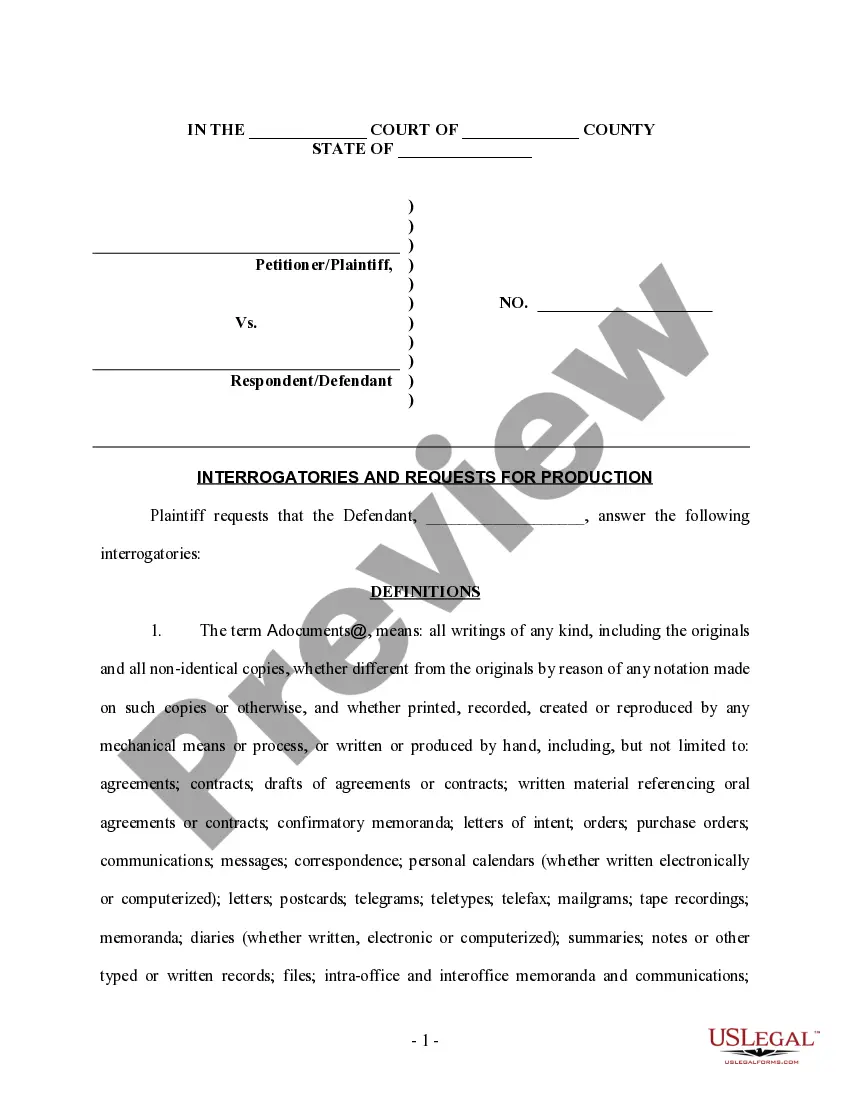
Get your form ready online
Our built-in tools help you complete, sign, share, and store your documents in one place.
Make edits, fill in missing information, and update formatting in US Legal Forms—just like you would in MS Word.
Download a copy, print it, send it by email, or mail it via USPS—whatever works best for your next step.
Sign and collect signatures with our SignNow integration. Send to multiple recipients, set reminders, and more. Go Premium to unlock E-Sign.
If this form requires notarization, complete it online through a secure video call—no need to meet a notary in person or wait for an appointment.
We protect your documents and personal data by following strict security and privacy standards.

Make edits, fill in missing information, and update formatting in US Legal Forms—just like you would in MS Word.

Download a copy, print it, send it by email, or mail it via USPS—whatever works best for your next step.

Sign and collect signatures with our SignNow integration. Send to multiple recipients, set reminders, and more. Go Premium to unlock E-Sign.

If this form requires notarization, complete it online through a secure video call—no need to meet a notary in person or wait for an appointment.

We protect your documents and personal data by following strict security and privacy standards.
Looking for another form?


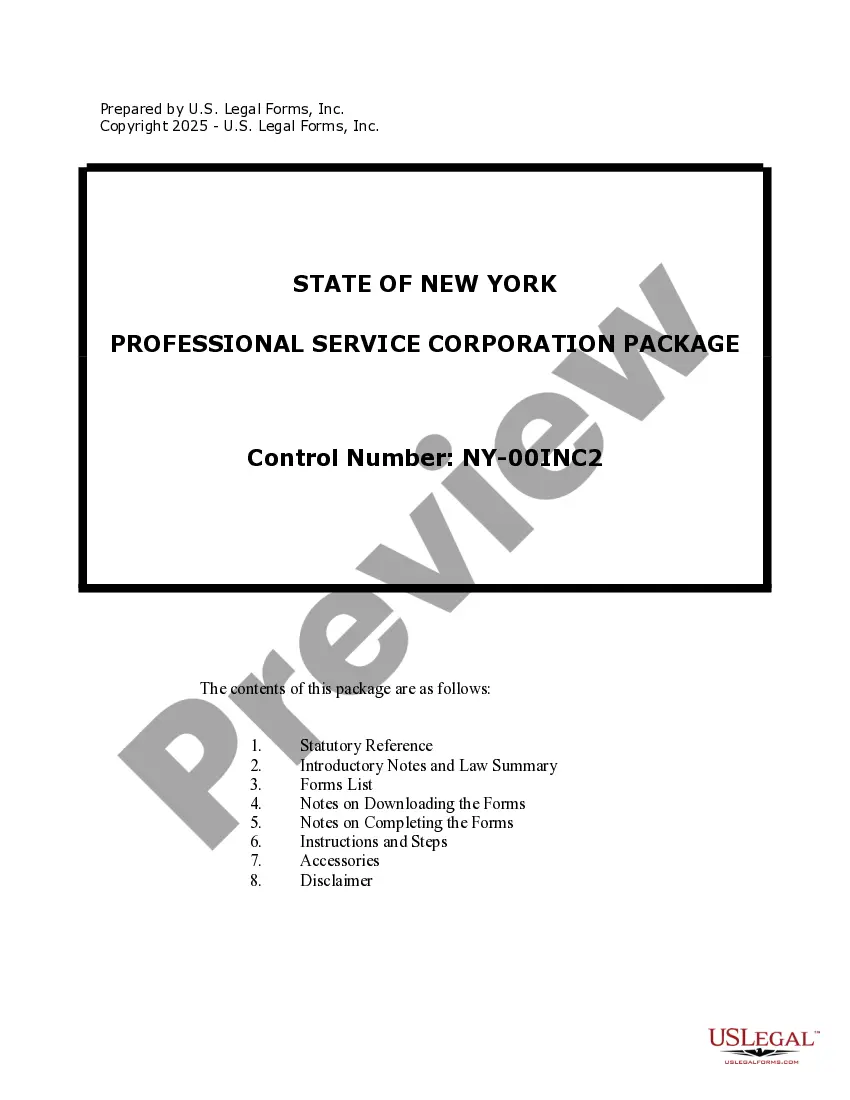
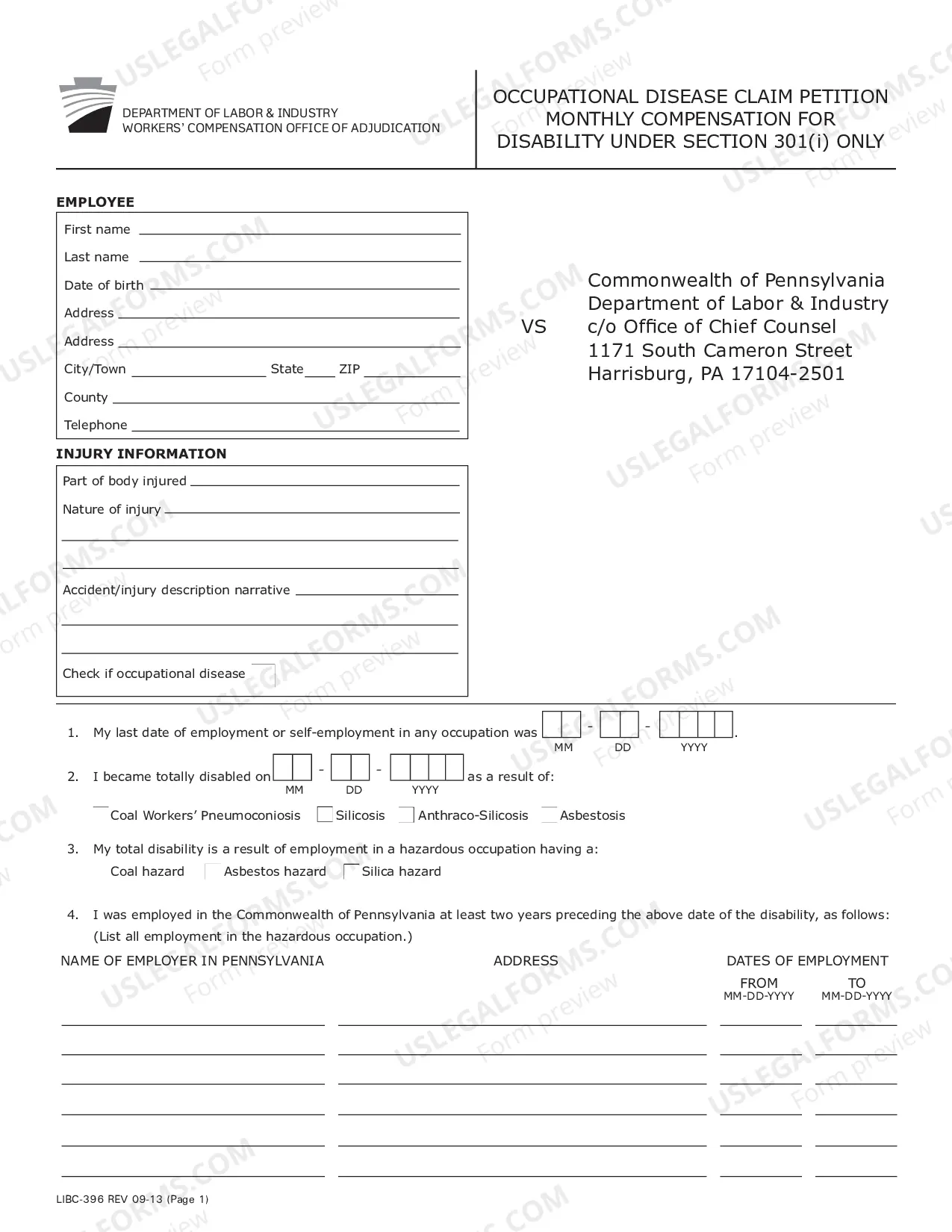


Form popularity
FAQ
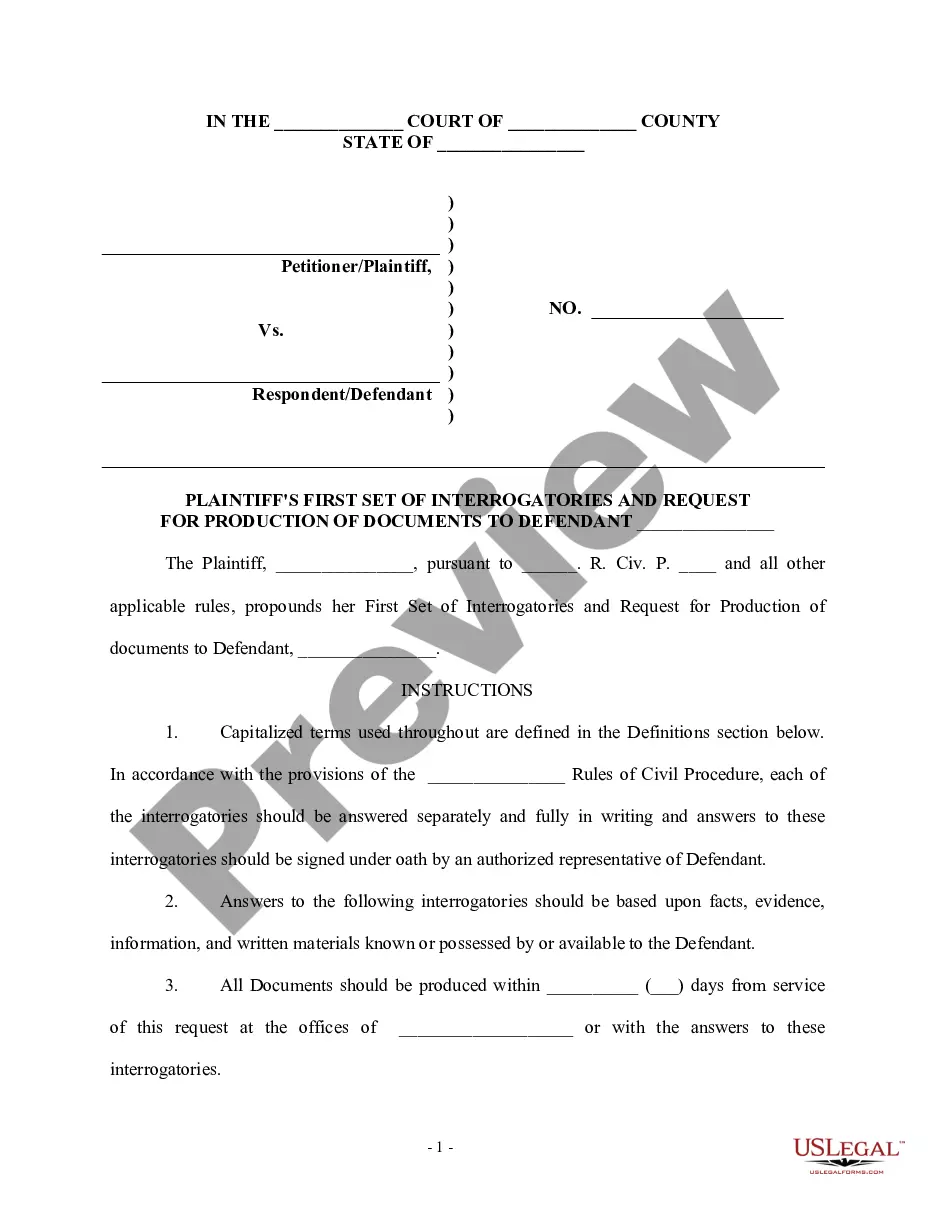
Interrogatories may, without leave of court, be served upon the plaintiff after filing of the complaint and upon any other party with or after service of the summons and complaint upon that party.
Once an RJI is filed with the Court, the matter will be scheduled for a Preliminary Conference either before a Judge or a Court Attorney Referee. The time to get a Preliminary Conference date depends on the County but generally is 30-45 days unless there is an emergency issue.
Service of interrogatories. After commencement of an action, any party may serve written interrogatories upon any other party. Interrogatories may not be served upon a defendant before that defendant's time for serving a responsive pleading has expired, except by leave of court granted with or without notice.
To serve a discovery request on a nonparty (where permissible), you must follow the procedures in Federal Rule of Civil Procedure 45. You must sign your discovery requests and responses and include your name, address, phone number, and email address (if available).
Customarily, the party making the motion or requesting the relief that needs judicial intervention files the RJI, but that is not required. Review the RJI form carefully, and note that the filer must include: The case index number; PRACTICE TIP: At the top of the RJI form, the index number must be listed.
Read the question very carefully. Answer only the question that is asked, and avoid the temptation to over-explain your answer. If the question contains several parts, you may break your answer into parts as well. It is also possible that you might object to the question.
Clear and Succinct Language: Writing in an easy-to-understand way without using complex legal terms. Leading Questions: Questions that suggest the desired answer and can be seen as an attempt to influence the party's response. Motion to Compel: A legal request to force the opposing party to answer the interrogatories.
Read the question very carefully. Answer only the question that is asked, and avoid the temptation to over-explain your answer. If the question contains several parts, you may break your answer into parts as well. It is also possible that you might object to the question.
Interrogatories shall be answered in writing under oath by the party served, if an individual, or, if the party served is a corporation, a partnership or a sole proprietorship, by an officer, director, member, agent or employee having the information.
Draft Interrogatories Strategically Only ask specific questions that address the crux of the matter where possible. Avoid board or vague questions. The opposing party's legal team may simply file objections against these, citing irrelevance, wasting your time. Also, ask questions sequentially.