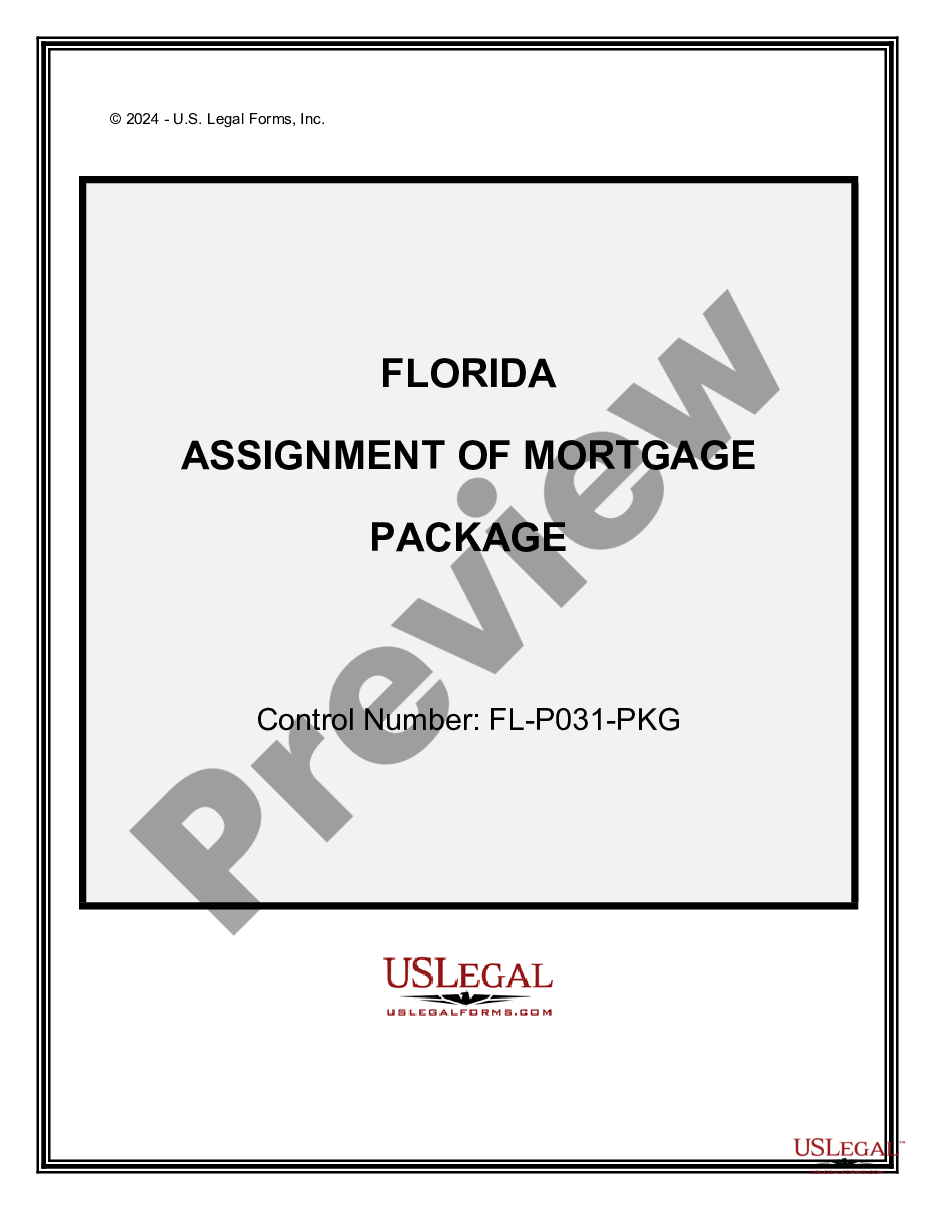
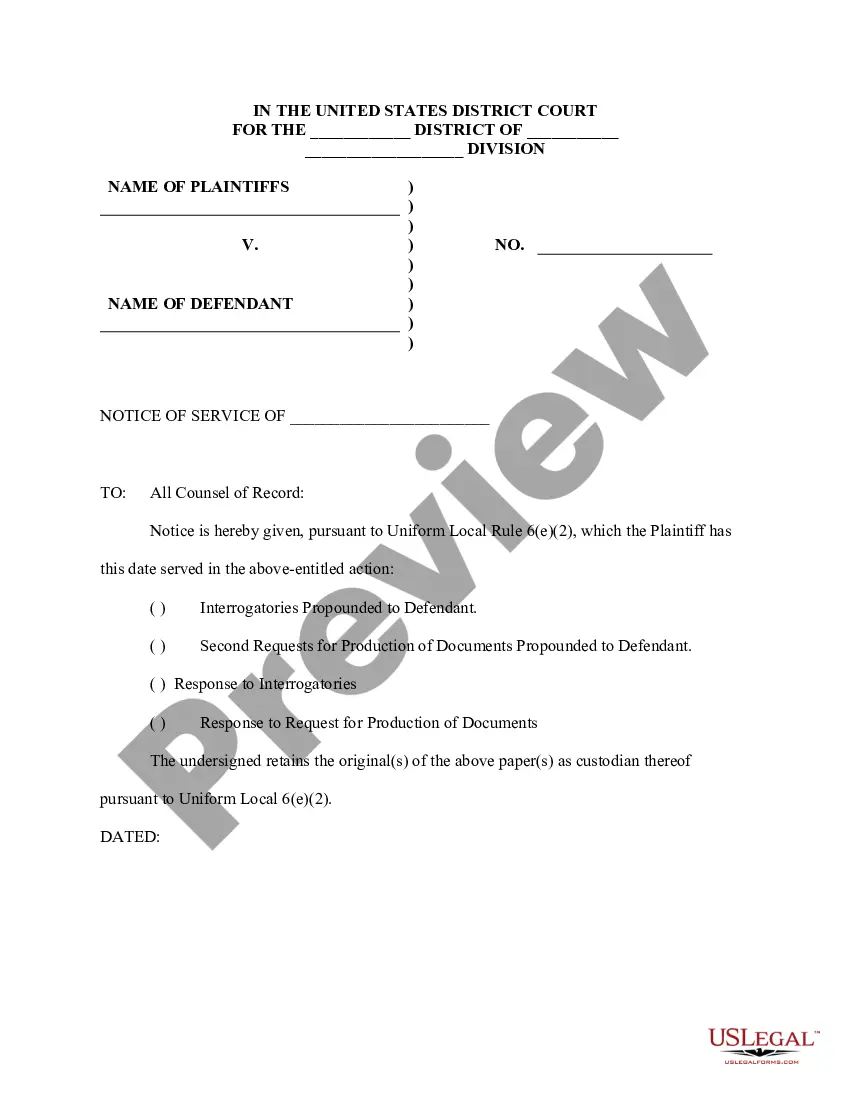
Notice Of Service Of Discovery Example In Queens
Description

Get your form ready online
Our built-in tools help you complete, sign, share, and store your documents in one place.
Make edits, fill in missing information, and update formatting in US Legal Forms—just like you would in MS Word.
Download a copy, print it, send it by email, or mail it via USPS—whatever works best for your next step.
Sign and collect signatures with our SignNow integration. Send to multiple recipients, set reminders, and more. Go Premium to unlock E-Sign.
If this form requires notarization, complete it online through a secure video call—no need to meet a notary in person or wait for an appointment.
We protect your documents and personal data by following strict security and privacy standards.

Make edits, fill in missing information, and update formatting in US Legal Forms—just like you would in MS Word.

Download a copy, print it, send it by email, or mail it via USPS—whatever works best for your next step.

Sign and collect signatures with our SignNow integration. Send to multiple recipients, set reminders, and more. Go Premium to unlock E-Sign.

If this form requires notarization, complete it online through a secure video call—no need to meet a notary in person or wait for an appointment.

We protect your documents and personal data by following strict security and privacy standards.
Looking for another form?


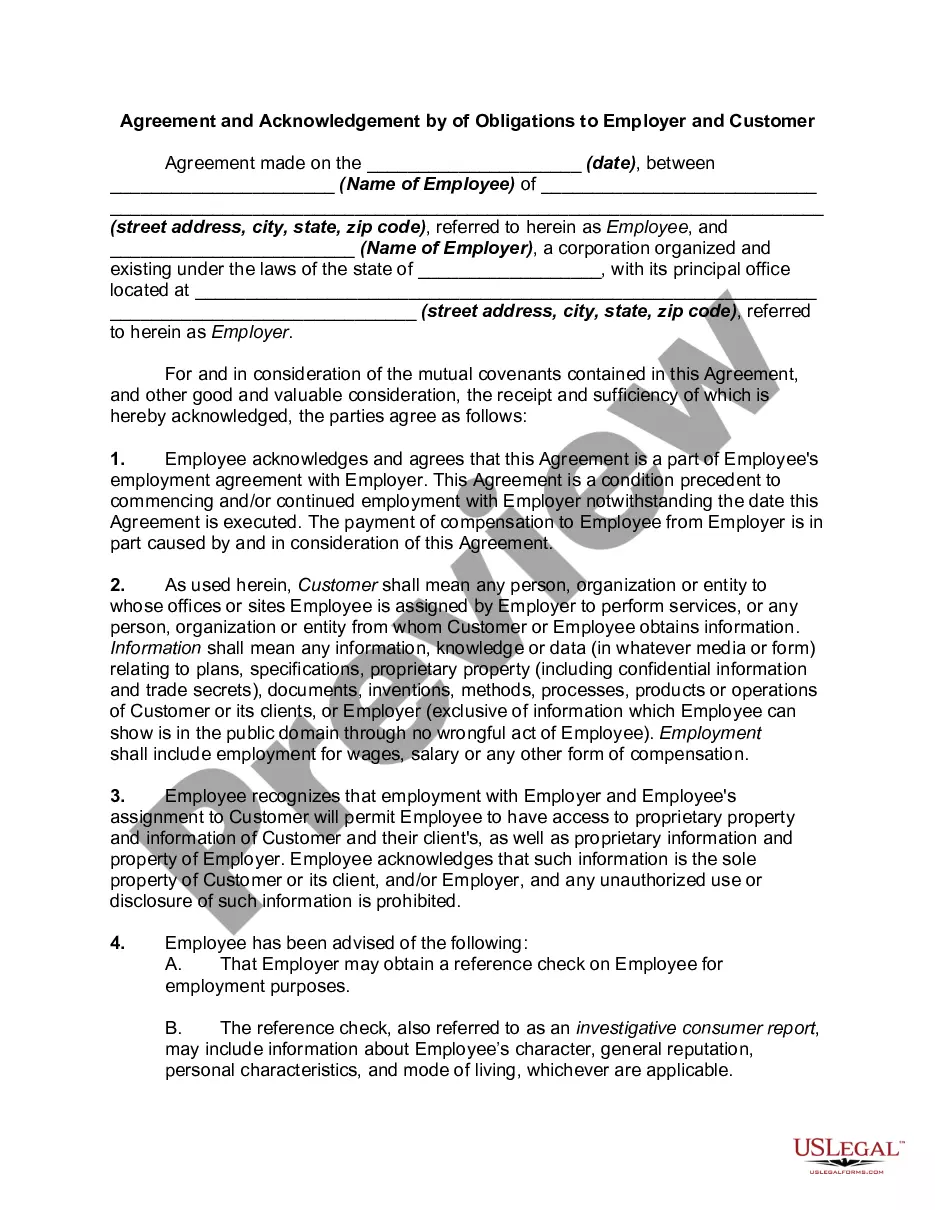
Form popularity
FAQ
When Is Discovery Available? In New York Supreme Court actions (other than actions in the Commercial Division) discovery is generally available after the defendant interposes its answer. If the defendant serves a pre-answer motion to dismiss, however, then discovery is generally stayed until that motion is decided.
A "notice of discovery" is usually used to let a party or witness to a case know that they are being asked to provide come form of evidence in a pending civil or criminal matter; depending on the specific rules of the court in which the case is pending, a notice of discovery may serve the same purpose as a subpoena ...
Personal Service of Process in NY The most common way of effecting service upon a “natural person” is by hand delivery. Section 308 of the consolidated statutes (CPLR 308) states that personal service upon a person can be made “by delivering the summons within the state to the person to be served.” It's that simple.
Write out each fact you wish the other party to admit is true. When writing these facts, be as clear and concise as possible. Each request must be for a single fact; do not include multiple facts, compound questions, or subparts.
You can either answer the summons in writing or in person. If you answer in person, you must go to the courthouse clerk's office and tell the clerk about your defenses to the plaintiff's claims.
How to serve a Response for written discovery Choose a server. You can't serve papers yourself. Figure out deadline to serve. Have your server mail the papers. Have your server complete the Proof of Service form. Copy the Proof of Service form.
Many of these cases will settle at the close of the discovery phase, which includes depositions. After a personal injury claim is filed in California, the defendant (person who is alleged to have caused the accident or injury) has a set period of time to respond to the complaint.
How Does Discovery Work? There are four main types of discovery requests: (1) depositions; (2) interrogatories; (3) requests for admissions; and (4) requests for the production of documents. Depositions are formal witness interviews.