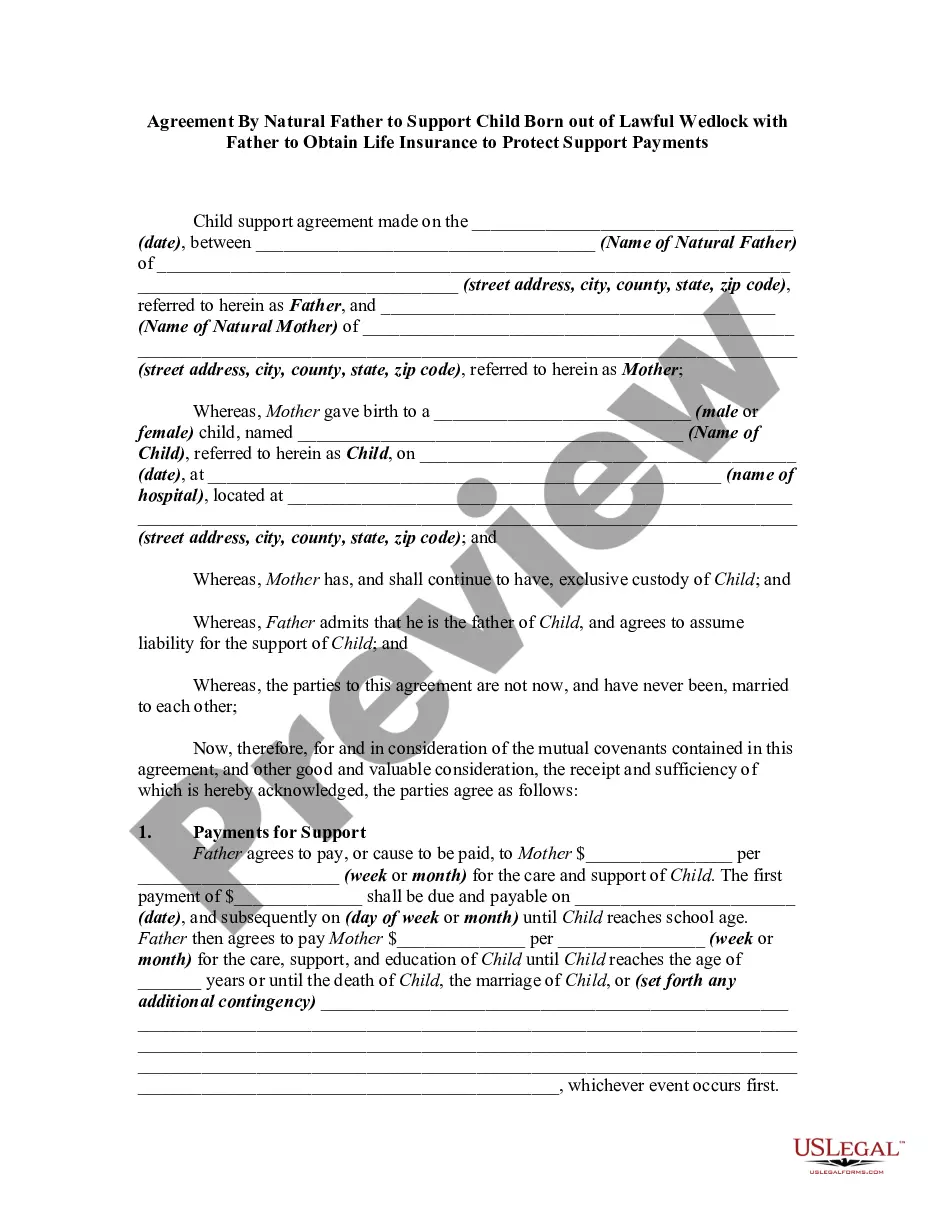
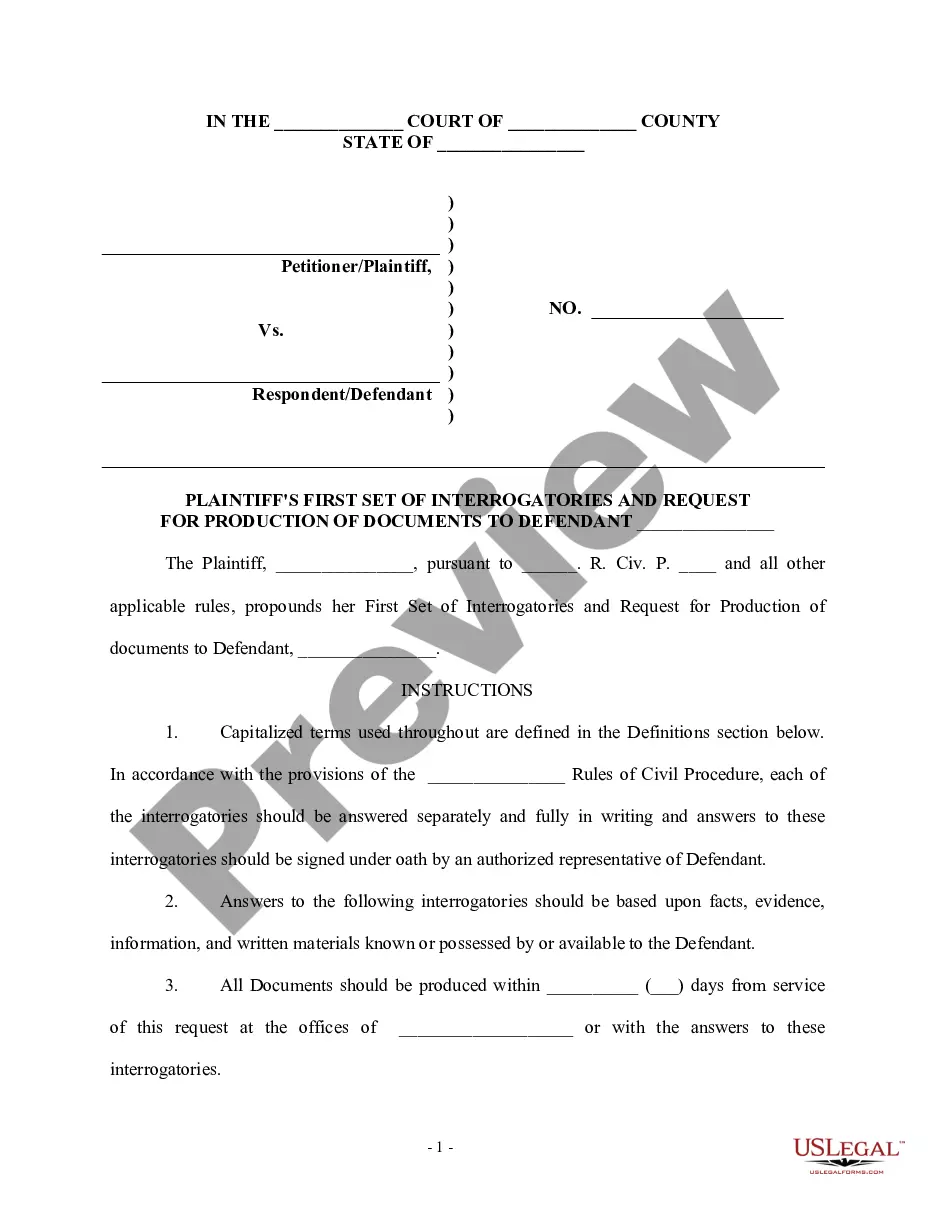
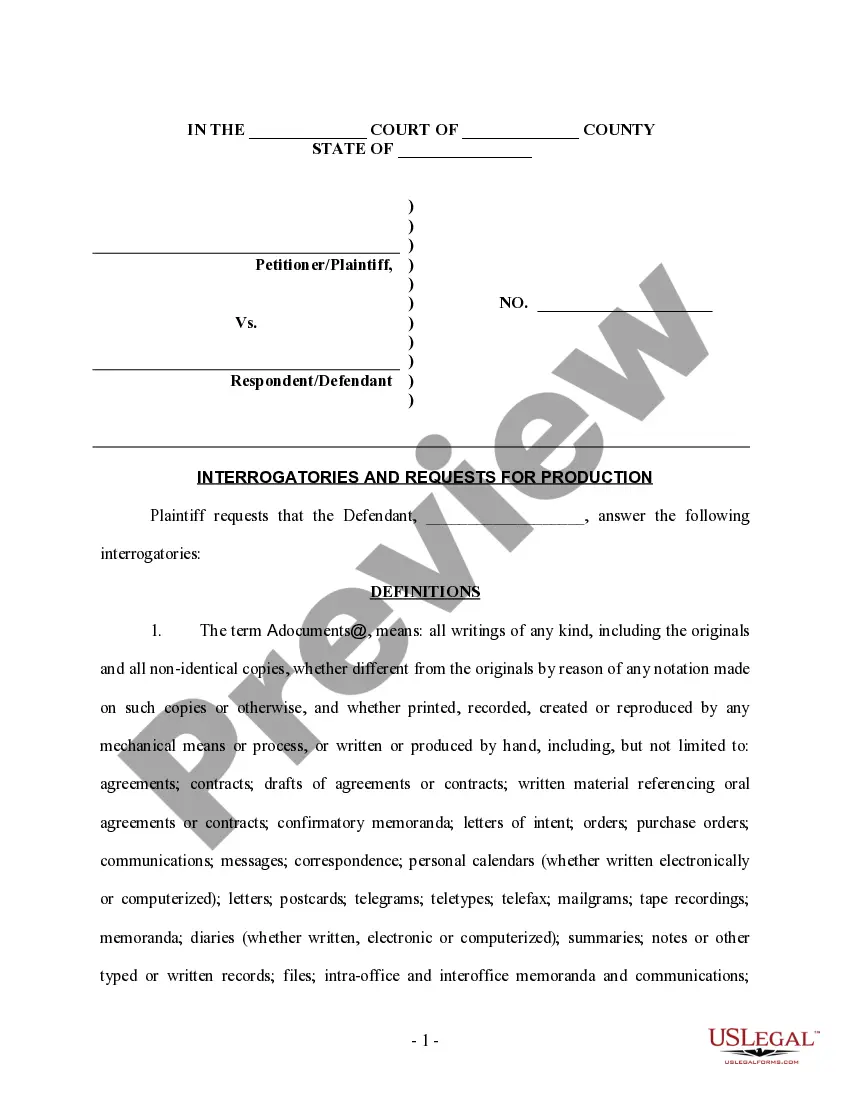
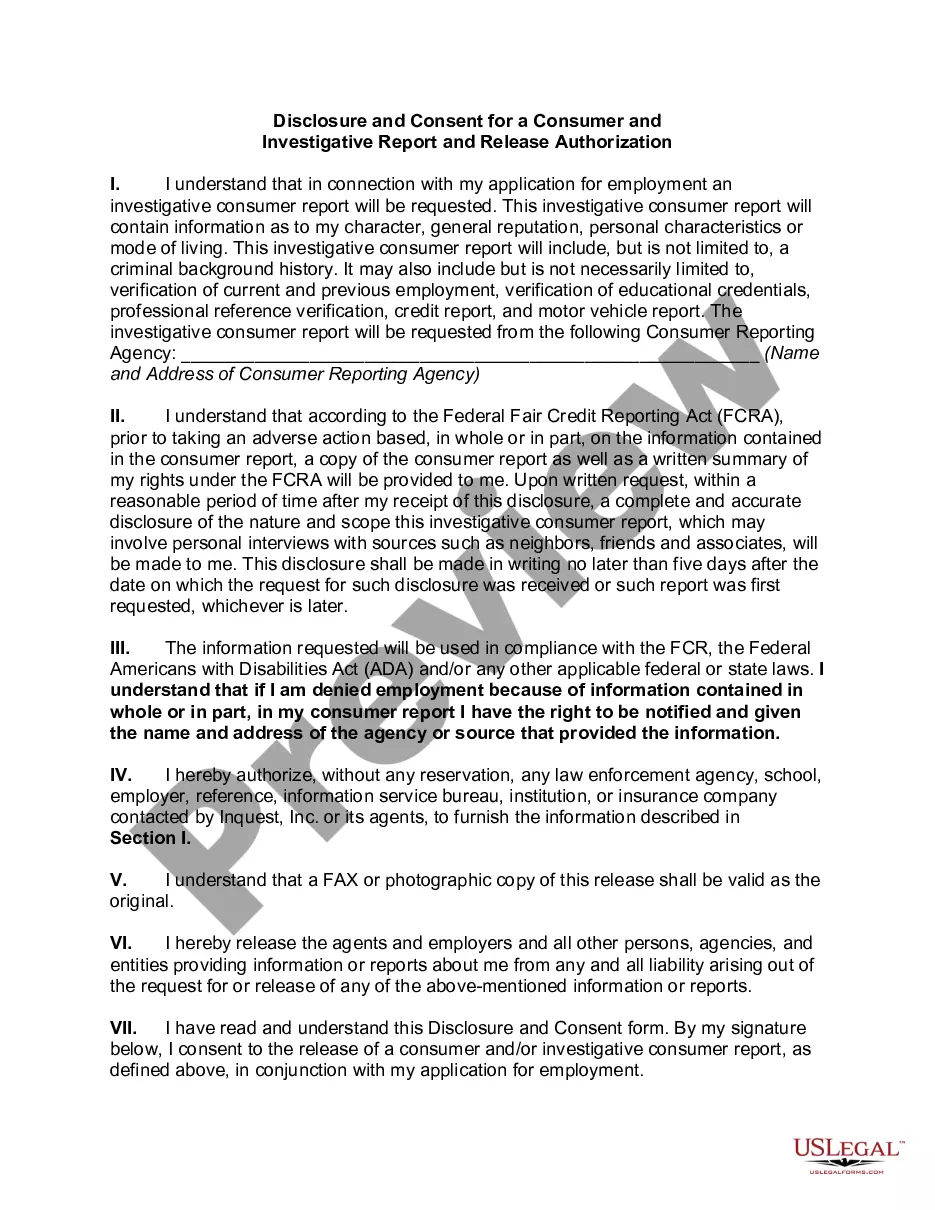
Notice Discovery Template With Lines In Phoenix
Description


Get your form ready online
Our built-in tools help you complete, sign, share, and store your documents in one place.
Make edits, fill in missing information, and update formatting in US Legal Forms—just like you would in MS Word.
Download a copy, print it, send it by email, or mail it via USPS—whatever works best for your next step.
Sign and collect signatures with our SignNow integration. Send to multiple recipients, set reminders, and more. Go Premium to unlock E-Sign.
If this form requires notarization, complete it online through a secure video call—no need to meet a notary in person or wait for an appointment.
We protect your documents and personal data by following strict security and privacy standards.

Make edits, fill in missing information, and update formatting in US Legal Forms—just like you would in MS Word.

Download a copy, print it, send it by email, or mail it via USPS—whatever works best for your next step.

Sign and collect signatures with our SignNow integration. Send to multiple recipients, set reminders, and more. Go Premium to unlock E-Sign.

If this form requires notarization, complete it online through a secure video call—no need to meet a notary in person or wait for an appointment.

We protect your documents and personal data by following strict security and privacy standards.
Looking for another form?





Form popularity
FAQ
Arizona: The United States District Court of Arizona has enacted Local Rule 5.6, entitled “Sealing of Court Records in Unsealed Civil Actions.” Local Rule 5.6 provides that: “No document may be filed under seal in an unsealed case except pursuant to an order by the Court as set forth in subpart (b) of this Rule.” ...
The defendant has 20 calendar days from service of process to file an answer (Form No. AOCLJCV4F) to the lawsuit. An answer is your written response that you file with the court admitting or denying the creditor's claims and the reasons why. The answer should respond to each element of the complaint.
A summons is a court order that gives the defendant notice that a lawsuit has been filed against him or her. It also explains that a judgment will be made against him or her if the defendant does not answer the complaint within a specified number of days.
The defendant has 20 calendar days from service of process to file an answer (Form No. AOCLJCV4F) to the lawsuit. An answer is your written response that you file with the court admitting or denying the creditor's claims and the reasons why. The answer should respond to each element of the complaint.
What must the complaint say? Your complaint must contain a “caption” (or heading) that includes the name of the court and county, the parties to the case (and their designation, like “plaintiff” or “defendant”), the case number (if you have one), and the title of the document.
After the defendant has filed an answer or a motion to dismiss the complaint, the judge holds a pretrial conference, sometimes referred to as a case management conference. A schedule for discovery is generally set at this conference, and a trial date is sometimes also scheduled.
The Joint Scheduling Report shall contain the following items by corresponding numbered paragraphs: 1. Summary of the factual and legal contentions set forth in the pleadings of each party, including the relief sought by any party presently before the Court. 2. Summary of major disputed facts and contentions of law.
One may feel one has a dispute with a business person or a family member-but once the summons is issued it is the full power of the law and the courts that is brought to bear in the dispute and it is absolutely vital to treat it seriously, file a response within the time limits…or face the consequences.
In ance with Rule 5.1(d), Arizona Rules of Civil Procedure, a proposed form of order must accompany all civil motions (except Motions for Summary Judgment), oppositions and stipulations.
Under the new version of Rule 68(g), the sanctions against a party who fails to obtain a more favorable judgment than the offer is “twenty percent of the difference between the amount of the offer and the amount of the final judgment.” This change applies to offers of judgment served on or after January 1, 2022.