Notice Discovery Template With Formulas In Palm Beach
Description





Get your form ready online
Our built-in tools help you complete, sign, share, and store your documents in one place.
Make edits, fill in missing information, and update formatting in US Legal Forms—just like you would in MS Word.
Download a copy, print it, send it by email, or mail it via USPS—whatever works best for your next step.
Sign and collect signatures with our SignNow integration. Send to multiple recipients, set reminders, and more. Go Premium to unlock E-Sign.
If this form requires notarization, complete it online through a secure video call—no need to meet a notary in person or wait for an appointment.
We protect your documents and personal data by following strict security and privacy standards.

Make edits, fill in missing information, and update formatting in US Legal Forms—just like you would in MS Word.

Download a copy, print it, send it by email, or mail it via USPS—whatever works best for your next step.

Sign and collect signatures with our SignNow integration. Send to multiple recipients, set reminders, and more. Go Premium to unlock E-Sign.

If this form requires notarization, complete it online through a secure video call—no need to meet a notary in person or wait for an appointment.

We protect your documents and personal data by following strict security and privacy standards.
Looking for another form?








Form popularity
FAQ
Can You Refuse Discovery In Any Instances? The Interrogatory Is Vague, Overly Broad, and Unduly Burdensome. The Request Is Irrelevant or Not Pertinent to the Matter at Hand. The Information Is Public and Available to Everyone. The Interrogatory Forces a Conclusion. A Violation of Attorney–Client Privilege.
Common objections to requests for admission include: The request is impermissibly compound. The propounding party may ask you to admit only one fact per statement. You may object to any request that asks you to admit two or more different facts in a single request.
As the party resisting discovery by objecting to an interrogatory, you have the burden to explain why your objections are proper. To satisfy this burden, you should state your objection with specificity. This means giving specific facts, statutes, or judicial precedent supporting your position.
Failure to comply with discovery obligations may result in sanctions. Sanctions are actions taken by the Administrative Judge to penalize a party that fails to comply with their orders or other legal obligations.
Discovery materials are filed only in limited circumstances, including if ordered by the Court, if necessary to the presentation or defense of a motion, or if required by law or rule.
A motion for protective order does not automatically stay the deposition and the deposition shall proceed unless an order granting the motion is entered by the Court.
An objection that a discovery request is not relevant must include a specific explanation describing why the request lacks relevance and/or why the requested discovery is disproportionate in light of the factors enumerated in Federal Rule of Civil Procedure 26(b)(1).
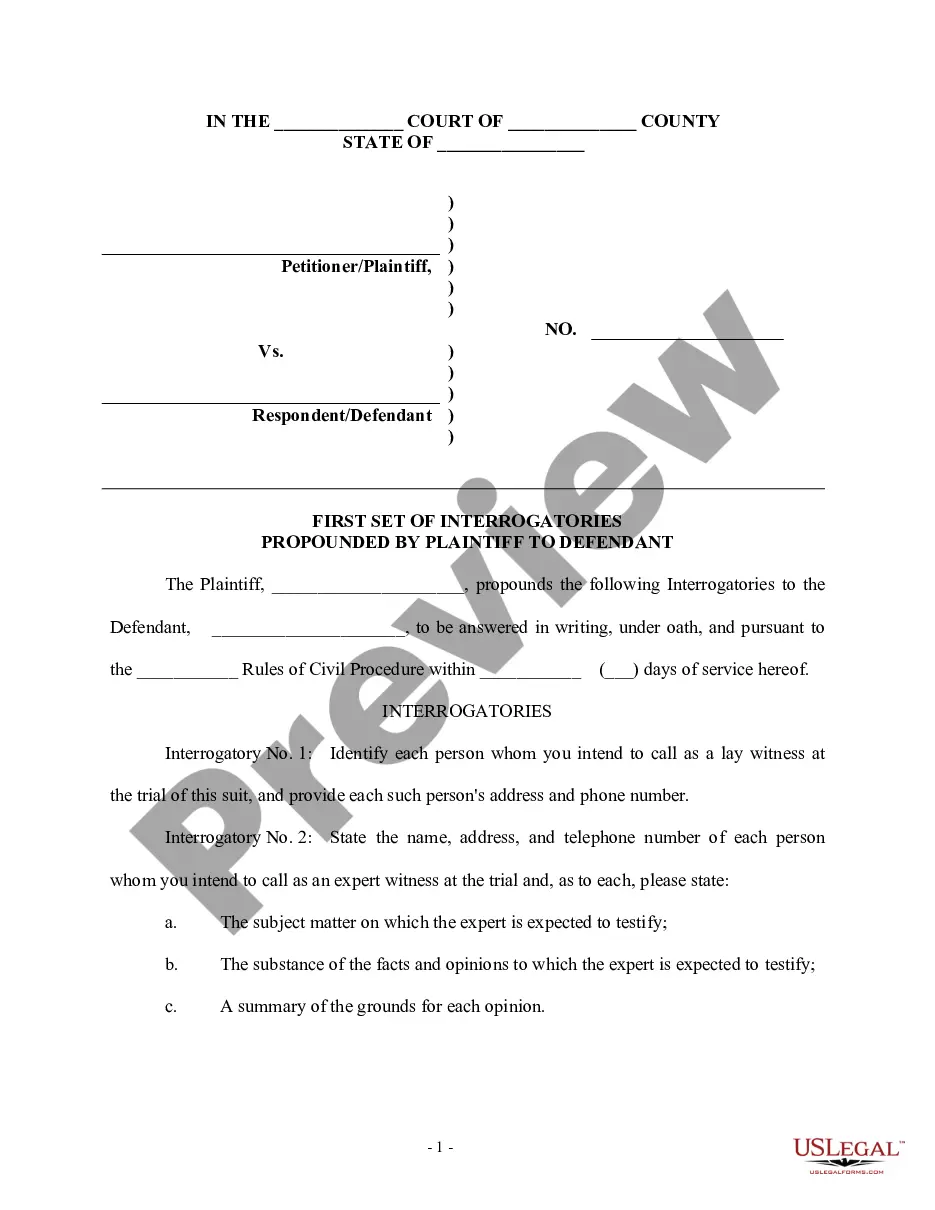
Discovery allows you to get information and evidence from the other party or other persons you can use in your lawsuit.