Notice Of Discovery Within In Orange
Description


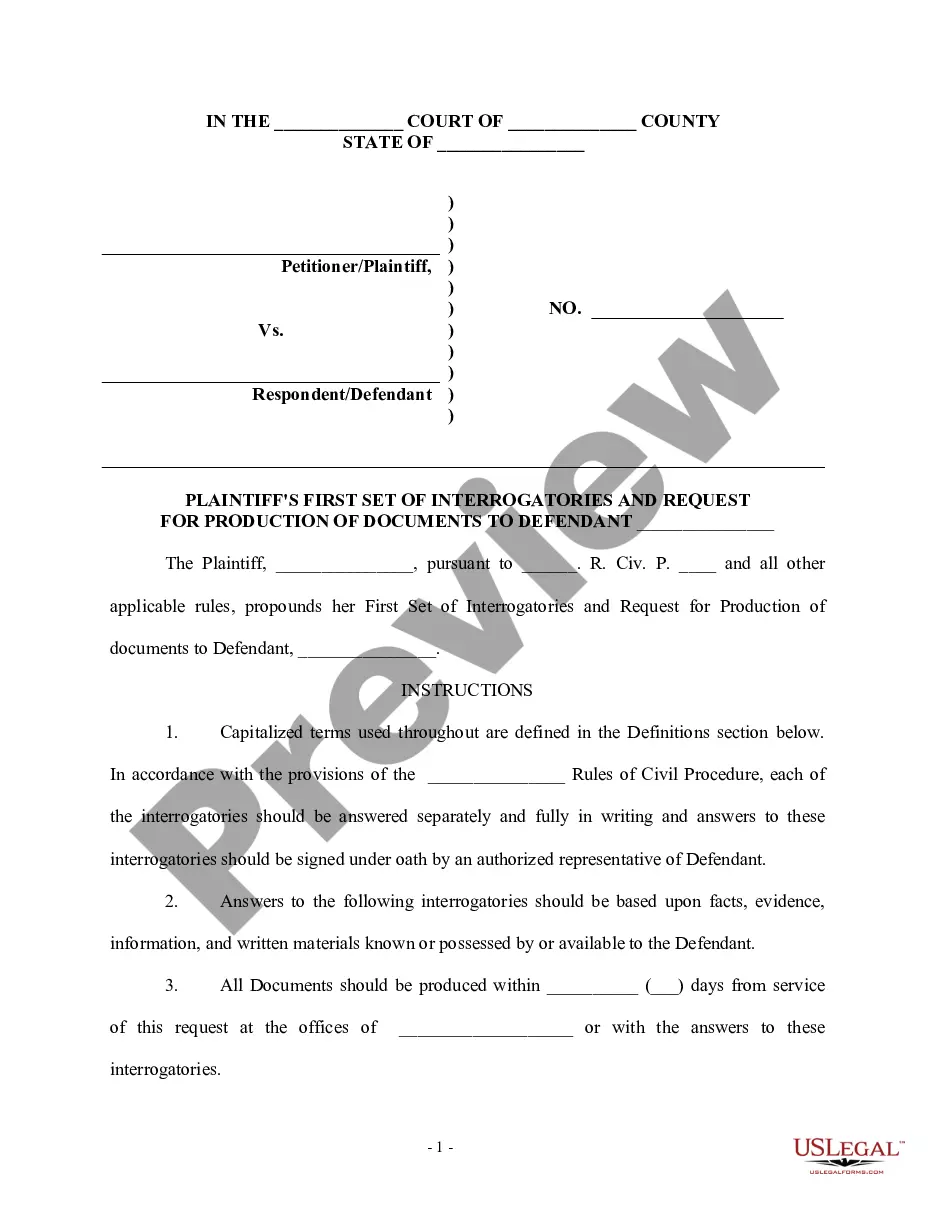
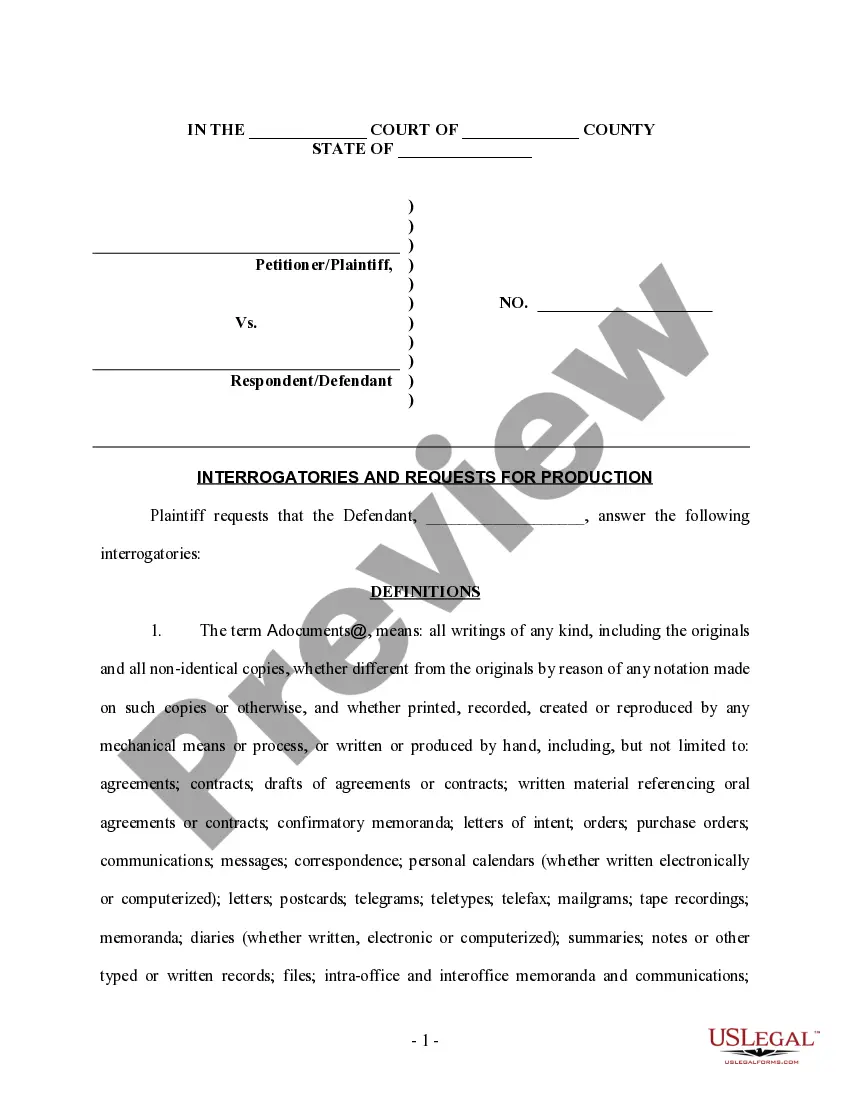
Get your form ready online
Our built-in tools help you complete, sign, share, and store your documents in one place.
Make edits, fill in missing information, and update formatting in US Legal Forms—just like you would in MS Word.
Download a copy, print it, send it by email, or mail it via USPS—whatever works best for your next step.
Sign and collect signatures with our SignNow integration. Send to multiple recipients, set reminders, and more. Go Premium to unlock E-Sign.
If this form requires notarization, complete it online through a secure video call—no need to meet a notary in person or wait for an appointment.
We protect your documents and personal data by following strict security and privacy standards.

Make edits, fill in missing information, and update formatting in US Legal Forms—just like you would in MS Word.

Download a copy, print it, send it by email, or mail it via USPS—whatever works best for your next step.

Sign and collect signatures with our SignNow integration. Send to multiple recipients, set reminders, and more. Go Premium to unlock E-Sign.

If this form requires notarization, complete it online through a secure video call—no need to meet a notary in person or wait for an appointment.

We protect your documents and personal data by following strict security and privacy standards.
Looking for another form?
Form popularity
FAQ
Cut Off of Expert Discovery – the civil law time limit for expert discovery cutoff is fifteen (15) days before the original set trial date.
You have 45 days from the service of the most recent responses to ask the court to make an order requiring an answer. If the response was served by mail, 5 extra days are added. If the last day falls on a weekend or court holiday, the last day to file rolls to the next court date.
The other party might not respond, or s/he could file a “motion to compel discovery.” A motion to compel discovery is a written request to the judge in which the party seeking discovery asks the judge to issue an order requiring that the other party turns over the requested documents by a certain date or face certain ...
Discovery ends 30 days before trial (the cutoff date). That means, at the very latest anything you ask for must be due 30 days before your trial. At the latest, you need to serve your requests 60 days before your trial date (65 if you serve by mail).
Beginning on January 1, 2024, parties will be required to make initial witness and document disclosures within 60 days of another party's request. Failure to comply or act in good faith with the new law will result in a court-imposed sanction of $1,000.
Discovery Closes (with the exclusion of expert lists, and expert depositions) – 30 days before trial, or after non-binding arbitration. CCP 2024.020; CCP § 1141.24. Experts Must Be Demanded – 70 days before trial (or within 10 days of setting trial date, whichever is closer to trial date).
A discovery response is essentially a choice that you make after receiving a request for information. The question then becomes, Should you comply or not?
Think of discovery as obtaining and disclosing the evidence and position of each side of a case so that all parties involved can decide what their best options are – move forward toward to trial or negotiate an early settlement.
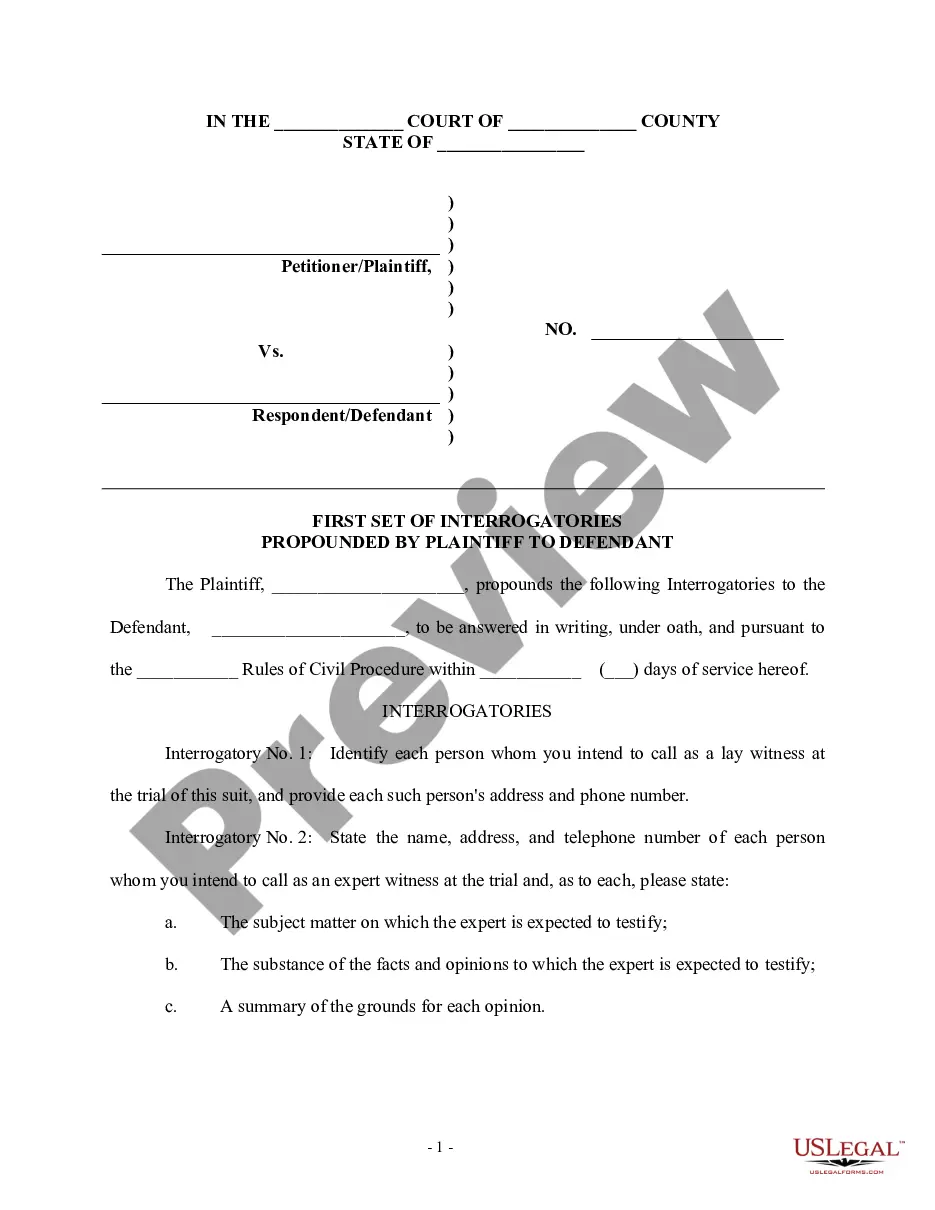
Steps Of The Discovery Process. There are four key actions in the discovery process which include interrogatories, request for documents, request for admissions, and depositions.