Notice Discovery Template For Product In Orange
Description

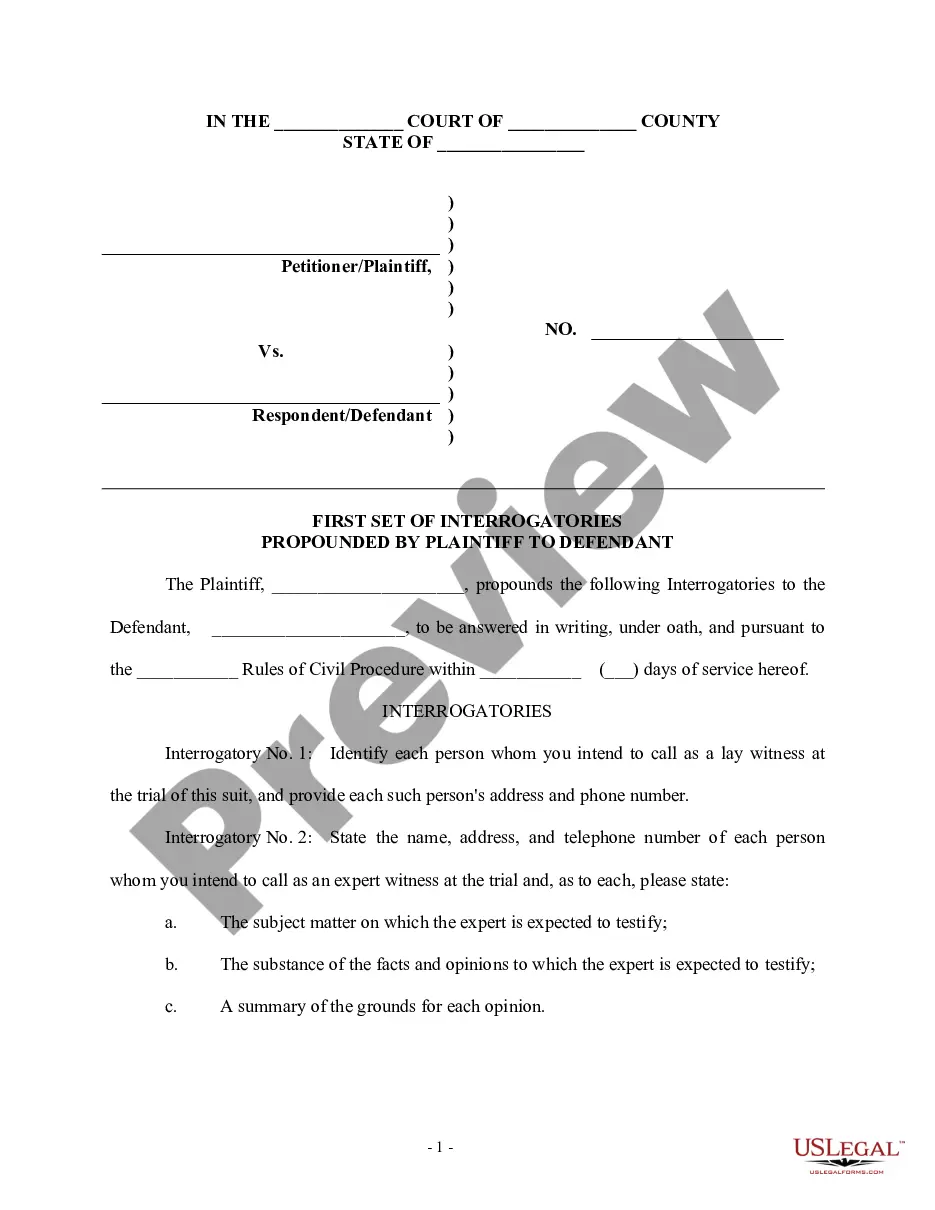
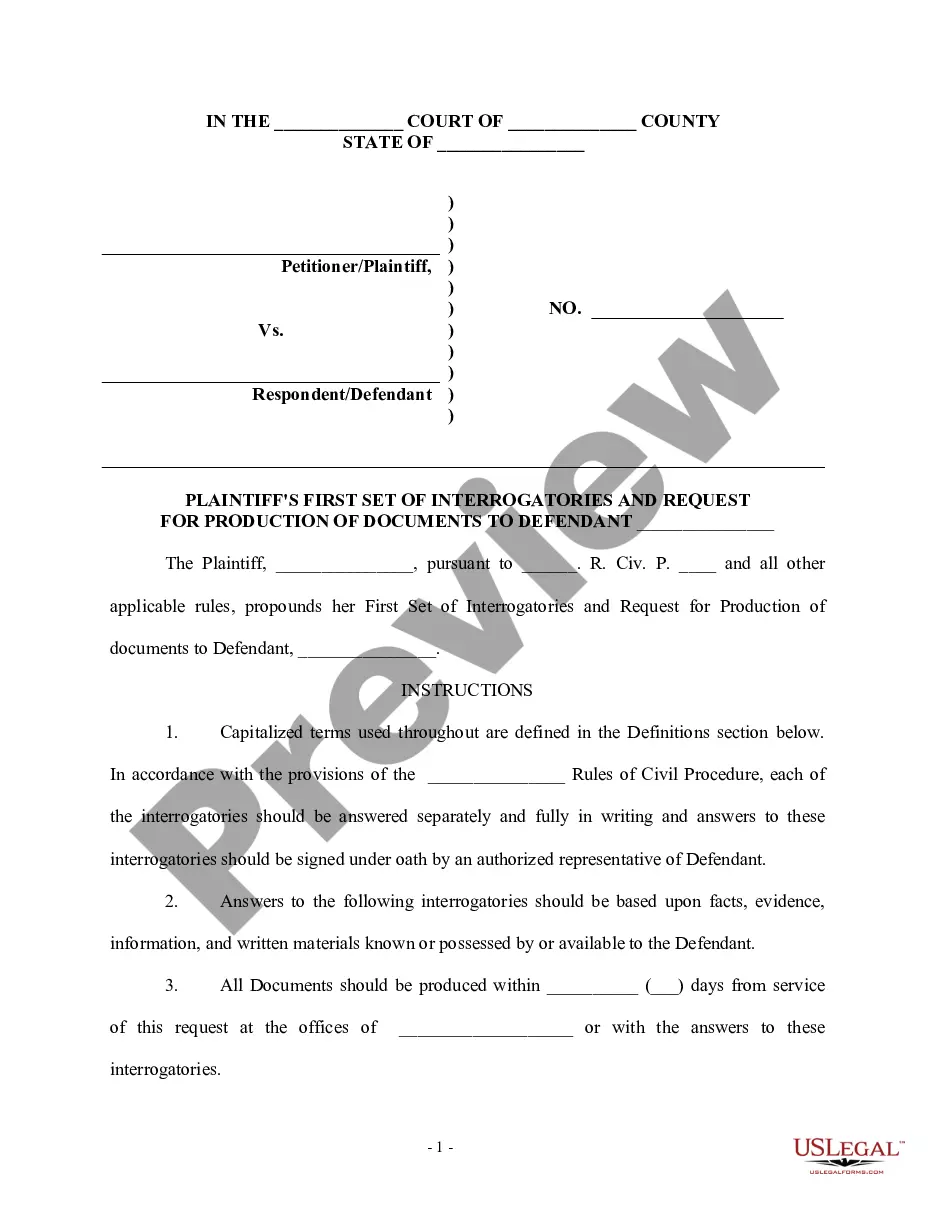
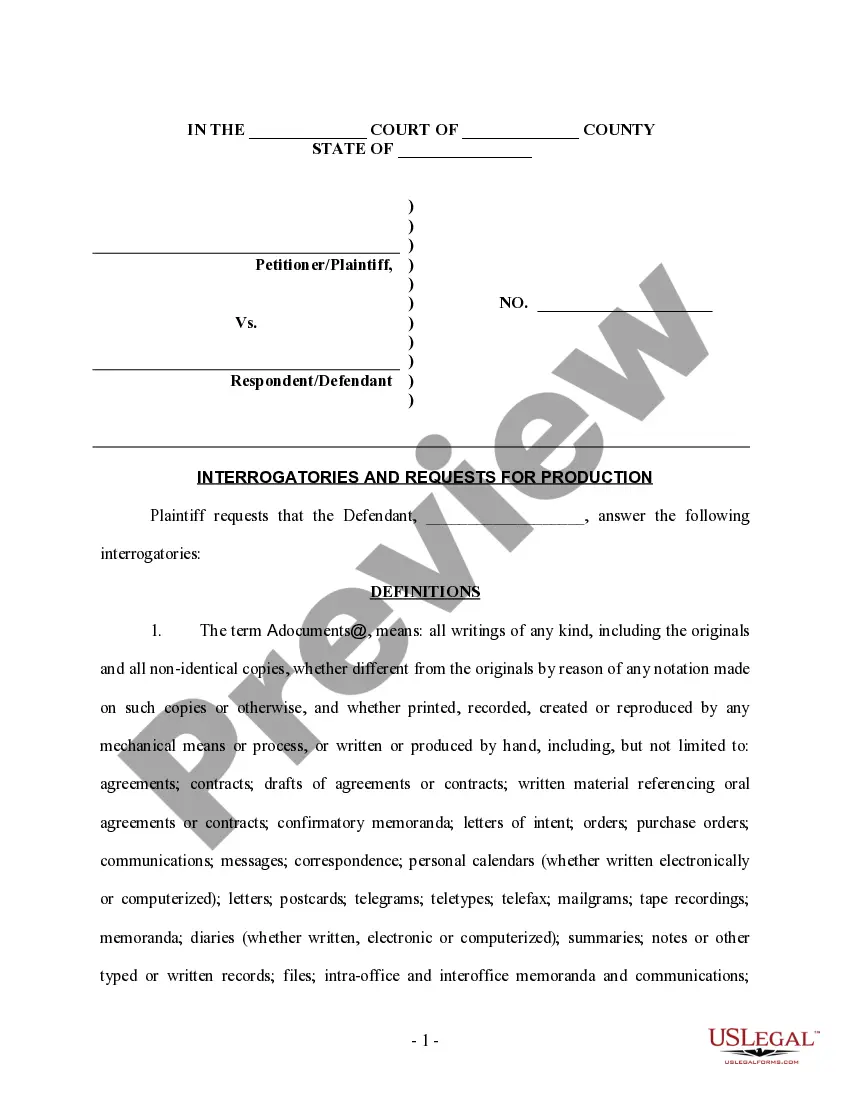
Get your form ready online
Our built-in tools help you complete, sign, share, and store your documents in one place.
Make edits, fill in missing information, and update formatting in US Legal Forms—just like you would in MS Word.
Download a copy, print it, send it by email, or mail it via USPS—whatever works best for your next step.
Sign and collect signatures with our SignNow integration. Send to multiple recipients, set reminders, and more. Go Premium to unlock E-Sign.
If this form requires notarization, complete it online through a secure video call—no need to meet a notary in person or wait for an appointment.
We protect your documents and personal data by following strict security and privacy standards.

Make edits, fill in missing information, and update formatting in US Legal Forms—just like you would in MS Word.

Download a copy, print it, send it by email, or mail it via USPS—whatever works best for your next step.

Sign and collect signatures with our SignNow integration. Send to multiple recipients, set reminders, and more. Go Premium to unlock E-Sign.

If this form requires notarization, complete it online through a secure video call—no need to meet a notary in person or wait for an appointment.

We protect your documents and personal data by following strict security and privacy standards.
Looking for another form?








Form popularity
FAQ
A 4-step guide to successful product discovery Step One: Outline your discovery toolbox Step Two: Plan how every team member can contribute Step Three: Consider how to continually involve customers Step Four: Set your ways of working
Here's how to tackle the discovery process: Gather requirements and set clear goals: Define what you want to achieve from the start. Plan your timeline. Focus on the essentials. Use your resources wisely. Be flexible. Document everything. Learn from experience.
Product discovery is a vital process in the development of any successful product. The five stages of product discovery, represented in ideation, research, prototyping, production, and launch and marketing, allow for a thorough and systematic approach to product development.
A typical product discovery template is divided into four key sections, each addressing a crucial aspect of the product discovery process—things like ideation, research and validation, prototyping, testing, and refining.
A 4-step guide to successful product discovery Step One: Outline your discovery toolbox Step Two: Plan how every team member can contribute Step Three: Consider how to continually involve customers Step Four: Set your ways of working
Product discovery techniques are used by product teams to understand user needs, market demands, and technological feasibility before building a product. These techniques can include user interviews, surveys, market research, prototyping, and usability testing, among others.
A deposition is a witness's sworn out-of-court testimony. It is used to gather information as part of the discovery process and, in limited circumstances, may be used at trial.
You can use Proof of Service by First Class Mail (form POS-030). It helps if you fill in the top part of the form with the case and court information. Your server can then fill in the information about how, when, and where they served the papers. Your server must then sign the form.
Discovery means you send the other side questions and requests for information or items (like documents) in writing. The other side must respond to your question or request in writing.
A good product discovery template standardizes the discovery phase across projects and helps you keep up with product management trends. Here's what you should look for: User-centric focus: The template should offer methods to gather insights directly from the target audience to prioritize their needs.