Service Interrogatories With Questions In Minnesota
Description


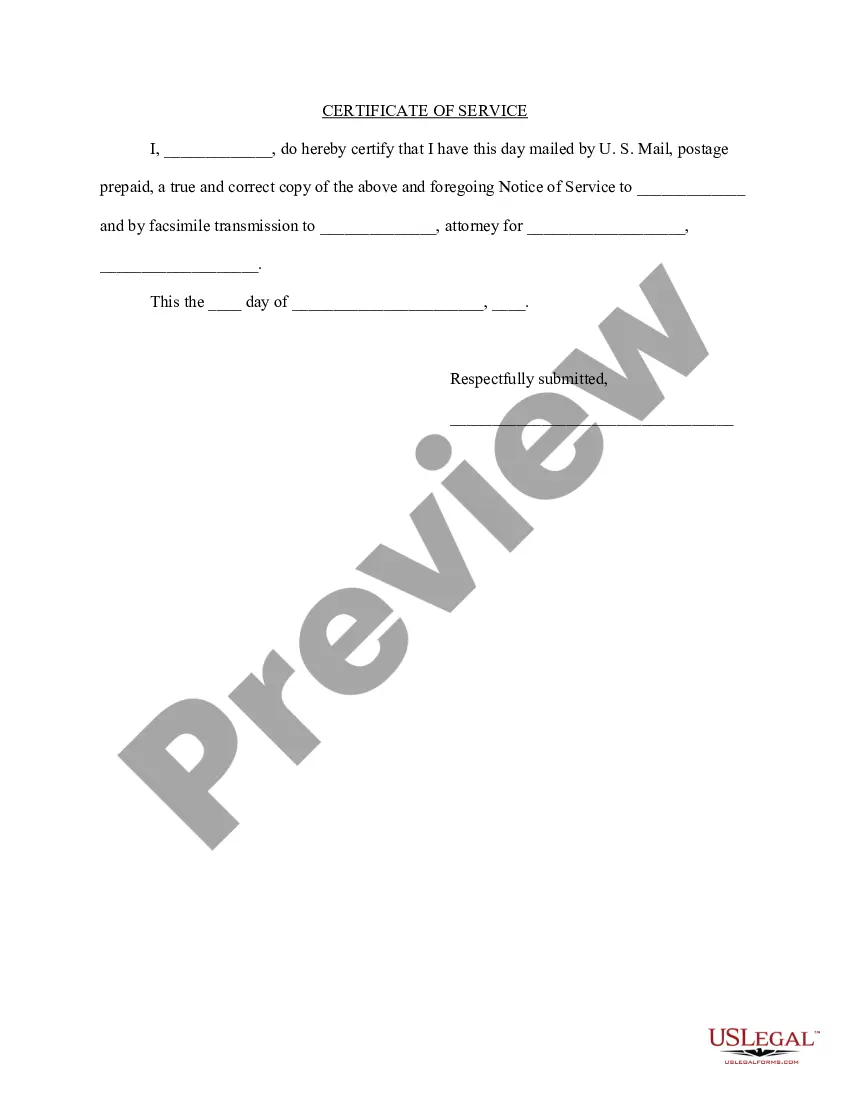
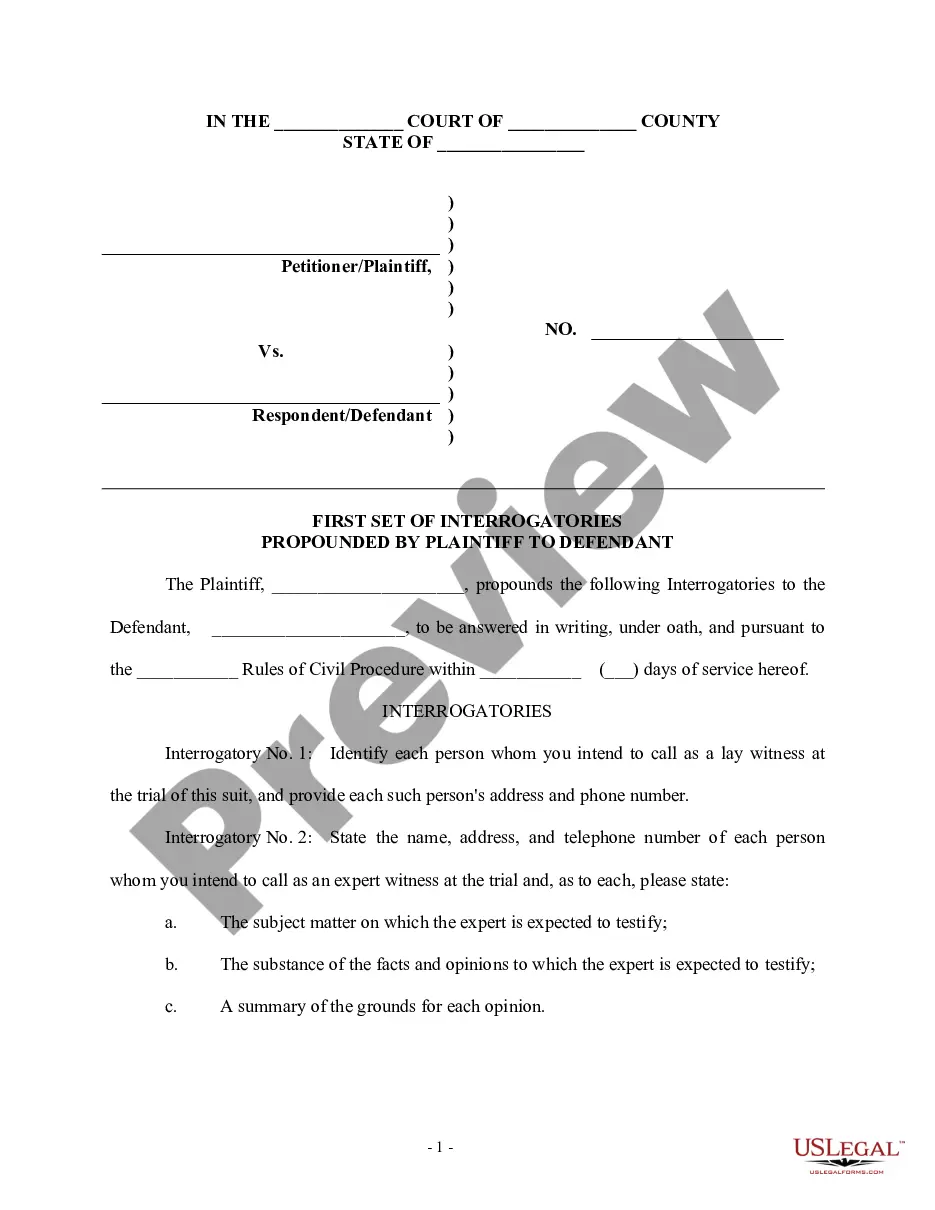
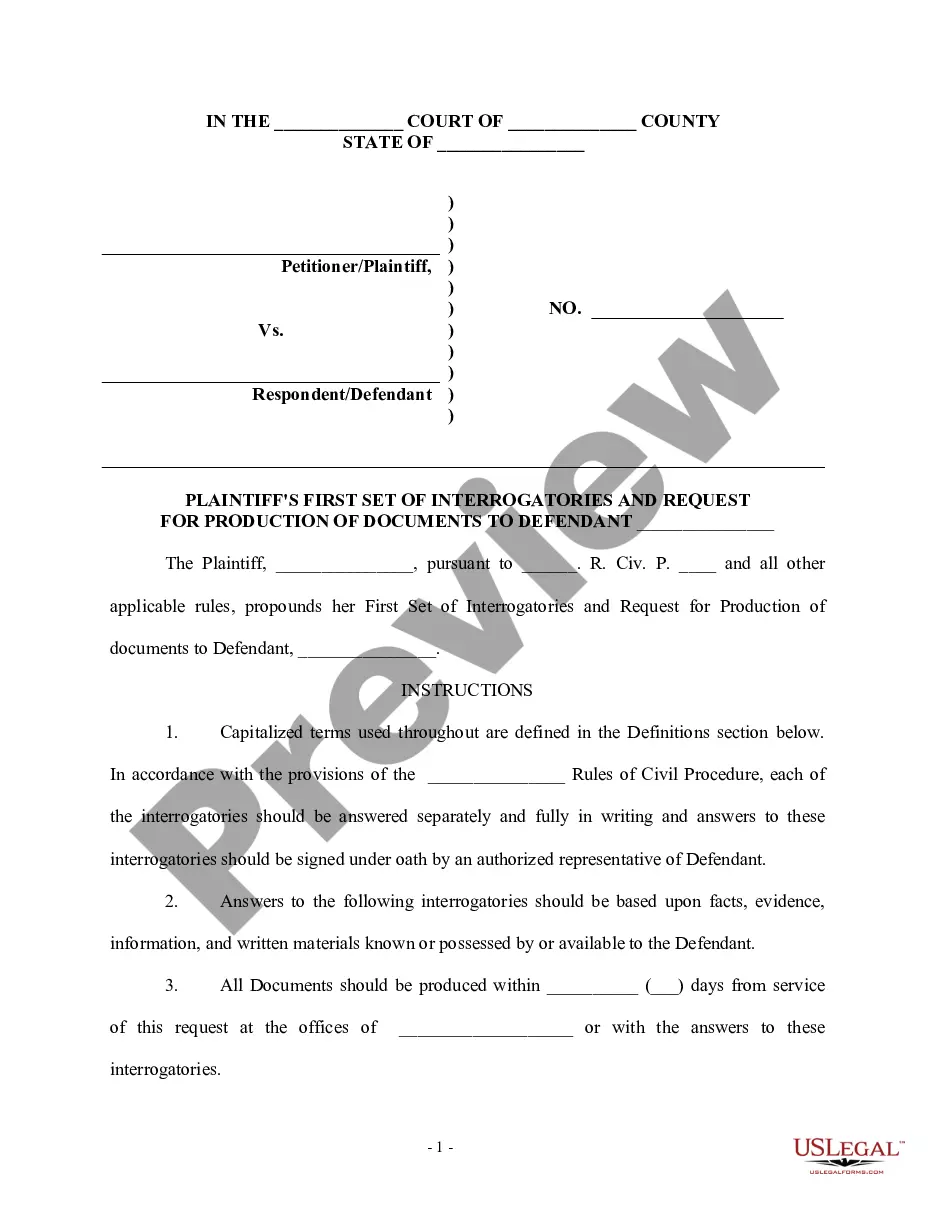
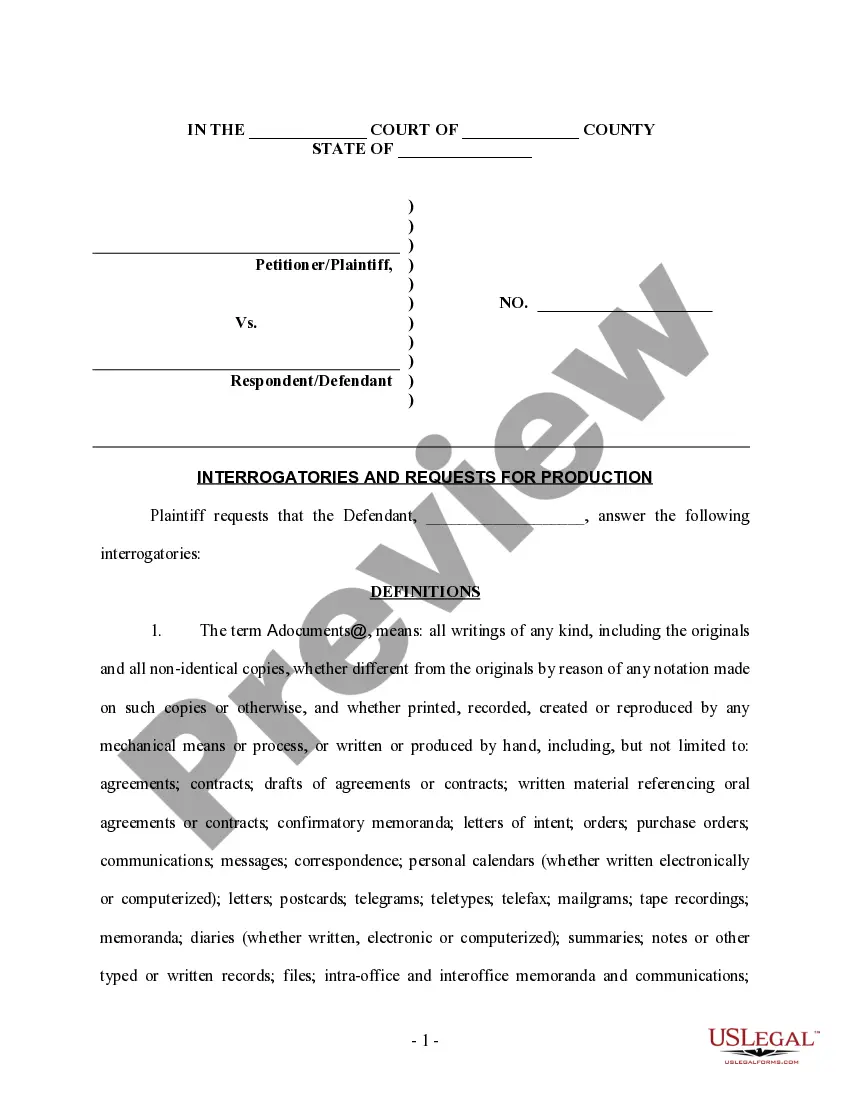
Get your form ready online
Our built-in tools help you complete, sign, share, and store your documents in one place.
Make edits, fill in missing information, and update formatting in US Legal Forms—just like you would in MS Word.
Download a copy, print it, send it by email, or mail it via USPS—whatever works best for your next step.
Sign and collect signatures with our SignNow integration. Send to multiple recipients, set reminders, and more. Go Premium to unlock E-Sign.
If this form requires notarization, complete it online through a secure video call—no need to meet a notary in person or wait for an appointment.
We protect your documents and personal data by following strict security and privacy standards.

Make edits, fill in missing information, and update formatting in US Legal Forms—just like you would in MS Word.

Download a copy, print it, send it by email, or mail it via USPS—whatever works best for your next step.

Sign and collect signatures with our SignNow integration. Send to multiple recipients, set reminders, and more. Go Premium to unlock E-Sign.

If this form requires notarization, complete it online through a secure video call—no need to meet a notary in person or wait for an appointment.

We protect your documents and personal data by following strict security and privacy standards.
Looking for another form?
Form popularity
FAQ
You can use interrogatories to find out facts about a case but they cannot be used for questions that draw a legal conclusion.
Read the question very carefully. Answer only the question that is asked, and avoid the temptation to over-explain your answer. If the question contains several parts, you may break your answer into parts as well. It is also possible that you might object to the question.
How to fill out Form Interrogatories Fill in basic information at the top of the form. Provide basic information about your case. Select the questions. On Page 2, check the box next to each question you want to ask your spouse to answer. Make copies. Make 1 copy of the completed Form Interrogatories – Family Law.
However, you can object to interrogatories that call for legal conclusions. You can also object to questions if they are not at all related to the court case. To object, you need to write out the reasons for the objection instead of answering the question.
There is no form for your answer, but you typically have to respond in a specified format, using paper with numbers down the left-hand side, with your name and address at the top left, the name of the court and of the case, and the case number.
Read each question (interrogatory) very carefully. Answer only the question that is asked, and avoid the temptation to over-explain your answer. If the question contains several parts, you may break your answer into parts as well. It is also possible that you might object to the question.
Draft Interrogatories Strategically Only ask specific questions that address the crux of the matter where possible. Avoid board or vague questions. The opposing party's legal team may simply file objections against these, citing irrelevance, wasting your time. Also, ask questions sequentially.
You can use interrogatories to find out facts about a case but they cannot be used for questions that draw a legal conclusion.
Rule 60. Clerical mistakes in judgments, orders, or other parts of the record and errors therein arising from oversight or omission may be corrected by the court at any time upon its own initiative or on the motion of any party and after such notice, if any, as the court orders.