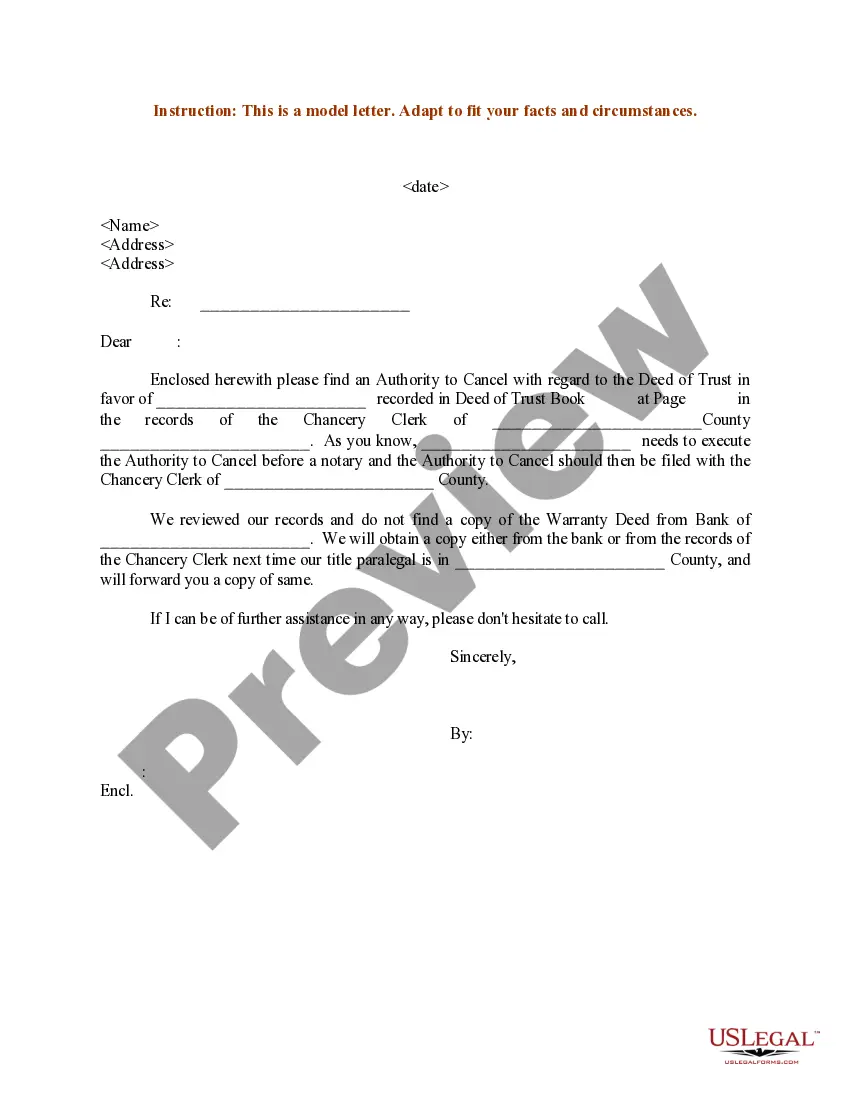
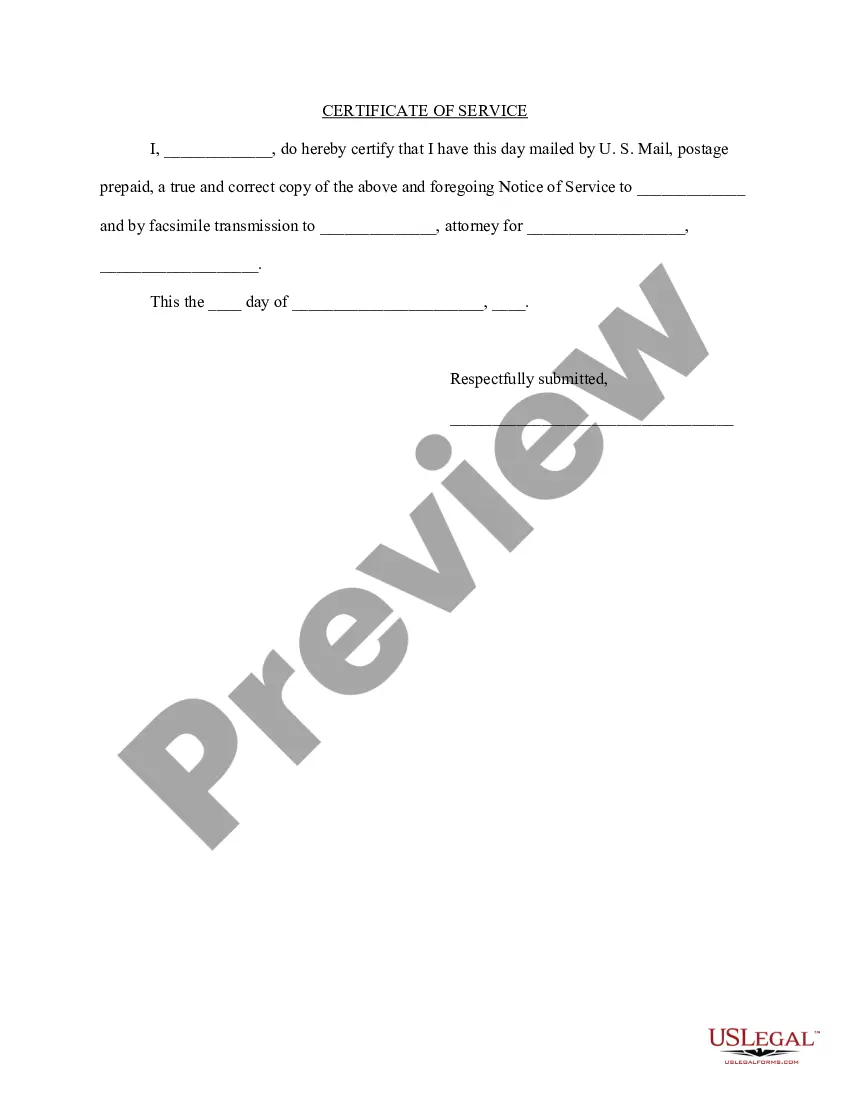
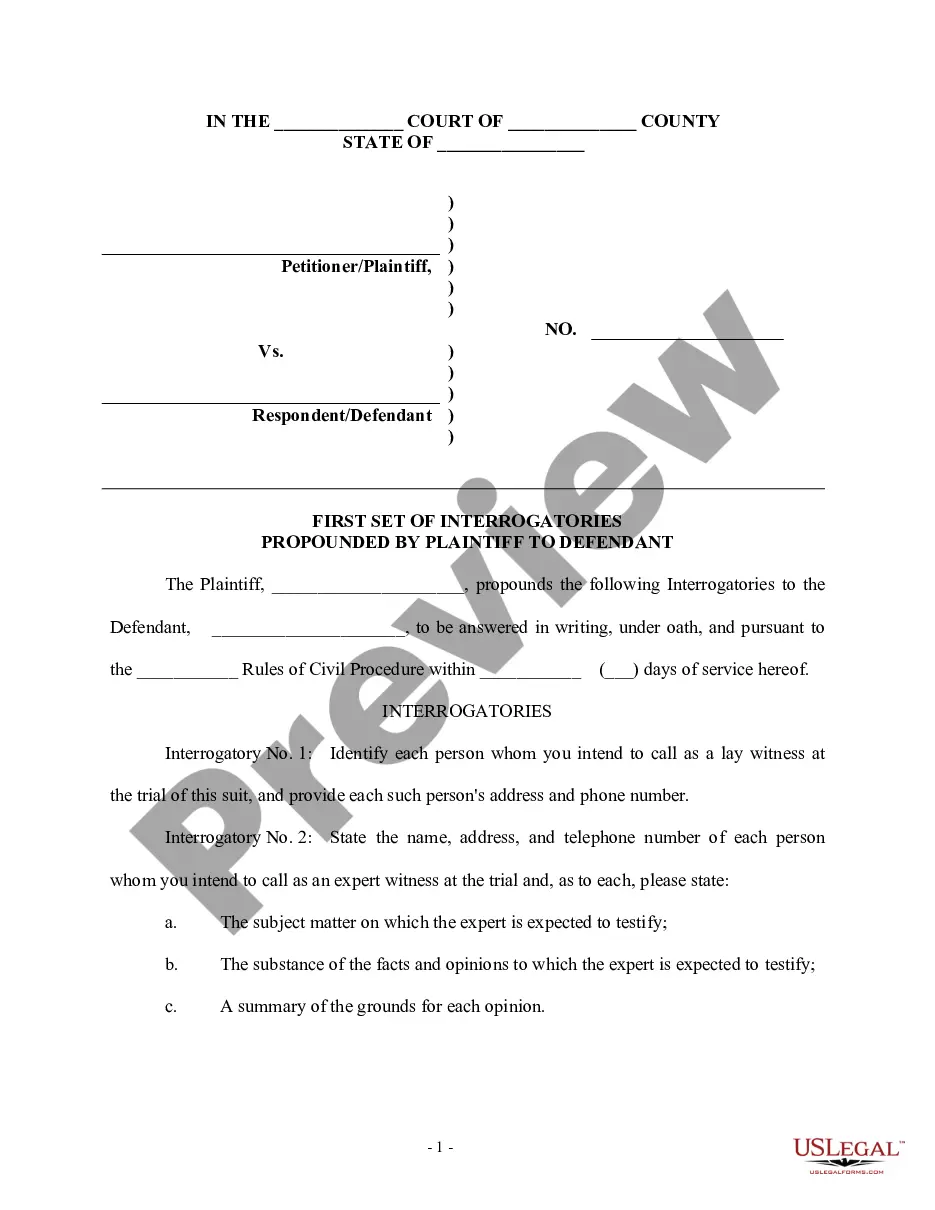
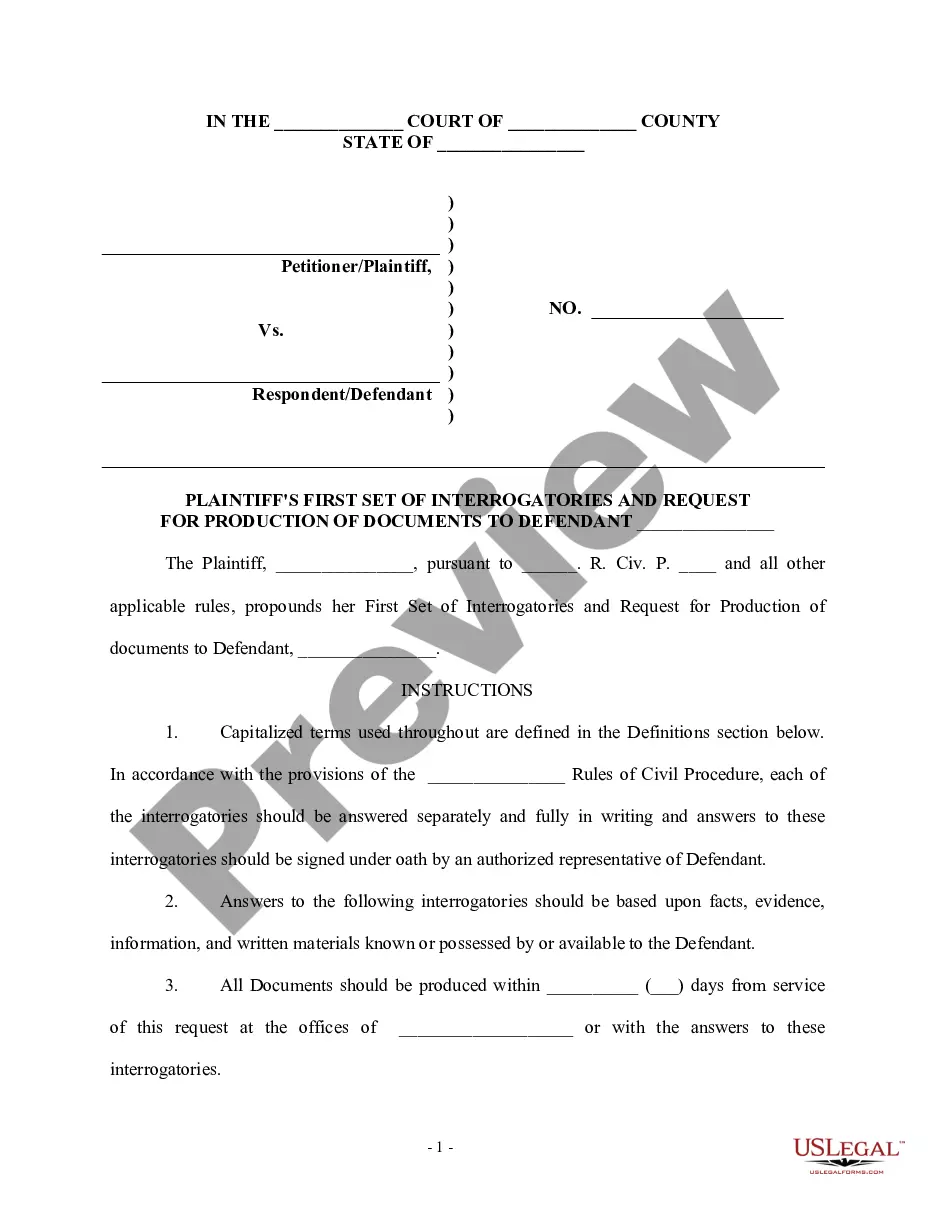
Notice Of Motion For Discovery In Middlesex
Description


Get your form ready online
Our built-in tools help you complete, sign, share, and store your documents in one place.
Make edits, fill in missing information, and update formatting in US Legal Forms—just like you would in MS Word.
Download a copy, print it, send it by email, or mail it via USPS—whatever works best for your next step.
Sign and collect signatures with our SignNow integration. Send to multiple recipients, set reminders, and more. Go Premium to unlock E-Sign.
If this form requires notarization, complete it online through a secure video call—no need to meet a notary in person or wait for an appointment.
We protect your documents and personal data by following strict security and privacy standards.

Make edits, fill in missing information, and update formatting in US Legal Forms—just like you would in MS Word.

Download a copy, print it, send it by email, or mail it via USPS—whatever works best for your next step.

Sign and collect signatures with our SignNow integration. Send to multiple recipients, set reminders, and more. Go Premium to unlock E-Sign.

If this form requires notarization, complete it online through a secure video call—no need to meet a notary in person or wait for an appointment.

We protect your documents and personal data by following strict security and privacy standards.
Looking for another form?







Form popularity
FAQ
How Long Does it Take to Get Discovery in a Criminal Case? Generally, the prosecution must provide discovery within a set period after the defense's formal request, often ranging from a few weeks to several months.
All discovery shall be completed within 60 days following receipt of the demand for alternative resolution or the entry of a final order compelling alternative resolution.
In the context of discovery, materials that are requested and obtained are not public until they are introduced as evidence or filed with the clerk of court.
Every motion shall state the time and place when it is to be presented to the court, the grounds upon which it is made and the nature of the relief sought, and, as to motions filed in the Law Division-Civil Part only, the discovery end date or a statement that no such date has been assigned.
You must serve your adversary no later than 16 days before the specified return date on your notice of motion. If you are filing a motion for summary judgment, you must file it not later than 28 days before the time specified for the return date.
12 Steps for Filing a Motion: Fill out the Notice of Motion (Form A) ... Get a court date for your motion – Court Calendar. Fill out the Confidential Litigant Information Sheet. Fill out the Certification in Support of Motion (Form B) ... Fill out the Proposed Order (Form C)
Cases which involve more than $20,000 must be filed in the Law Division of the Superior Court. Generally, you can present your case without an attorney, unless you are a corporation, in which case you must be represented by counsel or your case will be dismissed.
Follow these steps to respond to a motion: Fill out the forms. You have to fill out at least 2 forms, maybe more, to file your opposition. File the forms. Turn in your completed forms by mail or efiling. Serve the other party. Get ready for the hearing. Prepare an order.