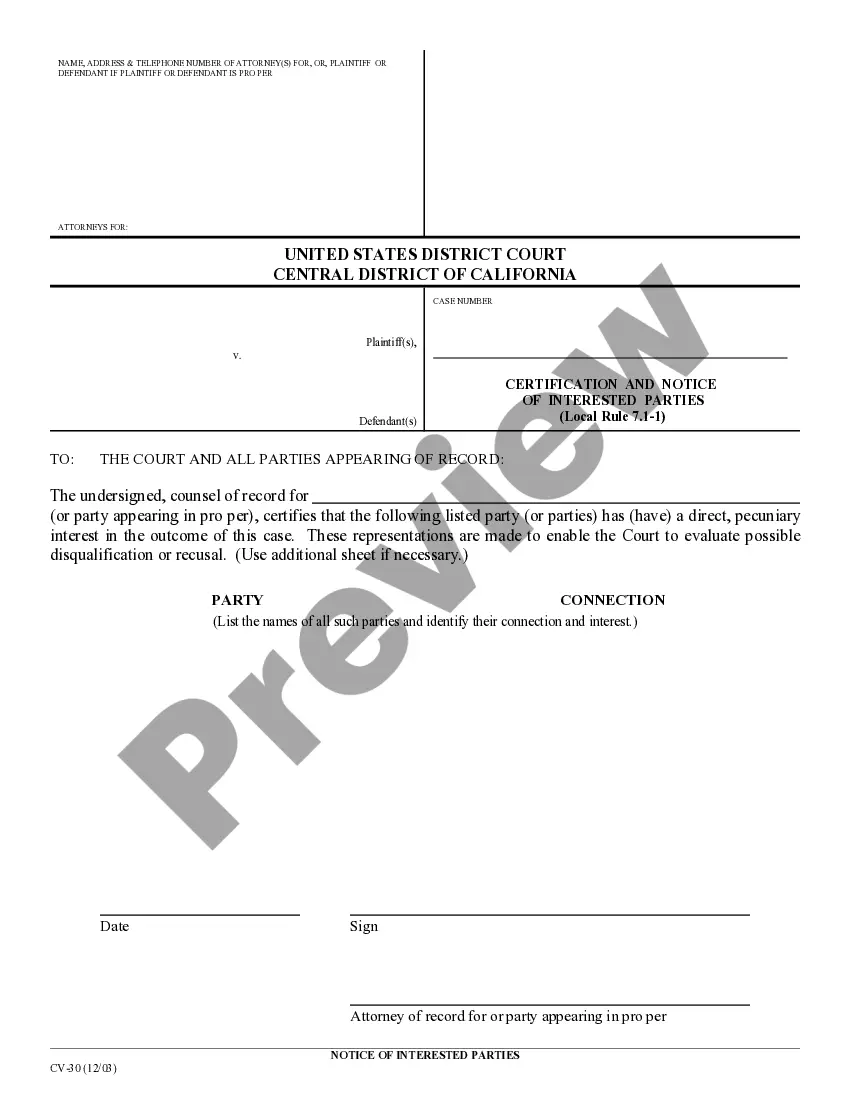
Proof Of Service For Discovery In Massachusetts
Description


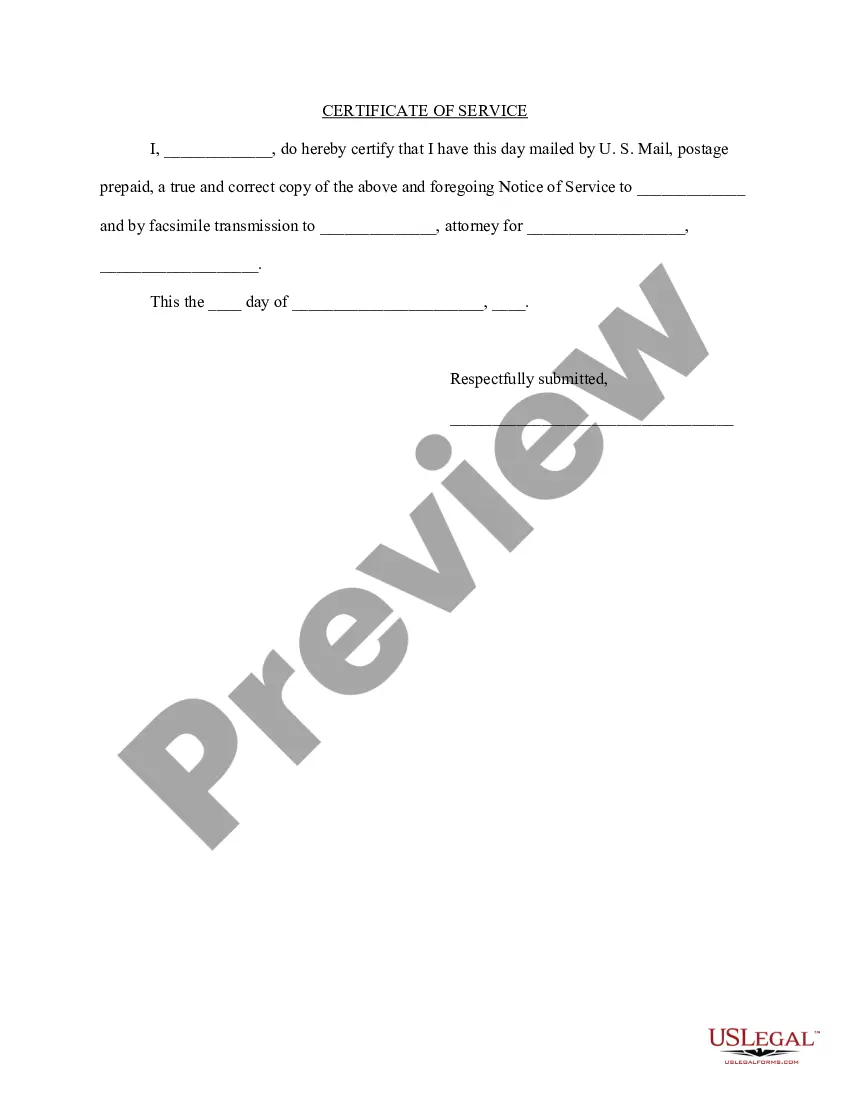

Get your form ready online
Our built-in tools help you complete, sign, share, and store your documents in one place.
Make edits, fill in missing information, and update formatting in US Legal Forms—just like you would in MS Word.
Download a copy, print it, send it by email, or mail it via USPS—whatever works best for your next step.
Sign and collect signatures with our SignNow integration. Send to multiple recipients, set reminders, and more. Go Premium to unlock E-Sign.
If this form requires notarization, complete it online through a secure video call—no need to meet a notary in person or wait for an appointment.
We protect your documents and personal data by following strict security and privacy standards.

Make edits, fill in missing information, and update formatting in US Legal Forms—just like you would in MS Word.

Download a copy, print it, send it by email, or mail it via USPS—whatever works best for your next step.

Sign and collect signatures with our SignNow integration. Send to multiple recipients, set reminders, and more. Go Premium to unlock E-Sign.

If this form requires notarization, complete it online through a secure video call—no need to meet a notary in person or wait for an appointment.

We protect your documents and personal data by following strict security and privacy standards.
Looking for another form?


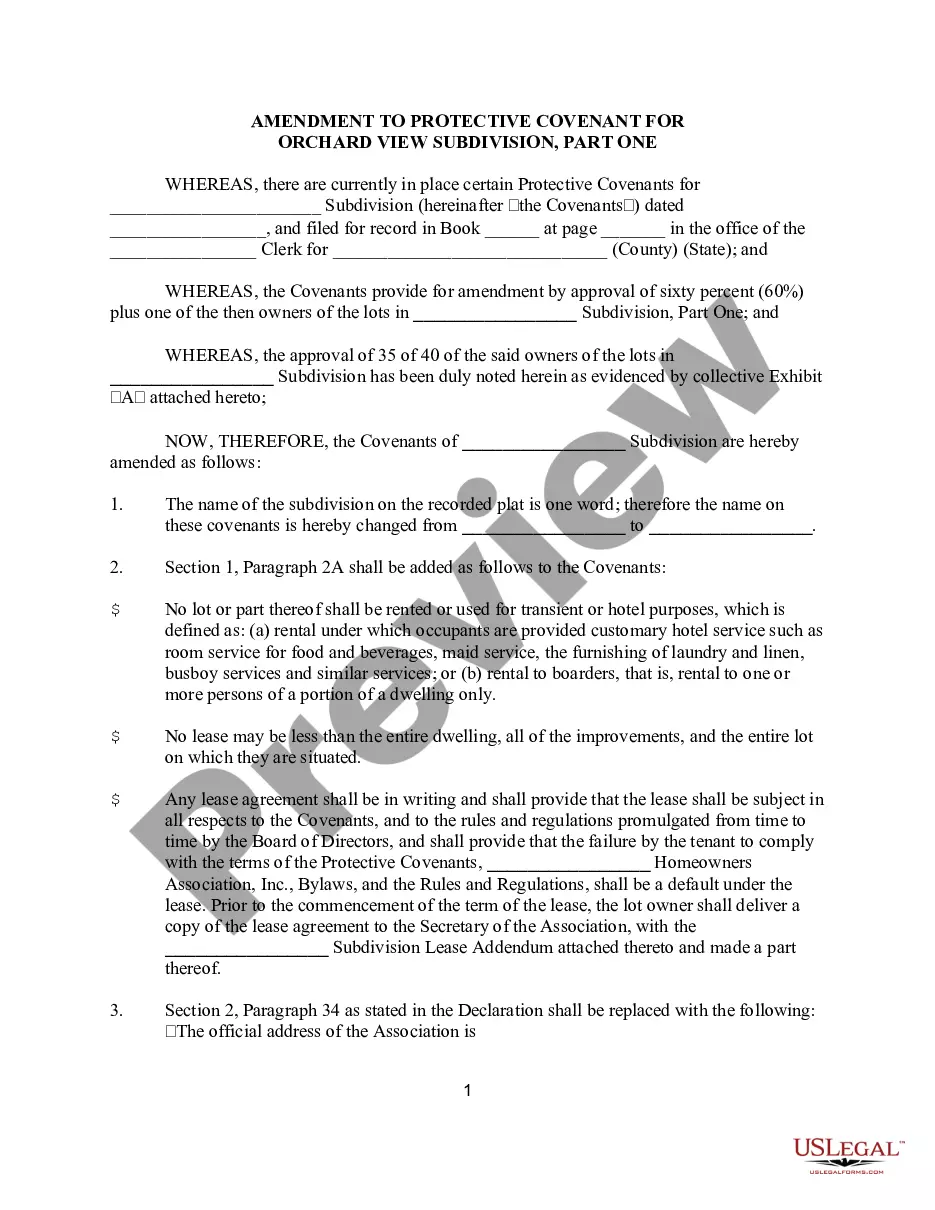






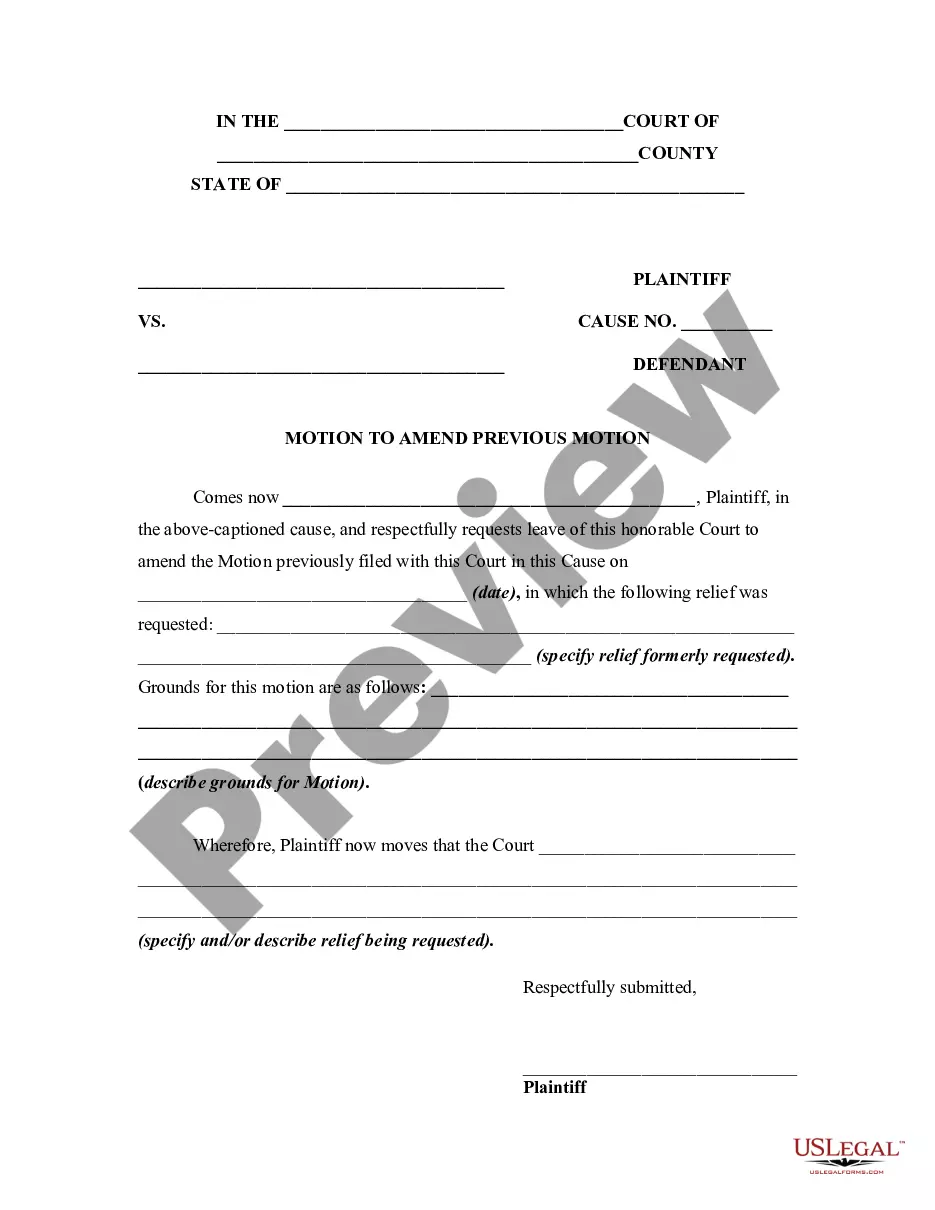
Form popularity
FAQ
"Parties may obtain discovery regarding any matter, not privileged, which is relevant to the subject matter involved in the pending action, whether it relates to the claim or defense of the party seeking discovery or to the claim or defense of any other party, including the existence, description, nature, custody, ...
Discovery is how you gather the evidence you will need to prove your case as plaintiff, or defeat the plaintiff's case as a defendant. You use discovery to find out things like: What the other side plans to say about an issue in your case.
The party of whom discovery is demanded shall respond by filing and serving answers to the interrogatories and/or responses to the requests for admission, and/or by producing the documents no later than ten days after receipt of the requests. The response shall be completed upon its receipt.
Certificate discovery refers to the use of scanning tools to detect a company's public and private TLS/SSL certificates. Cloud-based sensors can be used to identify public-facing TLS/SSL certificates. Network-based sensors and agents can be used to identify the digital certificates located on a company's network.
The California discovery rule stops the clock on the statute of limitations until the plaintiff either finds out about the cause of action or has a good reason to do so. This rule comes into play when the plaintiff didn't realize, and a reasonable person wouldn't have realized, that they were harmed.
For a certificate of service for discovery papers, such as written discovery requests and responses, see Form – Certificate of Service (Discovery). The Federal Rules of Civil Procedure state that no certificate of service is required when a paper is served by filing it with the court's electronic-filing (ECF) system.
If service is made by mail, then proof of service must include a signed receipt or other evidence of successful personal delivery to the defendant that will satisfy the court where the case is filed.
Massachusetts recognizes the “discovery rule,” which allows the statute of limitations to start when an injury is identified or reasonably should have been recognized, not necessarily from the date of the incident.
For successful service on a defendant who is a person, the sheriff or constable must personally hand a copy of the summons and complaint to the defendant, leave the copies at the defendant's last and usual place of abode (last known residence), or deliver the copies to an agent authorized to receive service of process ...
Personal service and substituted service are two common types of service of process used in the United States, with personal service being the one most difficult for a defendant to attack for its legality. Another method used to perform service of process is publication. For example, publication in a newspaper.