Notification With Service Worker In Kings
Description

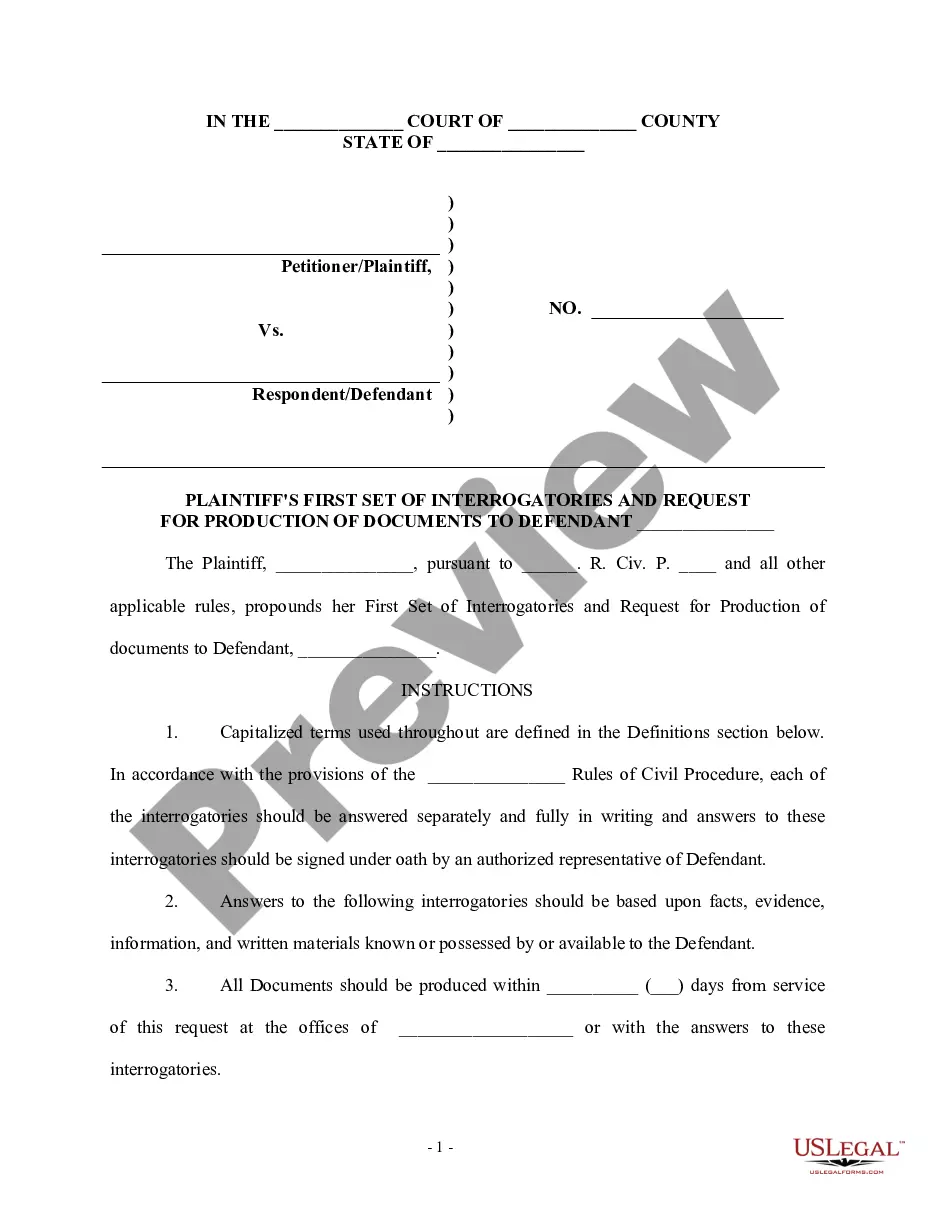
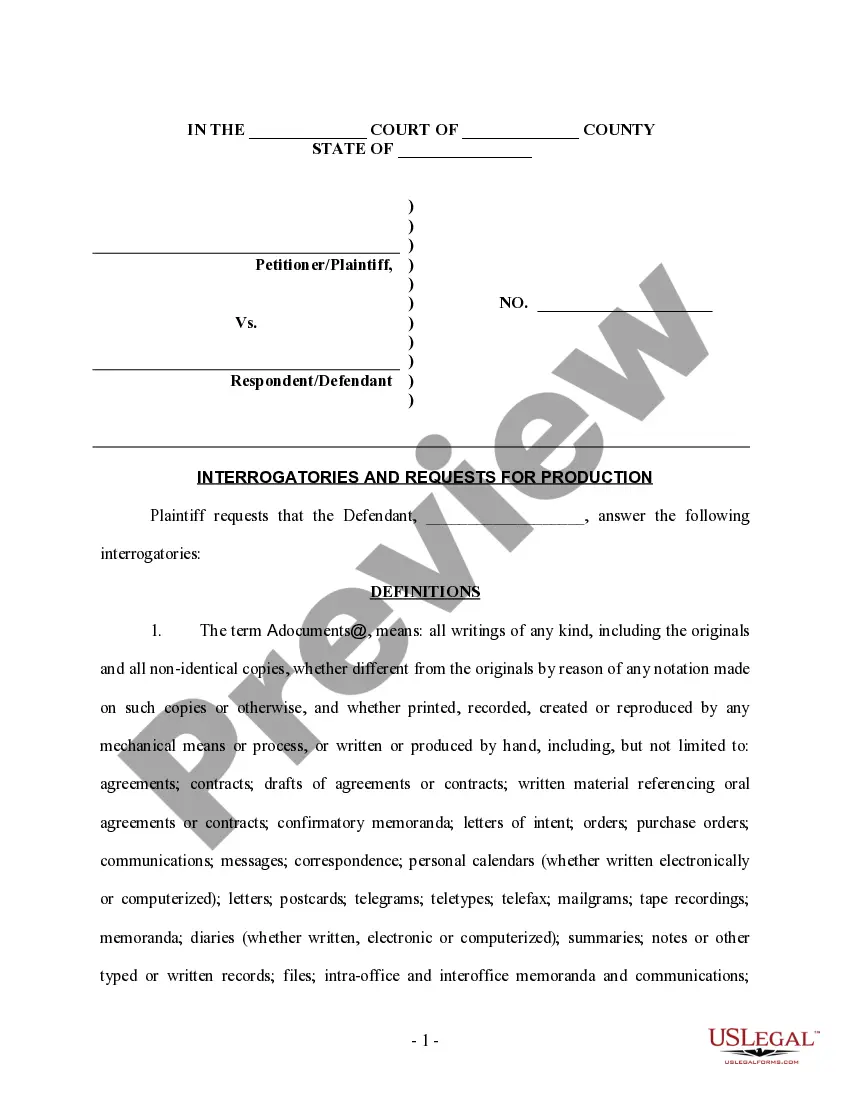
Get your form ready online
Our built-in tools help you complete, sign, share, and store your documents in one place.
Make edits, fill in missing information, and update formatting in US Legal Forms—just like you would in MS Word.
Download a copy, print it, send it by email, or mail it via USPS—whatever works best for your next step.
Sign and collect signatures with our SignNow integration. Send to multiple recipients, set reminders, and more. Go Premium to unlock E-Sign.
If this form requires notarization, complete it online through a secure video call—no need to meet a notary in person or wait for an appointment.
We protect your documents and personal data by following strict security and privacy standards.

Make edits, fill in missing information, and update formatting in US Legal Forms—just like you would in MS Word.

Download a copy, print it, send it by email, or mail it via USPS—whatever works best for your next step.

Sign and collect signatures with our SignNow integration. Send to multiple recipients, set reminders, and more. Go Premium to unlock E-Sign.

If this form requires notarization, complete it online through a secure video call—no need to meet a notary in person or wait for an appointment.

We protect your documents and personal data by following strict security and privacy standards.
Looking for another form?









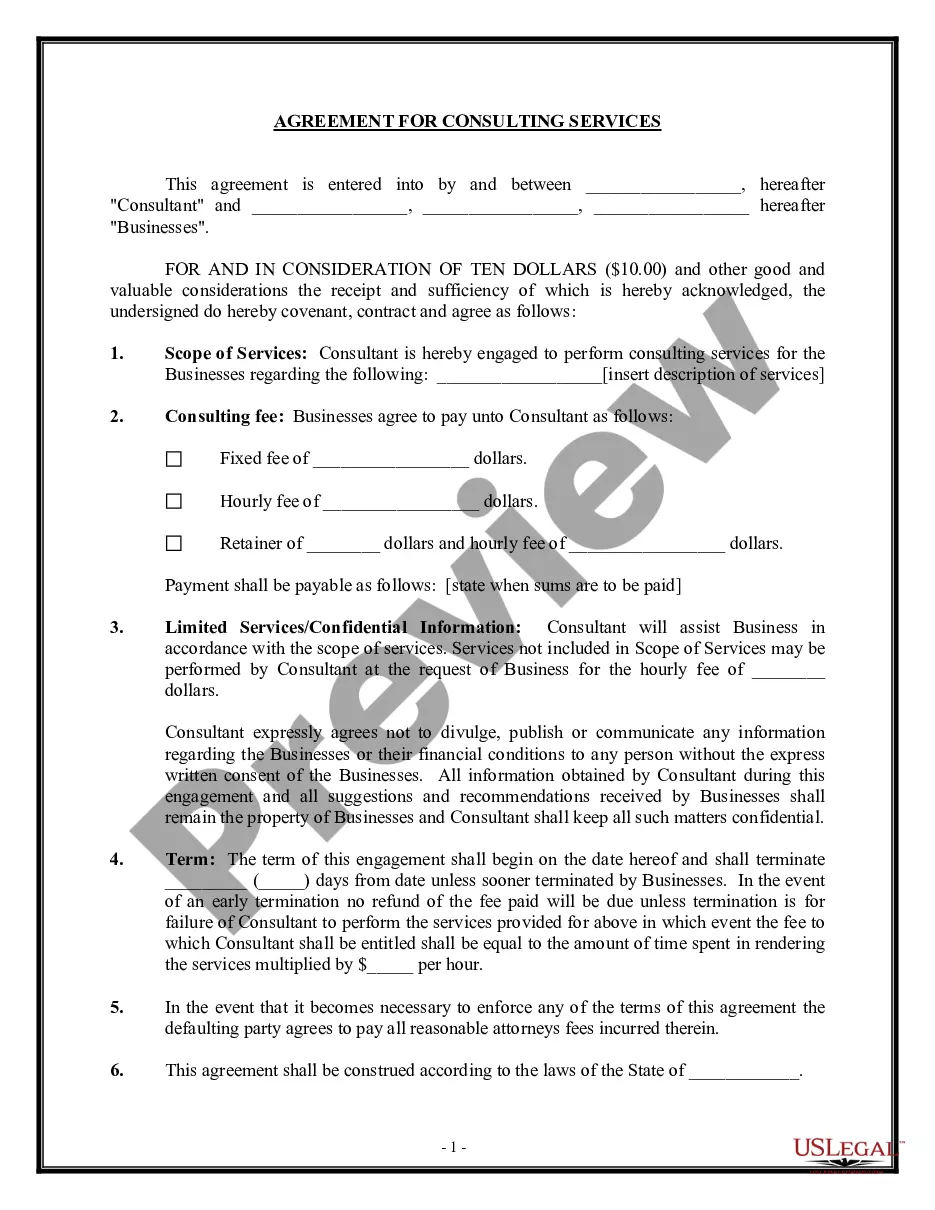
Form popularity
FAQ
Consider getting one of the following jobs in the service industry: Call center representative. Bank teller. Flight attendant. Personal trainer. Server. Wedding planner. Retail sales associate. Hairstylist.
Under common-law rules, anyone who performs services for you is your employee if you can control what will be done and how it will be done.
Includes: Attend- ants (hospital and other institutions, professional and personal service, in- cluding nurses aides and orderlies), barbers, char workers and cleaners, cooks (except household), counter and fountain workers, elevator operators, firefighters and fire protection work- ers, guards, doorkeepers, stewards, ...
Service workers fulfill their duties in various industries, including healthcare, education, event planning, finance, waste management, entertainment, retail, food, information technology, transportation, warehousing, and law enforcement.
How do push notifications work? Push notifications involve an app publisher registering with an Operating System Push Notification Service (OSPNS), which then allows the app to communicate with opted-in users through unique identifiers, enabling targeted messages to be sent.
Domestic service workers include companions, babysitters, cooks, waiters, maids, housekeepers, nannies, nurses, janitors, caretakers, handymen, gardeners, home health aides, personal care aides, and family chauffeurs.
User Denied Permission: The user has denied permission to use service workers. This could be due to the user's browser settings, or their device not supporting service workers. You may need to ask the user to allow service workers in their browser settings, or use a different browser that supports service workers.
Handle notifications in the service worker Add the following code to the end of the file: // Show notification when received self. addEventListener('message', (event) => { let notification = event. data; self.
Sending web push notifications in web apps and browsers Enable push notifications for your webpage or web app. Prepare your server to send push notifications. Send your notification request to the recipient's endpoint. Display badge counts for your web app. Review responses for push notification errors.
Your application server sends the content of a notification and device s to your push notification service API. Once the server has sent the request to the push notification service, the service sends the notification to your users' devices.