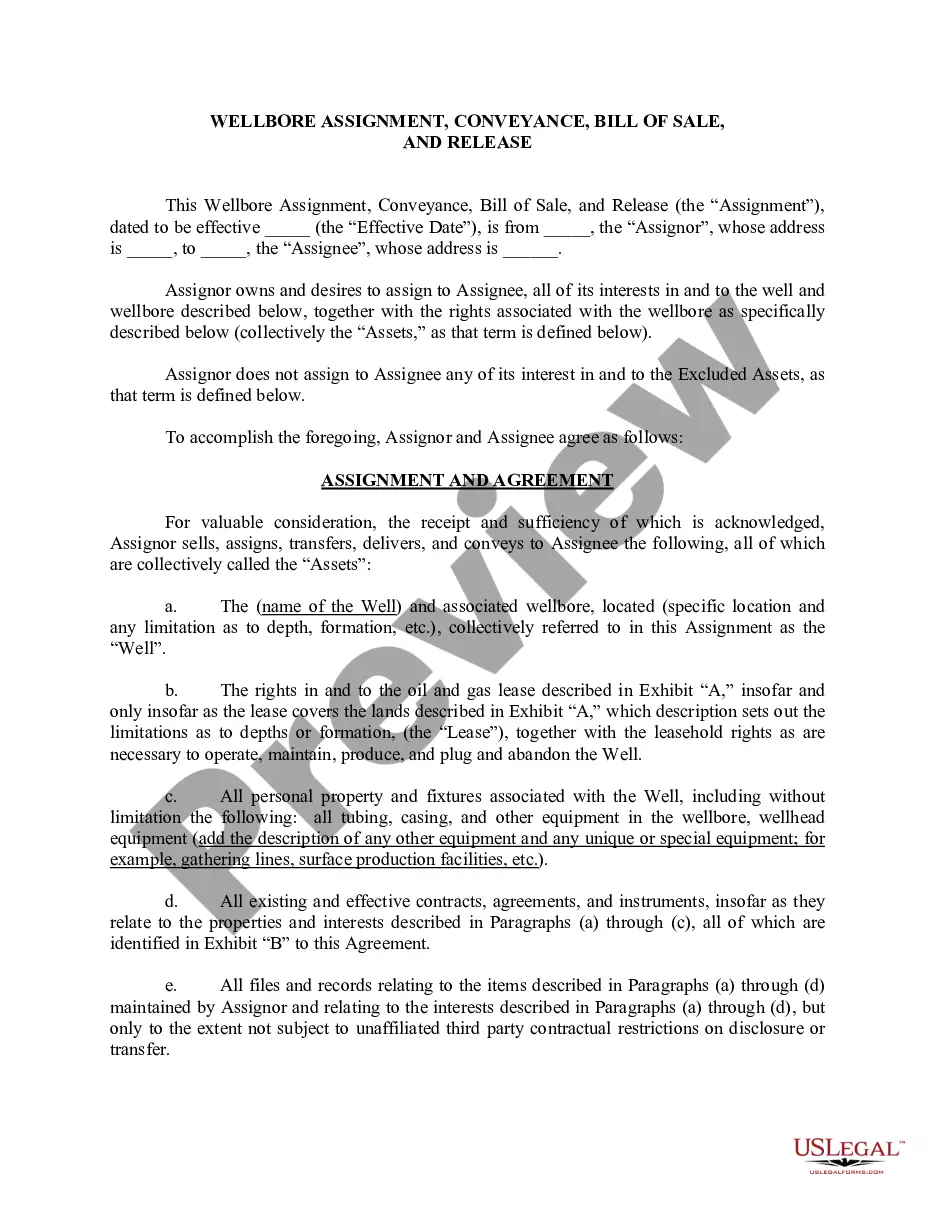
Notice Of Service Of Discovery Example In Illinois
Description

Get your form ready online
Our built-in tools help you complete, sign, share, and store your documents in one place.
Make edits, fill in missing information, and update formatting in US Legal Forms—just like you would in MS Word.
Download a copy, print it, send it by email, or mail it via USPS—whatever works best for your next step.
Sign and collect signatures with our SignNow integration. Send to multiple recipients, set reminders, and more. Go Premium to unlock E-Sign.
If this form requires notarization, complete it online through a secure video call—no need to meet a notary in person or wait for an appointment.
We protect your documents and personal data by following strict security and privacy standards.

Make edits, fill in missing information, and update formatting in US Legal Forms—just like you would in MS Word.

Download a copy, print it, send it by email, or mail it via USPS—whatever works best for your next step.

Sign and collect signatures with our SignNow integration. Send to multiple recipients, set reminders, and more. Go Premium to unlock E-Sign.

If this form requires notarization, complete it online through a secure video call—no need to meet a notary in person or wait for an appointment.

We protect your documents and personal data by following strict security and privacy standards.
Looking for another form?

Form popularity
FAQ
Discovery means you send the other side questions and requests for information or items (like documents) in writing. The other side must respond to your question or request in writing.
How to serve a Response for written discovery Choose a server. You can't serve papers yourself. Figure out deadline to serve. Have your server mail the papers. Have your server complete the Proof of Service form. Copy the Proof of Service form.
After you complete your response to any request for written discovery, you must provide your response to the other side by serving the other side. You can serve the other side by mail. This means another adult, not you, mails your response to the other side.
Under Illinois Supreme Court Rule 201(k), the attorneys or litigants must resolve their discovery issues before bringing a motion to the court asking to compel responses to the discovery.
Sometimes, there are exceptions via a discovery rule, allowing for a delay to the statute of limitations to start the time tolling not on the date the incident occurred leading to injury but instead on the date of discovery of an injury or when damages were first reasonably discoverable, per 735 ILCS 5/13-214.3(b).
State the specific question you are objecting to. Clearly state the grounds for your objection. Common grounds include: Overly broad, vague, or ambiguous:The question is excessively wide-ranging and doesn't provide enough clarity about what information is sought.
There are many ways to utilize written discovery responses at trial. You can read them separately as part of your case in chief. You can read them in the middle of examination of a witness. You can stipulate that the responses are in evidence and then argue them in closing.
You have 30 days to respond to the interrogatories. If you were served by mail, you typically have 35 days from the date of mailing to respond. Just below the top caption identifying the case, the form identifies the Answering (or Responding) party. Make sure that this is you.
A discovery response is essentially a choice that you make after receiving a request for information. The question then becomes, Should you comply or not?