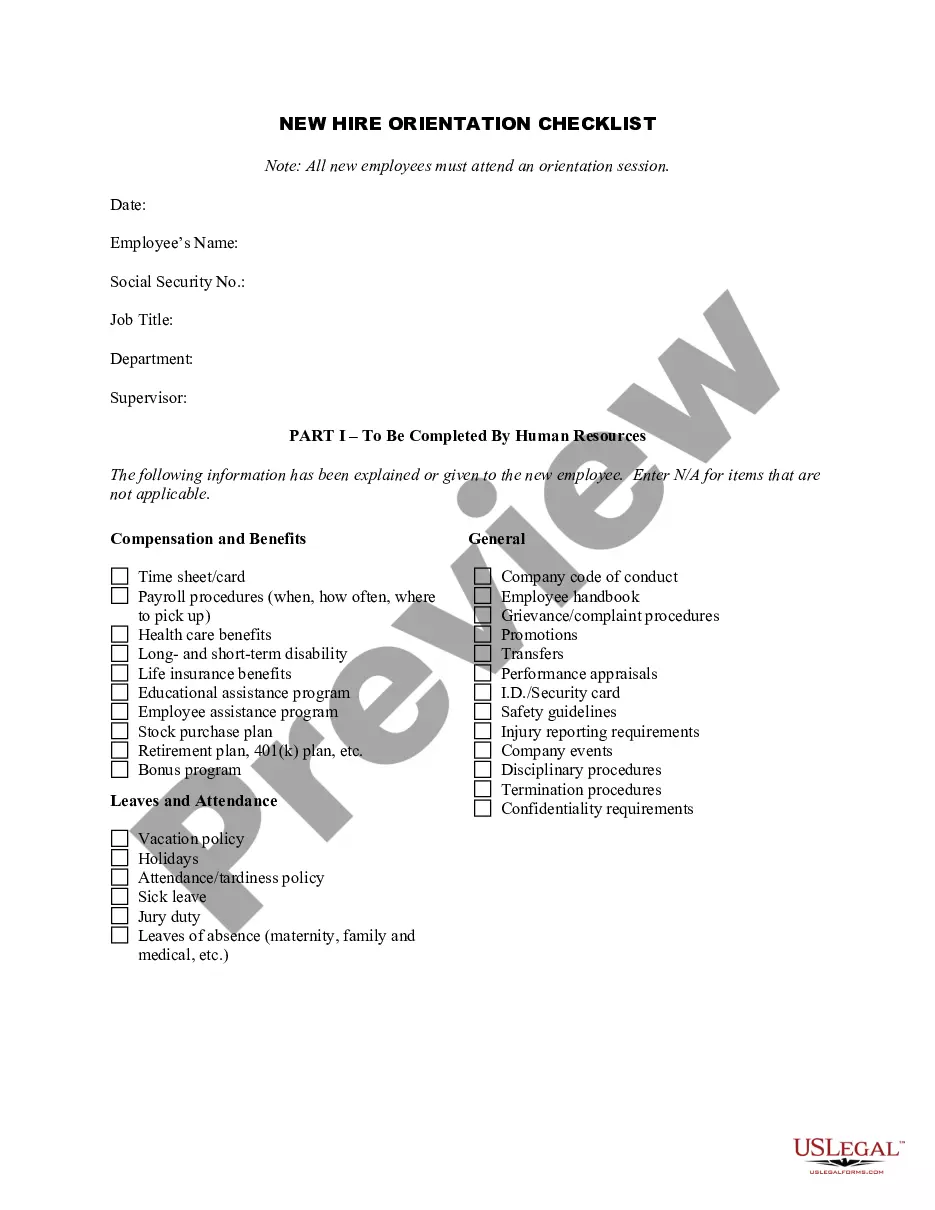
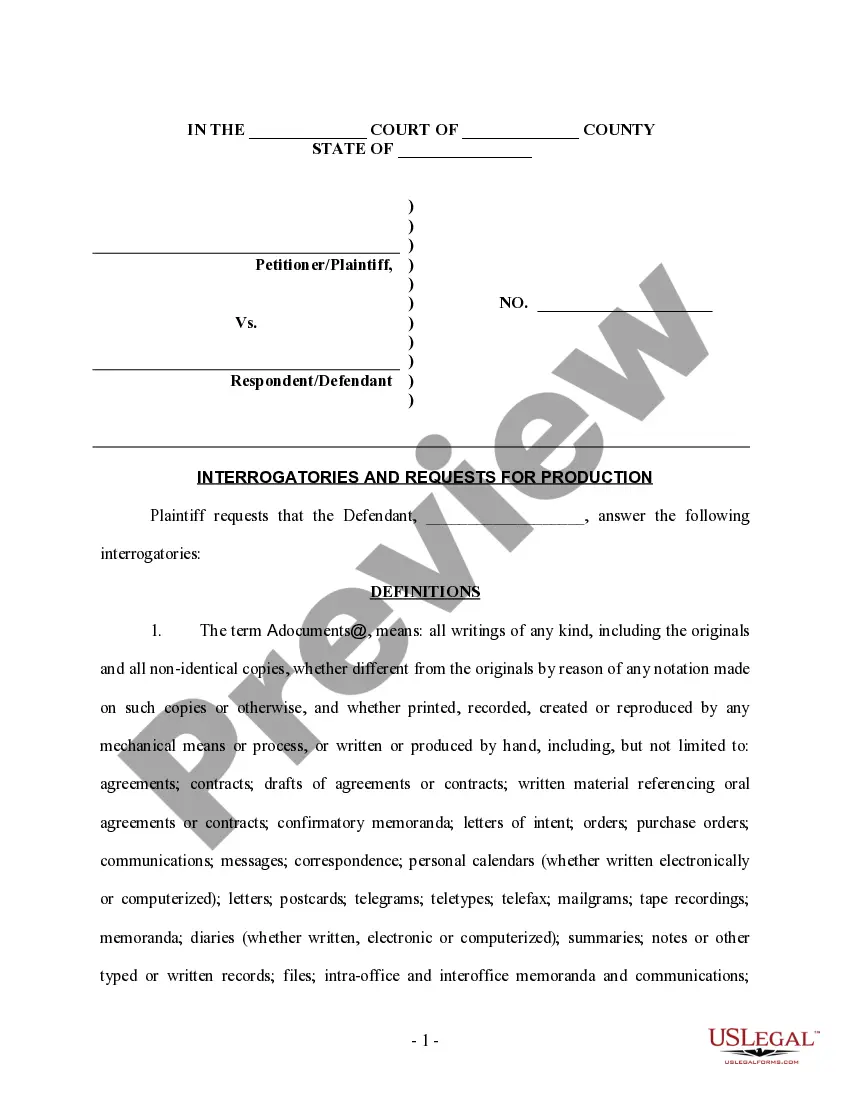
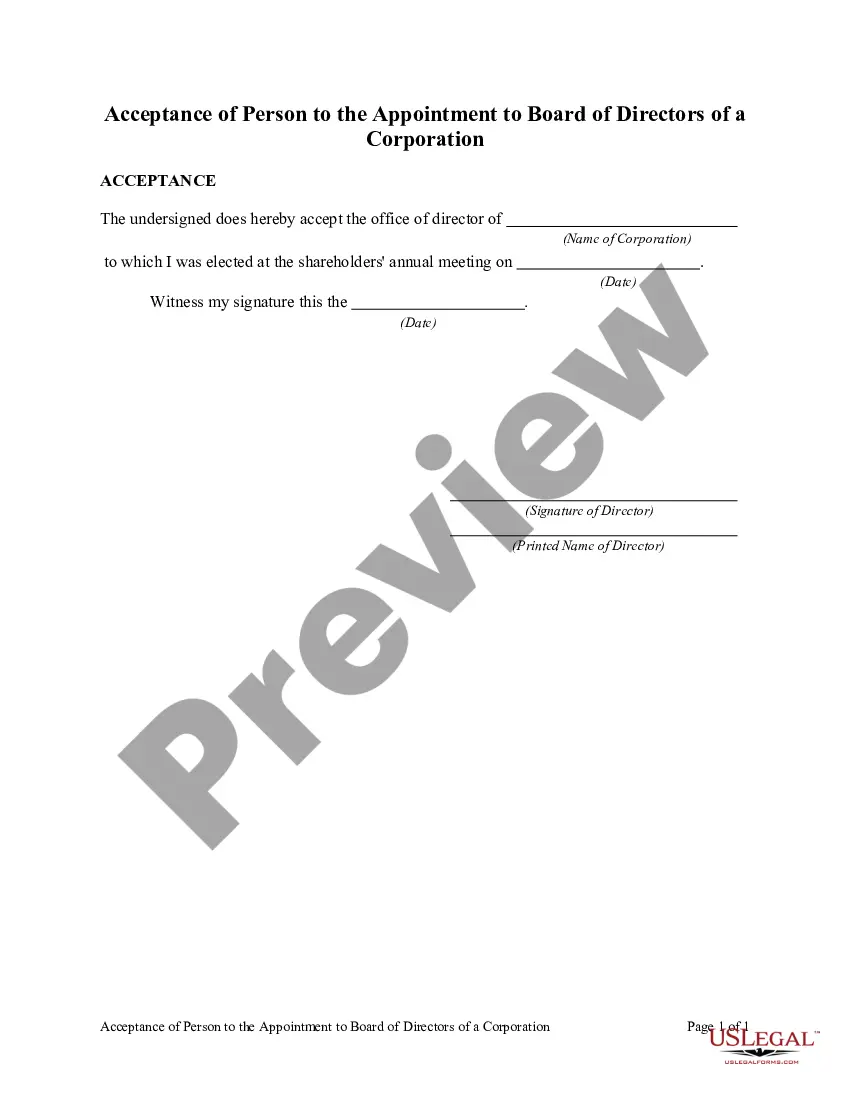
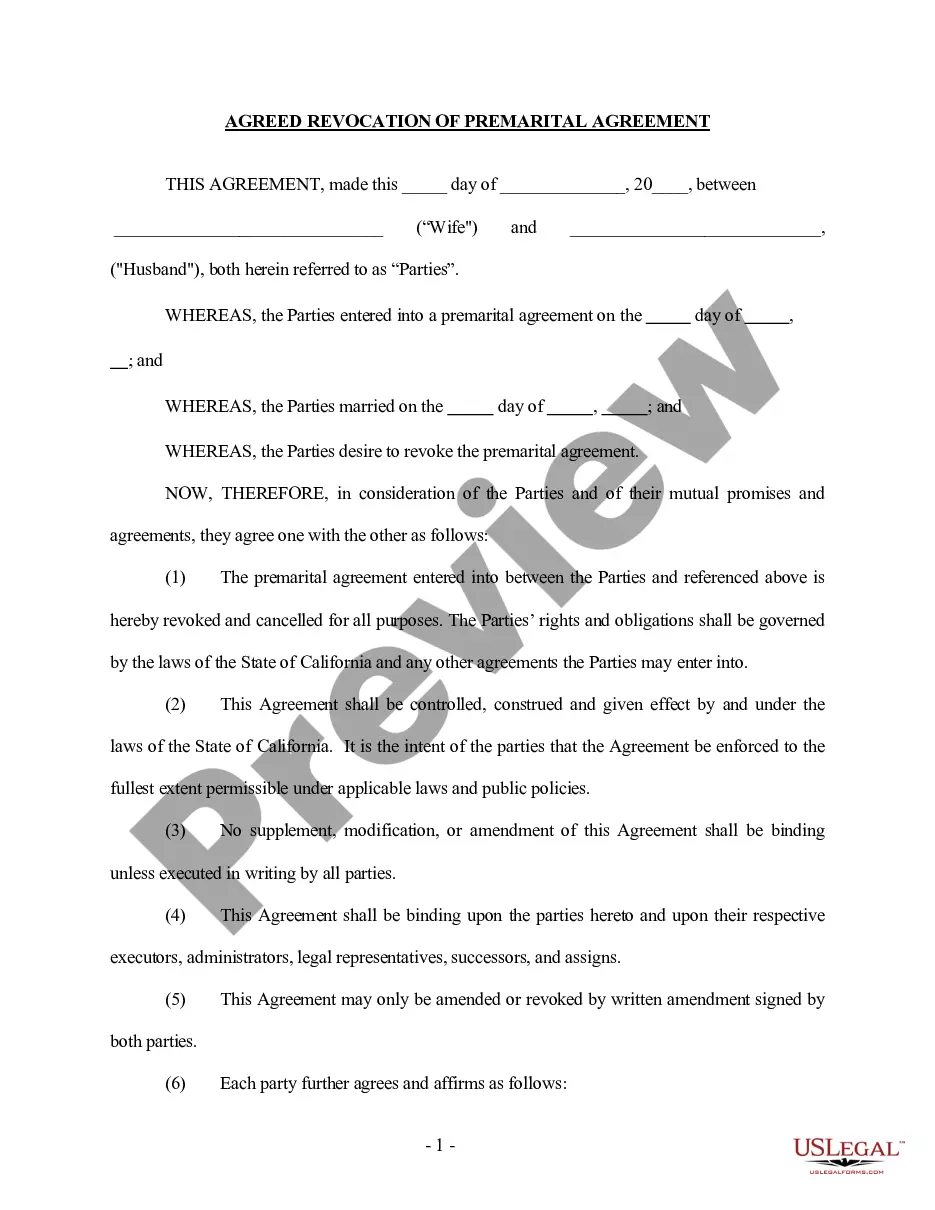
Notice Discovery Template Fortinet _all_ In Illinois
Description


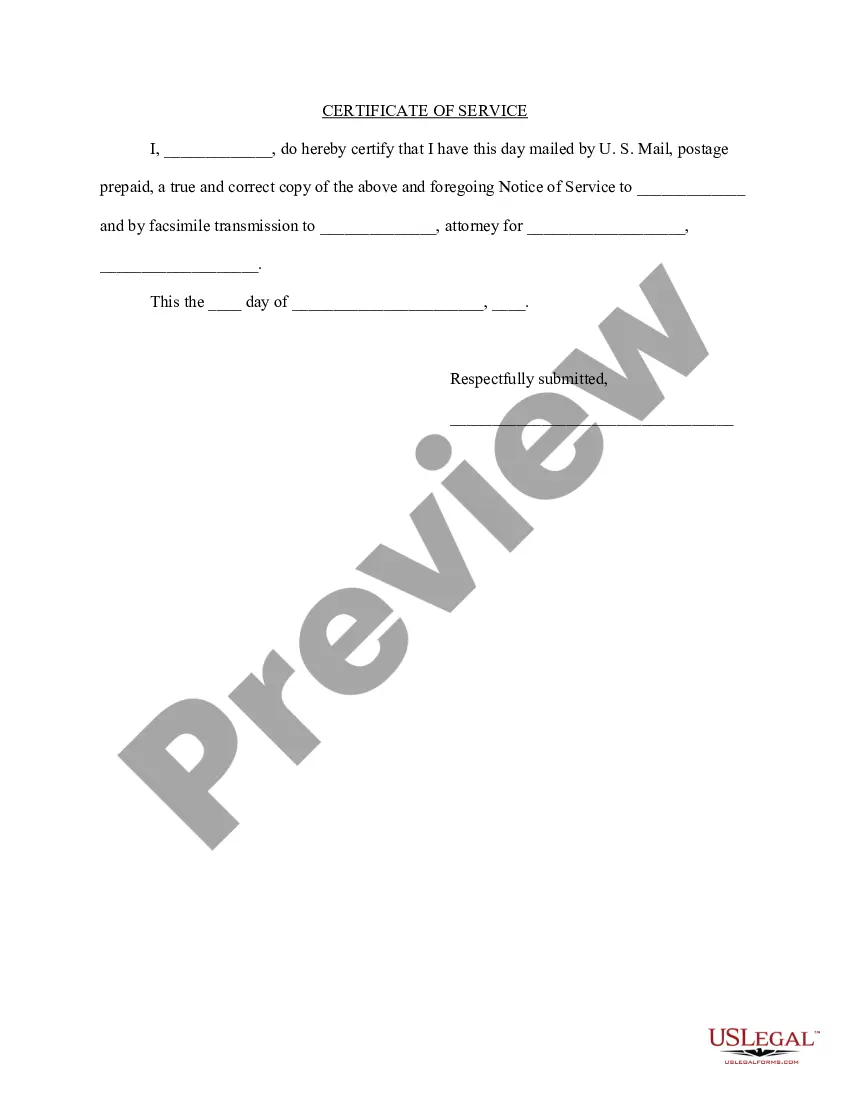
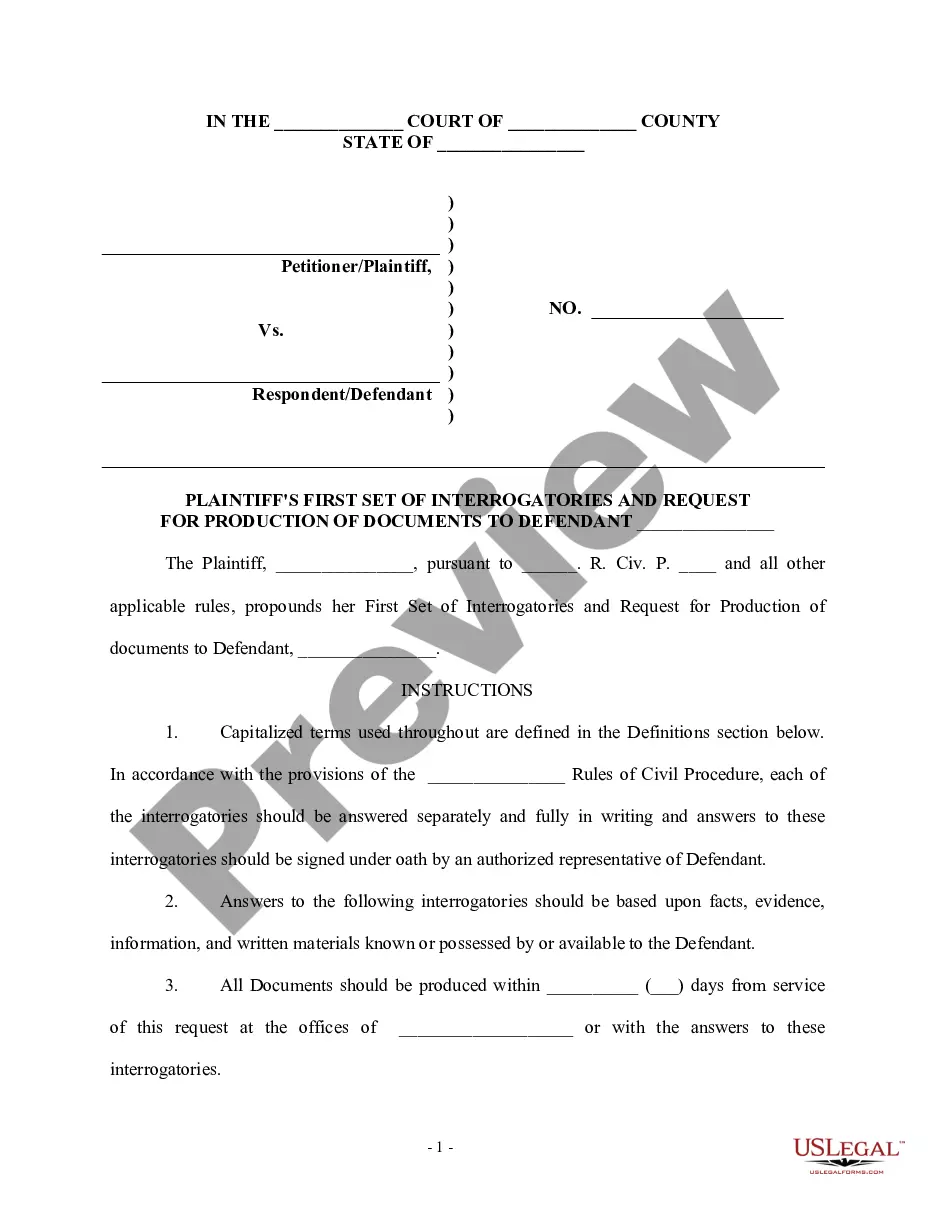
Get your form ready online
Our built-in tools help you complete, sign, share, and store your documents in one place.
Make edits, fill in missing information, and update formatting in US Legal Forms—just like you would in MS Word.
Download a copy, print it, send it by email, or mail it via USPS—whatever works best for your next step.
Sign and collect signatures with our SignNow integration. Send to multiple recipients, set reminders, and more. Go Premium to unlock E-Sign.
If this form requires notarization, complete it online through a secure video call—no need to meet a notary in person or wait for an appointment.
We protect your documents and personal data by following strict security and privacy standards.

Make edits, fill in missing information, and update formatting in US Legal Forms—just like you would in MS Word.

Download a copy, print it, send it by email, or mail it via USPS—whatever works best for your next step.

Sign and collect signatures with our SignNow integration. Send to multiple recipients, set reminders, and more. Go Premium to unlock E-Sign.

If this form requires notarization, complete it online through a secure video call—no need to meet a notary in person or wait for an appointment.

We protect your documents and personal data by following strict security and privacy standards.
Looking for another form?








Form popularity
FAQ
Writing your motion The language of the motion should be clear and concise. This means avoiding extreme claims or hyperbole while quickly getting to the meat of your arguments. There is a time for humor and poetic prose, and that time rarely comes when you are writing a motion.
If you want to file a motion, the process is generally something like this: You write your motion. You file your motion with the court clerk. The court clerk inserts the date and time your motion will be heard by the judge. You “serve” (mail) your motion to the other side.
Filing the Motion and Notice of Motion. The Motion and the Notice of Motion need to be e-filed with the Clerk of the Court. The e-Filing system will reject your filing if you do not enter a court date on the form before e-filing it.
In your written motion, you should ask the judge to vacate the judgment. If you are filing the motion within 30 days of learning of the default judgment, you should say so. Include weekends and holidays when counting. The deadline cannot be a weekend or holiday.
In some circumstances, you file a petition or a motion. The court has several complaint forms that you may use in drafting your complaint. The forms are available online and at the Pro Se Intake Unit. You may also write your own complaint without using a court form.
(f) Mandatory initial discovery responses must be made within the following deadlines: (i) a party seeking affirmative relief must serve its responses within 30 days after the filing of the first pleading made in response to its complaint, counterclaim, crossclaim, or third party complaint; and (ii) a party filing a ...