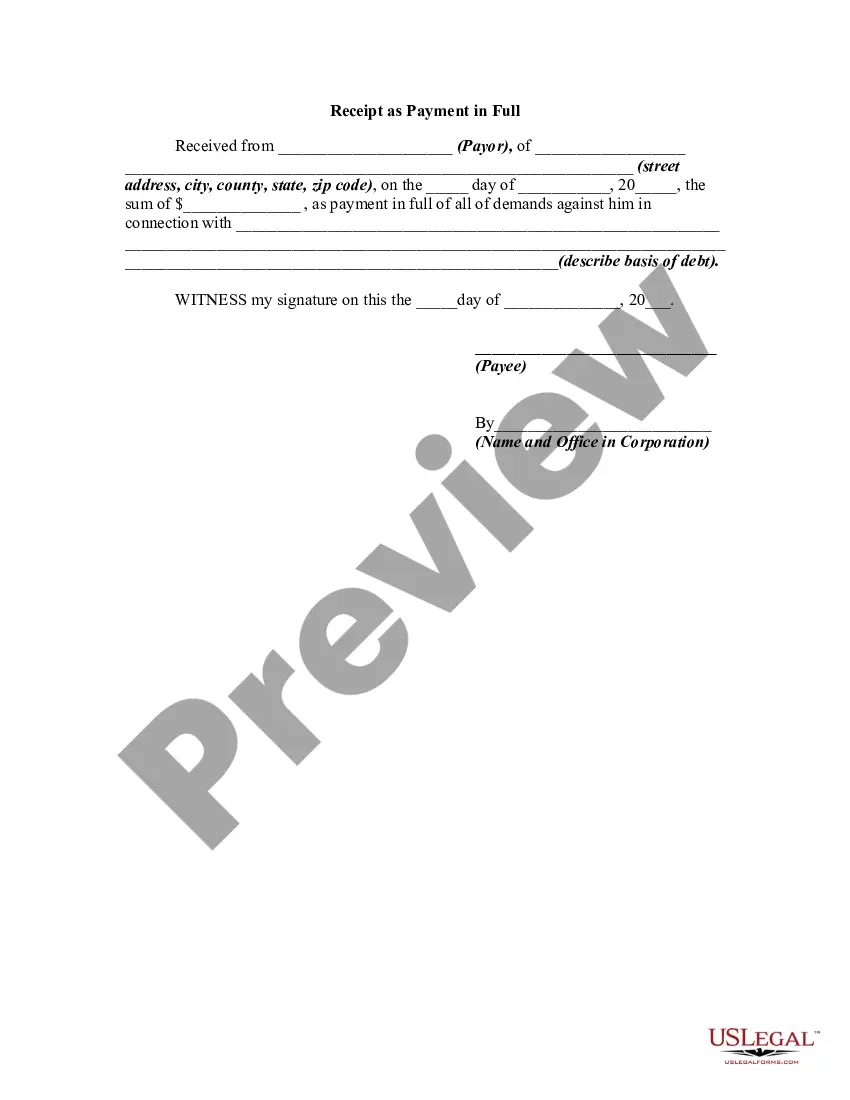
Service Of Interrogatories In Harris
Description


Get your form ready online
Our built-in tools help you complete, sign, share, and store your documents in one place.
Make edits, fill in missing information, and update formatting in US Legal Forms—just like you would in MS Word.
Download a copy, print it, send it by email, or mail it via USPS—whatever works best for your next step.
Sign and collect signatures with our SignNow integration. Send to multiple recipients, set reminders, and more. Go Premium to unlock E-Sign.
If this form requires notarization, complete it online through a secure video call—no need to meet a notary in person or wait for an appointment.
We protect your documents and personal data by following strict security and privacy standards.

Make edits, fill in missing information, and update formatting in US Legal Forms—just like you would in MS Word.

Download a copy, print it, send it by email, or mail it via USPS—whatever works best for your next step.

Sign and collect signatures with our SignNow integration. Send to multiple recipients, set reminders, and more. Go Premium to unlock E-Sign.

If this form requires notarization, complete it online through a secure video call—no need to meet a notary in person or wait for an appointment.

We protect your documents and personal data by following strict security and privacy standards.
Looking for another form?








Form popularity
FAQ
A person alleging failure to comply with discovery shall file a motion to compel as soon as practicable. A motion to compel shall include the relevant portion of the discovery response at issue.
A Motion for Discovery may be filed with the Court via E-File, Email, in person, or by US Mail. A Motion for Discovery must be in writing, with a signature, and be served on the other party in ance with the T.R.C.P 501.4.
When a party requests documents or answers to questions from the opposing party in a lawsuit, you must do so in the form of a Motion for Discovery. A Motion for Discovery may be filed with the Court via E-File, Email, in person, or by US Mail.
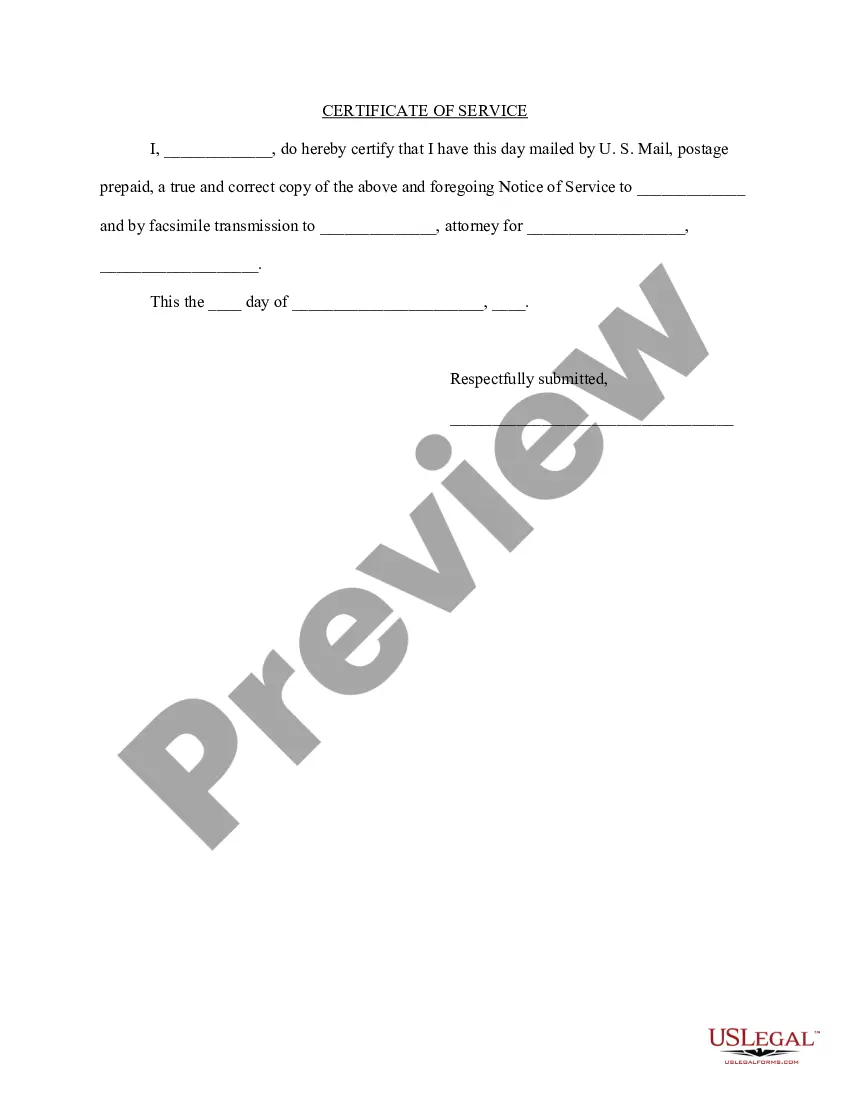
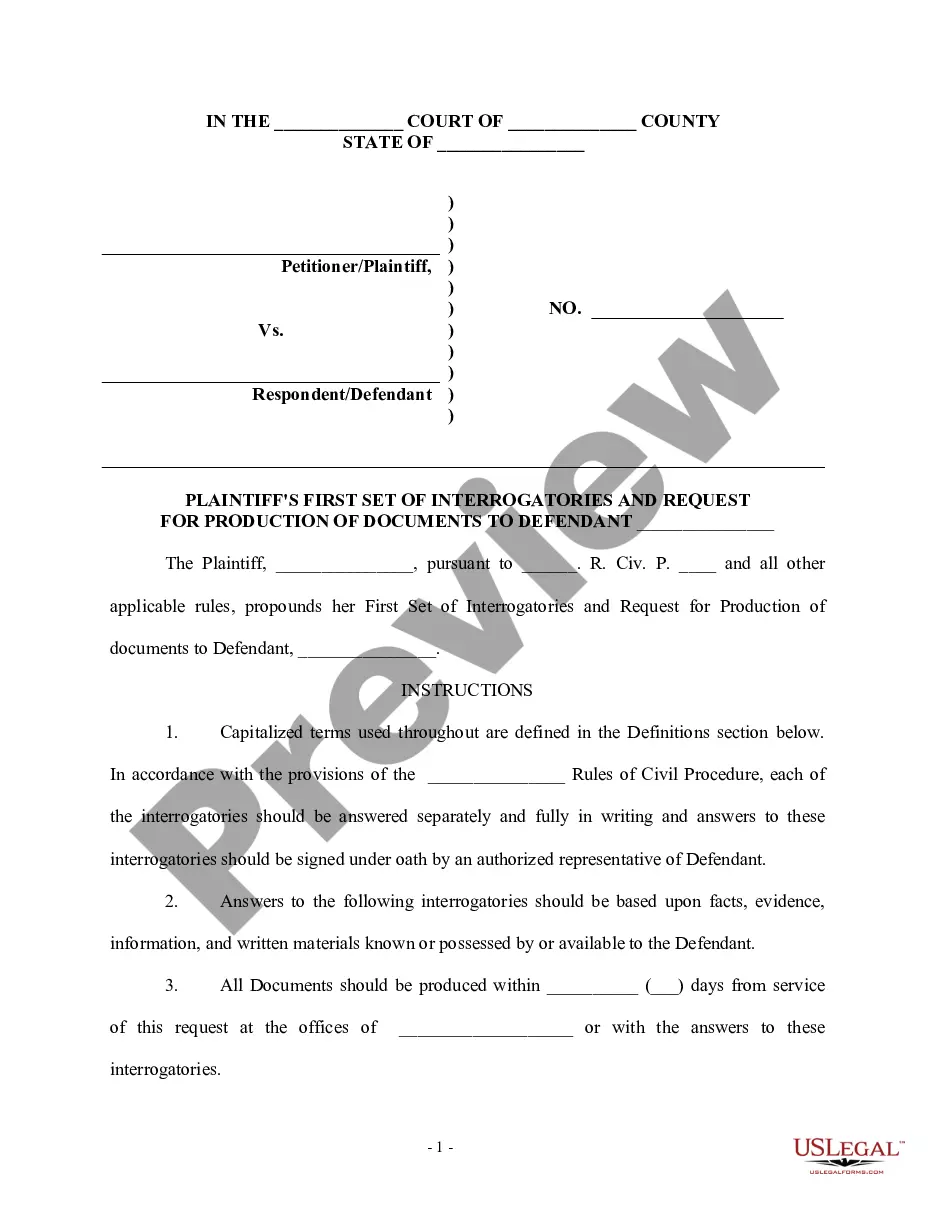
A party may serve on another party - no later than 30 days before the end of the discovery period -written interrogatories to inquire about any matter within the scope of discovery except matters covered by Rule 195.
The responding party must serve a written response on the requesting party within 30 days after service of the interrogatories, except that a defendant in a suit governed by the Family Code served with a request before the defendant's answer is due need not respond until 50 days after service of the request.
A criminal defendant or his/her lawyer can request discovery from the prosecution by sending them a request/demand for discovery (depending on the idiosyncrasies of the jurisdiction), and, to the extent they don't comply with the request/demand, file a motion with the court to compel discovery.