Notice Discovery Template For School In Florida
Description


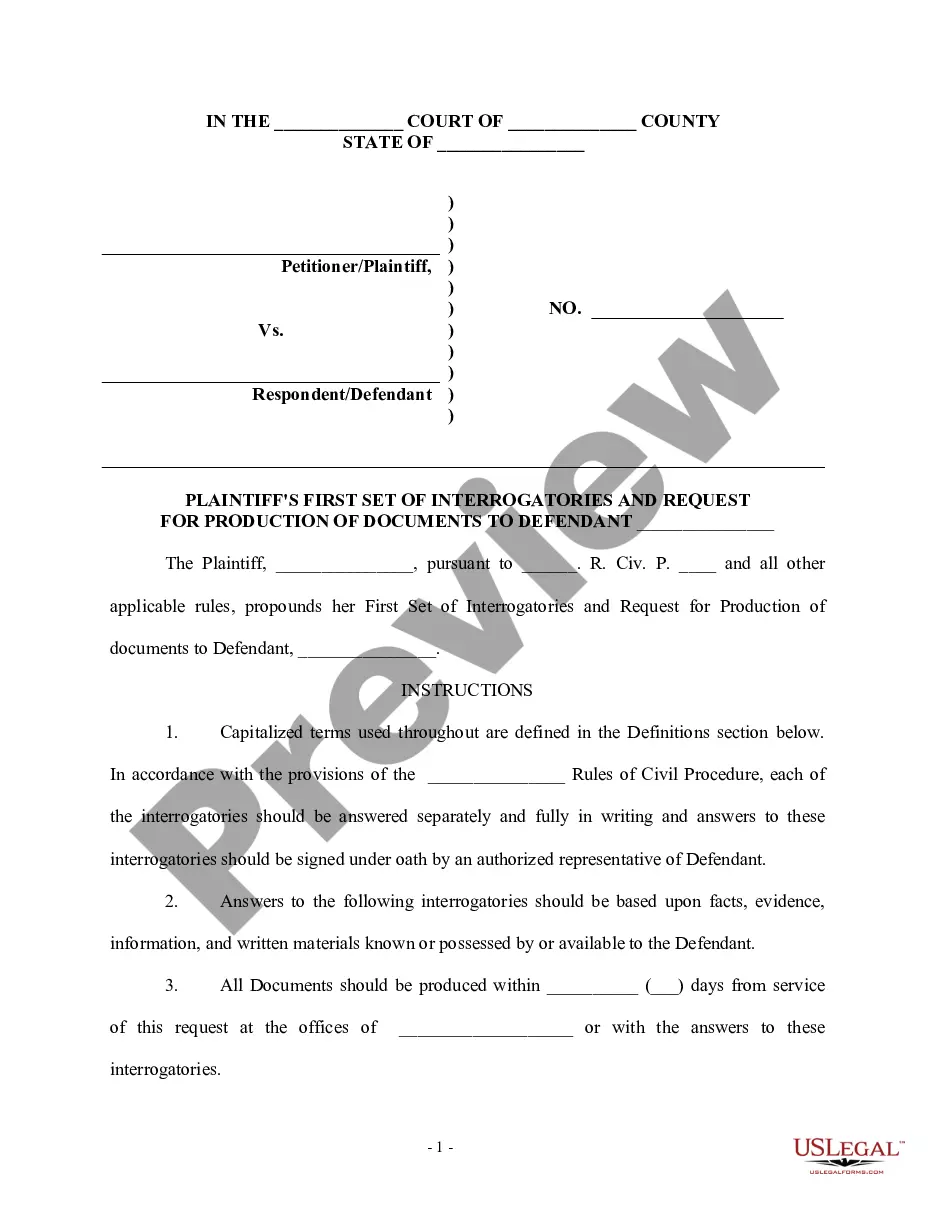
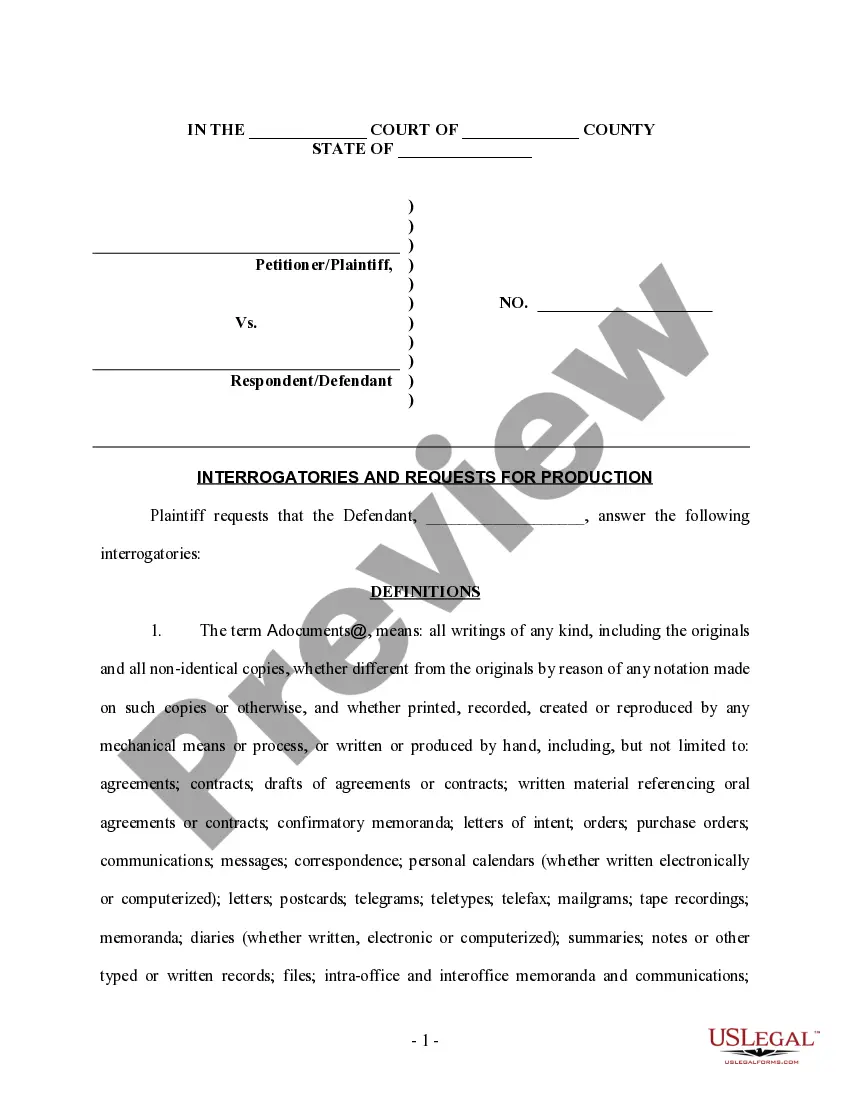
Get your form ready online
Our built-in tools help you complete, sign, share, and store your documents in one place.
Make edits, fill in missing information, and update formatting in US Legal Forms—just like you would in MS Word.
Download a copy, print it, send it by email, or mail it via USPS—whatever works best for your next step.
Sign and collect signatures with our SignNow integration. Send to multiple recipients, set reminders, and more. Go Premium to unlock E-Sign.
If this form requires notarization, complete it online through a secure video call—no need to meet a notary in person or wait for an appointment.
We protect your documents and personal data by following strict security and privacy standards.

Make edits, fill in missing information, and update formatting in US Legal Forms—just like you would in MS Word.

Download a copy, print it, send it by email, or mail it via USPS—whatever works best for your next step.

Sign and collect signatures with our SignNow integration. Send to multiple recipients, set reminders, and more. Go Premium to unlock E-Sign.

If this form requires notarization, complete it online through a secure video call—no need to meet a notary in person or wait for an appointment.

We protect your documents and personal data by following strict security and privacy standards.
Looking for another form?

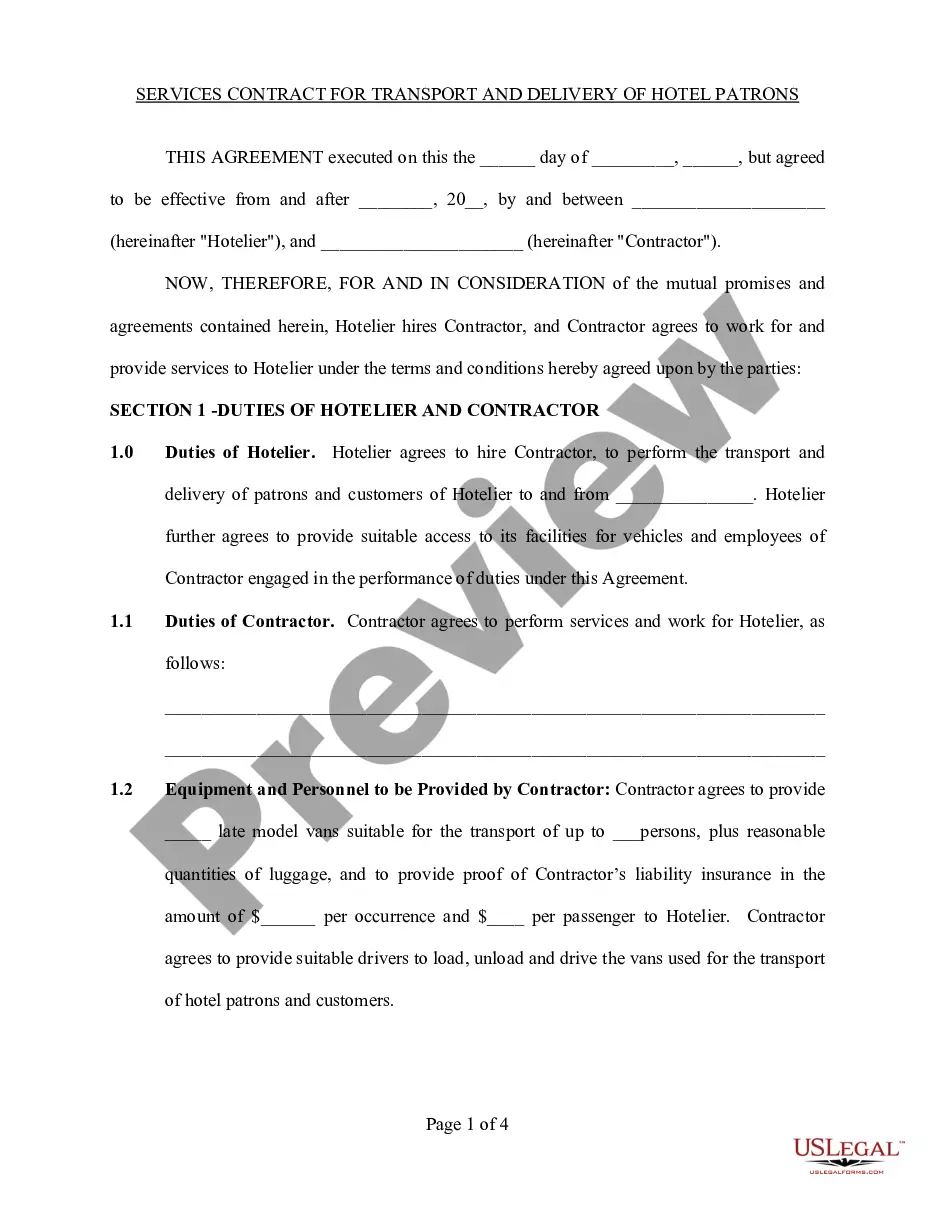



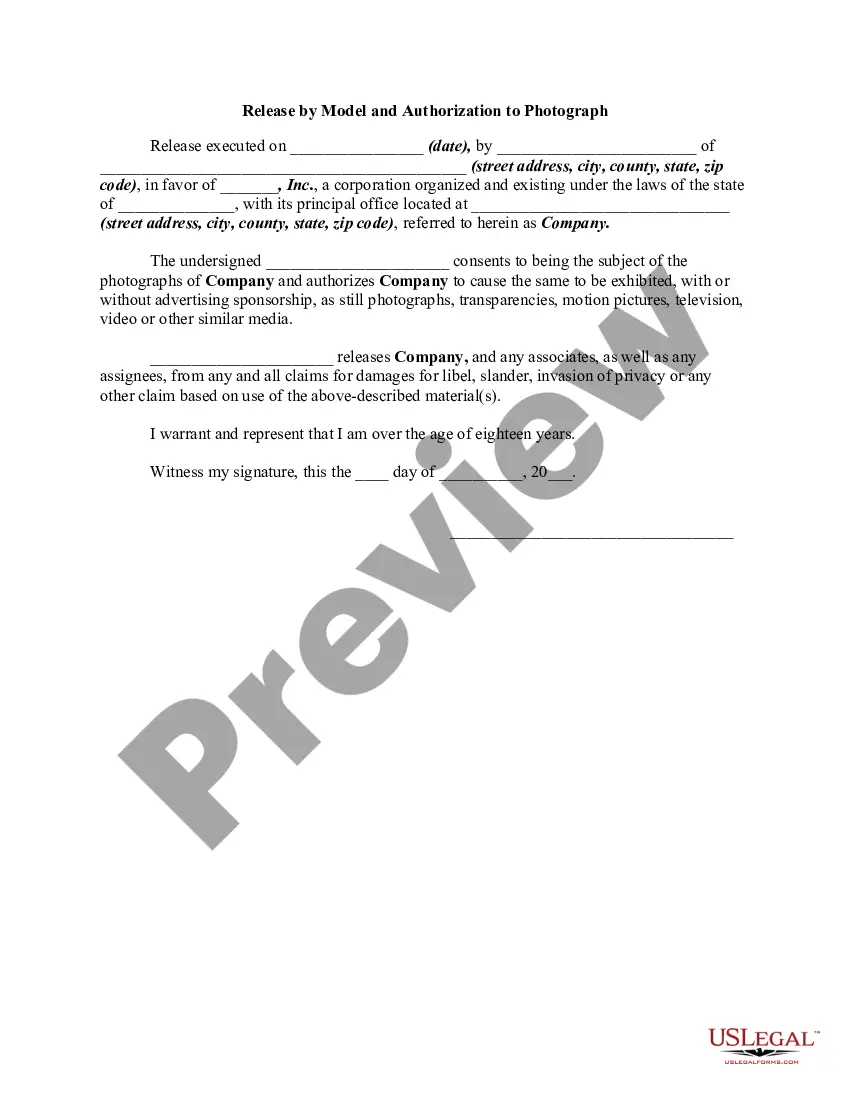



Form popularity
FAQ
The working group's professionalism proposal, Rule 1.279: Standards of Conduct for Discovery, cautions against “surprise tactics, delay, trickery, and concealment of discoverable information” and reminds attorneys that “not meeting discovery obligations by delay, obstructing the truth, or failing to be candid with the ...
The discovery process starts soon after criminal charges are instituted. Once your plea is filed following your arraignment, you can file a Notice of Discovery along with a Demand for Jury Trial. Your discovery notice triggers the prosecutor's duty to give you all evidence they've collected against you.
Parties may obtain discovery regarding any nonprivileged matter that is relevant to any party's claim or defense and proportional to the needs of the case, considering the importance of the issues at stake in the action, the amount in controversy, the parties' relative access to relevant information, the parties' ...
Discovery materials are filed only in limited circumstances, including if ordered by the Court, if necessary to the presentation or defense of a motion, or if required by law or rule.
If you are asked to give a deposition, you cannot refuse to do so. Otherwise, you risk being held in contempt of court. You will be subpoenaed to attend a deposition, and therefore, you have a legal obligation to take part.
If an appeal has been taken from a judgment of any court or before the taking of an appeal if the time therefor has not expired, the court in which the judgment was rendered may allow the taking of the depositions of witnesses to perpetuate their testimony for use in the event of further proceedings in the court.
The discovery rule is a legal principle that allows the statute of limitations to begin not at the moment of the accident but rather when you became aware of your injury.
Rule 1.250 - MISJOINDER AND NONJOINDER OF PARTIES (a) Misjoinder. Misjoinder of parties is not a ground for dismissal of an action. Any claim against a party may be severed and proceeded with separately.
Discovery materials are filed only in limited circumstances, including if ordered by the Court, if necessary to the presentation or defense of a motion, or if required by law or rule.