Notice For Discovery In Dallas
Description

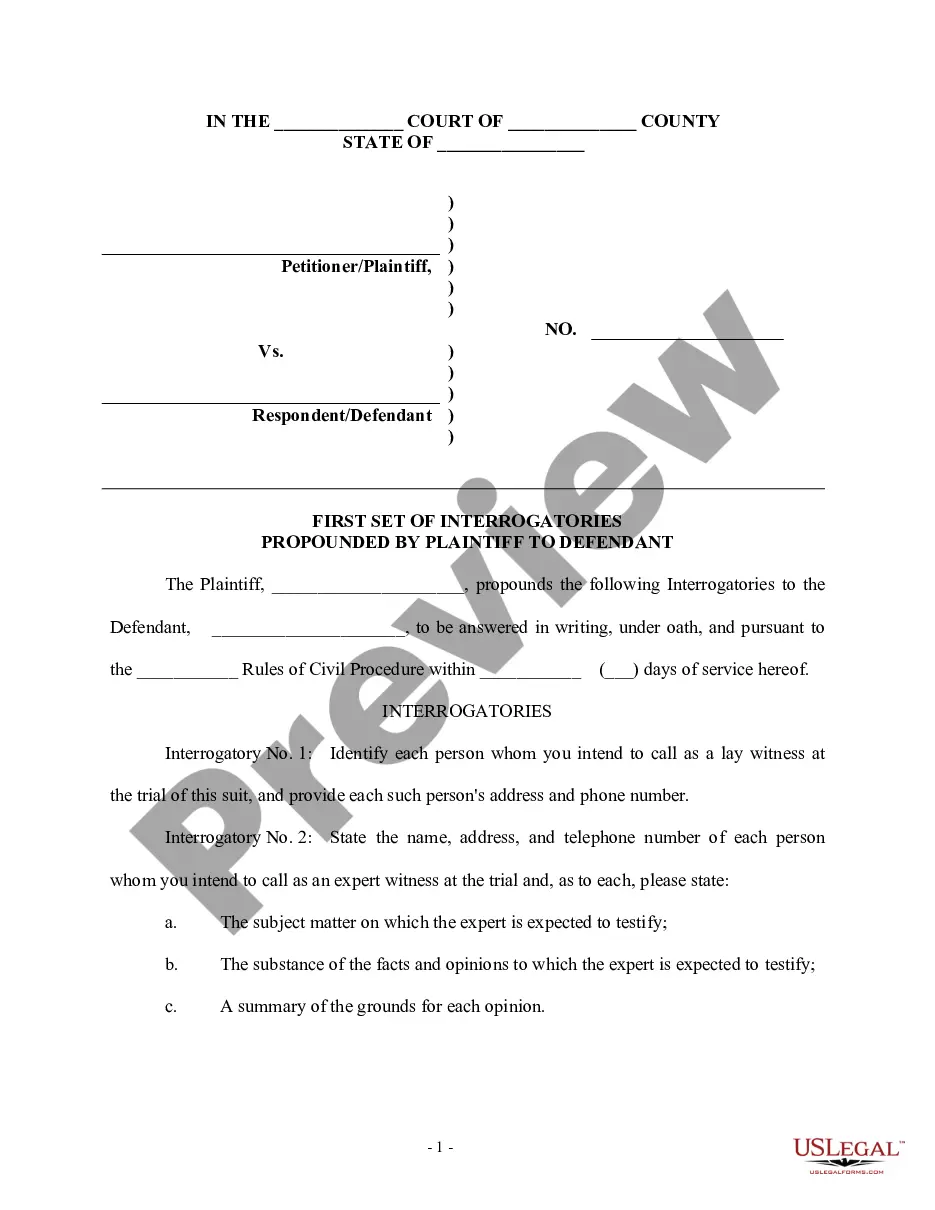

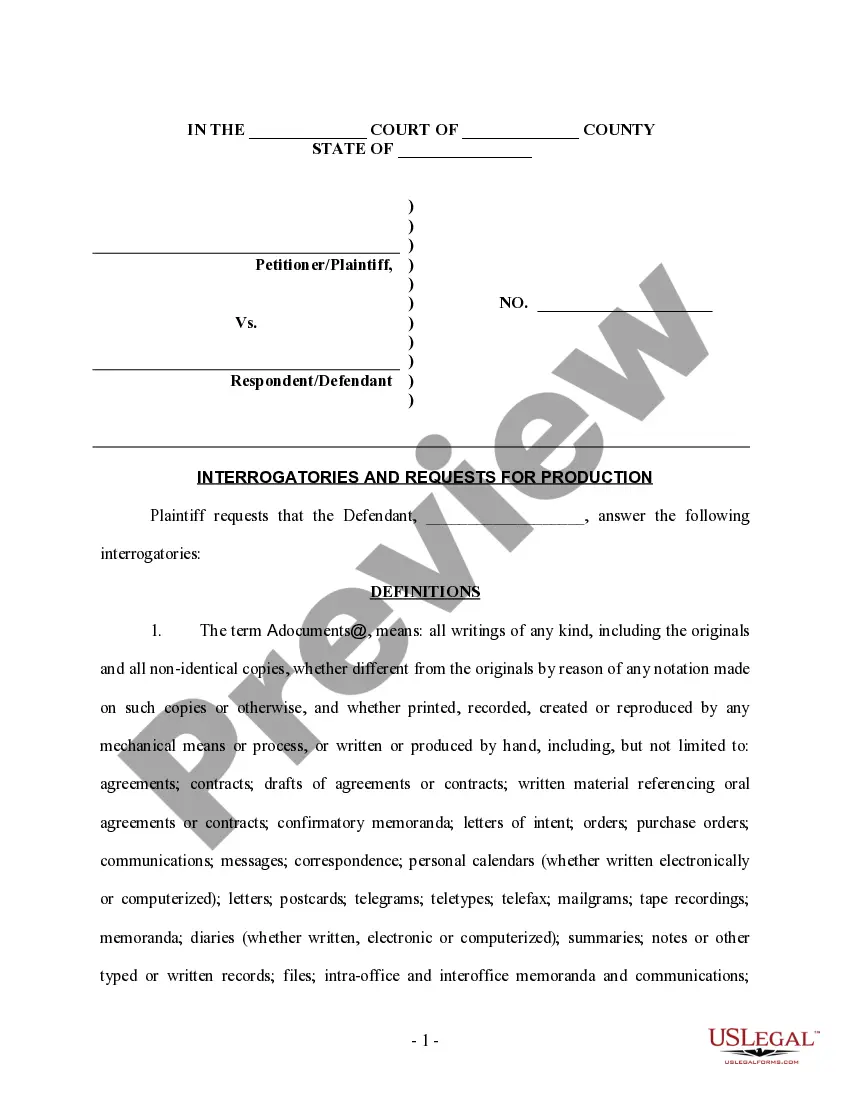
Get your form ready online
Our built-in tools help you complete, sign, share, and store your documents in one place.
Make edits, fill in missing information, and update formatting in US Legal Forms—just like you would in MS Word.
Download a copy, print it, send it by email, or mail it via USPS—whatever works best for your next step.
Sign and collect signatures with our SignNow integration. Send to multiple recipients, set reminders, and more. Go Premium to unlock E-Sign.
If this form requires notarization, complete it online through a secure video call—no need to meet a notary in person or wait for an appointment.
We protect your documents and personal data by following strict security and privacy standards.

Make edits, fill in missing information, and update formatting in US Legal Forms—just like you would in MS Word.

Download a copy, print it, send it by email, or mail it via USPS—whatever works best for your next step.

Sign and collect signatures with our SignNow integration. Send to multiple recipients, set reminders, and more. Go Premium to unlock E-Sign.

If this form requires notarization, complete it online through a secure video call—no need to meet a notary in person or wait for an appointment.

We protect your documents and personal data by following strict security and privacy standards.
Looking for another form?










Form popularity
FAQ
A discovery is recognizing something that already exists for the first time, that nobody has found before, e.g. how Christopher Columbus discovered the Americas.
A Motion for Discovery may be filed with the Court via E-File, Email, in person, or by US Mail. A Motion for Discovery must be in writing, with a signature, and be served on the other party in ance with the T.R.C.P 501.4.
In a formal discovery, you formally ask for information and documents. You can also ask other people for information. For example, you may need documents from your spouse's employer. They also must respond.
In certain cases, you might be able to write a letter to the other side and request the documents that you need. However, in more formal cases, you will likely have to draft more formal discovery demands. There are usually forms available for this in local law libraries, from the court clerk's office, or online.
Write out each fact you wish the other party to admit is true. When writing these facts, be as clear and concise as possible. Each request must be for a single fact; do not include multiple facts, compound questions, or subparts.
Write out each fact you wish the other party to admit is true. When writing these facts, be as clear and concise as possible. Each request must be for a single fact; do not include multiple facts, compound questions, or subparts.
Additionally, the new rules that went into effect September 1, 2023, require disclosure of the expert's qualifications to include all publications authored by the expert in the last 10 years, a list of cases in which the expert testified as an expert at trial or deposition (unless the expert is an attorney testifying ...
Generally, the party receiving the discovery request has 30 days to respond. Some exceptions and variations apply, so make sure you review how much time you have to respond depending on the type of case, the rules, and the type of discovery method used.
If the parties are having a dispute, either party can file a motion with the court asking the judge to order the other side to respond to discovery requests or punish the other side for failing to respond to discovery requests or for making unreasonable discovery requests.
Generally, a party may ask for any information that is not privileged and is relevant to the lawsuit. The information exchanged during discovery can include responses to questions, production of documents, statements, and identification of potential witnesses.