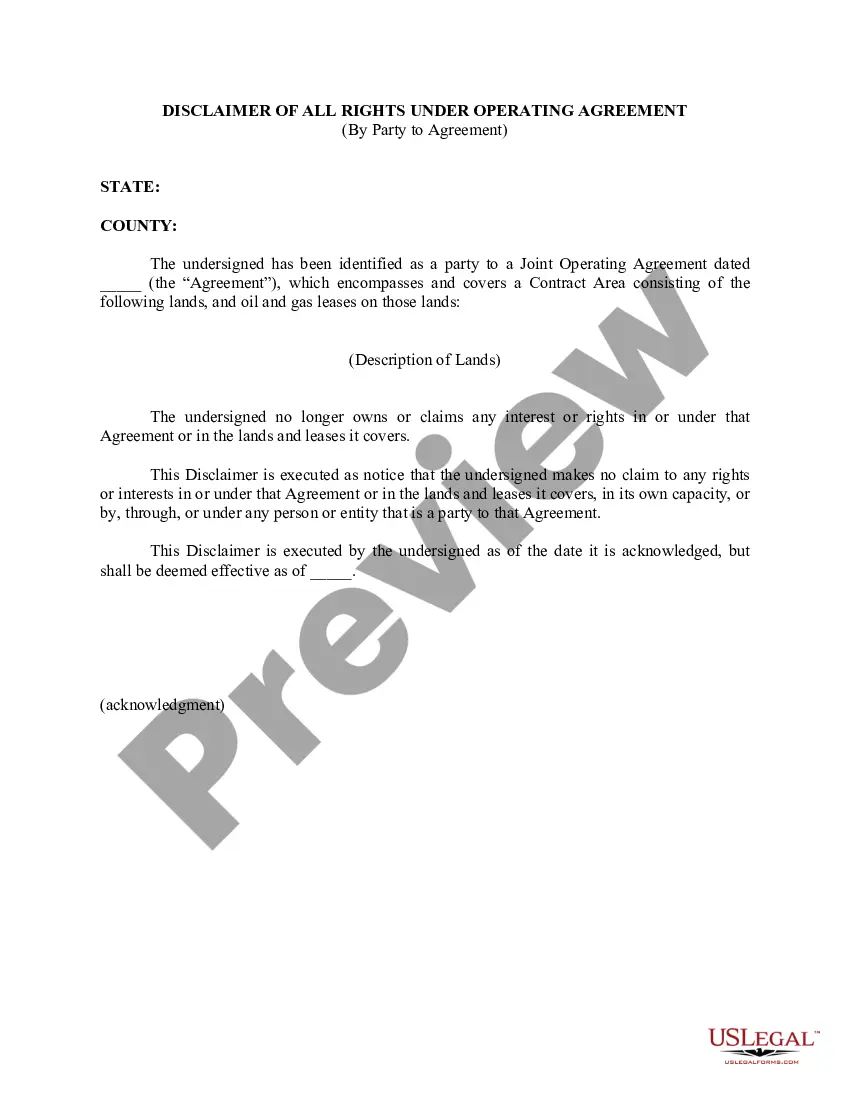
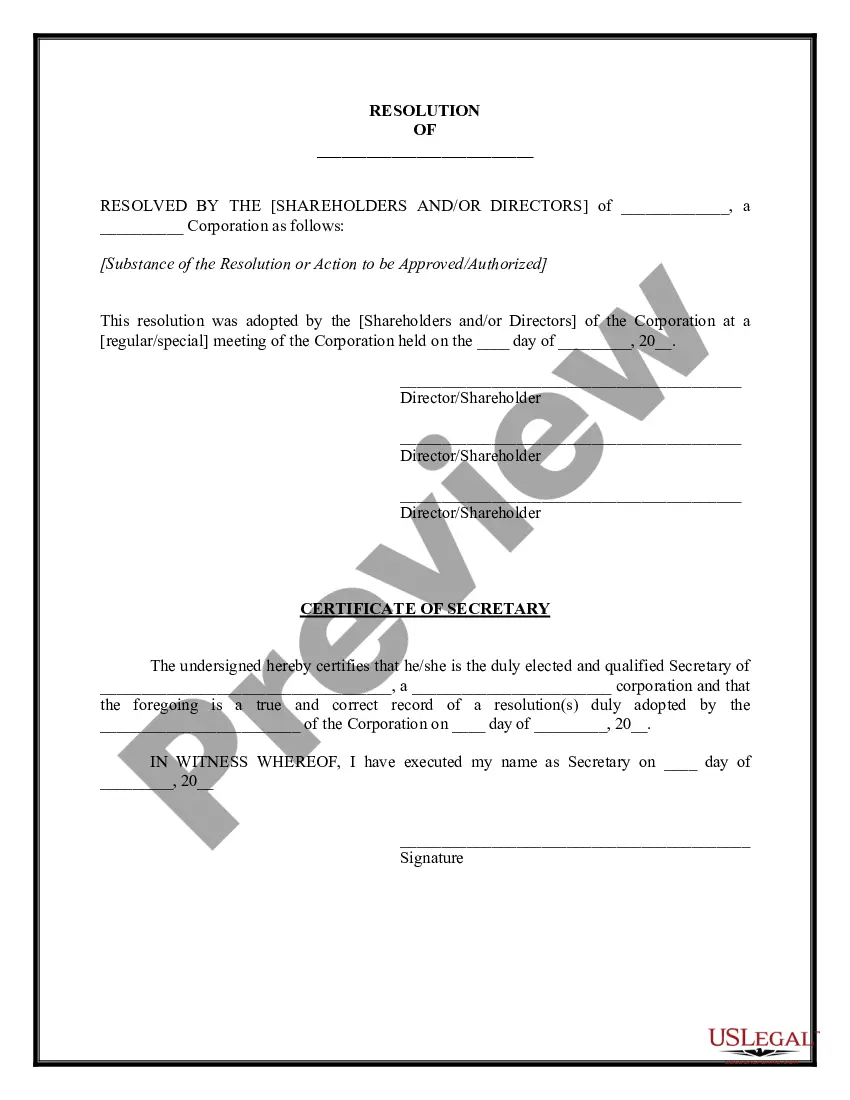
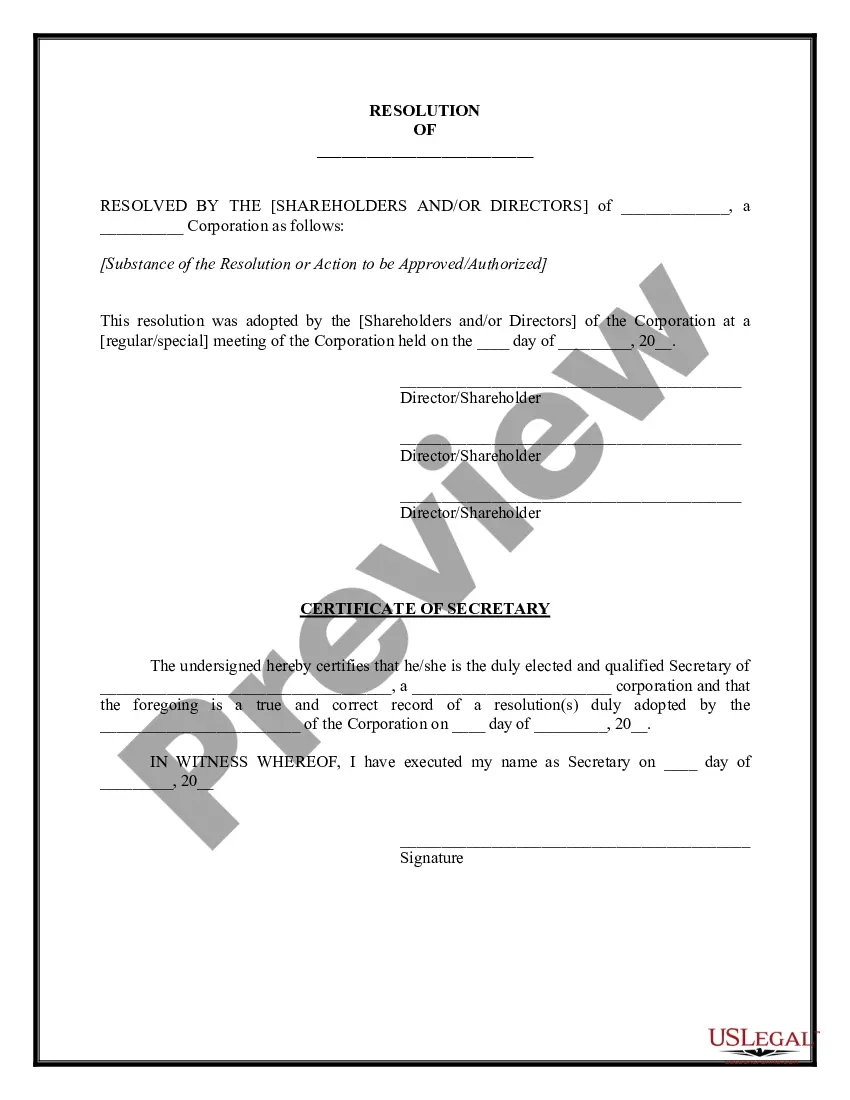
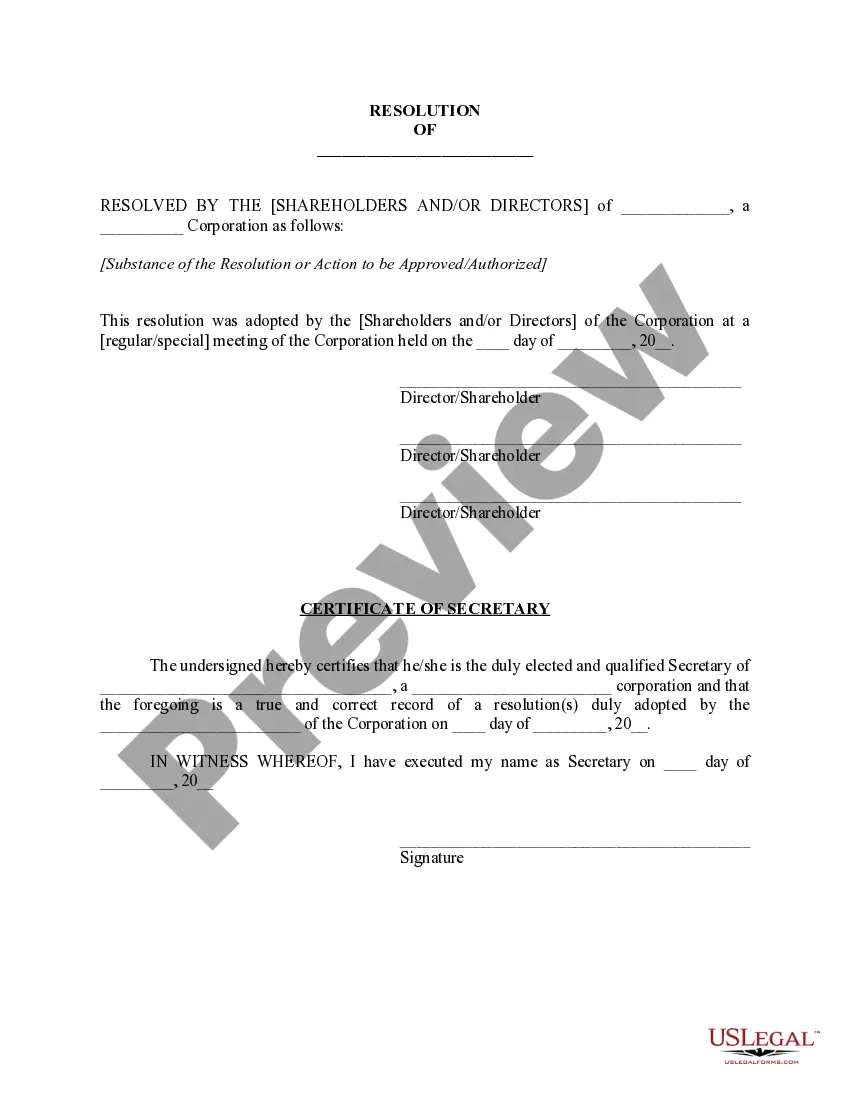
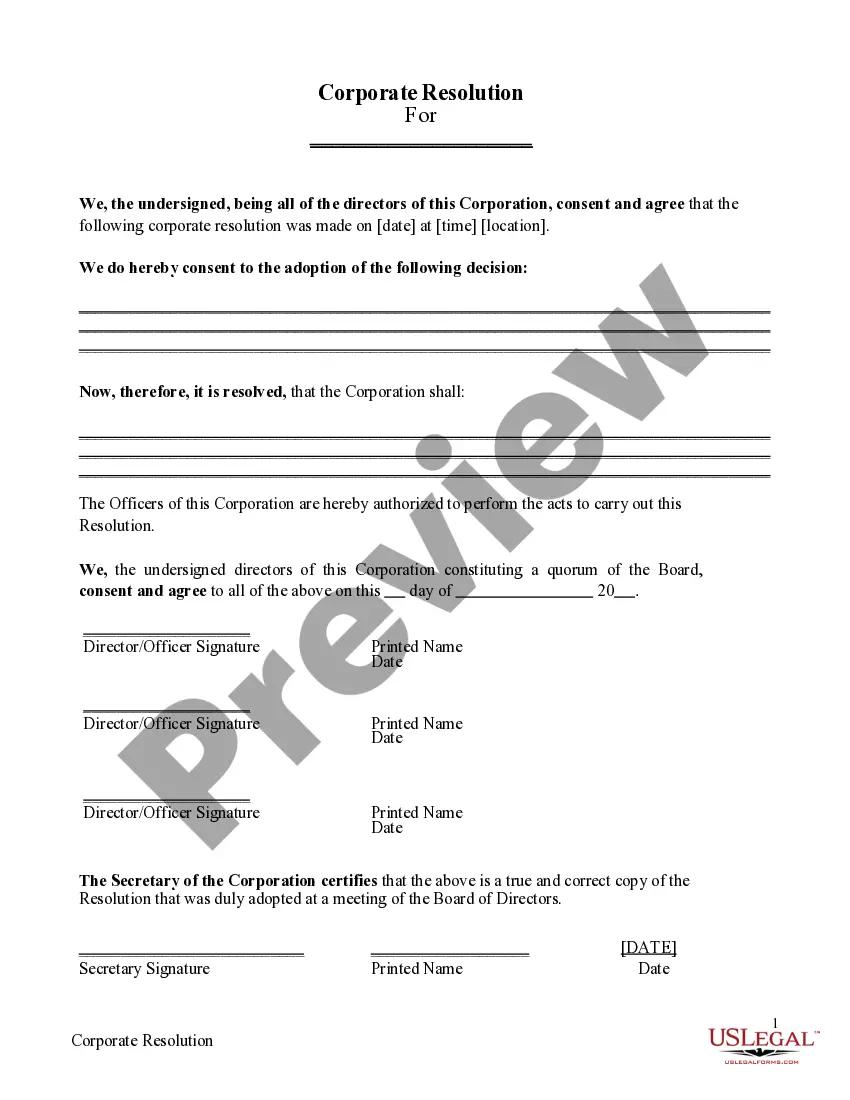
Corporate Resolution Signing Without Meeting In Harris
Description
Get your form ready online
Our built-in tools help you complete, sign, share, and store your documents in one place.
Make edits, fill in missing information, and update formatting in US Legal Forms—just like you would in MS Word.
Download a copy, print it, send it by email, or mail it via USPS—whatever works best for your next step.
Sign and collect signatures with our SignNow integration. Send to multiple recipients, set reminders, and more. Go Premium to unlock E-Sign.
If this form requires notarization, complete it online through a secure video call—no need to meet a notary in person or wait for an appointment.
We protect your documents and personal data by following strict security and privacy standards.

Make edits, fill in missing information, and update formatting in US Legal Forms—just like you would in MS Word.

Download a copy, print it, send it by email, or mail it via USPS—whatever works best for your next step.

Sign and collect signatures with our SignNow integration. Send to multiple recipients, set reminders, and more. Go Premium to unlock E-Sign.

If this form requires notarization, complete it online through a secure video call—no need to meet a notary in person or wait for an appointment.

We protect your documents and personal data by following strict security and privacy standards.
Looking for another form?







Form popularity
FAQ
Members and directors can pass resolutions without a meeting. These are called 'circulating resolutions'. The proposed resolution is written down and sent to all the people who can vote on it.
75.193 Resolution of directors A resolution of directors may be passed by a written resolution or at a meeting of directors.
A corporate resolution is considered a binding document, so it's stored in the corporate records book after the board members sign it.
The corporate resolution must include the signature of the corporate officer and the corporate seal or the articles of incorporation.
In general there are two procedural ways for shareholders to pass a resolution. A shareholders' resolution can either be passed during a formal meeting of the shareholders or in writing (without holding an actual meeting).
Usually, a formal decision (resolution) made in relation to the affairs of a company that is passed by a simple majority (that is, more than 50%) of the votes validly cast in relation to that resolution at a general meeting of the members of a company, or that is otherwise validly passed in ance with provisions ...
Members and directors can pass resolutions without a meeting. These are called 'circulating resolutions'. The proposed resolution is written down and sent to all the people who can vote on it.
Each shareholder must be given a copy of the resolution in paper or electronic form. This should be accompanied by a statement outlining how the members must indicate their agreement and the deadline for passing the resolution.
These resolutions formally record any major corporate decision so that they can then be filed with the company's official records. Corporate resolutions for signing are particular resolutions that clarify and define which corporate officers have the legal standing to sign contracts on behalf of the corporation.