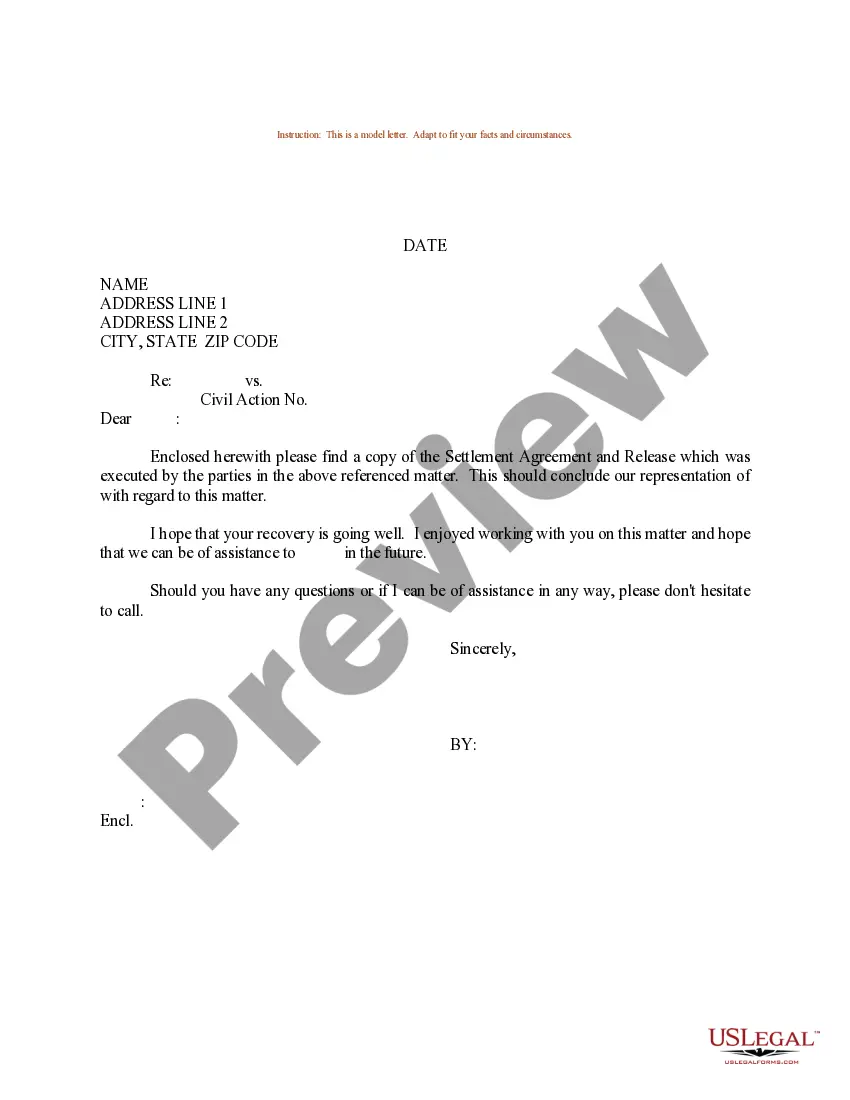
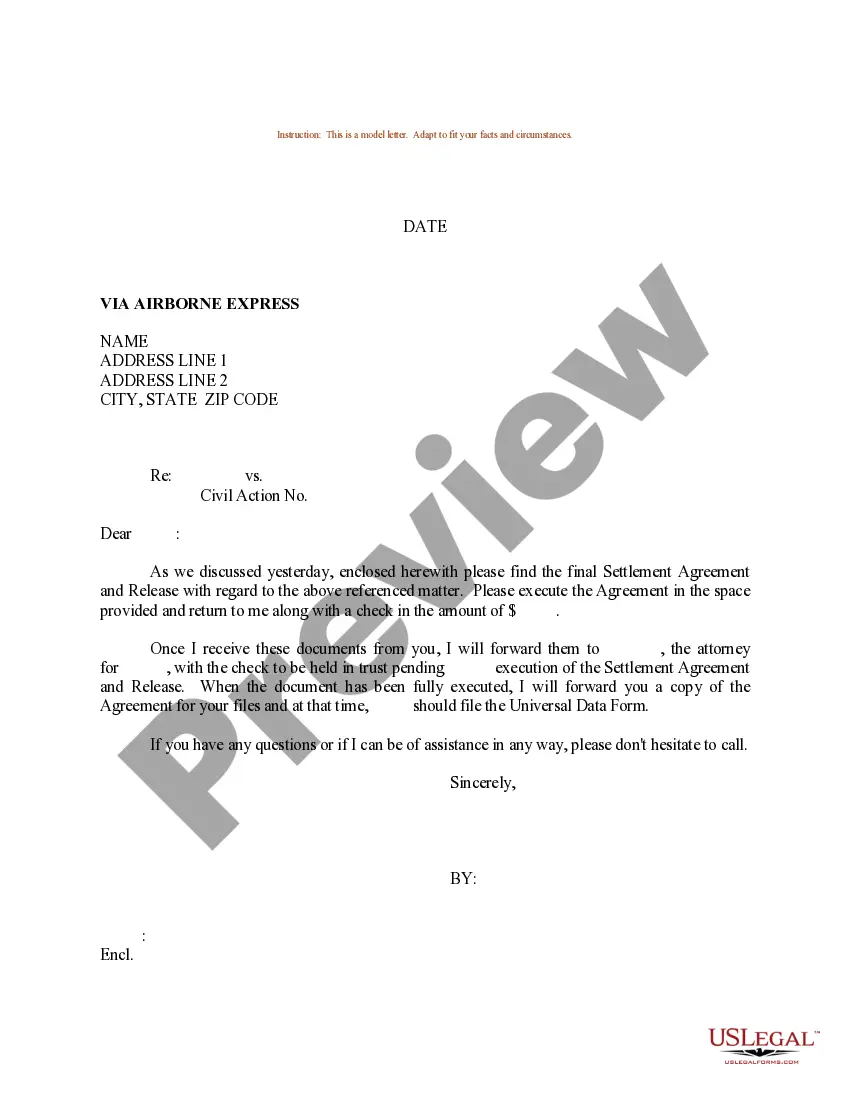
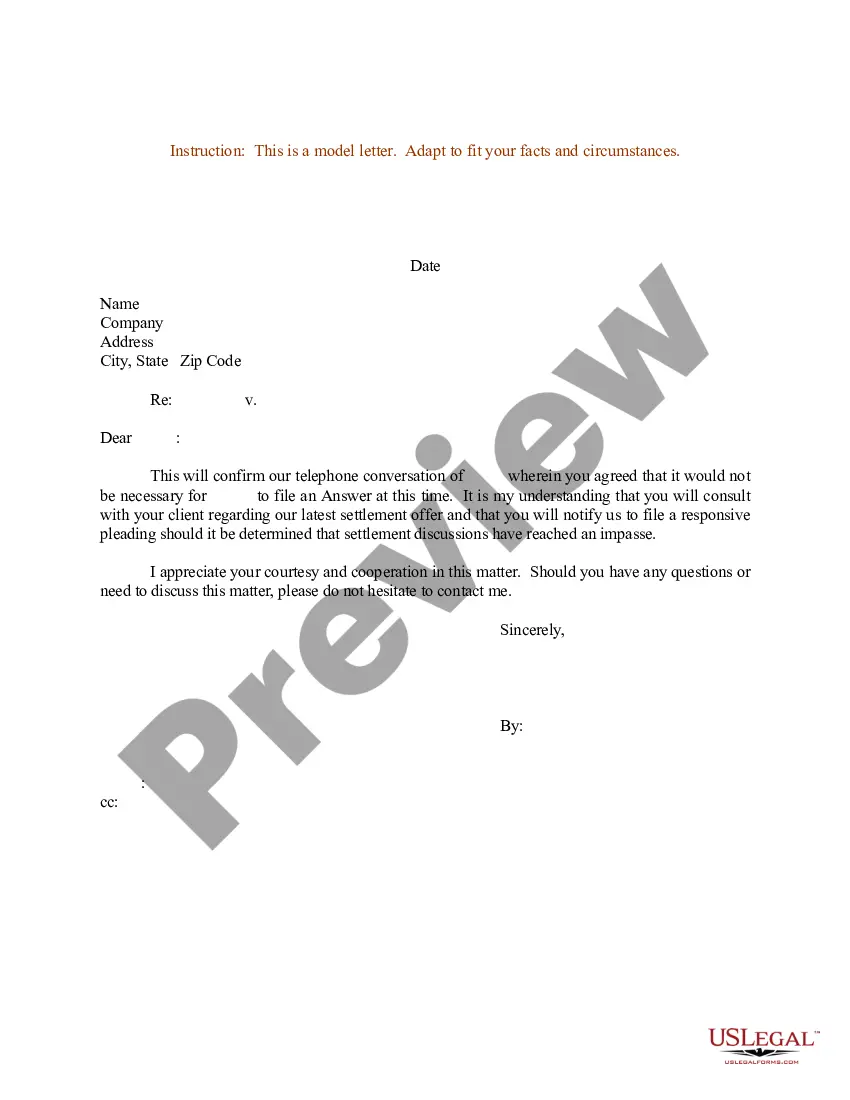
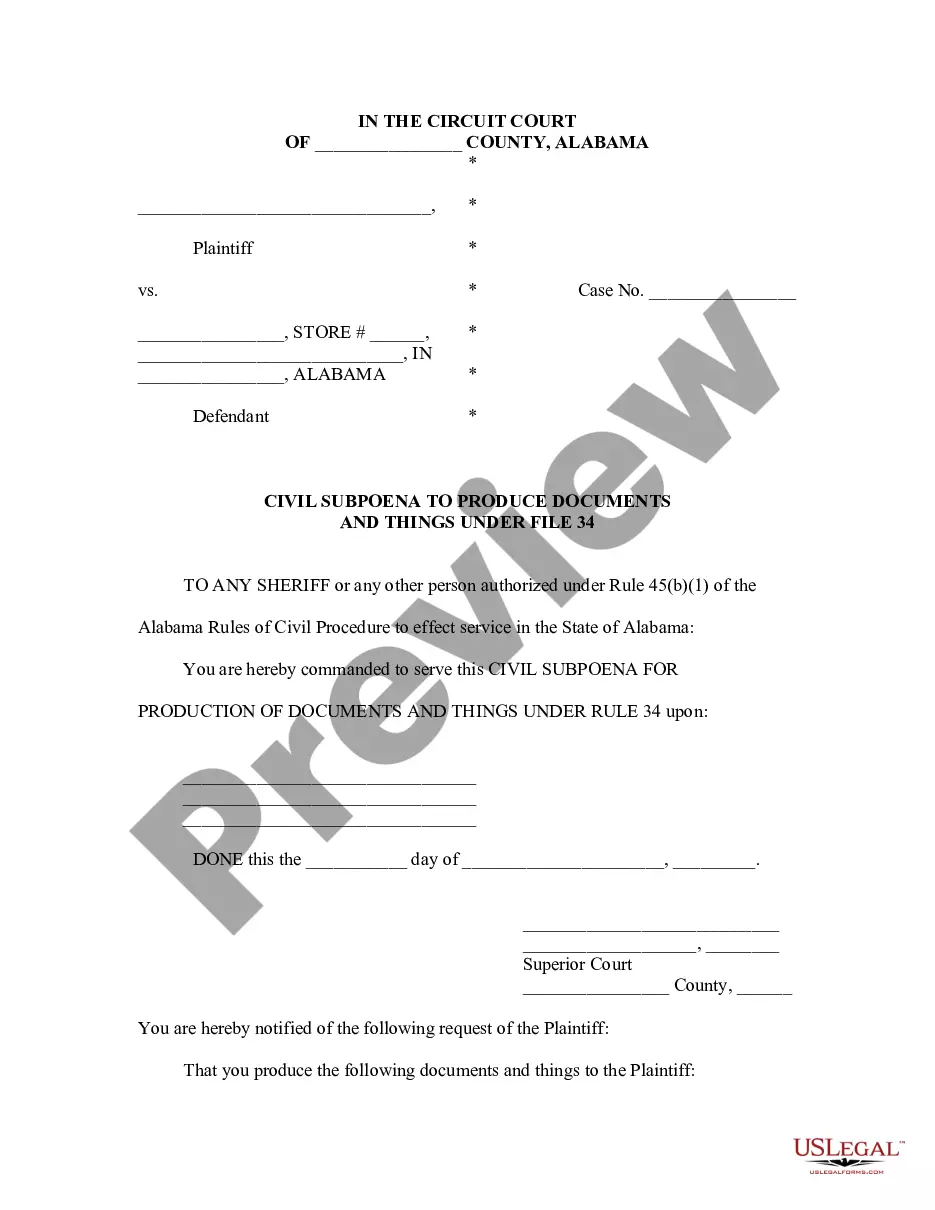
Settlement Confirmation Letter Without Prejudice In Wayne
Description


Get your form ready online
Our built-in tools help you complete, sign, share, and store your documents in one place.
Make edits, fill in missing information, and update formatting in US Legal Forms—just like you would in MS Word.
Download a copy, print it, send it by email, or mail it via USPS—whatever works best for your next step.
Sign and collect signatures with our SignNow integration. Send to multiple recipients, set reminders, and more. Go Premium to unlock E-Sign.
If this form requires notarization, complete it online through a secure video call—no need to meet a notary in person or wait for an appointment.
We protect your documents and personal data by following strict security and privacy standards.

Make edits, fill in missing information, and update formatting in US Legal Forms—just like you would in MS Word.

Download a copy, print it, send it by email, or mail it via USPS—whatever works best for your next step.

Sign and collect signatures with our SignNow integration. Send to multiple recipients, set reminders, and more. Go Premium to unlock E-Sign.

If this form requires notarization, complete it online through a secure video call—no need to meet a notary in person or wait for an appointment.

We protect your documents and personal data by following strict security and privacy standards.
Looking for another form?








Form popularity
FAQ
Common methods to avoid being served Not answering the door. Lying about their identity. Hiding in the closet until the process server leaves. Staying at a family member or friend's home.
Your process server may perform an act called “drop service” to someone who is avoiding service or confrontational. Papers can be left on the ground in front of the person being served or placed under the car's windshield wiper while the subject is in the vehicle. Drop service is not permitted in every state.
It's not illegal to avoid being served with a process, but it is rarely advantageous. In some cases, it can result in court orders and decisions being made without your knowledge, and it always results in longer and more expensive litigations.
If the server consistently fails to reach you despite multiple attempts, they may resort to alternative legal methods or petition the court for permission to use alternative means of service. Most process servers typically make multiple attempts to serve legal documents, often ranging from three to five attempts.
The individual accepting papers must be at least 18 years old and not a party to the case. He or she must also be authorized to accept such documents. A friend, relative, coworker, or other responsible adults may qualify. Be sure to consult a legal professional to ensure the service of process is legal and valid.
The without prejudice (WP) rule will generally prevent statements made in a genuine attempt to settle an existing dispute, whether made in writing or orally, from being put before the court as evidence of admissions against the interests of the party which made them.
If a Defendant Does Not Answer the Door They may erroneously believe that this means the case will simply go away. It won't. However, a process server can still not force someone to open the door. He or she will have to come back on another date if the defendant refuses to open the door.
Newspaper Notice In some jurisdictions, if the person cannot be found it is admissible to place a notice in the newspaper. For this to be considered acceptable, it must be demonstrated that all other options have been used, and that every attempt has been made to serve the legal papers personally.
The purpose and intended effect of the words “without prejudice” is to prohibit a party from using the doctrine of res judicata (from the Latin, “a thing decided”) in any later actions on the subject matter.
If you are in a dispute with someone or trying to settle an issue before it becomes a full blown dispute, you may come across something being “Without Prejudice”. The two most common times you'll encounter this are in a letter or email from the other party or their lawyer, or in a meeting or phone call.