Settlement Agreement Example In Texas
Description


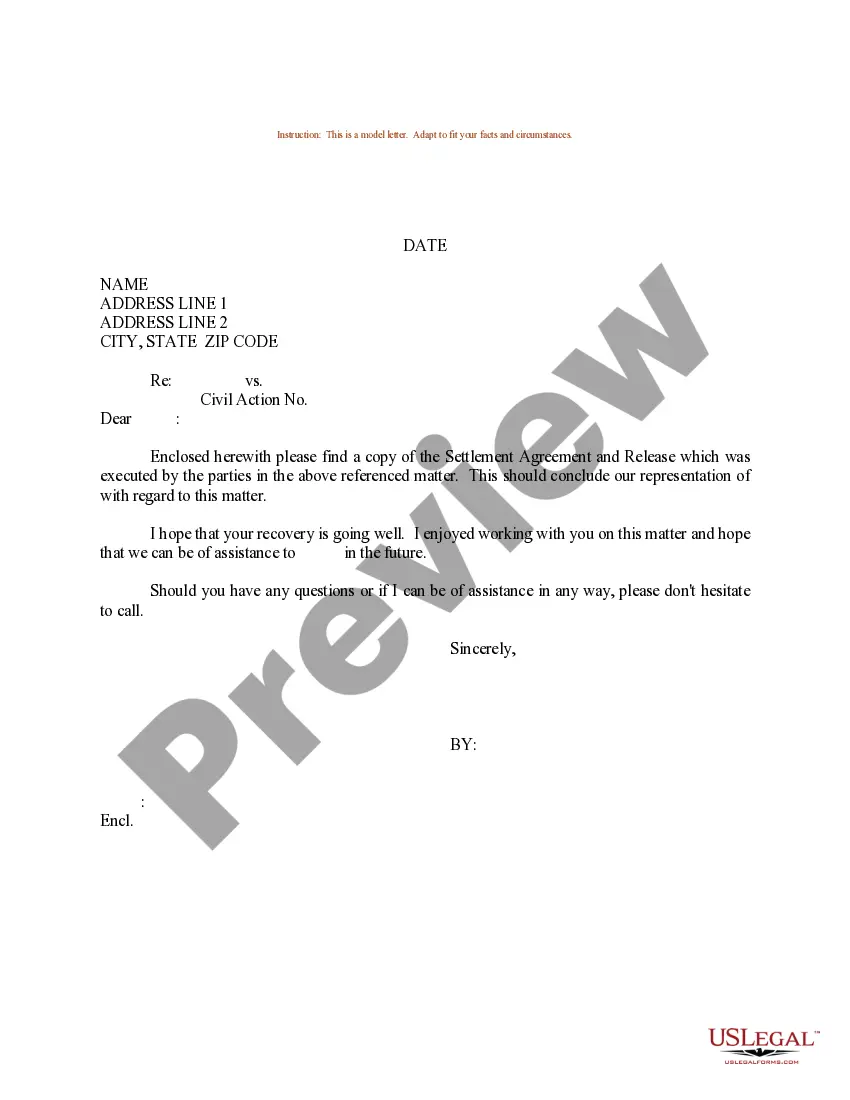
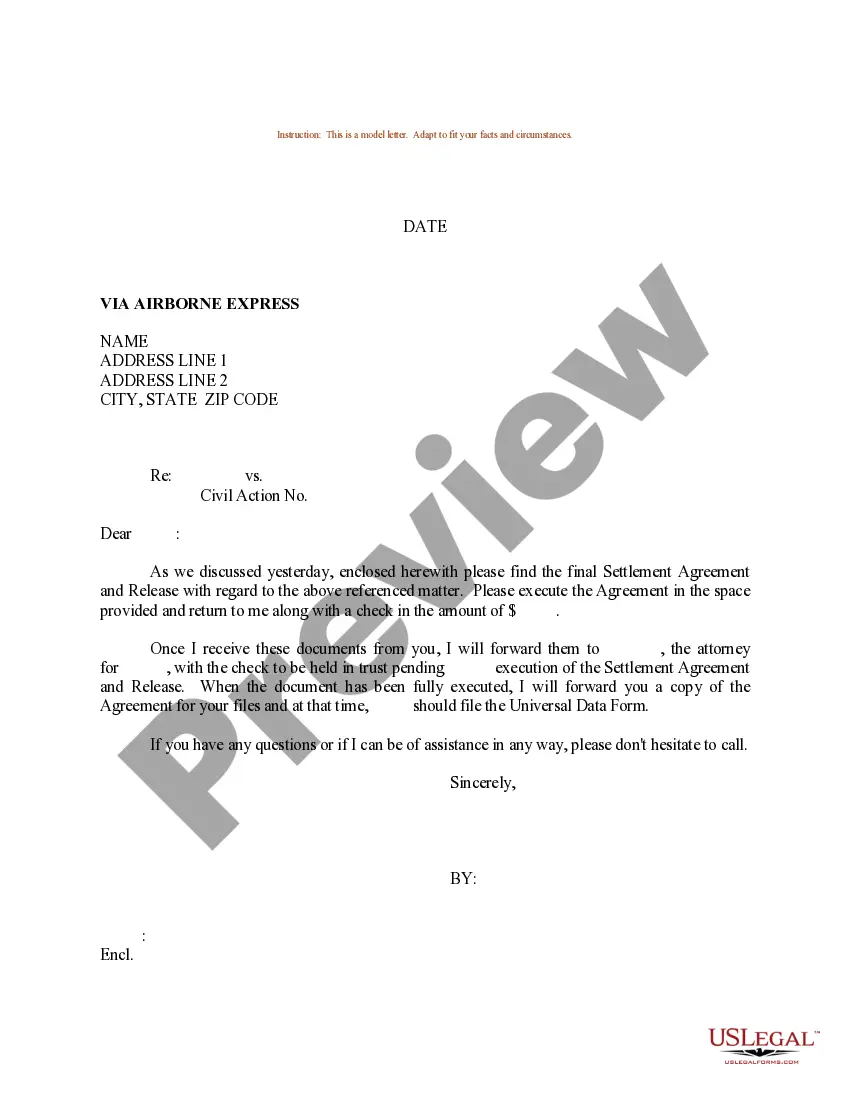
Get your form ready online
Our built-in tools help you complete, sign, share, and store your documents in one place.
Make edits, fill in missing information, and update formatting in US Legal Forms—just like you would in MS Word.
Download a copy, print it, send it by email, or mail it via USPS—whatever works best for your next step.
Sign and collect signatures with our SignNow integration. Send to multiple recipients, set reminders, and more. Go Premium to unlock E-Sign.
If this form requires notarization, complete it online through a secure video call—no need to meet a notary in person or wait for an appointment.
We protect your documents and personal data by following strict security and privacy standards.

Make edits, fill in missing information, and update formatting in US Legal Forms—just like you would in MS Word.

Download a copy, print it, send it by email, or mail it via USPS—whatever works best for your next step.

Sign and collect signatures with our SignNow integration. Send to multiple recipients, set reminders, and more. Go Premium to unlock E-Sign.

If this form requires notarization, complete it online through a secure video call—no need to meet a notary in person or wait for an appointment.

We protect your documents and personal data by following strict security and privacy standards.
Looking for another form?
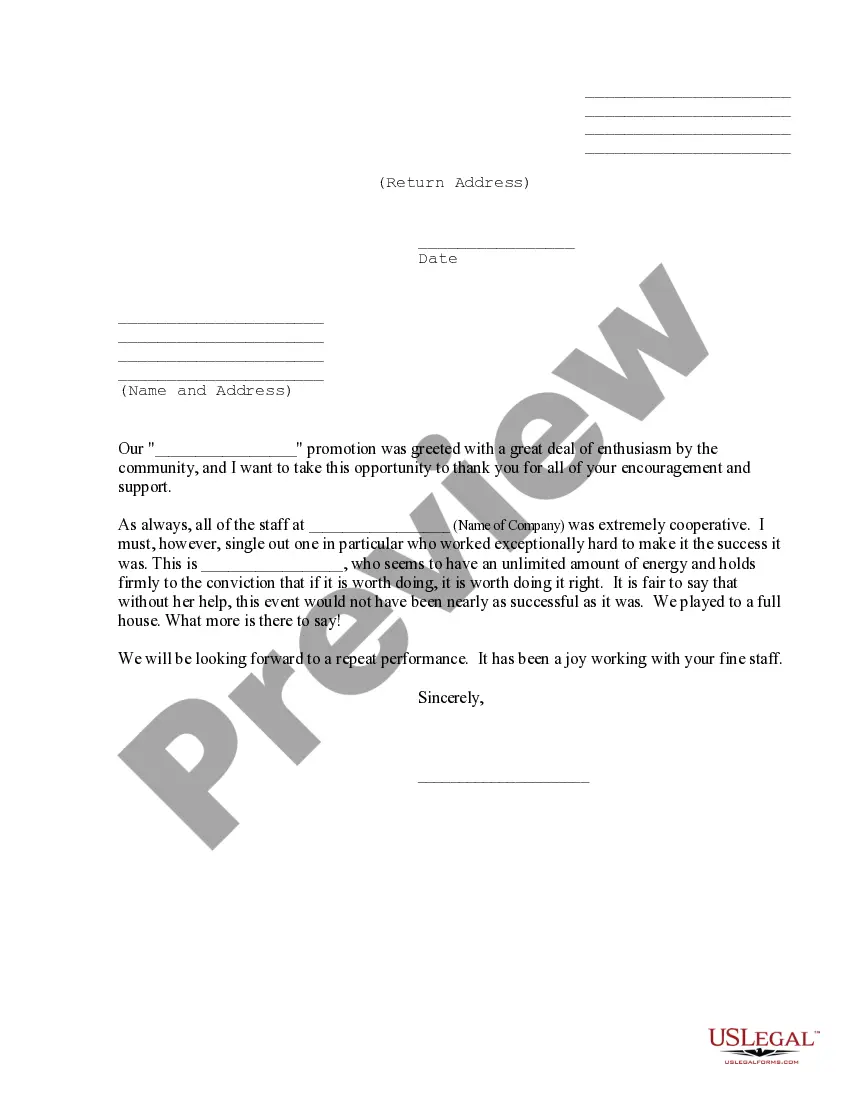
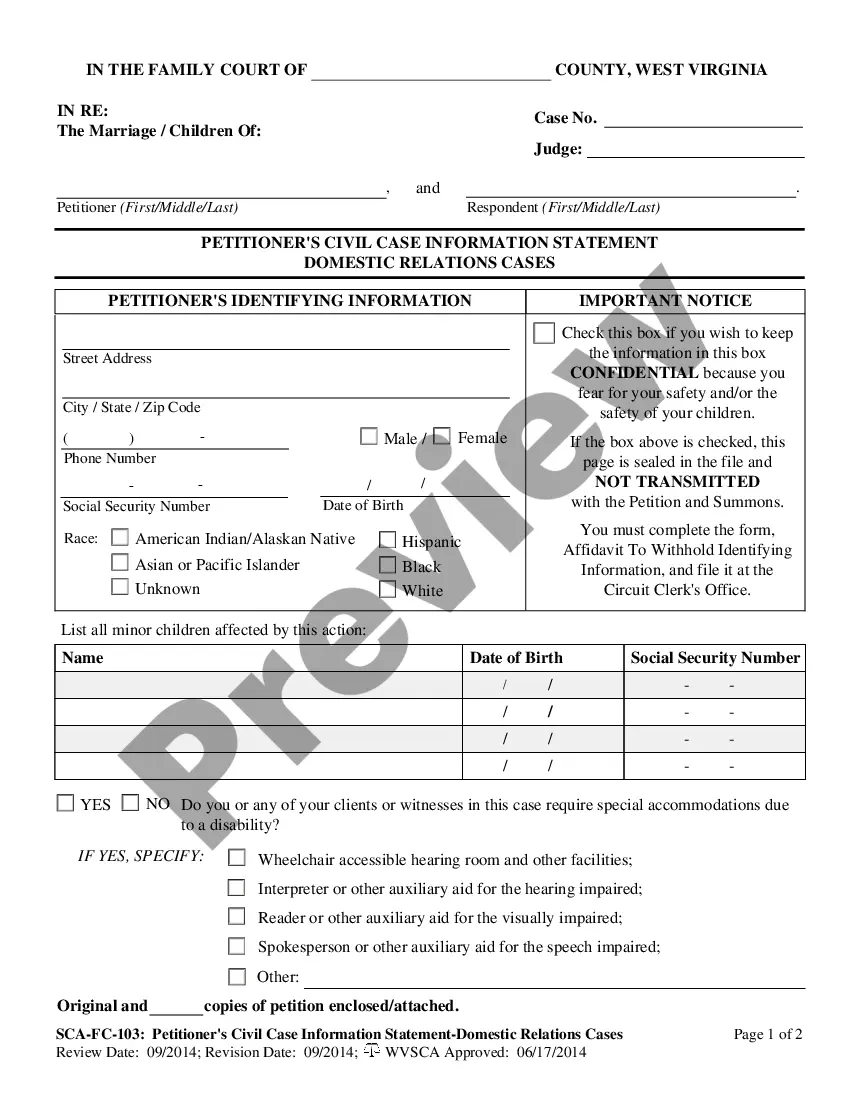
Form popularity
FAQ
Usually, a settlement agreement will include the following: Parties involved. Clearly define who the parties to the agreement are. Background information. Settlement amount. Payment terms. Release of claims. Confidentiality clause. Governing law. Other provisions.
A settlement agreement is always in writing, and both parties must agree to the provisions in the settlement agreement. Also, both parties must sign the settlement agreement for it to be legally binding. A settlement agreement will resolve a civil lawsuit.
It is generally a good idea to have a skilled attorney draft the settlement agreement, which will resolve your civil lawsuit.
2. Scope of Settlement the subject matter of the dispute; what are the conditions to the settlement (i.e., the settlement sum and due date for payment); obligations of the parties; timeline to comply with the terms; consequences for non-compliance to the settlement terms; tax implication; interest;
The parties involved in the case start the settlement process by exchanging information. This phase is essential because it allows each party to understand the facts of the case and their position. Lawyers are not strictly necessary when going through the resolution process.
You do not need a lawyer to settle but this is something your attorney will advise you on based on the specific details of your situation. Hopefully, you get the not-so-subtle suggestion of getting an attorney. Self-representation in a lawsuit is a terrible idea, probably only second to ignoring it.
SIGNING AND FILING THE AGREEMENT Once you and your spouse agree on the terms of the Agreement, it must be properly signed (executed). Note: Signatures must be certified by a Notary Public, but the parties do not have to sign the document at the same time, or in the presence of the same Notary.
Finalization: Once all parties have signed the agreement and any necessary legal formalities are completed, the settlement agreement becomes legally binding. Enforcement: Upon becoming binding, the terms of the settlement agreement are enforceable in court.
So, these documents must meet specific legal requirements and incorporate certain sections to be legally binding. In most cases, a contract does not have to be notarized since the signed contract itself is enforceable and legally binding in state or federal courts.
A party may obtain discovery of the existence and contents of any relevant portions of a settlement agreement. Information concerning a settlement agreement is not by reason of disclosure admissible in evidence at trial.