Settlement Confirmation Letter Without Prejudice In Queens
Description


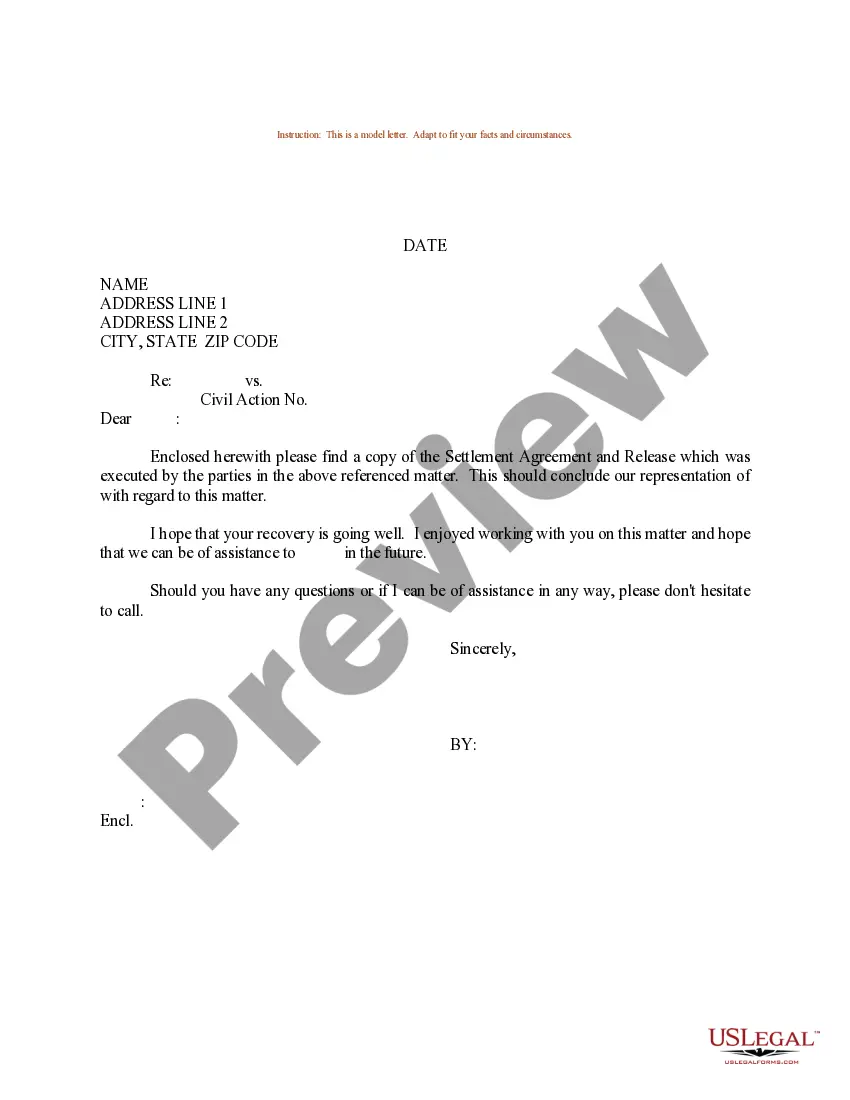
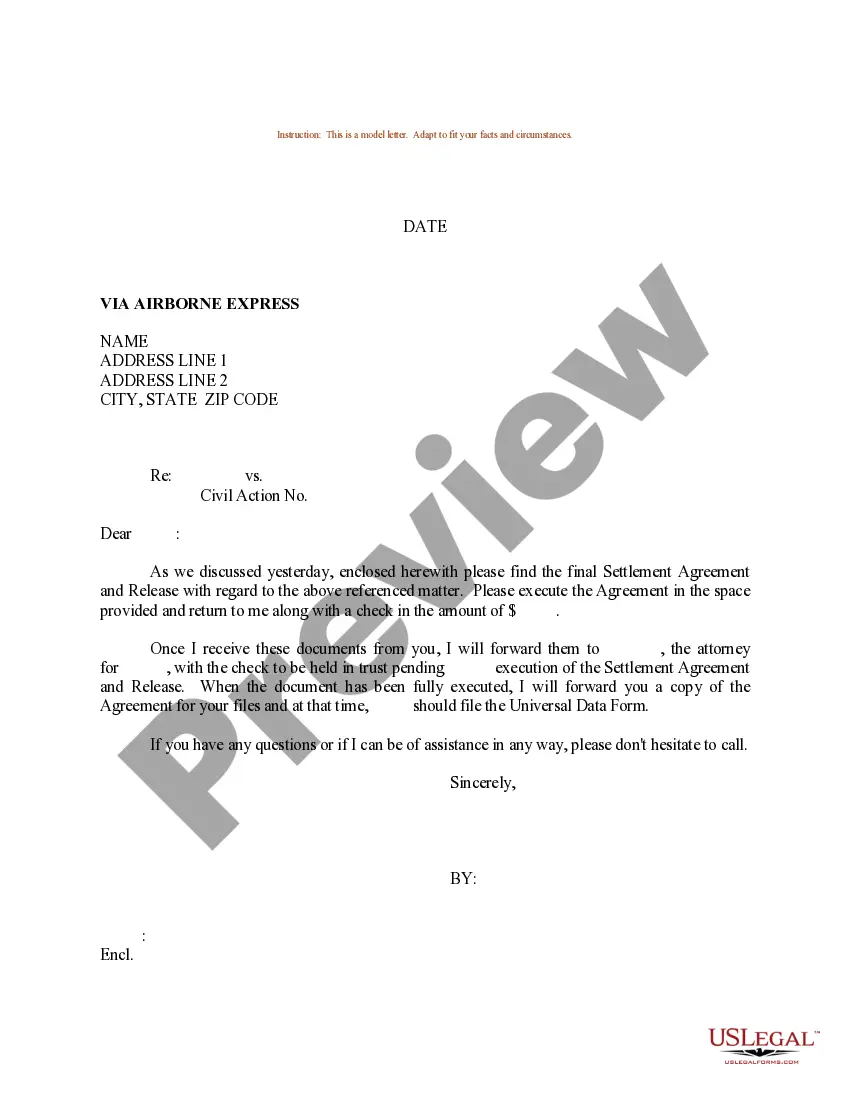
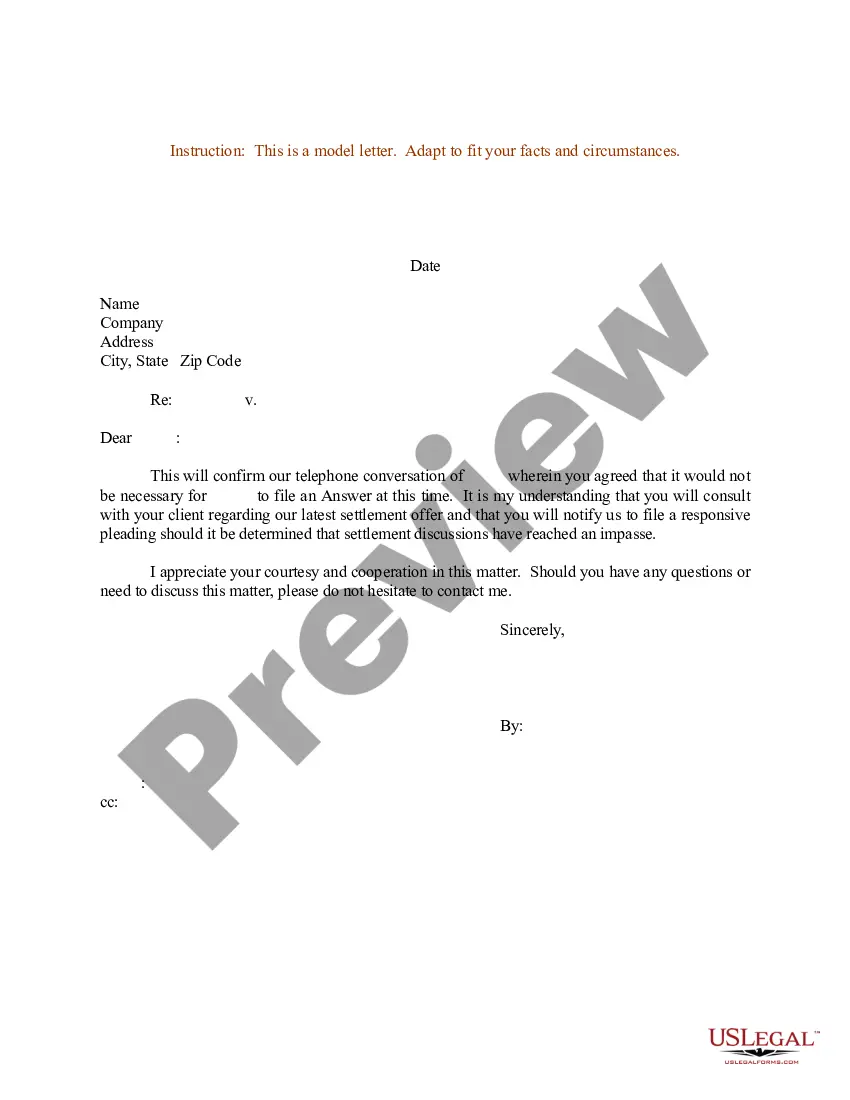
Get your form ready online
Our built-in tools help you complete, sign, share, and store your documents in one place.
Make edits, fill in missing information, and update formatting in US Legal Forms—just like you would in MS Word.
Download a copy, print it, send it by email, or mail it via USPS—whatever works best for your next step.
Sign and collect signatures with our SignNow integration. Send to multiple recipients, set reminders, and more. Go Premium to unlock E-Sign.
If this form requires notarization, complete it online through a secure video call—no need to meet a notary in person or wait for an appointment.
We protect your documents and personal data by following strict security and privacy standards.

Make edits, fill in missing information, and update formatting in US Legal Forms—just like you would in MS Word.

Download a copy, print it, send it by email, or mail it via USPS—whatever works best for your next step.

Sign and collect signatures with our SignNow integration. Send to multiple recipients, set reminders, and more. Go Premium to unlock E-Sign.

If this form requires notarization, complete it online through a secure video call—no need to meet a notary in person or wait for an appointment.

We protect your documents and personal data by following strict security and privacy standards.
Looking for another form?









Form popularity
FAQ
To file a motion for contempt in New York, certain criteria must be met. There must be an existing order of the court that is clear and unambiguous, and the accused must be proven to have known about this order and willfully disobeyed it.
Once the Judgment is entered, the winner should serve a copy of the Judgment with "notice of entry" on the loser. This service starts the loser's time to appeal running.
(i) affidavits, affirmations, briefs and memoranda of law in chief shall be limited to 7.000 words each: (ii) reply affidavits, affirmations, and memoranda shall be no more than 4,200 words and shall not contain any arguments that do not respond or relate to those made in the memoranda in chief.
Except as provided in subdivisions (2), (3) and (4), punishment for a contempt, specified in section seven hundred fifty, may be by fine, not exceeding one thousand dollars, or by imprisonment, not exceeding thirty days, in the jail of the county where the court is sitting, or both, in the discretion of the court.
Specifically, pursuant to Uniform Rule 202.7 (f), upon an application for an order to show cause that seeks a temporary restraining order, the application must contain an affirmation demonstrating that there will be significant prejudice to the party seeking the restraining order by the giving of notice.
Possible strategies include: Claiming Unawareness: Arguing that you were unaware that your behavior was considered contemptuous could lead to a dismissal of charges. Necessity or Self-Defense: Demonstrating that your actions were out of necessity or self-defense may lead to an acquittal.
You don't need an attorney to file a Motion for Contempt, but it is a good idea to have one. If you decide to represent yourself, you can go to the courthouse that made the order and ask for help at the Court Service Center.