Confirmation Letter Without Salary Increment In Philadelphia
Description


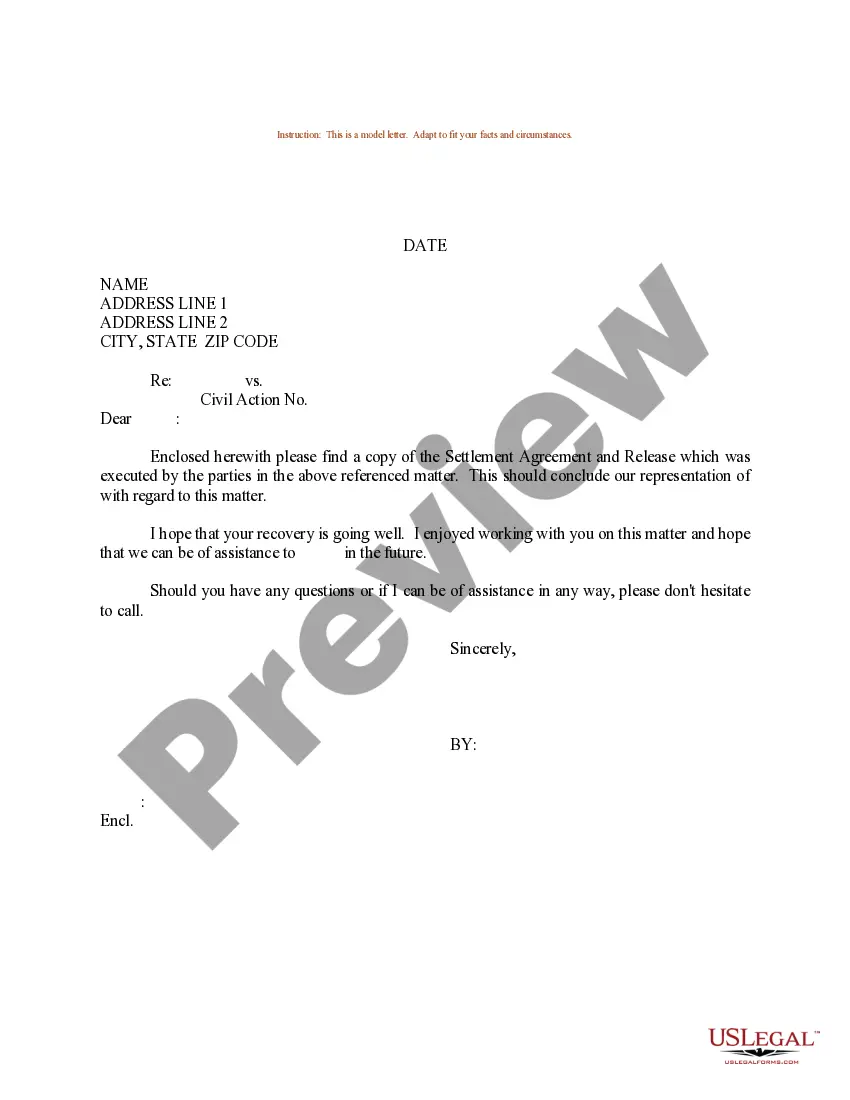
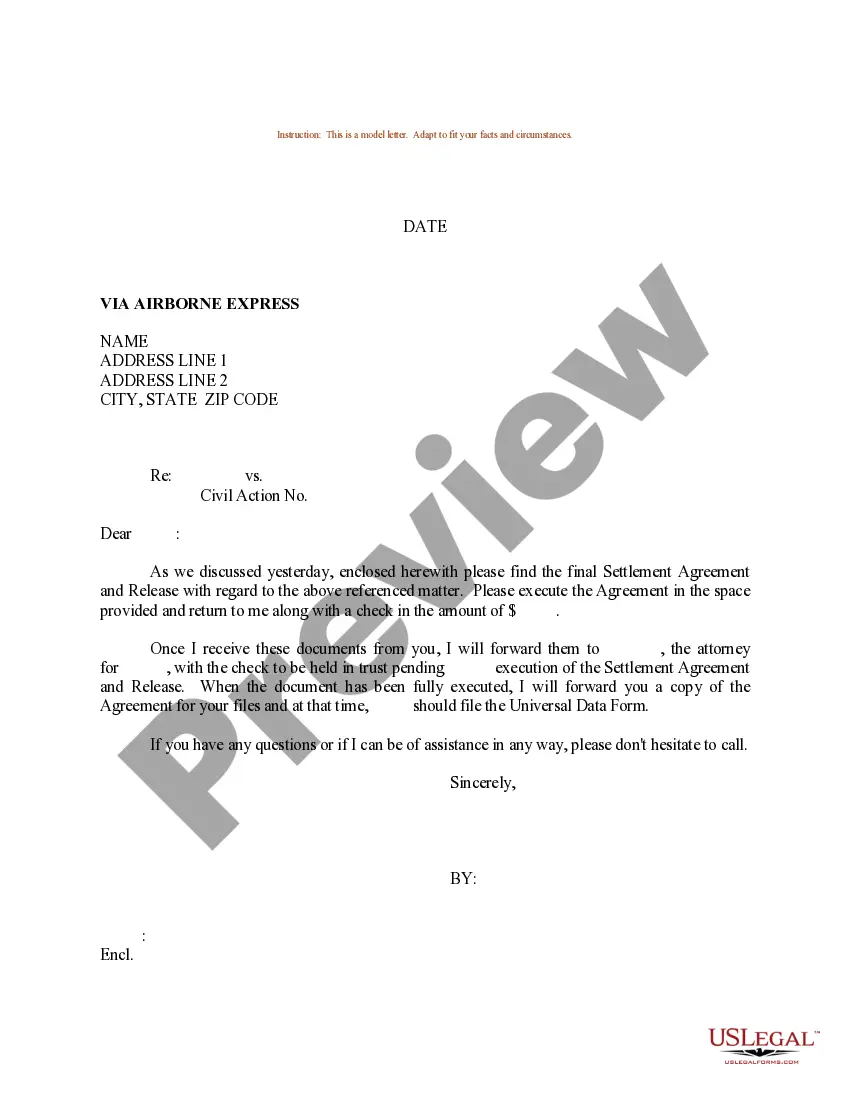
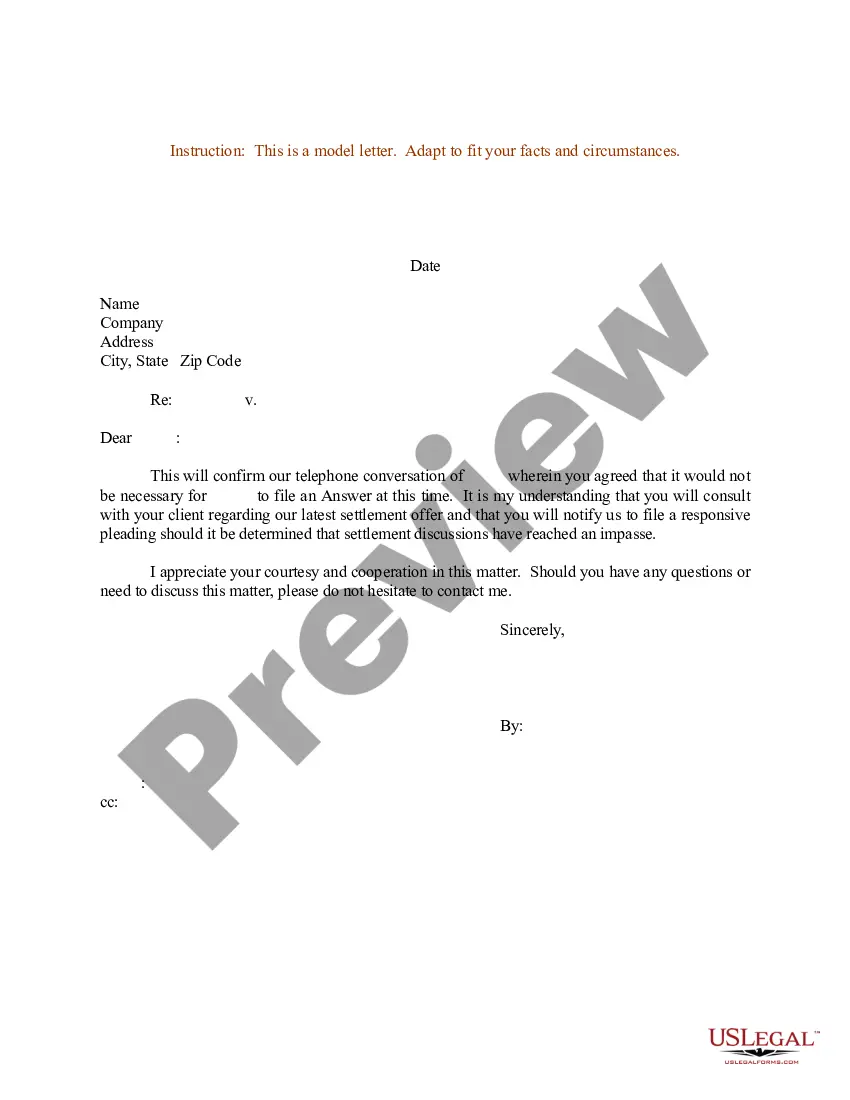
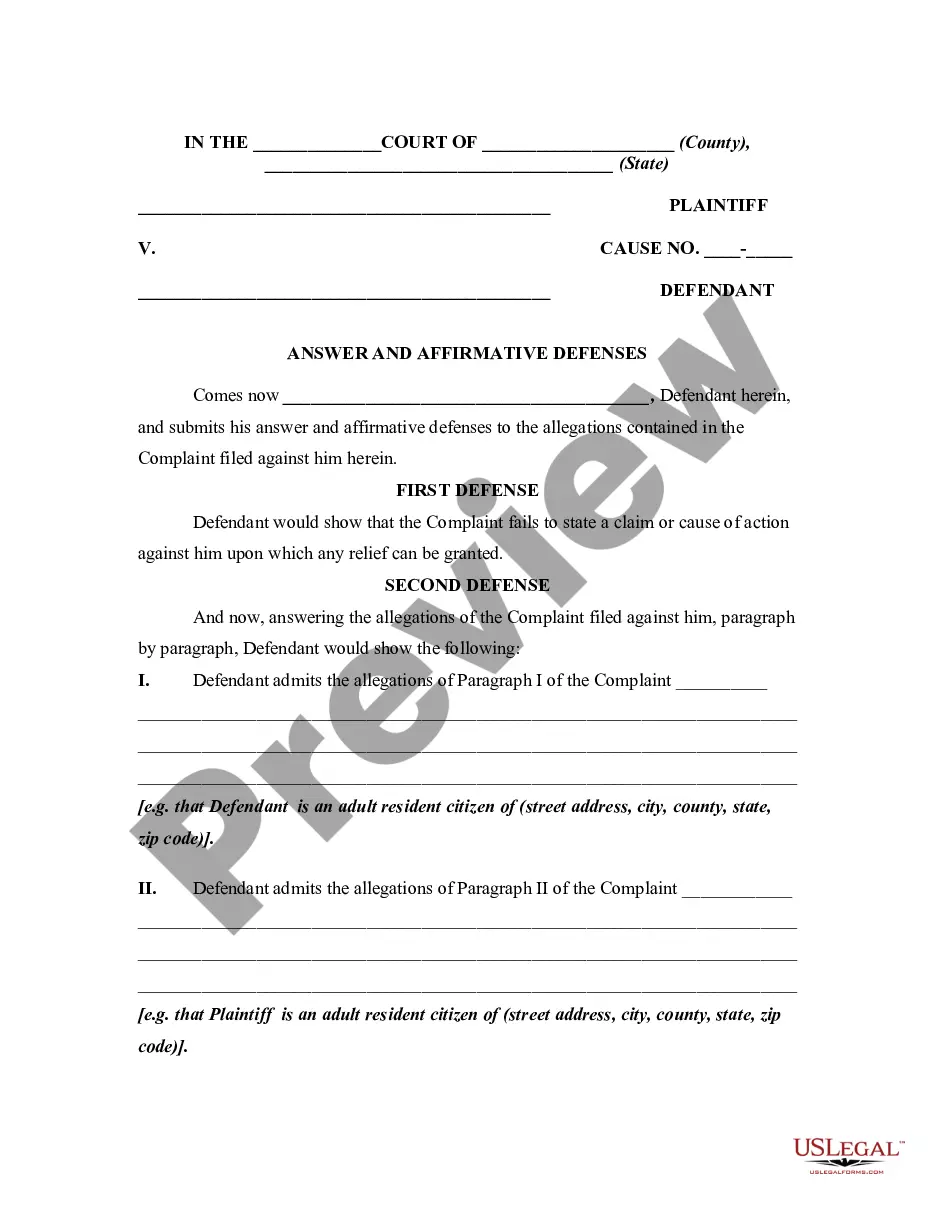
Get your form ready online
Our built-in tools help you complete, sign, share, and store your documents in one place.
Make edits, fill in missing information, and update formatting in US Legal Forms—just like you would in MS Word.
Download a copy, print it, send it by email, or mail it via USPS—whatever works best for your next step.
Sign and collect signatures with our SignNow integration. Send to multiple recipients, set reminders, and more. Go Premium to unlock E-Sign.
If this form requires notarization, complete it online through a secure video call—no need to meet a notary in person or wait for an appointment.
We protect your documents and personal data by following strict security and privacy standards.

Make edits, fill in missing information, and update formatting in US Legal Forms—just like you would in MS Word.

Download a copy, print it, send it by email, or mail it via USPS—whatever works best for your next step.

Sign and collect signatures with our SignNow integration. Send to multiple recipients, set reminders, and more. Go Premium to unlock E-Sign.

If this form requires notarization, complete it online through a secure video call—no need to meet a notary in person or wait for an appointment.

We protect your documents and personal data by following strict security and privacy standards.
Looking for another form?








Form popularity
FAQ
Inquire about the reasons behind the decision not to provide an increment. Understanding their perspective can help you address any concerns. If a salary increase isn't possible, consider discussing other forms of compensation, such as bonuses, additional benefits, or professional development opportunities.
Be honest, and assure them that you'll do everything you can to help them advance, but that any raise depends on the future circumstances and cannot be guaranteed. Bad news is bad news, but you can soften the blow with your demeanour.
Clearly articulate your concerns about the salary increment. Use ``I'' statements to express how you feel, such as: ``I appreciate the raise, but I was hoping for an adjustment that reflects my contributions and the market standards.'' Share the research and accomplishments you prepared.
A basic employment-verification request typically doesn't include salary information. In fact, certain cities and states, such as New York City and California, prohibit employers from seeking salary information during the hiring process.
Always use a formal and respectful tone in your letter. Request a salary increment during performance reviews or after a major achievement. Include specific examples of your achievements and contributions. Understand your company's salary review policies before making a request.
“Employment verification letters—or proof of employment letters—generally include an employee's hire date, position within the company, and current wages or salary; if terminated, the reason for termination such as involuntary termination, voluntary termination, or layoff,” says Lynn Kitson, SPHR, SHRM-SCP, CEO of Lynk ...