Confirmation Letter For Employee In Nevada
Description

Get your form ready online
Our built-in tools help you complete, sign, share, and store your documents in one place.
Make edits, fill in missing information, and update formatting in US Legal Forms—just like you would in MS Word.
Download a copy, print it, send it by email, or mail it via USPS—whatever works best for your next step.
Sign and collect signatures with our SignNow integration. Send to multiple recipients, set reminders, and more. Go Premium to unlock E-Sign.
If this form requires notarization, complete it online through a secure video call—no need to meet a notary in person or wait for an appointment.
We protect your documents and personal data by following strict security and privacy standards.

Make edits, fill in missing information, and update formatting in US Legal Forms—just like you would in MS Word.

Download a copy, print it, send it by email, or mail it via USPS—whatever works best for your next step.

Sign and collect signatures with our SignNow integration. Send to multiple recipients, set reminders, and more. Go Premium to unlock E-Sign.

If this form requires notarization, complete it online through a secure video call—no need to meet a notary in person or wait for an appointment.

We protect your documents and personal data by following strict security and privacy standards.
Looking for another form?





Form popularity
FAQ
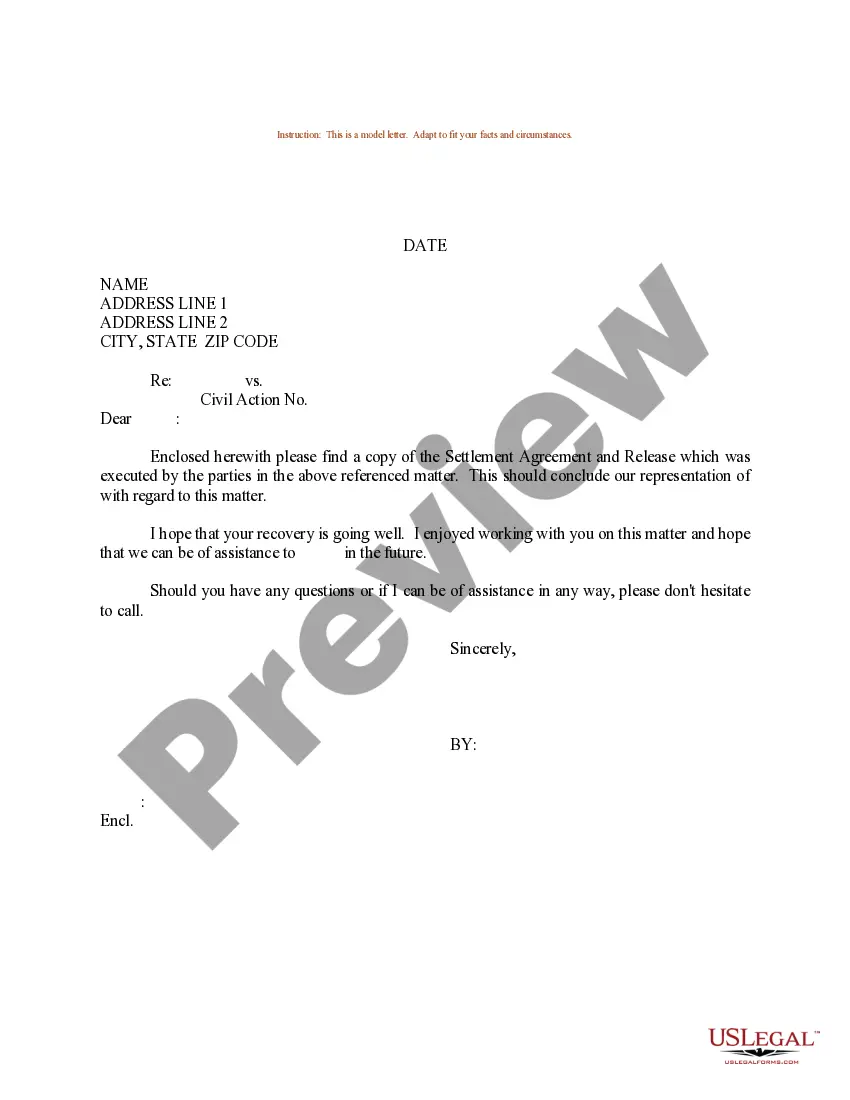
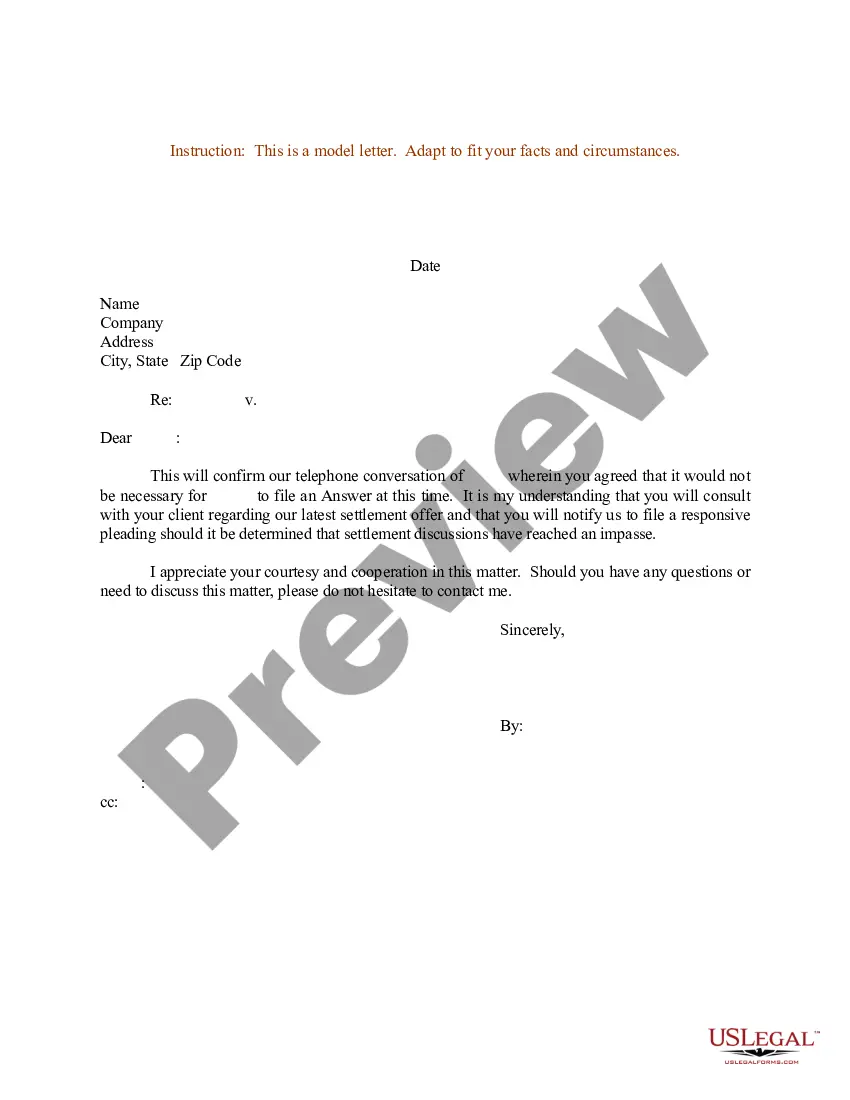
A Confirmation Letter is a letter sent to an employee or potential employee to confirm that the person has been offered a job and that the offer is still open. The letter may also include details about the start date, salary, and other benefits.
There are different ways to request an employment verification letter from a current or former employer: Ask your supervisor or manager. Contact Human Resources. Get a template from the company or organization requesting the letter. Use an employment verification service.
Employers that receive verification of employment requests from state or federal government agencies are generally required to respond to them. They do not have to respond to requests from collection agencies and others, however.
Employers who fail to respond to federal employment-verification requests can suffer fines and denial of government contracts for up to one year. Failure to complete an employment-verification request from another third party can dilute trust with current and former employees alike.
The Employment Eligibility Verification (I-9) form is used to verify the employment eligibility of all persons hired on or after, November 7, 1986. The Department of General Services (DGS) should hire only United States citizens or aliens who are authorized to work in the United States.
Failing to do so can result in penalties or fines that can harm your business. However, if a request for employment verification comes from another party, such as an employer, landlord or mortgage lender, there aren't laws and regulations that require employers to respond to an employment verification request.
The hiring company would ask you for that permission as part of the job application process. Before your employment is verified, there should be a document presented to you that discloses that the employer will verify your employment and may use a consumer reporting agency (such as The Work Number) to do it.