Settlement Confirmation Letter Without Prejudice In Michigan
Description


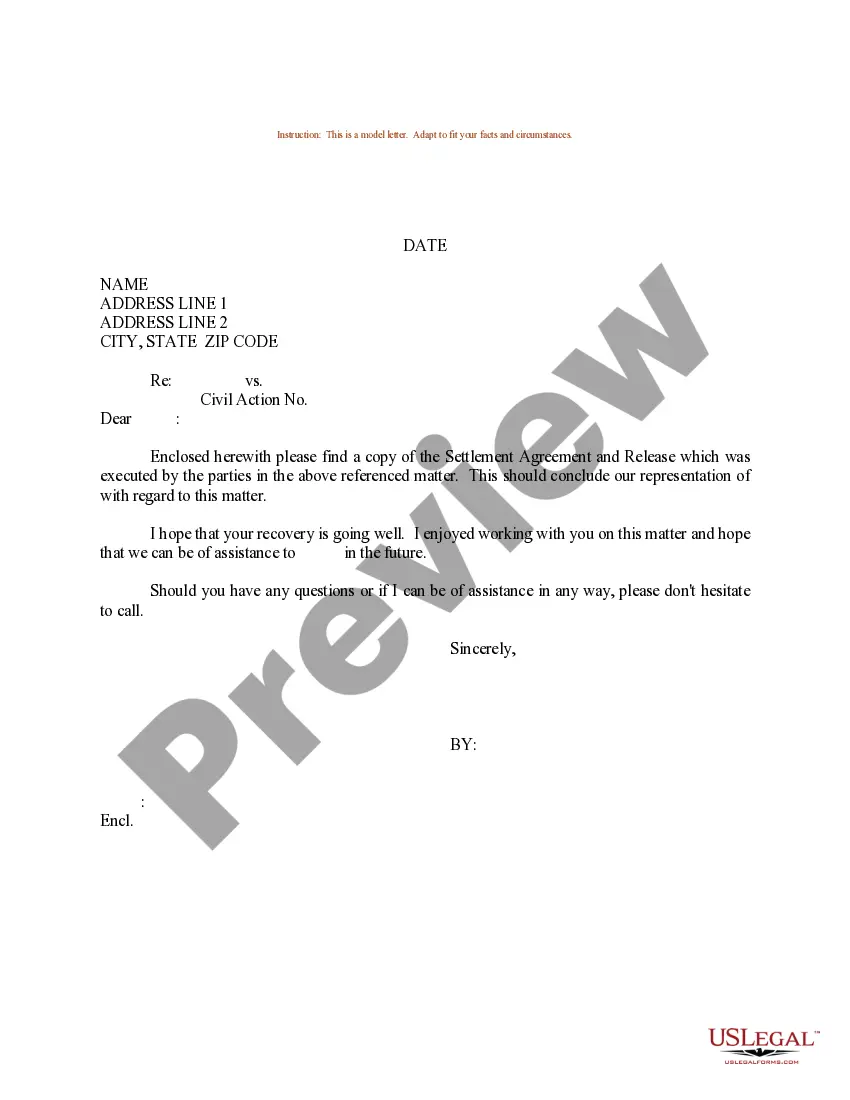
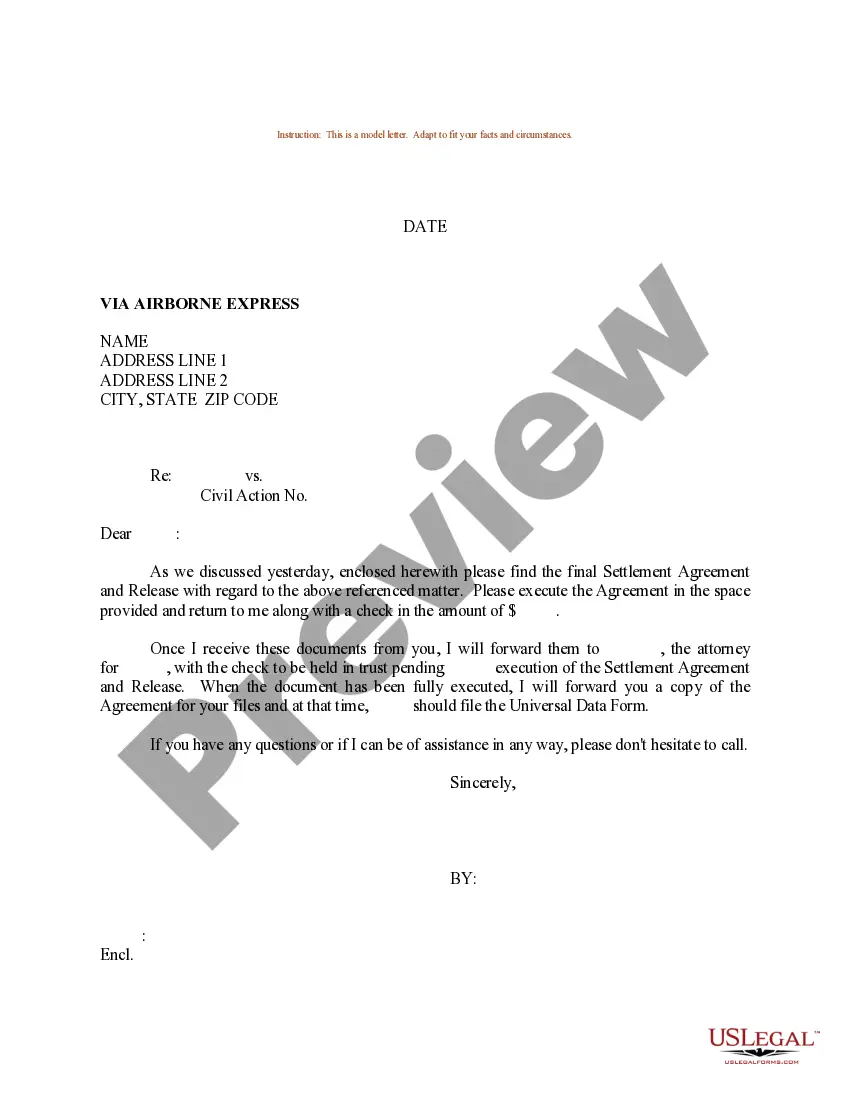
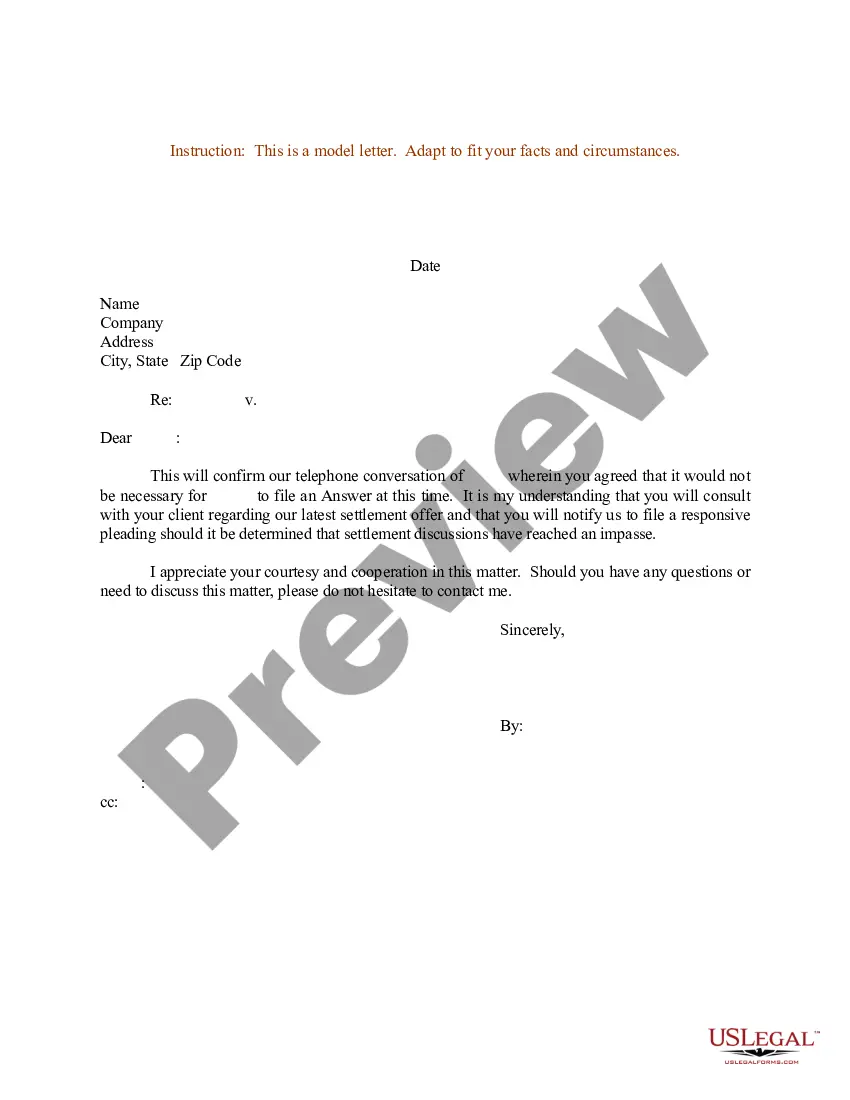
Get your form ready online
Our built-in tools help you complete, sign, share, and store your documents in one place.
Make edits, fill in missing information, and update formatting in US Legal Forms—just like you would in MS Word.
Download a copy, print it, send it by email, or mail it via USPS—whatever works best for your next step.
Sign and collect signatures with our SignNow integration. Send to multiple recipients, set reminders, and more. Go Premium to unlock E-Sign.
If this form requires notarization, complete it online through a secure video call—no need to meet a notary in person or wait for an appointment.
We protect your documents and personal data by following strict security and privacy standards.

Make edits, fill in missing information, and update formatting in US Legal Forms—just like you would in MS Word.

Download a copy, print it, send it by email, or mail it via USPS—whatever works best for your next step.

Sign and collect signatures with our SignNow integration. Send to multiple recipients, set reminders, and more. Go Premium to unlock E-Sign.

If this form requires notarization, complete it online through a secure video call—no need to meet a notary in person or wait for an appointment.

We protect your documents and personal data by following strict security and privacy standards.
Looking for another form?









Form popularity
FAQ
“Dismissed without prejudice” is a legal term that means a case is dismissed but can still be refiled at a later point.
In your first without prejudice letter, be selective and keep some issues in reserve for the final negotiating stages. Try not to over-emphasise all the ways you think they've mistreated you. Instead stop and think if there is a way in which you can more subtly mention their behaviour.
If your criminal charges are dismissed without prejudice, it means your case is not moving forward, and you're no longer charged with a crime—but it also leaves the door open for the prosecution to refile the same charges against you if they see fit.
“Without Prejudice” means that you are sending a communication in an honest attempt to compromise a matter, in which you might make a concession (either expressly or implicitly) to the other side that cannot be later put into evidence in Court.
Unless the record is sealed, by order of the court with regard to your case, or by way of a record sealing procedure {which is not available in all states), yes it will. However, it will show that the case was dismissed, so it should not be an impediment to you in any way.
Whereas a case that is dismissed “with prejudice” is dismissed permanently, a case that is dismissed “without prejudice” is only dismissed temporarily. This temporary dismissal means that the plaintiff is allowed to re-file charges, alter the claim, or bring the case to another court.
If you are in a dispute with someone or trying to settle an issue before it becomes a full blown dispute, you may come across something being “Without Prejudice”. The two most common times you'll encounter this are in a letter or email from the other party or their lawyer, or in a meeting or phone call.
This is roughly a 5 percent success rate for all motions.
Michigan Court Rule 8.126 sets forth the process for foreign (out-of-state) attorneys to apply for temporary admission to practice in a Michigan court, administrative tribunal, or arbitration.
Rule 2.313 - Failure to Serve Disclosure or to Provide or to Permit Discovery; Sanctions (A) Motion for Order Compelling Disclosure or Discovery. A party, on reasonable notice to other parties and all persons affected, may apply for an order compelling disclosure or discovery as follows: (1) Appropriate Court.